
Environmental stress
Snow Load Damage
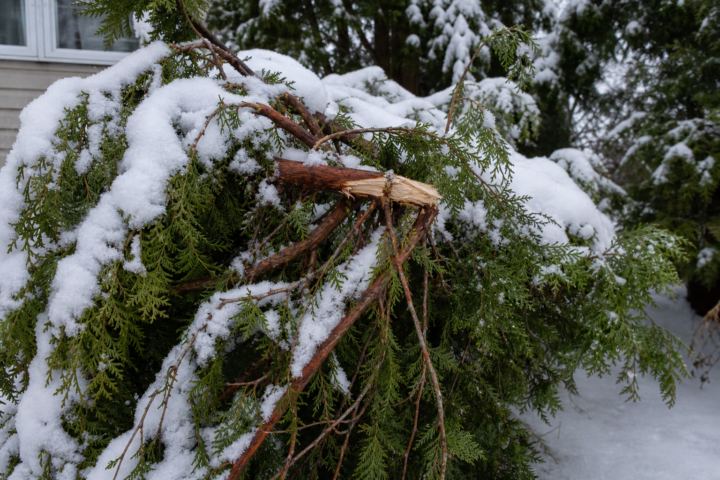
Snow load damage is a noninfectious winter disorder caused when wet snow, ice, or drifting snow exceeds the strength of branches, stems, crowns, or…
DetailsDetailed profiles of common plant diseases, pests, nutrient deficiencies and environmental problems.
Snow load damage is a noninfectious winter disorder caused when wet snow, ice, or drifting snow exceeds the strength of branches, stems, crowns, or…
Details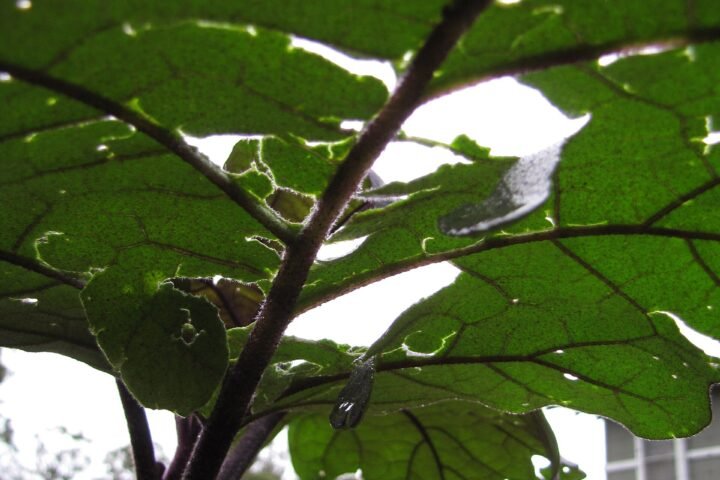
Hail damage is a noninfectious weather injury caused when ice pellets strike leaves, stems, flowers, fruit and growing points. Severity depends on hail size,…
Details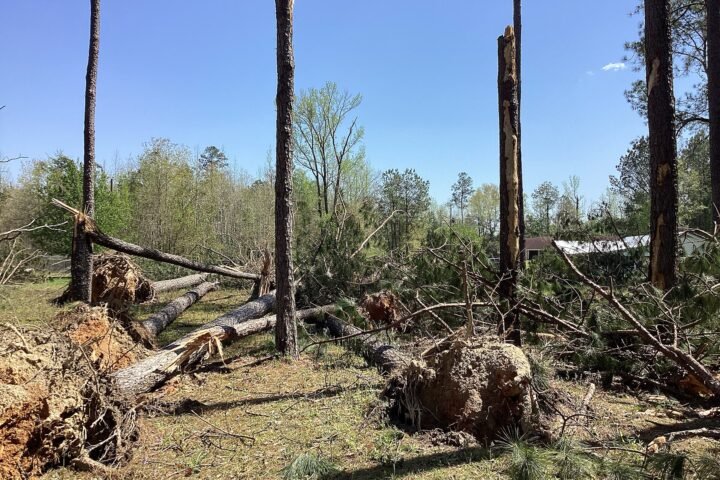
Wind damage is a noninfectious environmental disorder caused by strong, persistent or gusty air movement, often intensified by blowing soil or sand. It can…
Details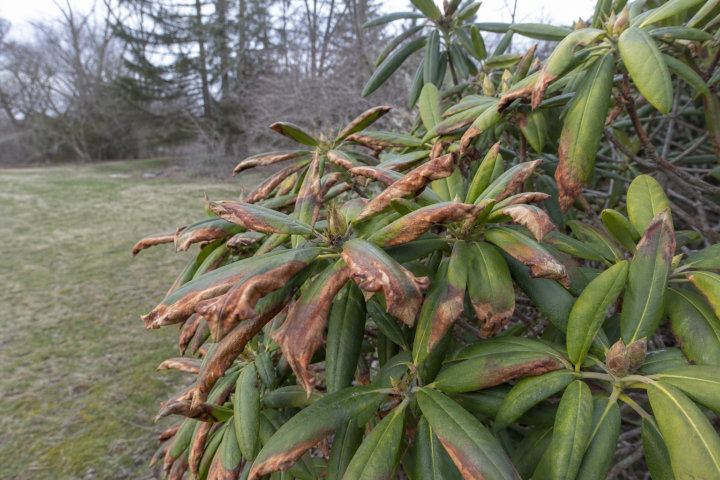
Wind scorch is a noninfectious environmental disorder caused by excessive water loss from leaves, needles, or young shoots during windy weather. It is especially…
Details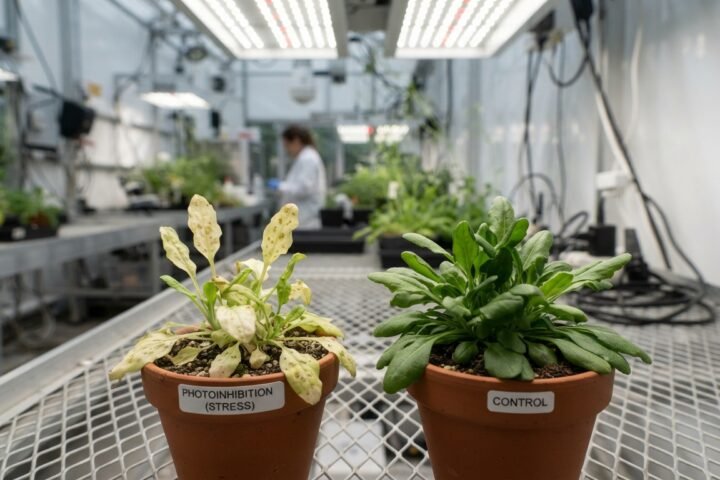
Photoinhibition is a physiological light-stress disorder in which excess or rapidly fluctuating light temporarily or persistently reduces photosynthetic performance. It is most often associated…
Details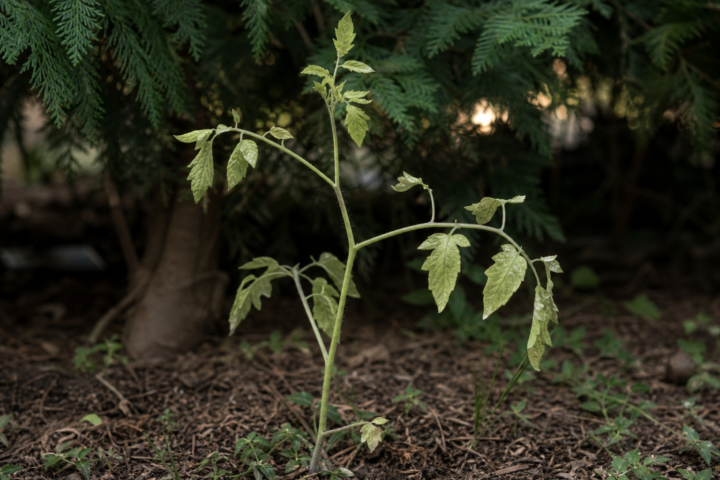
Shade stress is a noninfectious disorder caused by light levels too low for a plant’s species, cultivar, growth stage, or recent growing conditions. Affected…
Details
Az alacsony fény okozta stressz nem fertőző betegség, hanem olyan környezeti zavar, amely akkor alakul ki, amikor a növény nem kap elegendő fényt a…
Details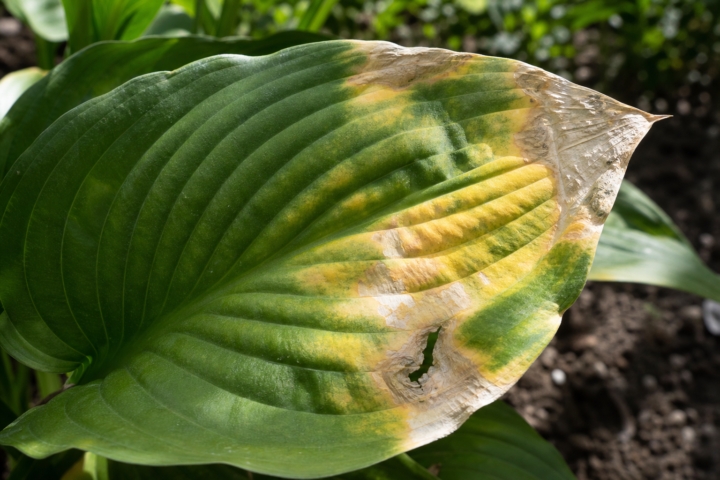
Excess light stress is not an infectious disease but a physiological injury caused when sunlight or artificial light exceeds a plant’s tolerance, often together…
Details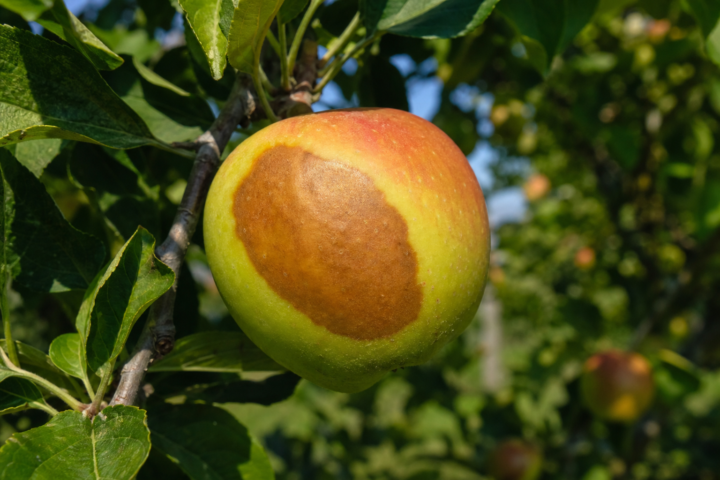
Fruit sunburn is a noninfectious heat and light injury that develops when exposed fruit tissue becomes hotter than it can tolerate, especially during heat…
Details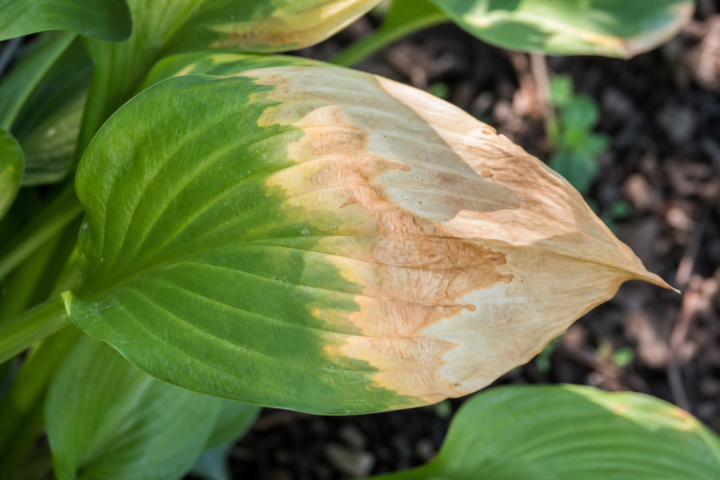
Leaf sunburn is permanent injury to foliage caused by light and heat exceeding the plant’s ability to protect and cool its tissues. It is…
Details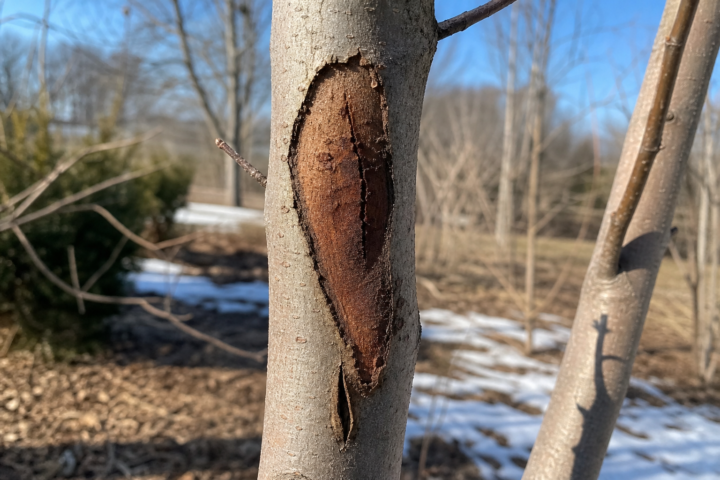
A sunscald, vagyis napégés nem fertőző, környezeti eredetű növénykárosodás. Hideg téli napokon a déli és délnyugati törzs- vagy ágfelület felmelegszik, majd éjszaka gyorsan lehűl…
Details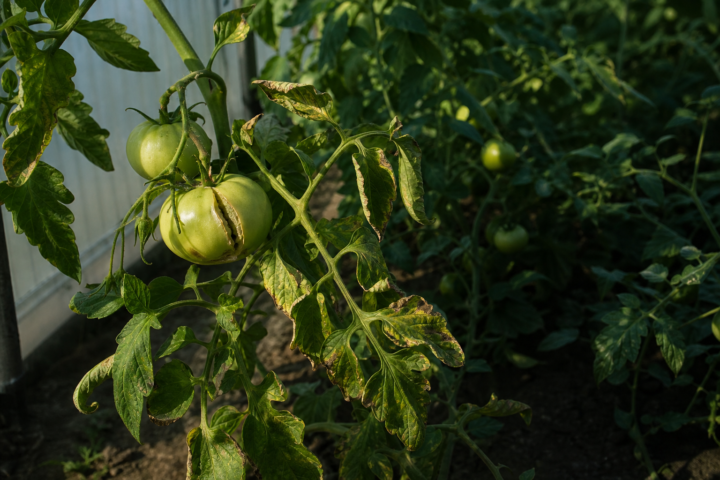
A hőmérséklet-ingadozás okozta stressz nem fertőző növénykárosodás, amely akkor alakul ki, amikor a növény rövid időn belül túl meleg és túl hideg körülmények, illetve…
Details