
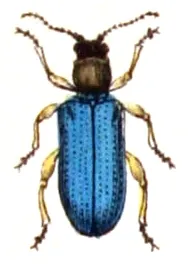
Pest
Cereal leaf beetle
Oulema melanopusCereal leaf beetle, Oulema melanopus, is an occasional-to-serious pest of wheat, oats, barley, rye and other grasses in many regions of the United States.…
DetailsDetailed profiles of common plant diseases, pests, nutrient deficiencies and environmental problems.
Cereal leaf beetle, Oulema melanopus, is an occasional-to-serious pest of wheat, oats, barley, rye and other grasses in many regions of the United States.…
Details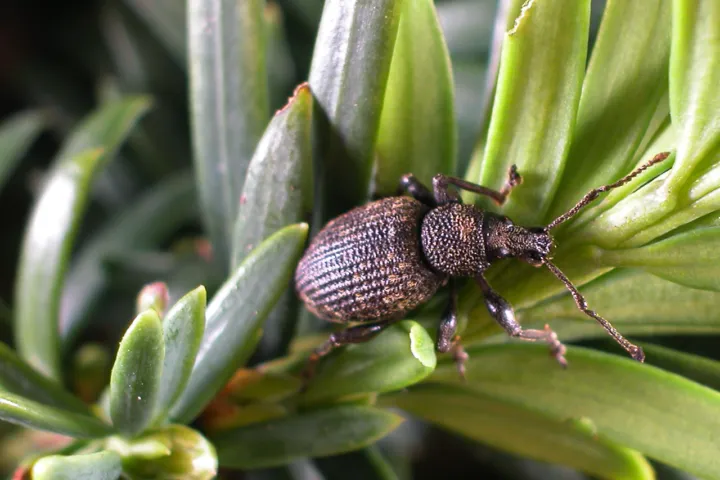
Black vine weevil is a flightless, night-active root weevil that attacks many ornamental plants, nursery crops, berries and some vines in the United States.…
Details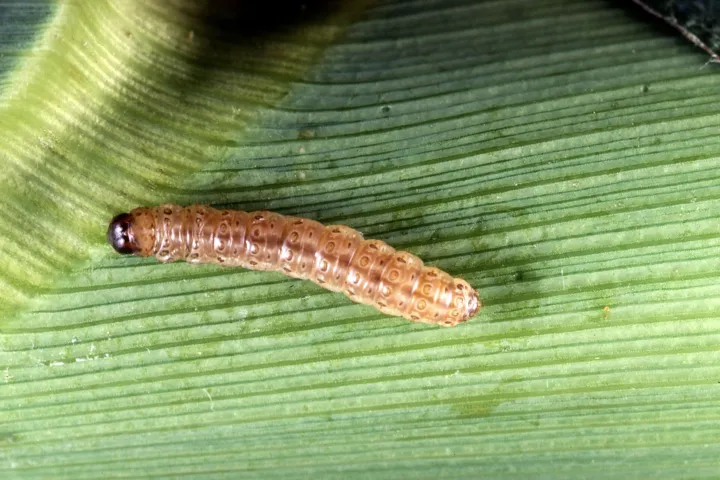
The European corn borer is a moth whose larvae tunnel into corn stalks, ears and cobs, weakening plants and causing lodging, ear damage and…
Details
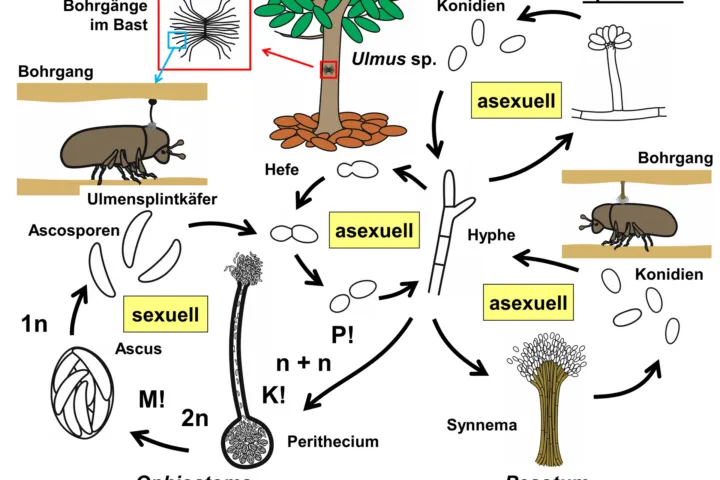
Dutch elm disease caused by Ophiostoma novo-ulmi is a destructive vascular wilt of elm trees in the United States. Leaves may yellow, wilt, brown,…
Details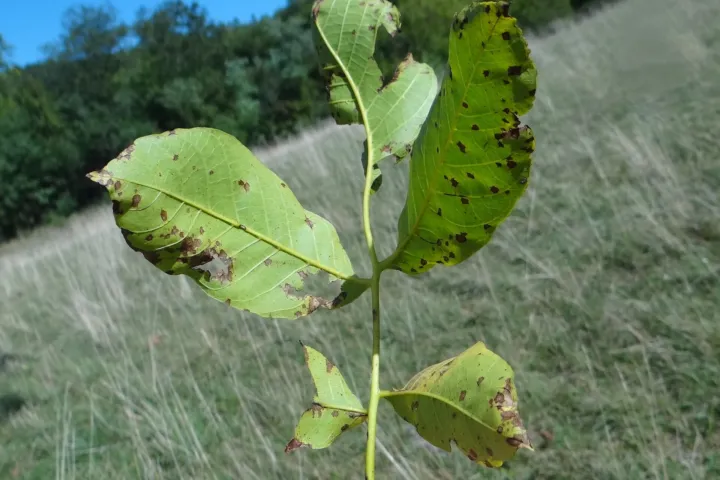
Walnut anthracnose, also called walnut leaf blotch or walnut black spot, is a fungal disease caused by Ophiognomonia leptostyla and its asexual stage traditionally…
Details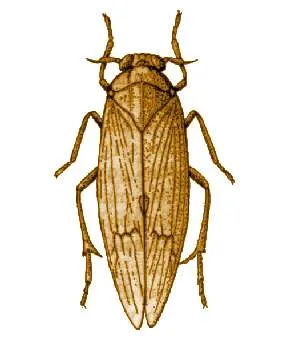
The brown planthopper, Nilaparvata lugens, is a highly specialized phloem-feeding pest of rice. Nymphs and adults gather near the base of rice tillers, removing…
Details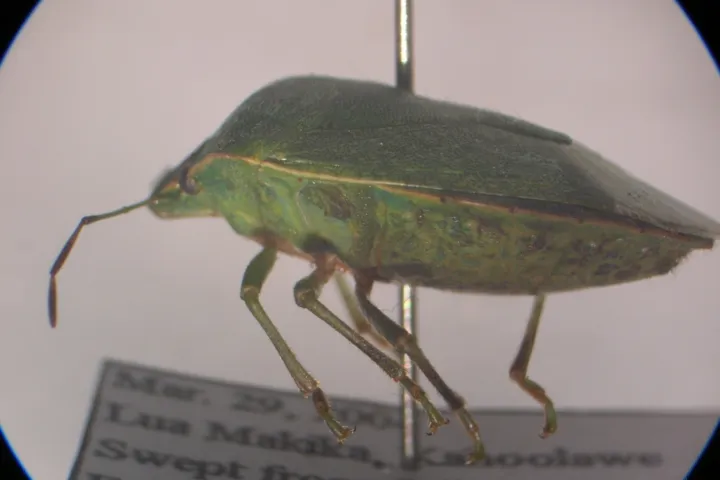
The southern green stink bug, Nezara viridula, is a shield-shaped, piercing-sucking insect pest found mainly across the southern United States and other warm regions.…
Details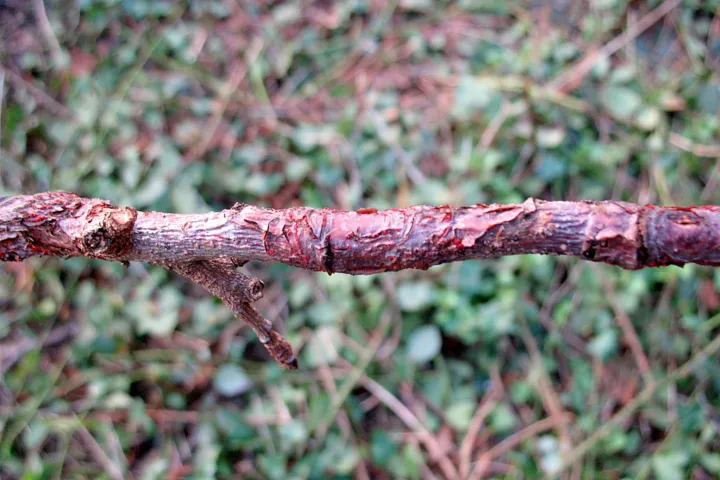
European apple canker is a fungal disease caused by Neonectria ditissima, most important on apple and other pome fruits. It enters through pruning cuts,…
Details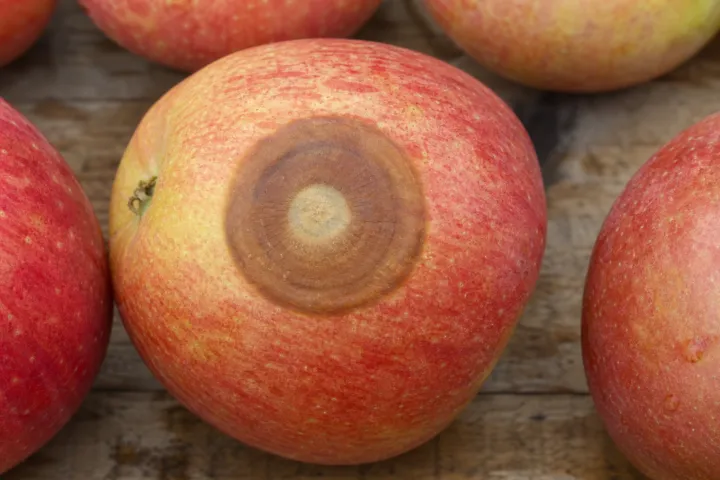
Neofabraea perennans is a fungal pathogen associated with bull’s-eye rot of stored apples and pears and with perennial cankers on pome-fruit trees. Infections commonly…
Details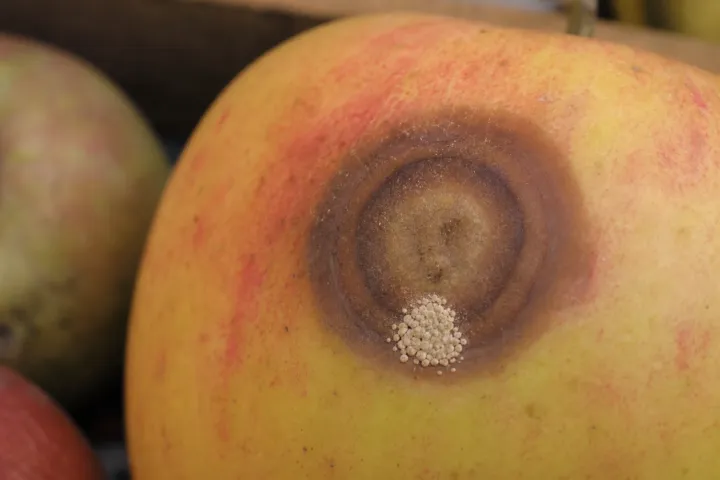
Neofabraea alba is a fungus associated with bull’s-eye rot, a mainly postharvest disease of apples and pears. Fruit may be infected in the orchard…
Details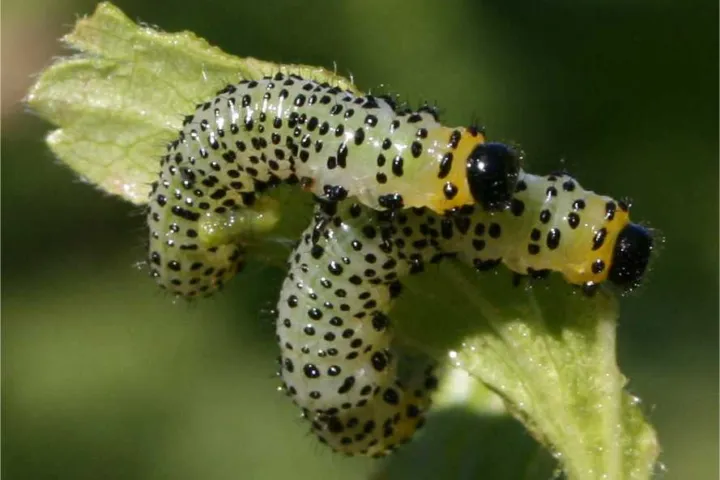
Imported currantworm, Nematus ribesii, is a sawfly pest of currants and gooseberries in the genus Ribes. Its green larvae, marked with dark spots, often…
Details