
 Source:
 Notocactus ‘Ottonis’ short overview
Notocactus 'Ottonis' is a compact, ribbed ball cactus from the grasslands of southern Brazil, Uruguay, Paraguay, and northeastern Argentina. Its green body carries pale radial spines and occasional darker central spines, while mature plants can produce offsets from the base. Bright yellow flowers may appear when the plant is still young, especially after a sunny growing season. Grow it in sharply drained cactus soil, water during active growth, and keep it nearly dry in winter.
Taxonomic classification
Notocactus ‘Ottonis’ care guide
Light and placement
Provide several hours of direct sun, ideally from a south- or east-facing window, greenhouse bench, or gradually acclimated patio position. Bright filtered light is suitable during the hottest part of summer. Too little light causes pale color, weak elongation, and poor flowering; sudden intense sun can scorch the epidermis, so acclimate plants over one to two weeks.
Watering and humidity
Water thoroughly when the mix is fully dry, then allow excess water to drain completely. During spring and summer, the interval may be roughly every 10–21 days depending on heat, pot size, and airflow. Reduce sharply in fall and keep nearly dry in a cool winter rest. Never water cold, dormant plants in persistently damp soil.
Soil and growing medium
Use a porous cactus mix with substantial pumice, perlite, coarse sand, or other mineral material. The container must drain freely and should not sit in a saucer of water. A slightly acidic to neutral reaction is suitable; avoid dense, organic, moisture-retentive soil that stays wet around the roots.
Feeding
Feed only during active growth, generally from late spring through summer. Use a balanced or cactus fertilizer diluted to about one-quarter to one-half label strength every four to six weeks after watering. Do not fertilize dry, dormant, recently repotted, diseased, or cold-stressed plants, and stop feeding before the winter rest.
Growth and habit
This cactus is usually solitary when young and can become clustered as basal offsets develop. Keep the crown exposed, maintain strong airflow, and rotate containers periodically for even growth. A cool, bright, dry winter rest helps prevent weak elongation and supports flowering the following season.
Planting and repotting
Plant outdoors only after frost risk has passed and nights are reliably mild. Set the root collar at the same depth as before and avoid burying the body. Allow generous drainage around the root zone; in containers, leave a small gap below the rim so water cannot collect against the stem.
Repot in spring or early summer when growth is beginning, using fresh dry cactus mix and a pot only slightly larger than the root ball. Let any damaged roots dry and callus before watering. Handle with thick gloves or folded paper because the spines are easily caught in skin.
Propagation and pruning
Propagation
Separate offsets in spring or early summer once they have developed a firm base. Allow cut surfaces to callus before placing them on barely moist, gritty mix. Seed propagation is also possible, but seedlings require more time and careful moisture management.
Pruning
No routine pruning is needed. Remove dead flowers or damaged offsets with sterile tools only after the tissue is dry. Do not cut healthy ribs or spines; reshape crowded clumps by removing offsets for propagation rather than cutting the main body.
Overwintering
Keep it bright, cool, and almost dry in winter. A protected location around 45–55°F is useful where available, provided the plant remains dry. In colder parts of the United States, overwinter indoors or in a frost-free greenhouse. Avoid placing it against a cold, wet window or near a heat source that causes weak growth.
Uses
Primarily an ornamental collector’s cactus for windowsills, greenhouses, patios, dish gardens, and dry rock-garden displays in suitable climates. Its compact form and yellow flowers make it useful in small containers. It has no well-supported culinary or medicinal use for this exact identity.
Appearance
The plant forms a flattened to globular green stem with about 10–12 broad, rounded ribs. Areoles carry numerous slender pale radial spines and a smaller number of stronger darker central spines. The body may become more elongated with age and can produce offsets, sometimes from low on the stem or near the root zone.
Flowering
The flowers are bright yellow and arise near the crown, often appearing on relatively young plants after a strong growing season. Flowering is most dependable when the cactus receives abundant light, a cooler dry rest in winter, and steady but restrained spring and summer growth.
Pollination and visitors
The open yellow flowers are compatible with insect visitation, but reliable species-specific pollinator records for this exact horticultural identity were not located. In cultivation, occasional small flying insects may visit flowers; attraction is best described as low rather than assumed to be high.
Notocactus 'Ottonis' photos
Click any photo for a larger view. Source, author and license are shown separately.
Diseases and pests
Diseases
Root and stem rot are the principal concerns, usually caused by wet soil, poor drainage, or watering during cold conditions. Remove affected tissue, let wounds dry, and replace contaminated wet mix. Good airflow and careful watering reduce fungal problems; persistent lesions or collapse warrant isolation and disposal of badly affected material.
Pests
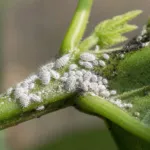
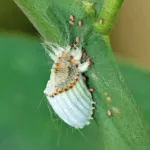
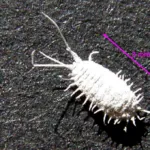
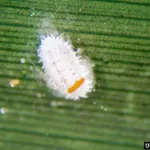
Watch for mealybugs, scale, and spider mites, especially on stressed plants or in crowded collections. Inspect areoles and the root collar regularly. Remove small infestations with a cotton swab and appropriate insecticidal treatment; isolate affected plants and avoid repeated harsh sprays in hot direct sun.
Related diseases and pests
Only Plant Doctor profiles whose host data indicate this plant may be affected are shown here.
Toxicity and pollen
No authoritative evidence was located indicating intrinsic poisonous compounds in this exact taxon. The practical hazards are mechanical: glochids are not typical, but stiff spines can puncture skin and may cause eye injury. Keep away from children and pets that may chew or knock over the plant.
- Typical season
- During flowering, typically May–June in much of the United States
- Pollination / pollen
- Flower pollen presented to insect visitors
This is an insect-pollinated cactus with pollen presented in the flowers rather than released as a large airborne cloud. No plant-specific allergy studies were located, so individual sensitivity cannot be ruled out; the likely household airborne-pollen exposure is low and brief during flowering.
Native habitat
The species is associated with subtropical grasslands and open, seasonally dry landscapes in southern Brazil, Uruguay, southern Paraguay, and northeastern Argentina. It grows in exposed sites where drainage is rapid but seasonal rainfall can be substantial, explaining its need for thorough summer watering followed by drying and a drier winter period.
Interesting fact
The name honors Friedrich Christoph Otto, a nineteenth-century botanist and horticulturalist associated with the Berlin Botanic Garden. The plant was first described under Cactus, and later treatments moved it among Echinocactus, Notocactus, and Parodia. In cultivation it can flower while still small and may develop basal offsets as it matures.
Frequently asked questions (FAQ)
The most relevant questions about this plant, with short and direct answers.
🌱Quick care
How do you care for Notocactus 'Ottonis'?⌄
Give Notocactus 'Ottonis' full sun to bright filtered light, use a porous cactus mix, and water only after the soil has dried completely. Reduce watering substantially in winter and protect it from freezing temperatures.
How often should you water Notocactus 'Ottonis'?⌄
Water Notocactus 'Ottonis' thoroughly, then wait until the potting mix is completely dry before watering again. The interval may range from about 1–3 weeks during active growth and much longer in winter, depending on light, temperature, and pot size.
How much light does Notocactus 'Ottonis' need indoors?⌄
Place Notocactus 'Ottonis' near a bright south-, east-, or west-facing window, or provide bright filtered light. Acclimate it gradually to strong direct sun to reduce the risk of sunburn.
Is Notocactus 'Ottonis' easy to grow?⌄
Yes, Notocactus 'Ottonis' is generally an adaptable, beginner-friendly cactus when kept in bright light and fast-draining soil. Overwatering, poor drainage, and insufficient winter light are the most common causes of problems.
🌤️Environment and placement
Can Notocactus 'Ottonis' grow outdoors in the United States?⌄
Notocactus 'Ottonis' can grow outdoors in warm, dry locations when protected from prolonged rain and freezing temperatures. In colder USDA zones, grow it in a container so it can be moved indoors before frost.
What temperature is best for Notocactus 'Ottonis'?⌄
Notocactus 'Ottonis' grows well at typical indoor temperatures and benefits from a cooler, dry winter rest. Protect it from freezing; exact cold tolerance is uncertain for plants sold under this cultivar name.
Can Notocactus 'Ottonis' tolerate humidity?⌄
Notocactus 'Ottonis' can tolerate ordinary household humidity if air circulation is good and the soil drains quickly. Avoid consistently damp conditions, especially when temperatures are cool.
Should Notocactus 'Ottonis' be in full sun or partial shade?⌄
Full sun is suitable for Notocactus 'Ottonis' after gradual acclimation, while bright filtered light is safer behind glass or during intense summer heat. Provide some afternoon protection if the plant shows bleaching or scorch marks.
💧Care and problems
Why is my Notocactus 'Ottonis' turning soft?⌄
A soft Notocactus 'Ottonis' often indicates overwatering, root damage, or rot rather than thirst. Remove it from wet soil, inspect the roots and base, and cut away any dark, mushy tissue before allowing healthy tissue to dry.
Why is Notocactus 'Ottonis' turning yellow?⌄
Yellowing can result from overwatering, root stress, sun exposure, or normal aging of lower tissue. Check the roots and potting mix first, because persistent wet soil is a common and serious warning sign.
Why is my Notocactus 'Ottonis' stretching?⌄
Stretching or leaning usually means Notocactus 'Ottonis' is not receiving enough light. Move it gradually to a brighter location, but do not expect already elongated growth to return to its original shape.
How do you fertilize Notocactus 'Ottonis'?⌄
Feed Notocactus 'Ottonis' sparingly during spring and summer with a diluted cactus fertilizer. Do not fertilize dry, stressed, newly repotted, or dormant plants, and avoid heavy nitrogen applications that encourage weak growth.
Does Notocactus 'Ottonis' need a winter rest?⌄
A cool, bright, mostly dry winter rest helps Notocactus 'Ottonis' maintain compact growth and may support flowering. Water only lightly or not at all while the plant is cool and inactive, depending on indoor conditions.
What pests attack Notocactus 'Ottonis'?⌄
Mealybugs, scale, and spider mites can affect Notocactus 'Ottonis', especially on stressed plants or in crowded collections. Inspect the areoles, spines, and roots regularly and isolate affected plants promptly.
🪴Planting and repotting
What soil is best for Notocactus 'Ottonis'?⌄
Use a porous, sharply drained cactus mix for Notocactus 'Ottonis', ideally amended with plenty of pumice, perlite, coarse sand, or another mineral component. The container must have a drainage hole and should not retain water after irrigation.
What type of pot is best for Notocactus 'Ottonis'?⌄
Choose a pot with a drainage hole that is only slightly larger than the root system of Notocactus 'Ottonis'. Unglazed clay can help the mix dry faster, while plastic is acceptable if watering is adjusted carefully.
When should you repot Notocactus 'Ottonis'?⌄
Repot Notocactus 'Ottonis' in spring or early summer when the plant is beginning active growth. Repot sooner if the soil stays wet, roots are crowded, or the mix has broken down.
How do you repot Notocactus 'Ottonis' safely?⌄
Let the soil dry, remove the cactus with thick gloves or folded newspaper, and inspect the roots before placing it in fresh dry mix. Wait several days before watering so any damaged roots can heal.
Can Notocactus 'Ottonis' grow in a shallow pot?⌄
Yes, Notocactus 'Ottonis' can grow in a shallow pot if it has enough room for the roots and excellent drainage. Avoid oversized containers because excess soil stays wet longer and increases rot risk.
✂️Propagation and pruning
How do you propagate Notocactus 'Ottonis' from offsets?⌄
Separate a well-developed offset from Notocactus 'Ottonis' with a clean tool, allow the cut surface to callus, and plant it in dry, gritty mix. Begin light watering only after roots have had time to form.
Can Notocactus 'Ottonis' be grown from seed?⌄
Yes, Notocactus 'Ottonis' can be propagated from seed, although seedlings develop more slowly than offsets. Sow fresh seed on a sterile, well-drained medium and maintain light moisture, warmth, and ventilation until germination.
Does Notocactus 'Ottonis' produce pups?⌄
Notocactus 'Ottonis' may produce offsets from the base as it matures, although the amount of clumping varies between plants. Pups can be left attached for a fuller group or removed for propagation.
Can you prune Notocactus 'Ottonis'?⌄
Routine pruning is not needed for Notocactus 'Ottonis'. Remove only dead tissue, damaged offsets, or rotten areas with a sterile blade, and allow wounds to dry before replanting.
⚠️Toxicity and safety
Is Notocactus 'Ottonis' toxic to cats and dogs?⌄
Intrinsic toxicity for Notocactus 'Ottonis' is not well established, so it is safest to keep it away from pets and children. Its spines can cause painful mechanical injury, and swallowed plant material may cause irritation or digestive upset.
Are the spines of Notocactus 'Ottonis' dangerous?⌄
The spines of Notocactus 'Ottonis' can puncture skin and cause painful injuries, especially during repotting. Handle it with thick gloves, folded cardboard, or cactus tongs rather than bare hands.
Can Notocactus 'Ottonis' be kept in a home with children?⌄
Notocactus 'Ottonis' can be grown indoors, but place it where children cannot brush against or pull at the spines. A stable, elevated location away from walkways is safer than a low shelf.
🌸Flowering and special interest
Does Notocactus 'Ottonis' flower indoors?⌄
Yes, mature Notocactus 'Ottonis' can flower indoors when it receives strong light, active summer growth, and a cooler, drier winter rest. Plants may fail to bloom if they are too young, shaded, overwatered, or kept warm and dim in winter.
What color are the flowers of Notocactus 'Ottonis'?⌄
Notocactus 'Ottonis' is commonly associated with yellow to yellow-orange flowers, but flower color can vary among forms sold under this name. A plant’s exact cultivar identity should be confirmed if flower color is important.
When does Notocactus 'Ottonis' bloom?⌄
Notocactus 'Ottonis' typically blooms during the warmer growing season, often in late spring or summer. Timing depends on light, winter rest, plant maturity, and local conditions.
Why is my Notocactus 'Ottonis' not flowering?⌄
Insufficient light, lack of a cool dry winter rest, immaturity, or excessive nitrogen can prevent Notocactus 'Ottonis' from flowering. Keep it brighter during growth and drier and cooler during winter, while avoiding freezing temperatures.
Similar plants
 Azure Monkshood (Aconitum carmichaelii) care guideAconitum carmichaelii
 Monkshood (Aconitum ‘Stainless Steel’)Aconitum 'Stainless Steel'
 Monkshood (Aconitum ‘Bressingham Spire’)Aconitum 'Bressingham Spire'
 Golden full moon maple (Acer shirasawanum ‘Aureum’)Acer shirasawanum 'Aureum'
 Globosum (Acer platanoides ‘Globosum’)Acer platanoides 'Globosum'
 Striped maple (Acer pensylvanicum) care guideAcer pensylvanicum