
 Source:
 Honeysuckle fuchsia (Fuchsia triphylla) short overview
Honeysuckle fuchsia, Fuchsia triphylla, is a tender Caribbean shrub valued for its unusual whorled leaves and long, pendant tubular flowers in warm red-orange to red-purple tones. Native to Hispaniola, it prefers fertile, humus-rich soil, steady moisture, and protection from strong sun. In the United States it is usually grown in containers or as a seasonal bedding plant, then cut back and overwintered indoors before frost.
Taxonomic classification
Honeysuckle fuchsia (Fuchsia triphylla) care guide
Light and placement
Provide bright filtered light, partial shade, or open shade. Morning sun is usually safer than hot afternoon exposure, particularly in containers. Too much direct heat can scorch leaves, cause wilting, and shorten flowering; too little light produces elongated weak growth and fewer flowers. Turn indoor pots periodically for even growth, and acclimate outdoor plants gradually.
Watering and humidity
Keep the root zone evenly moist but never saturated. Water thoroughly when the surface begins to dry, allowing excess to drain completely; do not let containers stand in water. Water more often during warm active growth and less during cool winter rest, while preventing the root ball from drying completely. Humidity helps indoors, but airflow remains important.
Soil and growing medium
Use a fertile, humus-rich, well-drained potting mix that retains even moisture without becoming waterlogged. A peat-free multipurpose mix amended with compost or fine bark is suitable. Slightly acidic to neutral conditions, approximately pH 6.0–7.0, are appropriate. Improve drainage before planting rather than relying on frequent corrective watering.
Feeding
Feed during active growth with a balanced liquid fertilizer diluted according to the product label, typically every two to four weeks. Water the plant first if the mix is dry. Reduce or stop feeding during cool winter rest and after hard pruning until new growth resumes.
Growth and habit
This species forms a branching shrub with soft, flexible growth and flowers on new shoots. It responds well to regular pinching or pruning, which encourages branching and keeps container plants compact. Growth slows markedly in cool conditions and may die back after a hard freeze.
Planting and repotting
Plant or move outdoors after the last expected frost, when nights are reliably mild. Set the root ball level with the surrounding soil and water thoroughly. Space plants according to the mature size of the selected form; because exact species dimensions vary in cultivation, avoid crowding and allow good air movement.
Repot in spring when new growth begins, moving the plant into only the next pot size. Refresh compacted mix, preserve the root ball, and provide drainage holes. Container-grown plants can be shifted outdoors after frost danger has passed, but acclimate them gradually to brighter conditions.
Propagation and pruning
Propagation
Take stem cuttings in late summer before bringing the plant indoors, using clean, non-flowering shoots and a moist, free-draining medium. Seed propagation is possible but less predictable and slower. Root cuttings under bright indirect light with high humidity, then gradually acclimate rooted plants.
Pruning
Prune lightly during active growth to maintain a balanced shape and encourage branching. In fall, cut back spent or weak growth before indoor overwintering. Plants damaged by cold can be cut to healthy tissue or near the base once the extent of injury is clear.
Overwintering
Before frost, move container plants indoors to a cool, bright location or a dark, cool dormant space after cutting them back. Reduce watering substantially during dormancy but do not let the roots become bone-dry. Resume brighter light, watering, and feeding gradually in late winter or spring as new growth appears.
Uses
Primarily an ornamental shrub for containers, hanging displays, shaded patios, conservatories, and frost-free gardens. It is also an important parent of Triphylla-group fuchsias. Kew records food use for the species, but culinary identification and preparation should be verified locally before consumption.
Appearance
The plant has branching stems and leaves commonly arranged in whorls of three, a feature reflected in the epithet triphylla. Leaf undersides may show bronze or maroon coloration. The flowers hang from the stems as elongated tubes, with warm red-orange to red-purple coloring and conspicuous stamens.
Flowering
The flowers are long, narrow, pendant tubes with contrasting warm-colored floral parts and prominent stamens. Bloom is produced on new growth and may continue from spring into autumn under warm, frost-free conditions. In cooler US climates, flowering is usually seasonal and ends when frost or cold temperatures stop growth.
Pollination and visitors
Reliable species-specific records for animal visitors were not located in the reviewed sources, so no pollinator group is assigned. The pendant tubular flowers may be visited by animals in cultivation, but that broader inference is not sufficient for a documented species profile.
Fuchsia triphylla photos
Click any photo for a larger view. Source, author and license are shown separately.
Diseases and pests
Diseases
Good air circulation and careful watering help prevent grey mould and other moisture-related problems. Fuchsia rust and honey fungus are reported risks, though serious disease problems are not consistently documented for this species. Remove badly affected foliage and avoid wetting leaves overnight.
Pests
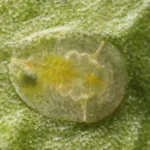
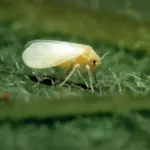
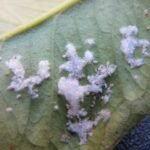
Whiteflies may become troublesome, especially on stressed indoor or greenhouse plants. Inspect leaf undersides regularly, isolate infested plants, and use gentle washing or a labeled insect-control product as needed. Avoid overfertilizing, which can produce soft growth attractive to pests.
Related diseases and pests
Only Plant Doctor profiles whose host data indicate this plant may be affected are shown here.

Toxicity and pollen
ASPCA lists Fuchsia triphylla as non-toxic to dogs and cats. Avoid treating this as a guarantee of complete safety: plant material can still cause minor stomach upset if eaten, and pesticides or fertilizers applied to the plant may pose separate risks. Do not use the plant medicinally without specialist guidance.
- Typical season
- Spring through fall during flowering
- Pollination / pollen
- Flower pollen, primarily transferred by animal visitors
Fuchsia triphylla is an insect-pollinated flowering plant, but the reviewed sources do not provide a measured airborne-pollen or allergy profile for this exact species. Its pendant flowers are unlikely to release pollen as freely as wind-pollinated plants, yet sensitive individuals should still avoid handling flowers if symptoms occur.
Native habitat
Fuchsia triphylla is native to Hispaniola and occurs in a seasonally dry tropical setting. Cultivated material is also recorded from high-elevation areas of Colombia. In cultivation it performs best with warmth, moisture, fertile soil, and protection from intense afternoon heat.
Interesting fact
The species name triphylla refers to leaves commonly arranged in groups of three. It is one of the foundational species behind the Triphylla group of cultivated fuchsias. Its native range is Hispaniola, comprising Haiti and the Dominican Republic.
Frequently asked questions (FAQ)
The most relevant questions about this plant, with short and direct answers.
🌱Quick care
How do you care for honeysuckle fuchsia, Fuchsia triphylla?⌄
Give honeysuckle fuchsia bright filtered light or shade, evenly moist soil, and a fertile, humus-rich potting mix that drains well. Protect it from frost and harsh afternoon sun.
Is Fuchsia triphylla an indoor or outdoor plant?⌄
Fuchsia triphylla can grow outdoors in warm, frost-free areas and indoors as a container plant. In most of the United States, grow it in a pot so it can be moved indoors before freezing weather.
How much light does honeysuckle fuchsia need?⌄
Honeysuckle fuchsia prefers bright filtered light, partial shade, or shade. Protect it from hot, direct afternoon sun, which can stress the foliage and reduce flowering.
How often should you water Fuchsia triphylla?⌄
Water Fuchsia triphylla whenever the potting mix begins to dry, keeping it evenly moist but not waterlogged. Containers may need frequent checks during hot or windy weather.
🌤️Environment and placement
Can honeysuckle fuchsia grow in full shade?⌄
Honeysuckle fuchsia can tolerate shade, but it generally flowers better with bright filtered light or some gentle morning sun. Very dark conditions may produce weaker growth and fewer flowers.
What temperature does Fuchsia triphylla prefer?⌄
Fuchsia triphylla grows best in mild, cool-to-warm conditions rather than extreme heat. It is frost tender, so bring containers indoors before temperatures approach freezing.
What USDA hardiness zone is honeysuckle fuchsia?⌄
Honeysuckle fuchsia is generally treated as a frost-tender perennial for USDA Zones 10–11. Elsewhere in the United States, it is commonly grown as a seasonal annual or overwintered in a container.
Can Fuchsia triphylla tolerate summer heat?⌄
Fuchsia triphylla may tolerate moderate warmth, but prolonged heat can reduce flowering and cause foliage stress. Provide shade, consistent moisture, good airflow, and protection from reflected afternoon heat.
Can honeysuckle fuchsia grow in a hanging basket?⌄
Yes, honeysuckle fuchsia can grow in a hanging basket or other container. Use a lightweight, well-drained mix and monitor moisture closely because baskets dry out faster than garden soil.
💧Care and problems
Why are the leaves of my Fuchsia triphylla turning yellow?⌄
Yellow leaves can result from overwatering, poor drainage, low light, or natural aging. Check that the container drains freely and keep the mix moist rather than constantly saturated.
Why is my honeysuckle fuchsia dropping leaves?⌄
Leaf drop is commonly associated with drought stress, temperature extremes, frost, sudden changes in light, or waterlogged roots. Move the plant to a sheltered location and correct the moisture problem gradually.
What pests attack Fuchsia triphylla?⌄
Whiteflies can be a problem on Fuchsia triphylla, and fuchsias may also attract spider mites or other sap-feeding pests. Inspect leaf undersides regularly and isolate affected plants while treating the infestation.
Why is my honeysuckle fuchsia not flowering?⌄
Insufficient light, excessive heat, drought, overfertilizing, or severe pruning can reduce flowering. Give the plant bright filtered light, even moisture, and a long growing season without exposing it to harsh afternoon sun.
🪴Planting and repotting
What soil is best for Fuchsia triphylla?⌄
Use a fertile, humus-rich potting mix that retains moisture while draining well. A quality container mix amended with organic matter is preferable to dense, poorly drained soil.
How do you plant honeysuckle fuchsia in a container?⌄
Choose a container with drainage holes and plant the root ball at the same depth it was growing previously. Fill around it with fertile, well-drained mix, water thoroughly, and place it in bright filtered light or shade.
When should you plant Fuchsia triphylla outdoors?⌄
Plant Fuchsia triphylla outdoors after the danger of frost has passed and nighttime temperatures are consistently mild. In colder regions, keep it in a container so it can be moved indoors in fall.
When should you repot honeysuckle fuchsia?⌄
Repot honeysuckle fuchsia when roots fill the container, growth slows, or the potting mix becomes compacted. Move it into a container only one size larger and refresh the mix without unnecessarily disturbing the roots.
✂️Propagation and pruning
How do you propagate Fuchsia triphylla from cuttings?⌄
Take healthy stem cuttings in late summer or during active growth, remove the lower leaves, and place them in a moist, well-drained rooting medium. Keep the cuttings warm, humid, and in bright indirect light until roots form.
Can you grow honeysuckle fuchsia from seed?⌄
Yes, honeysuckle fuchsia can be propagated from seed, although seedlings may not come true to a selected cultivar. Sow fresh seed in a moist, well-drained medium and provide warmth, light, and consistent moisture.
How should you prune Fuchsia triphylla?⌄
Prune Fuchsia triphylla to remove dead or damaged growth and to encourage a fuller shape. Major pruning is best done near the start of active growth, while light tip-pinching can promote branching during the growing season.
⚠️Toxicity and safety
Is honeysuckle fuchsia toxic to dogs and cats?⌄
Honeysuckle fuchsia is considered non-toxic to dogs and cats. Even non-toxic plants can cause mild stomach upset if eaten in large quantities, so contact a veterinarian if a pet shows concerning symptoms.
🌸Flowering and special interest
When does honeysuckle fuchsia bloom?⌄
Honeysuckle fuchsia can bloom from spring through summer and may continue toward frost when conditions remain favorable. Flowering is strongest with bright filtered light, steady moisture, and protection from excessive heat.
What do Fuchsia triphylla flowers look like?⌄
Fuchsia triphylla produces long, drooping, tubular flowers in red, orange-red, or red-purple shades. The flowers are especially suited to hummingbird-friendly plantings.
Does honeysuckle fuchsia attract hummingbirds?⌄
Yes, the tubular flowers of honeysuckle fuchsia can attract hummingbirds. Place the plant where the flowers are visible and avoid pesticide use that could harm visiting pollinators.
Should you deadhead Fuchsia triphylla?⌄
Deadheading can help maintain a tidy appearance and may support continued flowering by preventing energy from going into seed production. Remove faded flowers and developing fruit selectively if you want to encourage more blooms.
Similar plants
 Saucer Magnolia (Magnolia soulangeana) care guideMagnolia soulangeana
 Magnolia × loebneri ‘Merrill’Magnolia × loebneri 'Merrill'
 Magnolia loebneri care guideMagnolia loebneri
 Sweetbay magnolia (Magnolia virginiana) care guideMagnolia virginiana
 Star magnolia (Magnolia stellata) care guideMagnolia stellata
 Magnolia sprengeri care guideMagnolia sprengeri