
 Source:
 Callianthe megapotamica short overview
Callianthe megapotamica is a graceful Brazilian shrub formerly widely grown under the name Abutilon megapotamicum. Its slender, arching stems carry maple-like green leaves and dangling lantern-shaped flowers with red calyces surrounding golden-yellow petals. In the United States, it performs best as a container, conservatory, patio, or sheltered landscape plant, with protection from freezing temperatures and regular moisture during active growth.
Taxonomic classification
Callianthe megapotamica care guide
Light and placement
Provide full sun to partial shade, with morning sun and afternoon protection especially useful in hot summer climates. Indoors, place near a bright east- or south-facing window with filtered midday light. Too little light produces weak, elongated stems and fewer flowers; harsh reflected heat or sudden intense sun may scorch leaves.
Watering and humidity
Water thoroughly when the upper inch of the medium begins to dry, then allow excess water to drain. Keep the root zone evenly moist during active growth, reducing frequency in cool winter conditions while avoiding complete desiccation. Moderate to high humidity helps indoors, but leave space around the foliage for air movement.
Soil and growing medium
Use a fertile, moisture-retentive but well-drained mix with good organic content. A loam-based container medium amended with compost or leaf mold works well, provided excess water drains freely. Slightly acidic to neutral conditions are suitable; avoid persistently waterlogged or heavily compacted soil.
Feeding
Feed during spring and summer when the plant is actively producing shoots and flowers. Use a balanced, water-soluble fertilizer at half strength every 2–4 weeks, or apply a controlled-release product according to its label. Do not fertilize dry, wilted, recently repotted, or dormant plants; flush the container periodically to limit salt buildup.
Growth and habit
This is a fast-growing, lax, arching shrub with slender woody stems. It can become leggy in insufficient light, so periodic tip pruning helps maintain branching and a fuller display. Support or wall training is useful where the naturally scrambling habit needs direction.
Planting and repotting
Plant outdoors after the last expected spring frost when nights are reliably mild. Set at the same depth as the root ball, allow room for broad arching growth, and water thoroughly after planting. In cooler regions, use a container so the plant can be moved indoors before autumn freezes.
Repot container plants every 1–2 years in spring, or when roots have filled the pot. Move up only one pot size, refresh the growing medium, and provide drainage holes. Root disturbance is best followed by bright filtered light and evenly moist soil while the plant re-establishes.
Propagation and pruning
Propagation
Stem cuttings are the practical method: take healthy, non-flowering tip cuttings during active growth, remove lower leaves, and root in a sterile, lightly moist medium under bright indirect light. Seed propagation is possible but less uniform and may not preserve cultivar traits. Keep cuttings evenly moist without saturation.
Pruning
Prune in late winter or early spring before strong new growth begins. Shorten excessively long or crossing stems and remove weak growth to encourage branching. Up to roughly one-third to two-fifths of the plant may be reduced when necessary. Pinch growing tips during the season and remove spent flowers to improve presentation.
Overwintering
Before the first hard freeze, move container plants indoors to a bright, cool-to-moderate location. Reduce watering during winter but do not let the root ball become bone dry. Check regularly for spider mites and scale, and prune or reshape in late winter before returning the plant outdoors gradually in spring.
Uses
Use it as a patio container specimen, hanging-basket plant, conservatory shrub, greenhouse subject, or protected border plant in warm climates. Its pendulous flowers make it effective against a wall or on a support. It is valued ornamentally rather than as a food or medicinal plant; no edible use is recommended.
Appearance
The plant has slender woody stems, a lax arching habit, and simple medium-green leaves. Leaves are triangular to ovate, often heart-based, pointed, finely hairy, and serrated. The most distinctive feature is the pendant flower: a red inflated calyx surrounds yellow petals, producing a lantern-like appearance.
Flowering
The flowers are solitary and pendulous, appearing from leaf axils on new and older growth. Each lantern-like bloom has an inflated red calyx and a yellow corolla, with the staminal and stigmatic column projecting beyond the petals. Flowering can continue from late spring or summer into fall, often until the first frost in suitable climates.
Pollination and visitors
Horticultural references report visits from bees, butterflies, and hummingbirds. The pendulous, colorful flowers provide accessible ornamental nectar resources, but species-level pollinator studies were not located in this review.
Callianthe megapotamica photos
Click any photo for a larger view. Source, author and license are shown separately.
Diseases and pests
Diseases
Avoid prolonged wet foliage and improve air circulation to reduce disease pressure. Abutilon relatives may be affected by viruses, including mosaic symptoms, and occasionally by root or stem problems in poorly drained soil. Remove badly affected growth, sterilize cutting tools, and discard severely diseased plants rather than propagating from them.
Pests
Inspect leaf undersides and tender shoots for whiteflies, spider mites, mealybugs, and scale. Reduce stress with consistent watering, adequate humidity, and airflow. Remove small infestations by hand or with a water spray; use insecticidal soap or horticultural oil according to the product label, testing first on a small area.
Related diseases and pests
Only Plant Doctor profiles whose host data indicate this plant may be affected are shown here.
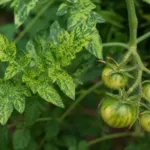 DiseaseTomato mosaic virusTobamovirus tomatotessellati
 DiseaseTobacco mosaic virusTobamovirus tabaci
 DiseasePepino mosaic virusPepino mosaic virus (PepMV)
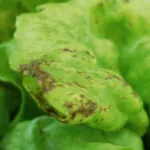 DiseaseLettuce mosaicLettuce mosaic virus
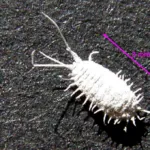 PestObscure mealybugPseudococcus viburni
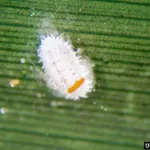 PestCitrus mealybugPlanococcus citri
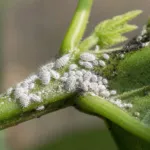 PestCotton mealybugPhenacoccus solenopsis Tinsley
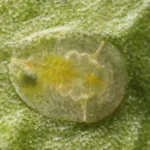 PestCitrus whiteflyDialeurodes citri
Toxicity and pollen
No authoritative source located in this review documents significant toxicity for Callianthe megapotamica to people or pets. That absence is not proof of edibility or complete safety. Avoid ingestion of ornamental plant material, supervise children and pets around unfamiliar plants, and contact a poison-control service if ingestion causes symptoms.
- Typical season
- During flowering, generally late spring through fall in the United States
- Pollination / pollen
- Flower pollen mainly transferred by animal visitors
The flowers are animal-pollinated and are not generally regarded as a major airborne-pollen source. Individual sensitivity cannot be ruled out, and pollen exposure may increase while handling abundant flowers or indoor plants. No species-specific US pollen calendar or allergy study was located.
Native habitat
The species is native to southern Brazil, including Rio Grande do Sul, where it occurs in subtropical environments. It is associated with warm conditions, seasonal moisture, and fertile, well-drained soils. In cultivation it responds best to protection from cold winds and abrupt temperature drops.
Interesting fact
The current accepted name is Callianthe megapotamica, although many horticultural references still use Abutilon megapotamicum. Its flowers resemble dangling Chinese lanterns because the inflated red calyx remains conspicuous around the yellow corolla. The species was introduced into horticulture in the nineteenth century and can be trained against a warm wall or support.
Frequently asked questions (FAQ)
The most relevant questions about this plant, with short and direct answers.
🌱Quick care
What is Callianthe megapotamica?⌄
Callianthe megapotamica is a fast-growing, arching or scrambling flowering shrub in the Malvaceae family, native to southern Brazil. It is also widely sold under the former name Abutilon megapotamicum and is valued for its pendant, lantern-like flowers.
What light does Callianthe megapotamica need?⌄
Give Callianthe megapotamica full sun to partial shade, with about 6 or more hours of direct sunlight for the heaviest flowering. In very hot climates, afternoon shade can help reduce leaf scorch and water stress.
How often should I water Callianthe megapotamica?⌄
Water Callianthe megapotamica whenever the soil surface begins to dry, keeping the root zone evenly moist but never waterlogged. Container plants may need water more often during hot, sunny weather.
Is Callianthe megapotamica frost hardy?⌄
No, Callianthe megapotamica is frost-tender and should be protected whenever temperatures approach freezing. In colder parts of the United States, grow it in a container and move it indoors before the first frost.
What is the former name of Callianthe megapotamica?⌄
The former widely used botanical name is Abutilon megapotamicum. Callianthe megapotamica is the accepted name used by current taxonomic references.
🌤️Environment and placement
Can Callianthe megapotamica grow outdoors in the United States?⌄
Callianthe megapotamica can grow outdoors year-round only in mild, frost-free areas of the United States. Elsewhere, treat it as a summer patio plant or overwinter it in a bright, protected space.
Can Callianthe megapotamica grow in a container?⌄
Yes, Callianthe megapotamica grows well in a container, hanging basket, or large patio pot. Choose a container with drainage holes and provide support or room for its arching stems to trail.
How large does Callianthe megapotamica get?⌄
Callianthe megapotamica can reach roughly 5 to 8 feet tall and wide in favorable outdoor conditions, although container plants usually remain smaller. Regular pruning can keep its size and shape manageable.
Is Callianthe megapotamica a shrub or a vine?⌄
Callianthe megapotamica is a woody shrub with arching, scrambling stems rather than a true vine. It can trail over a container or be trained against light support.
What soil is best for Callianthe megapotamica?⌄
Use fertile, organic, well-drained loam that retains some moisture without becoming soggy. A quality potting mix amended with compost is suitable for container culture.
💧Care and problems
Why are the leaves of my Callianthe megapotamica turning yellow?⌄
Yellow leaves commonly indicate overwatering, poor drainage, insufficient light, or normal stress before leaf drop. Check that excess water drains freely and let the upper layer of soil begin to dry between waterings.
Why is Callianthe megapotamica dropping its leaves?⌄
Callianthe megapotamica may drop leaves after cold exposure, sudden changes in light or moisture, drought, or during a seasonal rest period. Move container plants away from cold drafts and maintain steady moisture without saturating the soil.
How should I fertilize Callianthe megapotamica?⌄
Feed Callianthe megapotamica lightly and regularly during active growth with a balanced, complete fertilizer. Reduce or stop fertilizing during winter or whenever the plant is resting.
What pests attack Callianthe megapotamica?⌄
Aphids, whiteflies, spider mites, and scale insects can attack Callianthe megapotamica, especially indoors or under stress. Inspect new growth and leaf undersides regularly, then treat early with water sprays or an appropriate labeled control.
Does Callianthe megapotamica have a virus problem?⌄
Some plants sold as variegated abutilon may show mottled foliage associated with Abutilon mosaic virus rather than true genetic variegation. Avoid propagating visibly diseased plants if you want to reduce the chance of spreading the problem.
🪴Planting and repotting
When should I plant Callianthe megapotamica outdoors?⌄
Plant Callianthe megapotamica outdoors after the danger of frost has passed and nighttime temperatures are reliably mild. Choose a sheltered site and acclimate greenhouse-grown plants gradually to direct sun.
When should I repot Callianthe megapotamica?⌄
Repot Callianthe megapotamica when roots fill the container, growth slows, or water runs quickly through the pot, usually every 1 to 2 years for vigorous plants. Move it into a pot only slightly larger than the current one.
Should Callianthe megapotamica be planted in the ground or kept in a pot?⌄
Keep Callianthe megapotamica in a pot if your area experiences freezing weather or if you need to move it indoors. In frost-free climates with well-drained soil, it can be planted directly in the ground.
✂️Propagation and pruning
How do you propagate Callianthe megapotamica?⌄
Propagate Callianthe megapotamica most reliably from stem cuttings taken during active growth. Place healthy cuttings in a clean, well-drained rooting medium and keep them warm and lightly moist until roots develop.
Can Callianthe megapotamica be grown from seed?⌄
Callianthe megapotamica can produce seed, but stem cuttings are the more commonly recommended method for maintaining desirable plants. Seed-grown plants may vary and can be slower or less predictable than cuttings.
When is the best time to take Callianthe megapotamica cuttings?⌄
Take Callianthe megapotamica cuttings during the growing season when stems are actively producing new growth. Avoid weak, flowering, diseased, or severely woody sections.
How do I prune Callianthe megapotamica?⌄
Prune Callianthe megapotamica in late winter or early spring to control size, remove weak growth, and encourage branching. You can also trim excessively long stems after flowering, but avoid removing all new growth at once.
Should I deadhead Callianthe megapotamica?⌄
Yes, removing spent flowers can improve the plant’s appearance and may encourage continued blooming. Deadhead by cutting just above a healthy leaf or branching point.
⚠️Toxicity and safety
Is Callianthe megapotamica poisonous to people or pets?⌄
No specific toxicity has been documented for Callianthe megapotamica, but it is not considered an edible plant. Keep unfamiliar plant material away from children and pets and seek professional advice if it is swallowed.
🌸Flowering and special interest
When does Callianthe megapotamica bloom?⌄
Callianthe megapotamica commonly blooms from late spring or summer into fall, with the season extending in warm, frost-free conditions. Flowering is usually strongest when the plant receives bright light, steady moisture, and regular feeding.
What do the flowers of Callianthe megapotamica look like?⌄
The flowers are pendant, bell-shaped blooms with yellow to orange petals enclosed by a prominent red or crimson calyx. They hang singly from the leaf axils and give the plant a lantern-like appearance.
Why is my Callianthe megapotamica not flowering?⌄
Poor flowering is often caused by insufficient light, excessive nitrogen, drought stress, cold conditions, or heavy pruning at the wrong time. Move the plant to brighter light, keep moisture even, and avoid high-nitrogen fertilizer.
Does Callianthe megapotamica attract pollinators?⌄
Yes, the flowers of Callianthe megapotamica can attract hummingbirds, bees, and butterflies. Growing it in a sunny, sheltered location generally supports better flowering and wildlife value.
Similar plants
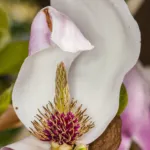 Saucer Magnolia (Magnolia soulangeana) care guideMagnolia soulangeana
 Magnolia × loebneri ‘Merrill’Magnolia × loebneri 'Merrill'
 Magnolia loebneri care guideMagnolia loebneri
 Sweetbay magnolia (Magnolia virginiana) care guideMagnolia virginiana
 Star magnolia (Magnolia stellata) care guideMagnolia stellata
 Magnolia sprengeri care guideMagnolia sprengeri