
 Source:
 Candleholder cactus (Browningia candelaris) short overview
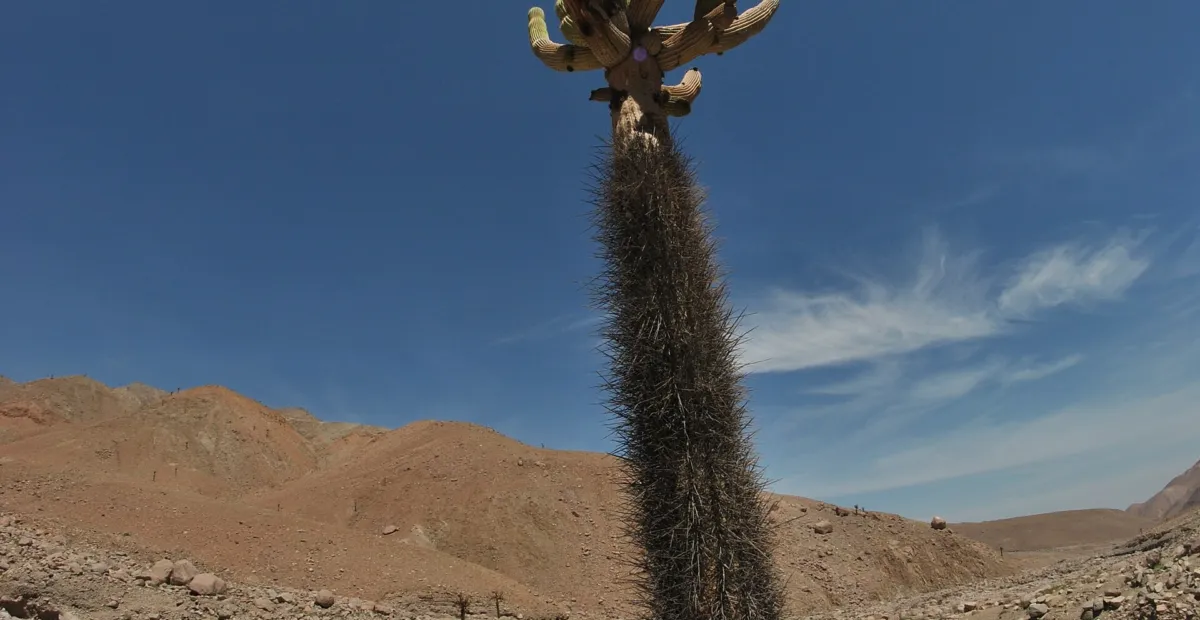
Browningia candelaris, the candleholder cactus, is a rare tree-form columnar cactus native to the high Atacama Desert of Peru and northern Chile. It grows exceptionally slowly, eventually forming a thick, heavily spined trunk topped by an unusual candelabra-like crown. Mature plants produce white, nocturnally opening flowers, but this species is primarily a specialist collector’s plant in the United States and requires intense light, sharply drained soil, careful watering, and complete frost protection.
Taxonomic classification
Candleholder cactus (Browningia candelaris) care guide
Light and placement
Give the strongest available light, ideally unobstructed south or southwest exposure in a greenhouse or frost-free outdoor collection. Acclimate gradually to intense direct sun to prevent scorching. Insufficient light produces weak, elongated growth and poorer crown development; excessive heat behind glass can cause sunburn if airflow is poor.
Watering and humidity
Water thoroughly only after the mix has dried completely, then let excess drain away. During warm active growth, the interval may shorten slightly, but the plant should never sit in a saucer or remain damp in cool weather. Reduce watering sharply in fall and keep the plant nearly dry through winter, especially below 55°F.
Soil and growing medium
Use a very mineral, sharply draining cactus substrate with substantial pumice, grit, lava rock, or coarse sand. Avoid dense peat-heavy mixes that remain wet around the roots. Naturally alkaline or near-neutral rocky soils are most appropriate; container media should drain freely after every watering.
Feeding
Feed only during active warm-season growth, using a balanced cactus fertilizer diluted to about one-quarter to one-half label strength. One or two applications are usually sufficient for a container plant. Do not fertilize a stressed, freshly repotted, dormant, or winter-kept specimen, and avoid high-nitrogen feeding that encourages weak growth.
Growth and habit
This is an exceptionally slow-growing, long-lived cactus. Young plants may remain relatively simple before developing the characteristic thick trunk and branched upper crown. Stable warm conditions, strong light, restrained watering, and patience are more important than frequent repotting or heavy feeding.
Planting and repotting
Plant outdoors only in a frost-free, exceptionally dry site with full sun and rapid drainage. Set the root ball at its original depth and keep the base above any area that collects water. In most of the United States, container culture is safer because the plant must be moved indoors before cold or wet weather.
Repot only when the root system has filled the container or the substrate has degraded. Use a heavy, stable pot for tall specimens, handle the plant with thick protective tools, and repot during warm active growth. Allow damaged roots to dry before watering.
Propagation and pruning
Propagation
Propagation is primarily by seed. Sow fresh seed in a sterile, mineral-leaning cactus medium with warmth, bright light, and careful moisture; seedlings are slow and may show dormancy. Cross-pollination may be required for viable seed because the species is largely self-incompatible. Reliable commercial cutting propagation is not well documented.
Pruning
Little pruning is normally appropriate. Remove only dead, diseased, or dangerously damaged tissue with sterile tools. Do not reshape a healthy crown; cuts on large columnar stems create permanent scars and increase rot risk. Let any wound dry and callus fully before exposure to moisture.
Overwintering
Move containers indoors or into a heated greenhouse before temperatures approach freezing. Keep the plant very bright, dry, and well ventilated during winter. Avoid regular watering in cool conditions; resume gradually only when warmth and active growth return.
Uses
Best suited to specialist cactus collections, heated greenhouses, xeric conservatories, and large frost-free architectural displays. Its rarity, slow growth, mature size, and sharp spines make it unsuitable for casual indoor culture or high-traffic garden beds. Do not claim culinary or medicinal use without separate evidence.
Appearance
The plant has cylindrical, gray-green stems and a strongly tree-like silhouette. Young growth is comparatively simple, while older plants develop a thick, heavily spined trunk and a raised crown of thinner, more upright branches. The contrast between the armored trunk and less-spined upper growth creates its characteristic candleholder appearance.
Flowering
Mature plants produce large, tubular white flowers that open at night. Flowering is associated with the upper crown and warm-season growth, but the timing and regularity of flowering in United States collections are poorly documented. Flowers may be followed by fleshy fruits after successful cross-pollination.
Pollination and visitors
Research documents visits by hummingbirds and several insects, including bees, flies, and a lepidopteran; bat pollination is reported as an important syndrome in Peru, with Platalina genovensium identified as a likely principal pollinator there. The species is largely self-incompatible, so cross-pollination is important for fruit and seed production.
Browningia candelaris photos
Click any photo for a larger view. Source, author and license are shown separately.
Diseases and pests
Diseases
The main risks are root and basal rots caused by persistent moisture, especially in cool conditions. Prevent problems with porous soil, a drainage hole, careful winter dryness, and good airflow. Remove soft or discolored tissue promptly and allow cut surfaces to dry before re-rooting healthy sections.
Pests
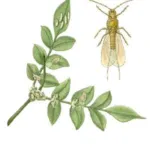
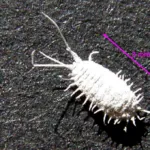
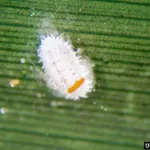
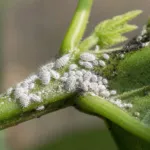
Watch for scale insects, mealybugs, spider mites, and root-feeding pests in containers. Inspect areoles and the crown regularly, isolate affected plants, and remove small infestations with a targeted treatment appropriate for cacti. Avoid routine spraying that leaves the plant wet for long periods.
Related diseases and pests
Only Plant Doctor profiles whose host data indicate this plant may be affected are shown here.
Toxicity and pollen
No authoritative species-specific evidence confirming poisonous compounds in Browningia candelaris was located. The principal documented hazard is mechanical injury from long, rigid spines. Handle with gloves and tools, keep fallen spine fragments away from children and animals, and do not treat the absence of toxicity reports as proof of edibility or complete safety.
- Pollination / pollen
- Animal-dispersed floral pollen
Species-specific airborne pollen and allergy studies were not located. The flowers release pollen during visits by animals, but the practical allergy risk in United States landscapes is unknown rather than demonstrably zero. Avoid handling flowers if irritation occurs and rely on personal symptoms and medical advice for allergy decisions.
Native habitat
Native populations occur in the high, extremely arid Atacama region of Peru and northern Chile, commonly on rocky Andean foothills and dry shrubland. The habitat combines intense sun, porous mineral soils, low rainfall, and large day-night temperature changes. Grazing and habitat disturbance can damage seedlings and regeneration.
Interesting fact
The species is the accepted type species of Browningia. Its trunk-and-crown architecture becomes strongly candelabra-like with age. Field studies found low autonomous seed production and stronger fruiting after cross-pollination. Seeds can show physical dormancy and respond to warm germination conditions.
Frequently asked questions (FAQ)
The most relevant questions about this plant, with short and direct answers.
🌱Quick care
What is Browningia candelaris commonly called?⌄
Browningia candelaris is commonly called the candleholder cactus. It is a columnar cactus in the Cactaceae family, native primarily to Peru and also associated with northern Chile.
How much light does a candleholder cactus need?⌄
Give a candleholder cactus full sun, ideally six or more hours of direct light daily. Acclimate it gradually when moving it from shade or indoor conditions to prevent sunburn.
How often should I water Browningia candelaris?⌄
Water Browningia candelaris only when its soil is completely dry, then soak the mix thoroughly and let excess water drain away. Water much less during cool, dark winter conditions.
Is Browningia candelaris easy to grow?⌄
Browningia candelaris is manageable for experienced cactus growers but can be difficult as a young plant because it grows slowly and is highly vulnerable to excess moisture. Bright light, sharp drainage, and a dry winter rest are essential.
🌤️Environment and placement
Can Browningia candelaris grow indoors?⌄
Browningia candelaris can grow indoors only in a very bright window, sunroom, or greenhouse. A typical low-light room usually produces weak, stretched growth and makes watering problems more likely.
Can I grow candleholder cactus outdoors in the United States?⌄
Grow candleholder cactus outdoors year-round only in warm, dry areas where frost is rare, such as suitable parts of USDA Zones 10–11. In colder regions, keep it in a container and move it indoors before cold weather.
What temperatures can Browningia candelaris tolerate?⌄
Browningia candelaris is frost tender and should be protected from freezing temperatures. Keep it warm and completely dry during cold spells, because cold combined with wet roots greatly increases the risk of rot.
What is the natural habitat of Browningia candelaris?⌄
Browningia candelaris comes from extremely dry desert or dry-shrubland habitats in Peru, with documented distribution extending into northern Chile. Its natural conditions explain its preference for intense light, mineral soil, and low rainfall.
How large does a candleholder cactus get?⌄
A candleholder cactus can eventually become a tree-like, branching cactus several yards tall in suitable outdoor conditions. Container plants generally remain much smaller, especially because the species is slow growing.
💧Care and problems
What soil is best for Browningia candelaris?⌄
Use a predominantly mineral, rocky cactus mix that drains almost immediately. A container blend containing pumice, lava rock, coarse grit, or similar particles is safer than a peat-heavy potting soil.
Why is my Browningia candelaris turning soft or brown at the base?⌄
A soft or brown base most often indicates rot caused by excessive moisture, poor drainage, or cold wet soil. Stop watering, inspect the roots and lower stem, and remove affected tissue only if healthy tissue remains.
Why is my candleholder cactus becoming thin or stretched?⌄
Thin, elongated growth usually means insufficient direct light. Move the plant gradually into stronger sun and avoid suddenly exposing a shade-grown specimen to intense midday light.
Should Browningia candelaris be fertilized?⌄
Fertilize Browningia candelaris sparingly during active growth with a diluted, low-nitrogen cactus fertilizer. Do not fertilize a stressed, recently repotted, dormant, or cold plant.
Does Browningia candelaris need a dry winter rest?⌄
A dry winter rest is beneficial for Browningia candelaris, particularly when temperatures and light levels fall. Keep watering minimal or stop it temporarily, depending on warmth, light, pot size, and the plant’s condition.
🪴Planting and repotting
What type of pot is best for candleholder cactus?⌄
Use a pot with a drainage hole and choose a stable, heavy container as the plant becomes tall and top-heavy. Unglazed clay can help the mix dry faster, while plastic requires especially careful watering.
When should I repot Browningia candelaris?⌄
Repot Browningia candelaris during warm active growth when its roots have filled the container or the soil has degraded. Use only a slightly larger pot and allow any damaged roots to dry before watering.
How deeply should I plant a candleholder cactus?⌄
Plant the candleholder cactus no deeper than it was previously growing, keeping the stem base above the soil line. Deep planting in wet mix can bury vulnerable tissue and encourage rot.
✂️Propagation and pruning
How do you propagate Browningia candelaris from seed?⌄
Propagate Browningia candelaris from seed by sowing on a sterile, sharply draining mix and keeping the seedbed lightly moist with warmth and bright filtered light. Seedlings need careful moisture management and may develop very slowly.
Can Browningia candelaris be propagated from cuttings?⌄
Browningia candelaris can be propagated from stem cuttings when healthy material is available, although the method is less suitable for preserving a single-trunk form. Let the cut surface callus fully before placing the cutting in dry, gritty soil.
Does candleholder cactus grow slowly?⌄
Yes, candleholder cactus is generally a slow-growing cactus, especially from seed. Reaching its mature tree-like form and flowering size can take many years, so rapid growth should not be expected.
Can I prune Browningia candelaris to control its shape?⌄
You can prune Browningia candelaris to remove damaged or unwanted branches, but pruning is not normally needed for routine care. Make clean cuts during warm, dry weather and keep the wound dry while it heals.
⚠️Toxicity and safety
Is Browningia candelaris poisonous to people or pets?⌄
There is no confirmed species-specific poison report for Browningia candelaris in the supplied evidence. Its spines can still cause painful punctures, so handle it with thick gloves and keep it away from children and pets.
How should I handle a candleholder cactus safely?⌄
Handle a candleholder cactus with long tongs, thick gloves, or folded protective material rather than bare hands. Wear eye protection when cutting or repotting a large specimen because spines and broken fragments can injure the eyes.
🌸Flowering and special interest
Does Browningia candelaris produce flowers?⌄
Browningia candelaris does produce flowers, but flowering details in cultivation are not well documented and mature specimens may be required. Healthy growth, strong sunlight, and a cool, dry rest can support its natural flowering cycle.
What color are candleholder cactus flowers?⌄
Reported cultivation references describe the flowers of candleholder cactus as white. Flowering may be uncommon in containers, particularly when the plant is young or grown indoors.
Why is my Browningia candelaris not flowering?⌄
A young age, slow maturity, insufficient sunlight, excessive winter watering, or inadequate seasonal rest can all limit flowering. Because species-specific cultivation data are limited, the exact flowering age and conditions are uncertain.
Similar plants
 Azure Monkshood (Aconitum carmichaelii) care guideAconitum carmichaelii
 Monkshood (Aconitum ‘Stainless Steel’)Aconitum 'Stainless Steel'
 Monkshood (Aconitum ‘Bressingham Spire’)Aconitum 'Bressingham Spire'
 Golden full moon maple (Acer shirasawanum ‘Aureum’)Acer shirasawanum 'Aureum'
 Globosum (Acer platanoides ‘Globosum’)Acer platanoides 'Globosum'
 Striped maple (Acer pensylvanicum) care guideAcer pensylvanicum