
 Source:
 Coral Aloe (Aloe striata) short overview
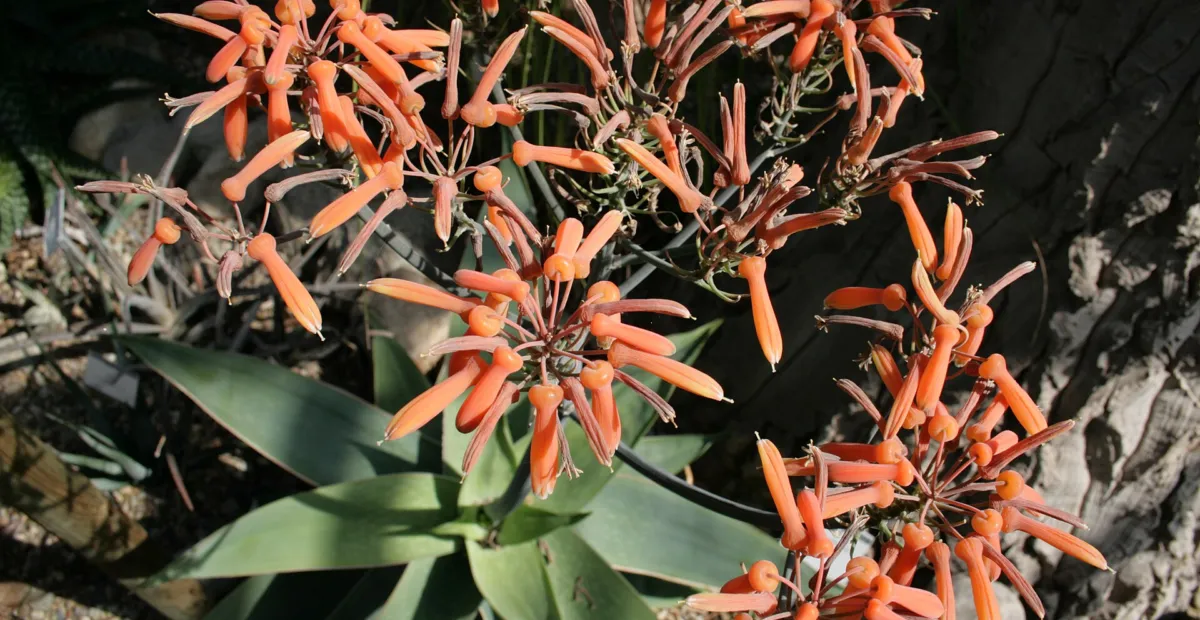
Coral aloe (Aloe striata) is a stemless South African succulent prized for its broad, pale blue-green leaves marked with fine longitudinal stripes and smooth margins that may blush pink in strong light. Mature rosettes produce branched stalks of orange-red tubular flowers. In the United States, grow it outdoors in frost-free areas or in a container that can be protected during cold weather. Aloe striata, commonly called Coral Aloe, is an accepted stemless succulent perennial in the family Asphodelaceae. It forms broad, striped blue-green rosettes and produces branched orange-red flower stalks when mature.
Taxonomic classification
Coral Aloe (Aloe striata) care guide
Light and placement
Give Coral Aloe full sun, ideally in a south- or west-facing position with several hours of direct light. Acclimate gradually when moving a plant outdoors to prevent scorch. Pale, stretched growth and reduced flowering indicate insufficient light; bleached patches or sudden tan spots can indicate abrupt exposure or extreme heat behind glass. In very hot inland climates, light afternoon shade may prevent scorch while preserving compact growth.
Watering and humidity
Water thoroughly only after the mix has dried completely, then let excess drain away. During active spring and summer growth, the interval may be roughly every 2–4 weeks indoors, varying with pot size, heat and airflow. Water much less in winter and avoid irrigation during cold, overcast spells. Never leave the pot standing in a saucer of water; humidity generally does not need adjustment.
Soil and growing medium
Use a very free-draining mineral substrate such as cactus mix amended with pumice, perlite or coarse grit. Sandy loam and shallow rocky soil suit the species. A neutral to slightly alkaline reaction is generally tolerated, but drainage is more important than exact pH. Avoid heavy clay and any site that stays wet around the crown.
Feeding
Feed during active growth in spring and summer with a balanced succulent fertilizer diluted to about one-quarter to one-half strength, no more than monthly. Alternatively, use a small amount of controlled-release fertilizer in spring. Do not fertilize dry, recently repotted, dormant or cold-stressed plants, and avoid rich compost that holds excess moisture.
Growth and habit
This is a slow-growing, mostly stemless rosette that is commonly solitary but may produce offsets over time. It remains compact enough for containers and becomes more floriferous when mature. Strong light helps maintain tight growth and pinkish leaf margins; low light can produce softer, greener, less compact foliage.
Planting and repotting
Plant after the danger of frost has passed, or establish it in a container for seasonal movement. Set the crown at the soil surface rather than burying the stemless rosette. Space plants about 18–24 inches apart where mature rosettes can broaden. Water once after planting, then allow the soil to dry thoroughly between irrigation.
Repot in spring or early summer when active growth begins, moving only one pot size larger. Handle the root ball gently, remove wet or decayed material, and allow damaged roots to dry briefly before planting into dry, porous mix. Delay watering for several days after repotting, especially if roots were disturbed.
Propagation and pruning
Propagation
Separate rooted offsets in spring or early summer, allowing cut surfaces to callus briefly before potting into dry mix. Seed propagation is possible and preserves genetic variation; sow fresh seed on a sterile, sharply drained medium and keep it lightly moist in warm, bright conditions. Leaf cuttings are not a dependable method for this species.
Pruning
Remove spent flower stalks at the base once flowering has finished and the stalk has dried. Cut away dead or damaged lower leaves with a clean blade. Avoid repeatedly trimming healthy leaf tips or cutting into the crown, as wounds can invite rot.
Overwintering
Protect from temperatures near freezing and from prolonged cold, wet conditions. In Zones 8 and colder, bring containers indoors before frost and place them in the brightest cool room available. Reduce watering substantially indoors during winter, maintain airflow, and check for scale or mealybugs before bringing the plant inside.
Uses
Use as a specimen succulent in xeriscapes, desert-style borders, rock gardens, raised beds and sunny containers. It is especially useful where a permanent evergreen rosette and seasonal flower stalk are wanted. It is not recommended as an edible or medicinal plant; avoid unsupported Aloe vera-style internal-use claims.
Appearance
The stemless rosette has broad, fleshy, lance-shaped leaves with smooth margins rather than prominent teeth. Fine dark longitudinal stripes run through the pale blue-green blades, and strong sun can color the margins pink. A mature plant sends up a conspicuous branched stalk carrying dense, upright-to-spreading racemes of warm orange-red tubular flowers.
Flowering
Seasonal flowering occurs on branched, leafless stalks rising above mature rosettes. Dense racemes carry about 1-inch tubular orange-red flowers. Flowering is most dependable with strong light, a dry winter rest and sufficient maturity; young plants may need several years before blooming.
Pollination and visitors
The orange-red tubular flowers are visited by nectar-feeding birds and insects in the Aloe pollination literature. A historical account specifically records sunbird visitation to Aloe striata, while broader Aloe studies document bird and bee interactions. Visitor importance may vary by population and local fauna.
Aloe striata photos
Click any photo for a larger view. Source, author and license are shown separately.
Diseases and pests
Diseases
The principal risk is crown or root rot caused by persistently wet soil, poor drainage or watering during cold weather. Remove affected tissue, discard saturated mix and replant only healthy portions in dry, porous substrate. Good airflow, a raised planting position and careful winter watering are the main preventive measures.
Pests
Watch for aloe snout weevil, scale and aloe rust, especially on stressed plants. Inspect leaf bases and the crown regularly. Isolate affected containers, improve light and airflow, remove heavily damaged tissue, and use only treatments labeled for the pest and crop in your state. Avoid routine pesticide use when symptoms are absent.
Toxicity and pollen
Species-specific toxicology for Aloe striata is not well documented. Because it belongs to Aloe, ingestion should not be treated as harmless: Aloe plants may contain irritating compounds, and ASPCA lists Aloe vera as toxic to dogs and cats. Keep plant material away from pets and children; do not use this species medicinally or internally.
- Typical season
- Flowering season; outdoor exposure is usually winter to spring in warm U.S. regions
- Pollination / pollen
- Flower pollen presented in tubular, animal-visited flowers
Aloe striata produces pollen during flowering, but reliable species-specific measurements of airborne pollen and allergy sensitization are scarce. The flowers are adapted for animal visitation rather than wind dispersal, so widespread airborne exposure is not expected; sensitive people should still avoid handling flowers if symptoms occur.
Native habitat
In its native southern African range, Aloe striata occurs on rocky coastal and inland slopes, including sandy or loamy substrates. The plant is adapted to seasonal moisture, intense light and rapid drainage rather than permanently wet soil. Its natural distribution is centered in South Africa and extends into southern Namibia.
Interesting fact
The epithet striata refers to the species’ longitudinal leaf stripes. Its common name reflects the coral-orange flower color rather than the foliage. Plants are usually solitary but can slowly form small colonies from offsets. Seedlings may reach flowering size in roughly three to four years under favorable cultivation.
Frequently asked questions (FAQ)
The most relevant questions about this plant, with short and direct answers.
🌱Quick care
What is Coral Aloe?⌄
Coral Aloe is the succulent species Aloe striata, a stemless plant with broad blue-green, longitudinally striped leaves and smooth pinkish margins. Mature plants typically reach about 1 to 2 feet tall and wide.
Is Aloe striata easy to grow?⌄
Aloe striata is considered an easy-care succulent when given bright light, fast-draining soil, and infrequent watering. The most common serious problem is rot caused by excess moisture.
Does Coral Aloe have sharp spines?⌄
Coral Aloe has smooth leaf margins without the prominent sharp teeth found on many aloe species. Its leaves can still be damaged by rough handling, and the plant should not be treated as edible.
🌤️Environment and placement
How much sun does Aloe striata need?⌄
Aloe striata grows best in full sun, meaning at least 6 hours of direct light daily. Indoors, place it in the brightest available south- or west-facing window and acclimate it gradually to intense outdoor sun.
Can Coral Aloe grow in partial shade?⌄
Coral Aloe can tolerate light or afternoon partial shade, especially in very hot climates. Too much shade may produce weaker growth, less colorful leaf margins, and fewer flowers.
What USDA hardiness zone is Coral Aloe?⌄
Coral Aloe is generally rated for USDA Zones 9 through 11. In colder regions, grow it in a container and move it indoors before freezing weather.
How cold can Aloe striata tolerate?⌄
Aloe striata is frost tender and should be protected from freezing temperatures. Some landscape references report brief tolerance near the low 20s°F, but damage can vary with moisture, duration, and exposure, so frost protection is safest.
Should I grow Coral Aloe indoors or outdoors?⌄
Grow Coral Aloe outdoors year-round only in a warm, frost-free climate; elsewhere, use a container and overwinter it indoors. Provide strong light and very restrained winter watering indoors.
Can Aloe striata tolerate drought?⌄
Aloe striata is drought tolerant because its fleshy leaves store water. It performs best with occasional deep watering during active growth rather than constant small amounts of moisture.
💧Care and problems
How often should I water Aloe striata?⌄
Water Aloe striata deeply only after the soil has dried completely. Established outdoor plants may need watering about every 2 weeks during active growth, while winter watering should be reduced substantially.
How do I know when Coral Aloe needs water?⌄
Check the soil several inches below the surface and water only when it is thoroughly dry. Slightly less-plump leaves can also indicate thirst, but persistently soft or yellowing leaves usually suggest overwatering instead.
Why are my Aloe striata leaves turning brown?⌄
Brown leaves can result from sunburn, frost damage, physical injury, or prolonged drought. If the leaves are also soft, translucent, or collapsing, inspect the roots and soil for overwatering-related rot.
Why are Coral Aloe leaves turning yellow?⌄
Yellow leaves most often indicate overly wet soil, poor drainage, or watering too frequently. Let the mix dry completely and check that the container drains freely before watering again.
Why is my Aloe striata becoming stretched or leaning?⌄
Stretching and leaning usually mean the plant is not receiving enough light. Move it gradually toward brighter light and rotate the container periodically for more even growth.
Does Aloe striata need fertilizer?⌄
Aloe striata needs little fertilizer, but a diluted balanced fertilizer can be applied occasionally during active growth. Do not fertilize dry, stressed, or dormant plants, and avoid frequent high-nitrogen feeding.
🪴Planting and repotting
What soil is best for Aloe striata?⌄
Use a sandy, rocky, sharply draining mix formulated for cacti and succulents. A container must have a drainage hole because waterlogged soil can cause root or crown rot.
Can Aloe striata grow in regular potting soil?⌄
Aloe striata can survive in regular potting soil only if it is heavily amended for drainage. Mix ordinary potting soil with coarse mineral material such as perlite, pumice, lava rock, or horticultural grit.
When should I repot Coral Aloe?⌄
Repot Coral Aloe when roots fill the container, drainage slows, or the plant becomes unstable, preferably during active growth. Move it into a pot only slightly larger than the previous one and allow damaged roots to dry before watering.
How do I plant Aloe striata in the ground?⌄
Plant Aloe striata in a sunny, sheltered location with sandy or rocky soil that drains rapidly. Set the root ball at the same depth it was growing and avoid burying the center of the rosette.
✂️Propagation and pruning
How do I propagate Aloe striata?⌄
Propagate Aloe striata mainly by separating offsets when they are available, or by sowing fresh seed. Let separated offsets develop a dry callus briefly, then root them in a gritty, well-draining succulent mix.
Does Coral Aloe produce pups?⌄
Coral Aloe may produce offsets, although it is often solitary and can form them slowly. Separate pups only after they have developed their own roots or a substantial base attached to the parent plant.
Can I propagate Aloe striata from a leaf cutting?⌄
Leaf-cutting propagation is unreliable for Aloe striata because detached leaves commonly rot rather than produce a new plant. Offsets or seed are the more dependable methods.
Does Aloe striata need pruning?⌄
Aloe striata generally needs no routine pruning. Remove only dead or damaged leaves and cut off spent flower stalks after flowering, using clean tools if the stalk does not pull away easily.
⚠️Toxicity and safety
Is Coral Aloe toxic to dogs and cats?⌄
Coral Aloe should be treated as potentially toxic if eaten by dogs, cats, rabbits, or people. Aloe tissues can contain irritating compounds that may cause gastrointestinal symptoms, so keep the plant away from pets and children.
What should I do if my dog or cat eats Aloe striata?⌄
Contact your veterinarian or a pet poison-control service promptly if a pet eats Aloe striata, especially if vomiting, diarrhea, lethargy, or other symptoms occur. Do not induce vomiting unless a veterinary professional instructs you to do so.
Is Aloe striata the same as Aloe vera?⌄
No, Aloe striata and Aloe vera are different species. Aloe striata is grown mainly as an ornamental coral-flowering succulent and should not be assumed to have the same traditional uses as Aloe vera.
🌸Flowering and special interest
When does Coral Aloe flower?⌄
Coral Aloe commonly flowers from late winter through spring, although timing varies with climate and growing conditions. Mature rosettes produce tall stalks topped with dense coral-red, orange, or salmon tubular flowers.
How can I make Aloe striata bloom?⌄
Provide strong light, excellent drainage, a dry rest during winter, and appropriate maturity. Overwatering, insufficient light, or growing from a young offset can delay flowering.
What color are Coral Aloe flowers?⌄
Coral Aloe flowers are usually coral red, orange-red, salmon, or orange. They appear in dense racemes or panicles on upright stalks rising above the rosette.
Does Aloe striata attract hummingbirds?⌄
Aloe striata flowers can provide nectar for hummingbirds and other pollinators when grown outdoors. Flowering is most useful to wildlife in warm climates where the plant can bloom naturally.
Similar plants
 Spider-aloe (Aloe humilis) care guideAloe humilis
 Lace Aloe (Aristaloe aristata) care guideAristaloe aristata
 Aloe perfoliata care guideAloe perfoliata
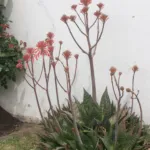 Soap aloe (Aloe maculata) care guideAloe maculata
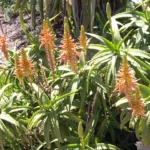 Krantz aloe or the candelabra aloe (Aloe arborescens) care guideAloe arborescens
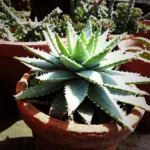 Aloe brevifolia care guideAloe brevifolia