
 Source:
 Spider-aloe (Aloe humilis) short overview
Aloe humilis, or spider-aloe, is a compact South African succulent forming dense clumps of blue-green, softly prickled rosettes. It suits bright indoor windows, containers and frost-free rock gardens. Give it sharply draining soil, strong light and deep but infrequent watering, allowing the mix to dry thoroughly between waterings. Mature plants produce upright racemes of scarlet to orange tubular flowers, usually in late winter or spring.
Taxonomic classification
Spider-aloe (Aloe humilis) care guide
Light and placement
Provide several hours of direct sun or very bright filtered light, ideally in a south- or east-facing window in the United States. Acclimate gradually when moving outdoors to prevent scorch. Stretching, wider spacing between leaves and dull green growth indicate insufficient light; bleached patches or crispy brown areas indicate excessive abrupt sun or heat.
Watering and humidity
Water thoroughly until excess drains, then wait until the mix is fully dry before watering again. During active growth, this may mean every 2–4 weeks indoors, but temperature, pot size and light matter more than the calendar. Water less in cool winter conditions and never leave the pot standing in water. Humidity does not need to be increased.
Soil and growing medium
Use a very gritty, fast-draining succulent mix. A commercial cactus mix amended with pumice, perlite or coarse grit works well. In habitat it can occur on clay soils, but cultivated plants need rapid drainage because saturated compost encourages root loss. Aim for a near-neutral to slightly acidic mix and avoid water-retentive peat-heavy soil.
Feeding
Feed in spring and summer with a balanced fertilizer diluted to one-quarter or one-half strength, no more than monthly. Alternatively, use a low-nitrogen succulent fertilizer according to its label. Do not fertilize newly repotted, stressed or dormant plants, and never feed dry roots; water first if the mix is completely dry.
Growth and habit
This slow-growing aloe remains stemless and gradually expands by producing offsets around the original rosettes. Keep the clump open enough for light and airflow to reach the crown. Removing old flower stalks after they dry helps maintain a neat specimen without cutting healthy leaves.
Planting and repotting
Plant outdoors only where winter temperatures remain mild and drainage is excellent. Set the root crown at the soil surface rather than burying the stemless rosette. Allow enough room for offsets to develop into a clump, or space individual plants about 12–18 inches apart in a rock garden.
Repot in spring or early summer when the container is crowded or the mix has broken down. Handle the rosettes carefully because the leaf teeth are soft but irritating. Move only one pot size larger, refresh the gritty mix, and wait several days before watering so damaged roots can callus.
Propagation and pruning
Propagation
Separate offsets in spring or early summer once they have their own roots. Let wounds dry briefly before potting into gritty mix. Seed propagation is possible but slower and less predictable for home growers; sow fresh seed in a sterile, sharply draining medium and keep lightly moist until germination.
Pruning
Cut spent flower stalks at the base once they have dried. Remove dead or damaged leaves cleanly with sterile tools. Avoid routine trimming of healthy leaf tips or green tissue.
Overwintering
Bring containers indoors before temperatures approach 30°F. Keep the plant in the brightest cool-to-moderate location available, reduce watering substantially, and ensure the foliage dries quickly after watering. In frost-free climates, protect it from prolonged cold rain rather than relying on heavy irrigation.
Uses
Primarily grown as a collector’s succulent, container specimen, windowsill plant or small rock-garden accent. Its clumping rosettes and vivid flower spikes provide ornamental value. It is not supported here as an edible or medicinal plant, and leaf sap should not be consumed.
Appearance
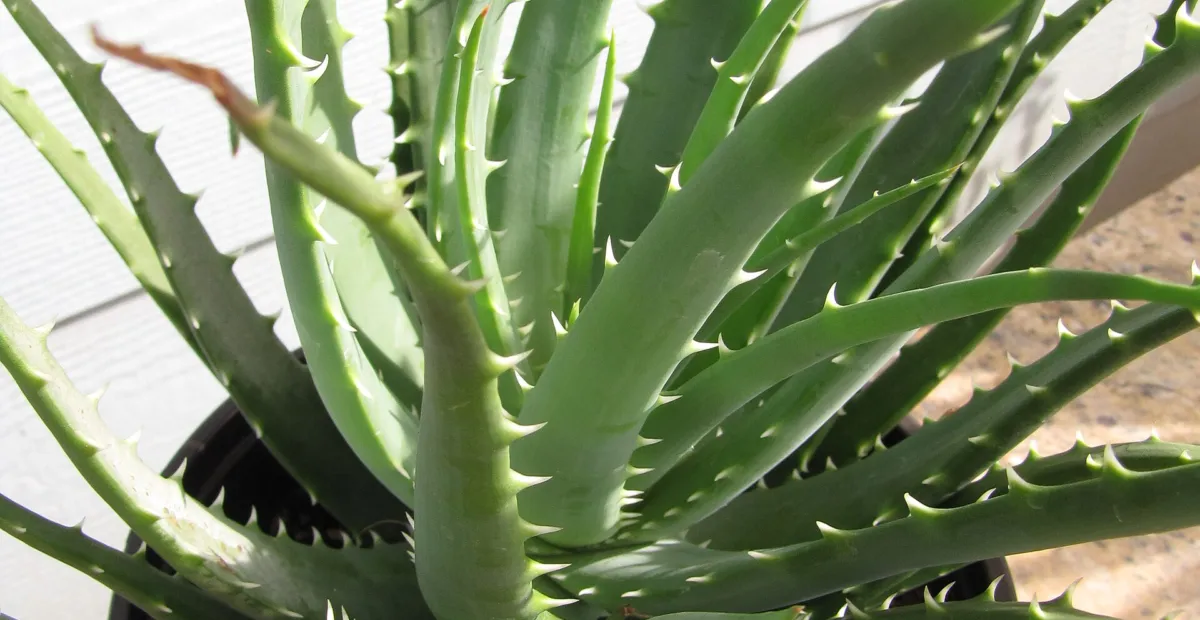
The plant has no prominent stem and forms crowded rosettes of short, narrow, sharply pointed leaves. Leaves are blue-green with a waxy or dewy bloom, obscure veins, irregular surface tubercles and soft whitish prickles on both surfaces. Marginal teeth are triangular and pale rather than dark, a useful identification feature.
Flowering
The inflorescence is a simple, upright raceme rising above the rosettes. Flowers are tubular and usually scarlet, sometimes orange, with stamens and stigma only slightly exserted. Flowering is reported mainly in August and September in South Africa, while container plants may bloom in late winter or spring depending on light, temperature and dormancy conditions.
Pollination and visitors
The tubular red-orange flowers fit the bird-associated floral pattern common in many aloes, but direct species-level pollinator observations for Aloe humilis are limited. Treat bird visitation as plausible rather than firmly documented for this exact species in cultivation.
Aloe humilis photos
Click any photo for a larger view. Source, author and license are shown separately.
Diseases and pests
Diseases
Root and crown rot are the main risks, usually caused by wet soil, poor drainage or watering during cool conditions. Remove affected tissue, discard saturated mix, and re-root healthy offsets only after cuts have dried. Good airflow and careful watering reduce fungal leaf spotting.
Pests
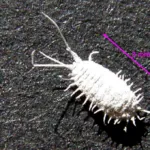
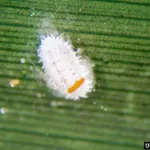
Watch for mealybugs, scale and aloe mites, especially in crowded leaf bases. Isolate infested plants, remove visible insects with a cotton swab or water spray, and improve airflow. Use a labeled succulent-safe treatment only when necessary and follow its directions.
Related diseases and pests
Only Plant Doctor profiles whose host data indicate this plant may be affected are shown here.
Toxicity and pollen
Reliable species-specific toxicology for Aloe humilis is limited. Because Aloe sap and leaf tissue can cause gastrointestinal upset in pets in the broader true-Aloe group, keep this plant away from chewing dogs and cats. Wear gloves when handling damaged leaves and do not use the plant medicinally or ingest it without verified species-specific evidence.
- Typical season
- Not documented for United States exposure
- Pollination / pollen
- Flower pollen; animal-dispersed
Aloe humilis produces pollen when flowering, but reliable United States airborne-pollen measurements and species-specific allergy reports were not found. Its flowers are animal-pollinated, so airborne exposure is likely lower than for wind-pollinated plants, but it should not be described as allergy-free.
Native habitat
It is native to the Eastern and Western Cape provinces of South Africa, where it occurs in dry thicket, renosterveld and karroid shrubland, often in sheltered rocky or clay-soil sites. The climate is seasonally dry with strong light and relatively mild winters.
Interesting fact
The species is stemless and produces many-headed clumps by suckering.
Frequently asked questions (FAQ)
The most relevant questions about this plant, with short and direct answers.
🌱Quick care
What is the common name for Aloe humilis?⌄
Aloe humilis is commonly called spider aloe in the United States. It is a small, clumping succulent with blue-green, textured leaves and soft marginal teeth.
How do you care for spider aloe?⌄
Grow spider aloe in full sun to bright filtered light, gritty sharply drained soil, and low water. Let the soil dry thoroughly between deep waterings and protect the plant from frost.
Is Aloe humilis easy to grow indoors?⌄
Yes, Aloe humilis is generally easy to grow indoors near a bright south- or west-facing window. Use a pot with drainage holes and avoid frequent watering or cold drafts.
🌤️Environment and placement
How much light does spider aloe need?⌄
Spider aloe grows best in full sun or very bright filtered light. Acclimate it gradually to strong direct sunlight to reduce the risk of leaf scorch.
Can Aloe humilis grow in low light?⌄
Aloe humilis can survive in lower light but usually becomes looser, paler, and less compact. Move it closer to a bright window or supplement winter light with a grow light.
Can spider aloe grow outside in the United States?⌄
Spider aloe can grow outdoors year-round only in frost-free parts of the United States. In colder areas, grow it in a container and move it indoors before freezing weather.
What USDA zone is suitable for Aloe humilis?⌄
Aloe humilis is best treated as an outdoor plant in warm, frost-free areas, roughly USDA Zones 10 and 11. Local exposure, drainage, and winter moisture can affect its cold tolerance.
How cold can spider aloe tolerate?⌄
Spider aloe is frost-tender and should be protected when temperatures approach 30°F. Cold, wet soil is especially dangerous because it can cause crown or root rot.
Does Aloe humilis need high humidity?⌄
No, Aloe humilis does not need high humidity and usually prefers normal indoor air with good ventilation. Avoid placing it where moisture remains trapped around the rosette.
💧Care and problems
How often should you water spider aloe?⌄
Water spider aloe thoroughly only after the soil has dried completely or nearly completely. Water less often during cool, dark, or dormant periods, and never leave the pot sitting in water.
Why is my Aloe humilis turning yellow?⌄
Yellow leaves on Aloe humilis most often indicate overwatering, poor drainage, or naturally aging lower leaves. Check the roots and soil before watering again, especially if the base feels soft.
Why is my spider aloe turning brown?⌄
Brown tips or patches can result from sun stress, cold damage, underwatering, or root problems. Review recent temperature and watering changes, and remove only tissue that is fully dead.
Why is my Aloe humilis getting soft leaves?⌄
Soft leaves usually indicate excess moisture, root rot, or cold damage rather than thirst. Remove the plant from wet soil, inspect the roots, and replant healthy tissue in a dry, gritty mix.
What soil is best for spider aloe?⌄
Use a gritty cactus or succulent mix that drains sharply and dries quickly. Adding pumice, perlite, lava rock, or coarse grit can improve drainage in a moisture-retentive commercial mix.
What pot is best for Aloe humilis?⌄
Choose a pot with drainage holes that is only slightly larger than the root system. A wide, shallow terracotta or stoneware pot suits spider aloe because the plant commonly spreads by offsets.
Does spider aloe need fertilizer?⌄
Spider aloe needs little fertilizer, so feed sparingly during active growth with a diluted cactus or balanced fertilizer. Avoid heavy feeding, which can produce weak, overly soft growth.
What pests affect Aloe humilis?⌄
Spider aloe may occasionally attract mealybugs or scale insects, especially indoors. Inspect leaf bases and offsets regularly, isolate affected plants, and remove pests promptly.
🪴Planting and repotting
When should you repot spider aloe?⌄
Repot spider aloe when the container is crowded, the soil has broken down, or drainage has declined, usually every few years. Repot into dry or barely moist soil and delay watering briefly after disturbing the roots.
Can Aloe humilis be planted in the ground?⌄
Yes, Aloe humilis can be planted in the ground in a warm, frost-free location with excellent drainage. A raised bed, rock garden, or slope is safer than heavy, poorly drained soil.
How do you plant spider aloe in a container?⌄
Plant spider aloe in a container with drainage holes using a gritty succulent mix, keeping the crown slightly above the soil line. Water only after the roots and surrounding soil have settled and dried.
✂️Propagation and pruning
How do you propagate Aloe humilis?⌄
The easiest way to propagate Aloe humilis is by separating rooted offsets from a mature clump. Let damaged areas dry briefly before planting the divisions in sharply drained soil.
Does spider aloe produce pups?⌄
Yes, spider aloe commonly produces offsets, or pups, around the base of the main rosette. These can be separated once they are large enough to handle and have some roots of their own.
Can you grow Aloe humilis from a leaf cutting?⌄
Leaf cuttings are not a reliable propagation method for Aloe humilis. Use rooted offsets or seed instead, because detached aloe leaves generally do not regenerate into complete plants.
How do you divide a clump of spider aloe?⌄
Lift the clump, gently separate offsets, and use a clean knife only where necessary. Allow cuts to dry briefly, then pot each division in gritty mix and keep it relatively dry until rooting begins.
Does Aloe humilis need pruning?⌄
Aloe humilis usually needs no routine pruning. Remove only dead or damaged leaves with clean tools, taking care not to injure the crown or healthy offsets.
⚠️Toxicity and safety
Is Aloe humilis toxic to cats and dogs?⌄
Species-specific toxicity information for Aloe humilis is limited, so treat it cautiously around pets. True aloes may irritate pets if eaten and can cause gastrointestinal upset; contact a veterinarian if ingestion occurs.
Can children safely handle spider aloe?⌄
Children should handle spider aloe only with supervision because its leaf margins can be pointed or abrasive. Keep pieces of the plant away from mouths, since the safety of ingestion is not established.
🌸Flowering and special interest
Does Aloe humilis flower?⌄
Yes, mature Aloe humilis can produce upright flower spikes with red, orange, or reddish-orange tubular flowers. Flowering is more likely when the plant receives strong light and experiences suitable seasonal conditions.
When does spider aloe bloom?⌄
Spider aloe commonly blooms in late winter or early spring, although timing can vary with climate and indoor conditions. Plants grown in insufficient light may remain healthy but fail to flower.
Why is my Aloe humilis not flowering?⌄
Insufficient light, young age, lack of seasonal temperature variation, or general stress can prevent Aloe humilis from flowering. Provide stronger light, maintain excellent drainage, and avoid excessive fertilizer or water.
Similar plants
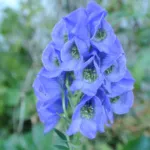 Azure Monkshood (Aconitum carmichaelii) care guideAconitum carmichaelii
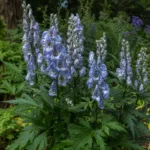 Monkshood (Aconitum ‘Stainless Steel’)Aconitum 'Stainless Steel'
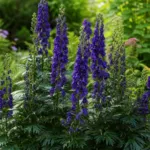 Monkshood (Aconitum ‘Bressingham Spire’)Aconitum 'Bressingham Spire'
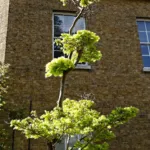 Golden full moon maple (Acer shirasawanum ‘Aureum’)Acer shirasawanum 'Aureum'
 Globosum (Acer platanoides ‘Globosum’)Acer platanoides 'Globosum'
 Striped maple (Acer pensylvanicum) care guideAcer pensylvanicum