
 AI-generated illustration
Reverse-leaved elephant’s ear (Alocasia ‘Reversa’) short overview
Alocasia 'Reversa' is a rare Bornean elephant ear grown primarily for its distinctive foliage rather than its flowers. Its compact clumping habit produces leathery, elongated heart-shaped leaves marked with dark green areas along the veins and silvery tissue between them. In the United States, it is best treated as a warm houseplant or greenhouse specimen, protected from frost, harsh sun, stagnant soil, and prolonged drying.
Taxonomic classification
Reverse-leaved elephant’s ear (Alocasia ‘Reversa’) care guide
Light and placement
Place near an east- or north-facing window, or several feet back from a bright south- or west-facing window behind a sheer curtain. Bright filtered light supports compact growth and leaf patterning. Harsh direct midday sun can bleach or scorch the leaves, while very dim light may cause slow growth, weak petioles, and yellowing. Rotate occasionally for even development.
Watering and humidity
Water thoroughly when the upper 2 inches of mix have begun to dry, then allow excess water to drain fully. Keep the root zone evenly moist during active growth but never leave the pot standing in water. Water less often in winter as growth slows. Use room-temperature rainwater or filtered water where hard tap water causes mineral buildup. Maintain humidity separately from watering.
Soil and growing medium
Use an open, airy mix that holds some moisture without staying saturated. A peat-free ericaceous or slightly acidic base amended with fine bark, pumice, lava rock, or perlite suits the rhizomatous root system. Good drainage is essential, while a little organic matter helps prevent rapid drying. Avoid chronically alkaline conditions and hard-water buildup.
Feeding
Feed during active growth, typically spring through early fall, with a balanced liquid houseplant fertilizer diluted according to the label or at modest strength about monthly. Apply only to already-moist substrate. Reduce or stop feeding during cool, low-light winter conditions and do not fertilize a stressed, recently repotted, or root-damaged plant.
Growth and habit
This evergreen rhizomatous perennial forms a compact clump of upright, long-stemmed leaves. Growth is strongest with warmth, stable moisture, bright diffused light, and good humidity. Older leaves may yellow naturally as new ones emerge; sudden decline more often indicates cold stress, root damage, drought, or prolonged saturation.
Planting and repotting
In the United States, plant outdoors only during reliably warm, frost-free weather and preferably in a sheltered container. Set the rhizome at its existing depth rather than burying it deeply. Allow enough room for the clump to expand, and establish it gradually in filtered light. Bring it indoors before temperatures fall.
Repot every 2–3 years, or sooner if the mix has broken down or roots fill the container. Move up only one pot size and disturb the rhizome as little as practical. Use a clean, free-draining mix and keep the plant warm after repotting while new roots establish.
Propagation and pruning
Propagation
Propagate by division when a mature clump produces separate growth points, or divide a healthy rhizome into sections with viable buds. Work during active growth, use sterile tools, let cuts dry briefly, and keep newly potted sections warm with restrained watering until roots develop.
Pruning
No routine pruning is required. Remove yellowing or damaged leaves at the base with sterilized shears. Do not strip healthy leaves to force a smaller shape; reducing foliage can weaken the rhizome. Clean tools between plants to reduce the spread of disease.
Overwintering
Keep indoors in a stable 65–77°F location with bright filtered light. Protect from cold windows, drafts, and sudden temperature drops. Reduce watering as light and growth decline, but do not let the rhizome remain bone-dry for extended periods. Resume regular feeding only when active growth returns.
Uses
Used as a collectible ornamental foliage plant for indoor displays, conservatories, terrariums with adequate ventilation, and heated greenhouses. Its patterned leaves make it a specimen or accent plant. Do not use it as food or medicine, and keep it away from children and pets because ingestion is harmful.
Appearance
Leaves are elongated and heart-shaped with a leathery texture. Dark green tissue follows the principal veins, while the areas between veins appear silvery gray, creating a high-contrast reticulated effect. The plant has upright petioles and a clumping rhizomatous base. Flowers are comparatively inconspicuous beside the foliage.
Flowering
Inflorescences consist of a pale green, sheath-like spathe, flushed dark red at the base, surrounding a white spadix. They are secondary to the foliage and are not produced on a predictable seasonal schedule in indoor culture.
Pollination and visitors
Reliable pollinator or flower-visitor records for this exact taxon were not located. The arum-type inflorescence may have specialized visitors, but no animal group is assigned here without direct evidence.
Diseases and pests
Diseases
Generally trouble-free when grown in an airy mix, but excessive moisture and poor airflow can contribute to root rot or leaf spots. Remove badly affected tissue with sterile tools, correct watering and ventilation, and avoid wetting foliage late in the day. Isolate plants showing persistent decline before inspecting the roots.
Pests
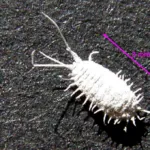
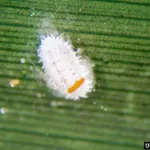
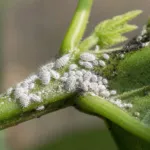
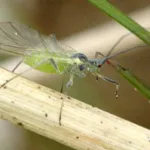
Inspect regularly for spider mites, scale, and mealybugs, especially in dry indoor air. Check leaf undersides and petiole joints. Improve humidity and airflow, isolate affected plants, and remove pests manually where practical. Use an appropriate labeled houseplant treatment if infestations persist, following the product directions.
Related diseases and pests
Only Plant Doctor profiles whose host data indicate this plant may be affected are shown here.

Toxicity and pollen
Alocasia plants contain insoluble calcium oxalate crystals that can cause immediate mouth, tongue, and throat irritation, drooling, difficulty swallowing, vomiting, and skin or eye irritation after contact or ingestion. Evidence specific to this exact cultivated identity is limited, so treat every part as harmful and wear gloves when handling damaged tissue. Seek medical or veterinary advice after ingestion.
- Pollination / pollen
- Likely localized within the inflorescence rather than freely wind-dispersed
Alocasia is insect-pollinated and its pollen is generally not regarded as a major airborne seasonal pollen source in ordinary indoor cultivation. However, exact allergy data for Alocasia 'Reversa' are unavailable, and flowering plants should not automatically be considered allergy-free. Avoid direct contact with inflorescences if sensitive.
Native habitat
The species is native to wet tropical forest in Sarawak, Borneo. It is associated with humid, warm conditions and can grow in pockets of soil and leaf litter on rocky outcrops. These conditions explain its preference for an airy but moisture-retentive substrate, filtered light, and protection from cold.
Interesting fact
Alocasia reversa is native to Sarawak on the island of Borneo.
It grows naturally in wet tropical forest conditions.
The foliage has a striking reverse-like silver-and-green pattern.
Its flowers are structurally typical of the arum family.
The plant is primarily collected for leaves, not showy blooms.
Frequently asked questions (FAQ)
The most relevant questions about this plant, with short and direct answers.
🌱Quick care
What is Alocasia 'Reversa'?⌄
Alocasia 'Reversa' is a compact jewel Alocasia from Borneo, known for dark green leaf areas along the veins and paler margins. It is grown primarily as a warm indoor foliage plant in the United States.
What is the common name for Alocasia 'Reversa'?⌄
A documented common name is reverse-leaved elephant's ear. Some growers also use Blue Jewel, but common naming is inconsistent, so Alocasia 'Reversa' is the clearest name to use.
Is Alocasia 'Reversa' easy to grow indoors?⌄
Alocasia 'Reversa' is moderately challenging indoors because it needs stable warmth, bright filtered light, even moisture, and good humidity. It usually struggles when exposed to cold drafts, waterlogged soil, or repeated severe drying.
How big does Alocasia 'Reversa' get indoors?⌄
Alocasia 'Reversa' generally remains a compact, manageable houseplant, often reaching about 2 to 3 feet tall under indoor conditions. Actual size depends on light, pot size, warmth, humidity, and the plant’s age.
🌤️Environment and placement
How much light does Alocasia 'Reversa' need?⌄
Give Alocasia 'Reversa' bright filtered or indirect light, with partial shade acceptable. An east- or north-facing window, or a brighter window softened by a sheer curtain, is usually safer than strong afternoon sun.
Can Alocasia 'Reversa' tolerate direct sunlight?⌄
Alocasia 'Reversa' can tolerate limited gentle morning light, but prolonged or intense direct sun can scorch its sensitive leaves. Shield it from hot afternoon rays, especially through glass.
What temperature is best for Alocasia 'Reversa'?⌄
Keep Alocasia 'Reversa' warm, ideally around 65–80°F. Protect it from cold windows, drafts, sudden temperature changes, and prolonged temperatures below about 60°F, which may slow growth or trigger dormancy.
How much humidity does Alocasia 'Reversa' need?⌄
Moderate to high humidity is helpful, with roughly 50–80% often supporting better growth and leaf quality. In a dry U.S. home, use a clean humidifier and maintain airflow rather than relying on constant leaf misting.
💧Care and problems
How often should I water Alocasia 'Reversa'?⌄
Water Alocasia 'Reversa' when the top 1–2 inches of the potting mix feels slightly dry, then water thoroughly until excess drains away. Adjust frequency for light, temperature, pot size, and winter slowdown rather than following a fixed calendar.
Should Alocasia 'Reversa' stay constantly moist?⌄
Alocasia 'Reversa' prefers evenly moist soil, not soil that stays saturated. Let the surface dry slightly between waterings and never leave the pot standing in water, because poor aeration can cause root or corm rot.
What kind of water is best for Alocasia 'Reversa'?⌄
Room-temperature rainwater, filtered water, or distilled water can be useful when household tap water is hard or leaves mineral deposits. Ordinary tap water may be acceptable if it does not cause buildup or repeated leaf-edge damage.
Why are Alocasia 'Reversa' leaves turning brown?⌄
Brown leaf tips or edges usually indicate dry soil, low humidity, mineral buildup, or excess fertilizer. Check moisture and humidity first, then flush accumulated salts from the mix if drainage is good.
Why is my Alocasia 'Reversa' drooping?⌄
Drooping may result from underwatering, root damage from saturated soil, cold stress, low light, or transplant shock. Check the root zone and temperature before watering, because adding water to already-wet soil can worsen the problem.
Why is Alocasia 'Reversa' losing leaves?⌄
Leaf loss can occur after cold exposure, a major light or location change, overwatering, underwatering, or seasonal dormancy. If the corm is firm and healthy, stabilize warmth, light, and moisture and wait for new growth.
How often should I fertilize Alocasia 'Reversa'?⌄
Feed Alocasia 'Reversa' about monthly during active spring and summer growth using a balanced houseplant fertilizer diluted according to the label. Reduce or stop feeding when growth slows in fall and winter.
What pests attack Alocasia 'Reversa'?⌄
Alocasia 'Reversa' may attract spider mites, mealybugs, scale, aphids, and other common indoor plant pests. Inspect leaf undersides and stems regularly, isolate affected plants, and treat promptly with an appropriate labeled product.
🪴Planting and repotting
What soil is best for Alocasia 'Reversa'?⌄
Use an airy, well-drained, moisture-retentive aroid mix containing materials such as potting mix or coco coir, orchid bark, and perlite or pumice. A slightly acidic to neutral mix is suitable, but the root zone must not remain soggy.
Does Alocasia 'Reversa' need a drainage hole?⌄
Yes, Alocasia 'Reversa' should be planted in a container with an unobstructed drainage hole. Decorative cachepots are fine only when excess water is emptied after watering.
When should I repot Alocasia 'Reversa'?⌄
Repot Alocasia 'Reversa' when roots crowd the container, the mix breaks down, or the plant begins drying unusually quickly. Move it into a pot only slightly larger than the current one, usually during active growth.
How deep should I plant an Alocasia 'Reversa' corm?⌄
Plant the corm or rhizome with the growing point oriented upward and avoid burying the crown deeply. Keeping the upper portion near the surface reduces the risk of rot while new roots and shoots develop.
✂️Propagation and pruning
How do you propagate Alocasia 'Reversa'?⌄
Propagate Alocasia 'Reversa' mainly by separating offsets or dividing a mature clump during repotting. Each division should have viable roots or a healthy corm section and should be planted in a small, airy container.
Can Alocasia 'Reversa' grow from a corm?⌄
Yes, Alocasia 'Reversa' can be grown from a viable corm, although establishment may be slow and conditions must remain warm, humid, and carefully watered. Keep the corm lightly moist, never waterlogged, until roots and a shoot develop.
Does Alocasia 'Reversa' need pruning?⌄
Alocasia 'Reversa' does not require routine pruning. Remove individual yellow, dead, or badly damaged leaves with clean shears, cutting close to the base without injuring emerging growth.
⚠️Toxicity and safety
Is Alocasia 'Reversa' toxic to cats and dogs?⌄
Yes, Alocasia 'Reversa' is harmful if eaten by cats, dogs, or other pets. Its calcium oxalate crystals can cause intense mouth irritation, swelling, drooling, and difficulty swallowing, so keep it away from animals.
Is Alocasia 'Reversa' poisonous to people?⌄
Alocasia 'Reversa' is harmful if ingested and its sap may irritate skin and eyes. Keep it away from children, wear gloves when handling damaged tissue, and seek medical or poison-control advice after ingestion.
What should I do if Alocasia 'Reversa' sap gets in my eyes?⌄
Rinse the eyes immediately with clean, lukewarm water and avoid rubbing them. Seek prompt medical advice if pain, swelling, redness, or vision changes continue, especially after significant exposure.
🌸Flowering and special interest
Does Alocasia 'Reversa' flower indoors?⌄
Alocasia 'Reversa' can produce the typical Alocasia inflorescence, but flowering indoors is uncommon and usually less important than foliage growth. Mature, vigorous plants with stable warmth, light, moisture, and nutrition are the most likely to bloom.
What does an Alocasia 'Reversa' flower look like?⌄
The flower is a small arum-type inflorescence consisting of a spathe surrounding a spadix, rather than a showy flower with large petals. It may appear near the base of the plant and is often followed by berries only under suitable conditions.
Similar plants
 Saucer Magnolia (Magnolia soulangeana) care guideMagnolia soulangeana
 Magnolia × loebneri ‘Merrill’Magnolia × loebneri 'Merrill'
 Magnolia loebneri care guideMagnolia loebneri
 Sweetbay magnolia (Magnolia virginiana) care guideMagnolia virginiana
 Star magnolia (Magnolia stellata) care guideMagnolia stellata
 Magnolia sprengeri care guideMagnolia sprengeri