
 AI-generated illustration
Alocasia ‘Nebula’ short overview
Alocasia 'Nebula' is a compact tropical elephant ear from Sarawak, prized for thick, heavily textured leaves with a dusky gray-green surface, dark veins, and a jewel-like appearance. It is best grown indoors in the United States, where warmth, high humidity, bright filtered light, and an airy but moisture-retentive potting mix help prevent stress. Water carefully, avoid cold drafts, and keep the plant away from children and pets because its tissues contain irritating calcium oxalate crystals.
Taxonomic classification
Alocasia ‘Nebula’ care guide
Light and placement
Provide bright filtered light or gentle partial shade. An east- or west-facing window, filtered south exposure, or a grow light works well. Too much direct midday sun can bleach or scorch the leaves, while too little light produces smaller leaves, stretched petioles, slower growth, and greater watering-related stress. Rotate the pot periodically for balanced growth.
Watering and humidity
Water thoroughly when the upper inch of mix is beginning to dry, then let excess drain completely. Keep the root zone lightly and evenly moist during active growth, but never leave the pot standing in water. Reduce frequency in cooler or darker periods, while maintaining warmth and humidity; sudden drying followed by saturation can cause leaf loss and root problems.
Soil and growing medium
Use a loose, chunky aroid mix that holds some moisture but drains rapidly: fine or medium orchid bark, coco coir or peat-free fiber, perlite, and a modest amount of compost or potting mix. Avoid dense, waterlogged soil. A slightly acidic to neutral reaction is suitable; limestone-associated origin does not justify adding lime to containers without a soil test.
Feeding
Feed only while the plant is actively producing leaves, using a complete balanced houseplant fertilizer at half strength about every 3–4 weeks. Flush the pot occasionally to reduce salt buildup. Do not fertilize cold, recently divided, dormant, or severely wilted plants; correct root or moisture problems first.
Growth and habit
This is a compact, clumping, rhizomatous aroid that typically carries a small number of substantial leaves at a time. It responds poorly to abrupt changes in temperature, watering, humidity, or root conditions. Remove aging leaves only after they have yellowed naturally, and prioritize stable conditions over frequent interventions.
Planting and repotting
In the United States, plant outdoors only in frost-free conditions and treat it as a container tropical. Set the root ball at its existing depth; do not bury the stem or corm deeply. Allow room for the clump to expand, while keeping the crown dry and the pot elevated for drainage.
Repot only when roots have filled the container or the mix has broken down. Move up one pot size in spring or during active growth, disturb the fine roots as little as possible, and water lightly at first while the plant re-establishes. Use a pot with generous drainage holes.
Propagation and pruning
Propagation
Propagate during active growth by separating established offsets or dividing a mature rhizome, ensuring each section has viable roots or a growth point. Keep divisions warm, humid, and only lightly moist until new growth resumes. Seed propagation is possible in principle but is uncommon and not dependable for preserving a named clone.
Pruning
Pruning is limited to removing fully yellow or damaged leaves. Cut the petiole cleanly near its base with sterilized tools, avoiding injury to the crown and emerging leaves. Remove dead roots only during repotting or division.
Overwintering
Bring indoors before nighttime temperatures approach 60°F. Keep it warm, away from drafts and cold windows, with reduced watering in low winter light. Maintain humidity and inspect for mites after moving indoors. Do not expose the plant to frost or prolonged temperatures near 50°F.
Uses
Primarily an ornamental foliage plant for indoor collections, warm conservatories, shaded patios, and protected tropical displays. Its compact habit and highly textured leaves make it suitable as a specimen container plant. It has no supported culinary or medicinal use in this profile, and it should not be eaten because of calcium oxalate crystals.
Appearance
Leaves are thick, heart-shaped to ovate-sagittate, strongly bullate between the veins, and held pendent to obliquely erect. The upper surface is matte gray-green with conspicuous darker venation; mature leaves may show deep reddish-purple tones beneath. Petioles are short relative to many Alocasia and may carry fine dark purple spotting.
Flowering
Like other Alocasia, it produces a spadix enclosed by a spathe when mature and actively growing, but flowering is infrequent and poorly documented for 'Nebula' in United States cultivation. Flowers are not the principal ornamental feature, and no reliable national flowering calendar is available.
Pollination and visitors
No reliable pollinator or visitor record was found specifically for Alocasia 'Nebula'. Alocasia inflorescences can participate in specialized insect interactions, but a particular visitor should not be assigned to this plant without direct evidence.
Diseases and pests
Diseases
Prevent problems by maintaining airflow, avoiding persistently wet media, and watering the substrate rather than the crown. Root and corm rot are the main risks under cold or saturated conditions. Remove collapsing tissue with sterile tools and correct the moisture and temperature problem; isolate plants when bacterial or fungal leaf spotting appears.
Pests
Inspect leaf undersides and petioles for spider mites, thrips, mealybugs, and scale. Quarantine new plants, rinse foliage, improve humidity and airflow, and treat early infestations with insecticidal soap or horticultural oil according to the label. Avoid spraying stressed plants or leaving foliage wet overnight.
Related diseases and pests
Only Plant Doctor profiles whose host data indicate this plant may be affected are shown here.
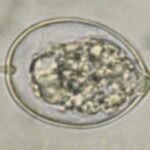 DiseasePhytophthora cactorum crown, collar, root and fruit rotPhytophthora cactorum
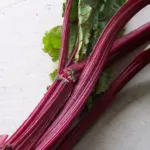 DiseaseBacterial soft rotPectobacterium carotovorum
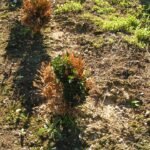 DiseasePhytophthora root and crown rotPhytophthora nicotianae
 Environmental stressUnderwatering
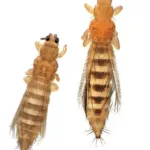 PestOnion thripsThrips tabaci Lindeman
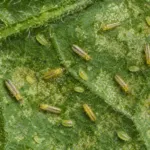 PestMelon thripsThrips palmi Karny
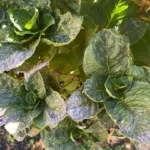 PestChilli thripsScirtothrips dorsalis Hood
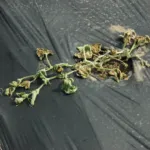 DiseaseBacterial WiltRalstonia solanacearum species complex
Toxicity and pollen
Alocasia species contain insoluble calcium oxalate crystals in their tissues. Chewing or swallowing can cause immediate irritation and pain in the mouth, drooling, vomiting, and difficulty swallowing; larger exposures may cause throat swelling. Wear gloves if sap contacts are a concern, wash hands after handling, and seek poison-control or medical advice after ingestion.
- Pollination / pollen
- Not well documented; pollen is produced within the spadix when flowering
Alocasia 'Nebula' is a cultivated tropical aroid and is not commonly documented in United States airborne-pollen calendars. Because exact cultivar-level allergy studies are lacking, airborne exposure should be treated as unknown rather than assumed absent. The more established exposure concern is irritating sap and plant tissue, not windborne pollen.
Native habitat
The species is native to Sarawak on Borneo and is associated with wet tropical forest conditions. Available horticultural accounts place it in warm, humid, lowland environments, possibly on limestone-derived substrates. It is adapted to filtered light, high atmospheric moisture, and soils that remain fresh but drain freely.
Interesting fact
The species was formally described by Alistair Hay in 2000. Its name refers to the clouded, muted appearance of the foliage. The original description emphasized its small stature, bullate leaf surface, close primary veins, and unusual posterior lobes. Plants circulated in horticulture under older names before the species was formally described.
Frequently asked questions (FAQ)
The most relevant questions about this plant, with short and direct answers.
🌱Quick care
How do you care for Alocasia 'Nebula' indoors?⌄
Give Alocasia 'Nebula' bright filtered light, moderate watering, warm temperatures, and an airy, chunky aroid mix. Keep the substrate evenly moist but never saturated, and use a pot with drainage holes.
How often should you water Alocasia 'Nebula'?⌄
Water Alocasia 'Nebula' when the upper portion of the mix has begun to dry, then drain excess water thoroughly. The exact interval varies with light, temperature, humidity, pot size, and substrate.
Does Alocasia 'Nebula' need high humidity?⌄
Alocasia 'Nebula' generally grows best with moderate to high humidity, especially indoors during dry winter heating. Good airflow is also important because stagnant, constantly wet conditions encourage disease.
Is Alocasia 'Nebula' easy to grow?⌄
Alocasia 'Nebula' is usually considered an intermediate-care houseplant rather than a beginner plant. Its main challenges are avoiding overwatering, maintaining warmth, and preventing abrupt changes in humidity or growing conditions.
🌤️Environment and placement
What light is best for Alocasia 'Nebula'?⌄
Bright filtered light is best for Alocasia 'Nebula'. Protect it from intense midday sun, which can scorch the leaves, while avoiding very dim locations that may cause weak growth and slower drying of the soil.
Can Alocasia 'Nebula' grow in a north-facing window?⌄
Alocasia 'Nebula' may grow in a bright north-facing window if the room receives ample indirect light. In a dim room, supplementing with a grow light can help maintain compact, healthy growth.
What temperature does Alocasia 'Nebula' need?⌄
Keep Alocasia 'Nebula' warm and away from cold drafts, air-conditioning vents, and sudden temperature changes. It is frost tender and should be protected from temperatures near freezing.
Can Alocasia 'Nebula' grow outdoors in the United States?⌄
Alocasia 'Nebula' can be grown outdoors in warm, frost-free areas with filtered light, but it should be brought indoors before cold weather in regions that experience frost. In most of the United States, it is grown as a container or houseplant.
Can Alocasia 'Nebula' tolerate direct sunlight?⌄
Alocasia 'Nebula' can tolerate limited gentle morning or late-afternoon sun after gradual acclimation, but strong direct sunlight may scorch its leaves. Bright shade or filtered light is the safer placement.
💧Care and problems
Why are the leaves of my Alocasia 'Nebula' turning yellow?⌄
Yellow leaves on Alocasia 'Nebula' commonly indicate excess moisture, root stress, insufficient light, or normal aging of an older leaf. Check the roots and substrate before watering again, especially if the mix stays wet for a long time.
Why is my Alocasia 'Nebula' drooping?⌄
Drooping may result from underwatering, root rot, cold temperatures, transplant shock, or sudden environmental change. Feel the mix and inspect the roots if the soil is wet but the plant continues to decline.
Why is Alocasia 'Nebula' losing leaves after repotting?⌄
Alocasia 'Nebula' may lose or droop leaves temporarily after repotting because disturbed roots cannot immediately support the foliage. Keep it warm in bright filtered light, avoid saturated soil, and allow time for new roots to establish.
How do you treat root rot in Alocasia 'Nebula'?⌄
Remove Alocasia 'Nebula' from its pot, cut away soft or discolored roots with sterilized tools, and repot the healthy portion in fresh, airy mix. Reduce watering and confirm that the container drains freely.
What pests attack Alocasia 'Nebula'?⌄
Spider mites, thrips, mealybugs, scale, and fungus gnats can affect Alocasia 'Nebula', particularly when the plant is stressed. Inspect leaf undersides and the substrate regularly, isolate affected plants, and treat promptly with a product labeled for indoor plants.
Should you fertilize Alocasia 'Nebula'?⌄
Fertilize Alocasia 'Nebula' lightly during active growth with a balanced houseplant fertilizer diluted according to the label. Do not fertilize a severely stressed, recently repotted, or dormant plant until it resumes healthy growth.
🪴Planting and repotting
What soil is best for Alocasia 'Nebula'?⌄
Use an airy, chunky, well-drained aroid mix containing materials such as orchid bark, perlite, pumice, or another source of structure. Avoid dense soil that remains saturated around the rhizome and roots.
What type of pot does Alocasia 'Nebula' need?⌄
Plant Alocasia 'Nebula' in a container with drainage holes that is only slightly larger than its root system. An oversized pot holds excess moisture and increases the risk of root rot.
When should you repot Alocasia 'Nebula'?⌄
Repot Alocasia 'Nebula' when roots have substantially filled the container, the mix has broken down, or drainage has become poor. Spring or another period of active growth is generally the least stressful time.
Does Alocasia 'Nebula' like to be root-bound?⌄
Alocasia 'Nebula' generally tolerates being slightly snug in its pot, so it does not need frequent repotting. Repot when the roots are genuinely crowded rather than simply following a fixed calendar.
✂️Propagation and pruning
How do you propagate Alocasia 'Nebula'?⌄
The most practical methods are separating offsets during repotting or growing corms under warm, humid conditions. Each division should include a viable growth point, and new propagations should remain lightly moist rather than waterlogged.
Can you propagate Alocasia 'Nebula' from a leaf cutting?⌄
A leaf cutting alone cannot reliably produce a new Alocasia 'Nebula' because new growth comes from a corm or rhizome with a viable bud. Propagation requires an offset, rhizome division, or corm.
When is the best time to propagate Alocasia 'Nebula'?⌄
Propagate Alocasia 'Nebula' during spring or early summer when warmth and active growth support faster establishment. Avoid dividing a cold, dormant, dehydrated, or severely stressed plant.
How do you grow Alocasia 'Nebula' corms?⌄
Place firm corms in lightly moist sphagnum moss or another airy propagation medium, then keep them warm in bright filtered light with high humidity. Pot the young plant into a small, well-drained container after it has formed roots and a leaf.
Should you prune Alocasia 'Nebula'?⌄
Pruning is limited to removing yellow, dead, or badly damaged leaves by cutting the petiole near its base with a sterilized tool. Healthy leaves should be retained because Alocasia 'Nebula' uses them to support growth.
⚠️Toxicity and safety
Is Alocasia 'Nebula' toxic to cats and dogs?⌄
Yes, Alocasia 'Nebula' is toxic if ingested and should be kept away from cats, dogs, and other pets. Its tissues contain irritating compounds that can cause oral pain, drooling, vomiting, and difficulty swallowing.
Is Alocasia 'Nebula' toxic to humans?⌄
Yes, Alocasia 'Nebula' is toxic if ingested by humans. Keep it away from children, do not consume any part of the plant, and contact a medical or poison-control professional if ingestion occurs.
Should you wear gloves when handling Alocasia 'Nebula'?⌄
Gloves are a sensible precaution when cutting or repotting Alocasia 'Nebula', particularly for people with sensitive skin. Wash your hands after handling it and keep plant debris away from children and pets.
🌸Flowering and special interest
Does Alocasia 'Nebula' produce flowers?⌄
Alocasia 'Nebula' can produce the small, enclosed flower structure typical of aroids, although flowering is not its main ornamental feature. Indoor plants may flower infrequently, especially when conditions are inconsistent or the plant is still young.
Should you cut off flowers on Alocasia 'Nebula'?⌄
You may remove an Alocasia 'Nebula' flower if the plant is weak, stressed, or you prefer to conserve energy for foliage. If the plant is healthy, leaving the inflorescence in place is also acceptable until it fades.
Similar plants
 Saucer Magnolia (Magnolia soulangeana) care guideMagnolia soulangeana
 Magnolia × loebneri ‘Merrill’Magnolia × loebneri 'Merrill'
 Magnolia loebneri care guideMagnolia loebneri
 Sweetbay magnolia (Magnolia virginiana) care guideMagnolia virginiana
 Star magnolia (Magnolia stellata) care guideMagnolia stellata
 Magnolia sprengeri care guideMagnolia sprengeri