
 Source:
 Alocasia ‘Black Velvet’ short overview
Alocasia 'Black Velvet' is a compact tropical elephant ear grown primarily for its thick, near-black, velvety leaves and sharply contrasting silvery veins. The plant is closely associated with Alocasia reginula and is widely grown as a warm indoor specimen in the United States. Give it bright filtered light, an airy fast-draining medium, steady warmth, and careful watering; its tissues are toxic if chewed.
Taxonomic classification
Alocasia ‘Black Velvet’ care guide
Light and placement
Provide bright filtered or gently indirect light, such as an east window or a west/south window screened by a sheer curtain. A little gentle morning sun can be useful, but strong midday sun may bleach or scorch the dark leaf surface. Dim light causes smaller leaves, stretched petioles, and slower drying; excessive light causes pale patches, crisp edges, or scorch.
Watering and humidity
Drench the medium thoroughly, then let the upper portion dry before watering again; never leave the pot standing in runoff. Water less often in winter, after a cool spell, or in lower light, and more often during warm active growth. Humidity helps leaf quality, but it does not compensate for dense soil or poor drainage.
Soil and growing medium
Use a chunky, porous mix that drains quickly yet retains modest moisture: quality houseplant soil amended with perlite, pumice, fine orchid bark, or similar material. A slightly acidic to neutral reaction is suitable. Avoid dense, waterlogged media, which greatly increases the risk of corm and root rot.
Feeding
Feed during active growth with a complete balanced houseplant fertilizer diluted to about half the label strength every 3–4 weeks. Apply only to already-moist media. Reduce or stop feeding during cool, dim winter conditions or whenever the plant is stressed, recently repotted, or showing root damage.
Growth and habit
A compact, evergreen, clumping aroid that produces successive leaves from a short stem or corm. Growth is strongest with warmth, bright filtered light, adequate humidity, and oxygen-rich media. Plants often pause or decline when chilled, chronically wet, or severely light-limited, so stable conditions and conservative watering are more useful than frequent disturbance.
Planting and repotting
In the United States, grow this tender tropical primarily in containers. Plant or pot during active warm-season growth, setting the corm at approximately its existing depth rather than burying the crown. Leave enough space for offsets to develop, but avoid an oversized pot that stays wet for too long.
Repot only when the root system has filled the container or the medium has broken down. Move up just one pot size, preferably in spring or early summer, and disturb the roots as little as practical. Keep the corm at the same depth and use a container with generous drainage holes.
Propagation and pruning
Propagation
Most home growers propagate by separating offsets or small cormels during repotting, keeping each division with viable roots or a growth point. Seed propagation is possible in principle but is uncommon, slow, and dependent on successful pollination. Warmth, high humidity, sterile media, and restrained moisture help offsets establish.
Pruning
Remove yellow, damaged, or fully spent leaves at the base with clean, sharp tools. Do not cut healthy leaves simply to shape the plant; each leaf contributes energy to the corm. Wipe tools after cutting because sap can irritate skin and plant fluids should not contact eyes or mouth.
Overwintering
Keep indoors before temperatures approach 55°F, and protect from all frost. In winter, give the brightest filtered light available, reduce watering as growth slows, stop routine feeding, and keep the plant away from cold glass, drafts, and heating vents. Resume more regular watering only when warm new growth returns.
Uses
Used as a compact ornamental foliage plant for indoor containers, plant cabinets, shaded patios in warm climates, and protected tropical displays. It is not an edible plant and should not be used for food or home remedies because calcium oxalate crystals can injure the mouth and digestive tract.
Appearance
The plant is recognized by thick, almost black, heart-shaped leaves with a matte velvet texture and prominent silvery-white primary veins. Leaves arise on dark petioles from a compact cormous base, and offsets can form a small clump. The contrast between dark laminae and pale venation is the principal identification feature.
Flowering
Mature plants can produce a typical aroid inflorescence consisting of a pale spathe surrounding a spadix, but indoor flowering is irregular and not the main ornamental feature. Reliable cultivar-specific flowering dates and fragrance reports are unavailable.
Pollination and visitors
No dependable documentation was found for a specific animal pollinator or visitor of this exact cultivar. Alocasia inflorescences are generally insect-associated, but genus-level observations should not be assigned specifically to 'Black Velvet' without direct evidence.
Alocasia 'Black Velvet' photos
Click any photo for a larger view. Source, author and license are shown separately.
Diseases and pests
Diseases
The main risks are root or corm rots caused by persistently wet media, along with leaf-spot problems encouraged by poor airflow and wet foliage. Use a porous substrate, water only when the upper layer has partly dried, remove damaged tissue with sterile tools, and isolate affected plants. Discard severely rotted tissue rather than repeatedly keeping it wet.
Pests
Spider mites, thrips, mealybugs, and scale may attack stressed plants. Inspect leaf undersides and petiole bases regularly, isolate infested specimens, wash foliage where appropriate, and use insecticidal soap or another labeled treatment according to its directions. Correct dry air, poor airflow, or excessive nitrogen that may worsen infestations.
Related diseases and pests
Only Plant Doctor profiles whose host data indicate this plant may be affected are shown here.
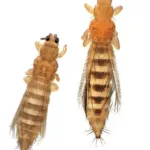 PestOnion thripsThrips tabaci Lindeman
 PestMelon thripsThrips palmi Karny
 PestChilli thripsScirtothrips dorsalis Hood
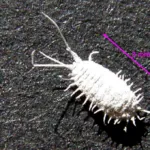 PestObscure mealybugPseudococcus viburni
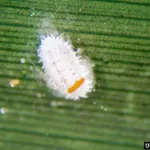 PestCitrus mealybugPlanococcus citri
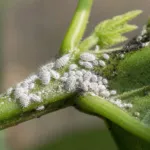 PestCotton mealybugPhenacoccus solenopsis Tinsley
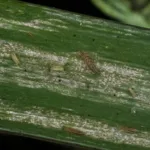 PestDracaena ThripsParthenothrips dracaenae
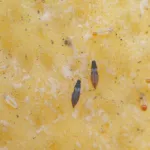 PestGreenhouse thripsHeliothrips haemorrhoidalis
Toxicity and pollen
Alocasia tissues contain insoluble calcium oxalate crystals. Chewing or swallowing can cause immediate burning and irritation of the mouth, tongue, and throat, drooling, vomiting, or difficulty swallowing. Keep the plant inaccessible to children and pets, wear gloves when handling damaged tissue, and seek poison-control or veterinary advice after ingestion.
- Pollination / pollen
- Limited airborne exposure expected; exact release behavior undocumented
This is a flowering aroid, but no reliable evidence establishes a significant airborne-allergen profile for this exact cultivar. Its inflorescences produce pollen as part of reproduction, yet the pollen is not documented here as a major seasonal outdoor allergen in the United States. Avoid contact with plant sap and tissues for toxicity reasons, which is separate from pollen exposure.
Native habitat
Alocasia reginula is associated with tropical Borneo, especially Sabah, but the precise natural distribution and original wild provenance of material sold as 'Black Velvet' are not fully settled. Reports describe shaded, humid forest settings and limestone-associated habitats. In cultivation, it behaves as a warm understory plant requiring drainage, shelter, and protection from frost.
Interesting fact
The familiar name 'Black Velvet' is strongly associated with Alocasia reginula in horticulture, although its formal taxonomic and cultivar treatment is not presented consistently across sources. Its leaves are unusually thick and velvety for an Alocasia. It is a compact jewel-type plant rather than a giant outdoor elephant ear.
Frequently asked questions (FAQ)
The most relevant questions about this plant, with short and direct answers.
🌱Quick care
How do you care for Alocasia 'Black Velvet' indoors?⌄
Give Alocasia 'Black Velvet' bright filtered light, moderate watering, warm conditions, and a chunky, airy mix that drains quickly. Let the upper part of the mix dry before watering again, because constantly wet roots can rot.
How often should you water Alocasia 'Black Velvet'?⌄
Water Alocasia 'Black Velvet' when the top 1–2 inches of potting mix have dried, then water thoroughly until excess drains away. Adjust the interval for light, temperature, pot size, and season rather than following a fixed schedule.
Does Alocasia 'Black Velvet' need high humidity?⌄
Alocasia 'Black Velvet' grows best with moderate to high humidity, preferably around 50–70% indoors. Good airflow matters as much as humidity, and a humidifier is generally more effective than misting.
What is the best soil for Alocasia 'Black Velvet'?⌄
Use a chunky, airy, well-drained houseplant mix containing materials such as orchid bark, perlite, and coco coir or peat. The mix should hold some moisture while allowing air to reach the roots and excess water to escape quickly.
🌤️Environment and placement
How much light does Alocasia 'Black Velvet' need?⌄
Place Alocasia 'Black Velvet' in bright filtered or indirect light. Gentle morning sun can be acceptable, but strong direct afternoon sun may scorch the dark, velvety leaves.
Can Alocasia 'Black Velvet' grow under a grow light?⌄
Yes, Alocasia 'Black Velvet' can grow well under a grow light when it receives bright, indirect-style illumination for roughly 10–12 hours daily. Keep the light far enough away to prevent bleaching, curling, or leaf scorch.
What temperature is best for Alocasia 'Black Velvet'?⌄
Keep Alocasia 'Black Velvet' warm, ideally about 65–80°F during active growth, and protect it from cold drafts. It is frost tender and should be moved indoors before temperatures approach freezing.
Can Alocasia 'Black Velvet' live outside in the United States?⌄
Alocasia 'Black Velvet' can live outdoors in warm, frost-free areas when sheltered from harsh sun and heavy rain. In most of the United States, grow it as a container plant and bring it indoors before cold weather.
Is a bathroom a good place for Alocasia 'Black Velvet'?⌄
A bright bathroom can suit Alocasia 'Black Velvet' if it has a window or supplemental grow light and adequate airflow. A dark bathroom will not provide enough light, even if humidity is high.
💧Care and problems
Why are the leaves of my Alocasia 'Black Velvet' turning yellow?⌄
Yellow leaves on Alocasia 'Black Velvet' commonly result from overly wet soil, poor drainage, low light, or normal aging of an older leaf. Check the roots and mix before watering again, especially if several leaves yellow at once.
Why is my Alocasia 'Black Velvet' drooping?⌄
Drooping may indicate underwatering, root damage from wet soil, cold stress, or recent relocation. Check the mix and roots first; water only if the mix is partly dry and the roots are firm rather than brown and mushy.
Why are the leaves of Alocasia 'Black Velvet' turning brown?⌄
Brown edges or tips usually point to dry soil, low humidity, salt buildup, excessive direct sun, or cold stress. Keep watering consistent, use a well-drained mix, and protect the plant from harsh light and drafts.
Why is my Alocasia 'Black Velvet' losing leaves after I bring it home?⌄
Leaf loss after purchase is often an acclimation response caused by changes in light, humidity, temperature, or watering. Keep conditions stable and avoid immediately repotting unless the plant has evident root rot, pests, or severely waterlogged soil.
Why does Alocasia 'Black Velvet' only keep one or two leaves?⌄
Alocasia 'Black Velvet' may replace an older leaf as it produces a new one, especially when light, warmth, humidity, or nutrition is limited. Persistent loss of multiple leaves usually indicates stress, so inspect the roots and growing conditions.
How do I treat root rot in Alocasia 'Black Velvet'?⌄
To treat root rot, remove the plant from its pot, cut away black or mushy roots with sterile scissors, and repot the firm, healthy portion in fresh airy mix. Use a smaller pot with drainage and wait until the mix partly dries before watering.
What pests attack Alocasia 'Black Velvet'?⌄
Spider mites, thrips, mealybugs, and scale can infest Alocasia 'Black Velvet', especially in dry indoor conditions. Inspect leaf undersides and new growth regularly, isolate affected plants, and treat promptly with a product labeled for indoor plants.
Should I mist Alocasia 'Black Velvet' leaves?⌄
Routine misting is not necessary for Alocasia 'Black Velvet' and can leave foliage wet without meaningfully raising humidity. Use a humidifier, group plants, or improve room humidity while maintaining airflow around the leaves.
Should I fertilize Alocasia 'Black Velvet'?⌄
Fertilize Alocasia 'Black Velvet' lightly during active growth with a balanced houseplant fertilizer diluted according to its label. Reduce or stop feeding during slow winter growth, and avoid fertilizing dry or recently stressed plants.
🪴Planting and repotting
When should I repot Alocasia 'Black Velvet'?⌄
Repot Alocasia 'Black Velvet' when roots circle densely, emerge from drainage holes, or the mix breaks down and stays wet. Spring or the beginning of active growth is usually the least stressful time, but urgent root problems should be addressed immediately.
What size pot does Alocasia 'Black Velvet' need?⌄
Choose a pot only about 1–2 inches wider than the current root ball for Alocasia 'Black Velvet'. An oversized pot holds excess moisture around the roots and increases the risk of rot.
Should Alocasia 'Black Velvet' be planted deeply?⌄
Plant Alocasia 'Black Velvet' at the same depth as before, with the crown and rhizome junction near the surface rather than buried deeply. Cover the roots but keep the central growing point above the mix.
Can Alocasia 'Black Velvet' grow in self-watering pots or pon?⌄
Alocasia 'Black Velvet' can adapt to semi-hydroponic systems such as pon, but the transition should be gradual and the plant must develop healthy roots first. In regular soil, avoid keeping the root zone continuously saturated.
✂️Propagation and pruning
How do you propagate Alocasia 'Black Velvet'?⌄
Propagate Alocasia 'Black Velvet' mainly from offsets or corms removed during repotting. Keep corms warm and lightly moist in sphagnum moss or another airy medium until roots and a shoot develop.
Can you propagate Alocasia 'Black Velvet' from a leaf cutting?⌄
No, a leaf or leaf petiole alone will not normally produce a new Alocasia 'Black Velvet' plant. Successful propagation requires a corm, rhizome section, or established offset containing a viable growing point.
When can Alocasia 'Black Velvet' offsets be separated?⌄
Separate an offset when it has its own roots and a visible growing point, preferably during active growth. Small rootless offsets are more prone to drying out or failing than well-developed divisions.
Should I remove corms from Alocasia 'Black Velvet'?⌄
Remove corms only when you want to propagate the plant or are already repotting it. Leave healthy corms attached if you prefer the mother plant to remain undisturbed and continue producing foliage.
⚠️Toxicity and safety
Is Alocasia 'Black Velvet' toxic to cats and dogs?⌄
Yes, Alocasia 'Black Velvet' is toxic to cats and dogs because it contains insoluble calcium oxalates. Chewing or ingesting it can cause painful mouth irritation, drooling, swelling, vomiting, or difficulty swallowing, so keep it out of pets’ reach.
Is Alocasia 'Black Velvet' poisonous to people?⌄
Yes, Alocasia 'Black Velvet' can irritate the mouth, throat, skin, and digestive system if chewed or swallowed because of insoluble calcium oxalates. Wear gloves when handling damaged tissue and contact Poison Control or a medical professional after ingestion.
Should I wear gloves when pruning Alocasia 'Black Velvet'?⌄
Gloves are a sensible precaution when pruning or repotting Alocasia 'Black Velvet' because its sap and tissues contain irritating calcium oxalates. Wash your hands and tools afterward, and keep plant debris away from children and pets.
🌸Flowering and special interest
Does Alocasia 'Black Velvet' produce flowers?⌄
Yes, mature Alocasia 'Black Velvet' can produce a small aroid-type inflorescence consisting of a spathe and spadix. Flowering is less showy than the foliage and may occur when the plant is mature and growing strongly.
Should I cut off a flower from Alocasia 'Black Velvet'?⌄
You may leave the flower on Alocasia 'Black Velvet' or remove it cleanly if you prefer the plant to direct energy toward foliage. Cutting is optional; use sterile scissors and avoid damaging nearby leaves or the growing point.
Similar plants
 Saucer Magnolia (Magnolia soulangeana) care guideMagnolia soulangeana
 Magnolia × loebneri ‘Merrill’Magnolia × loebneri 'Merrill'
 Magnolia loebneri care guideMagnolia loebneri
 Sweetbay magnolia (Magnolia virginiana) care guideMagnolia virginiana
 Star magnolia (Magnolia stellata) care guideMagnolia stellata
 Magnolia sprengeri care guideMagnolia sprengeri