
 Source:
 Osmunda ‘Cinnamomea’ short overview
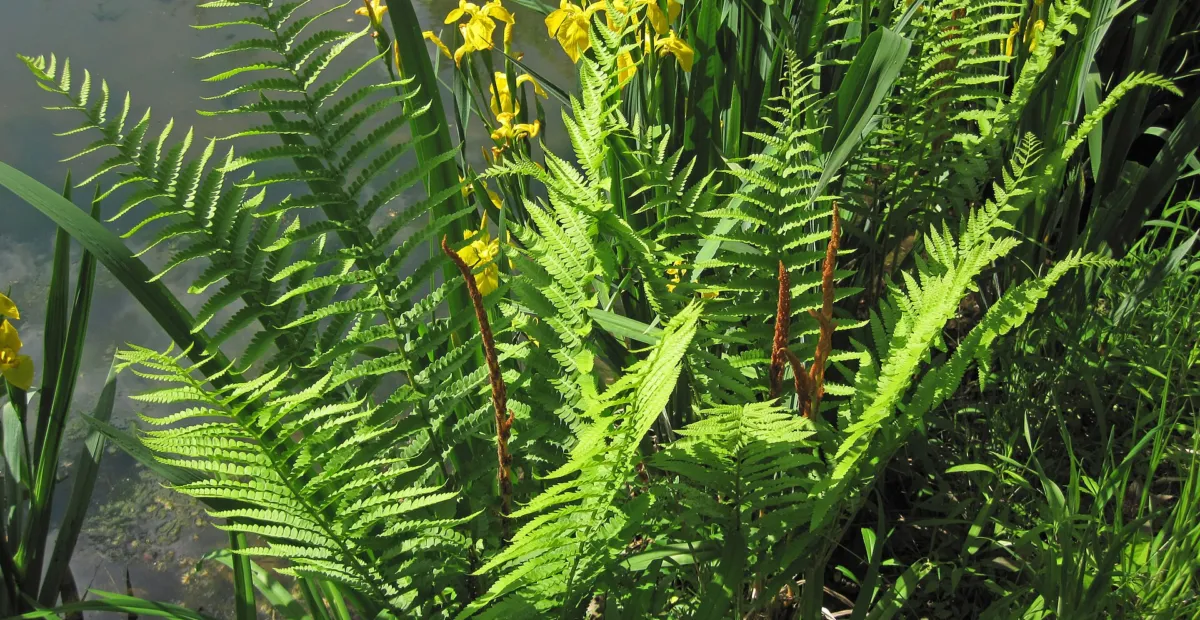
Osmunda 'Cinnamomea' is an editor-supplied horticultural identity associated with the cinnamon fern backbone Osmundastrum cinnamomeum. Reliable sources document the species more clearly than this exact quoted cultivar, so its care profile is based on the cinnamon fern’s established behavior: a long-lived, deciduous clumping fern for consistently moist, humus-rich, acidic soil in partial shade to shade. Separate cinnamon-brown fertile fronds rise among the green sterile fronds in spring.
Taxonomic classification
Osmunda ‘Cinnamomea’ care guide
Light and placement
Give filtered light, morning sun, partial shade, or deep shade. In cooler climates it can tolerate more sun if the soil stays wet; hot afternoon sun commonly causes frond scorch, yellowing, or premature dormancy. Too little light may produce looser, less vigorous growth, while excess light combined with drying soil is the more serious risk.
Watering and humidity
Keep the root zone evenly moist from spring through fall, watering deeply whenever the upper soil begins to lose moisture. Do not rely on brief surface sprinkling. Increase irrigation during heat, wind, or drought, and reduce it only after dormancy when the soil is naturally wet. High humidity helps, but consistent root moisture is the priority.
Soil and growing medium
Use deep, organic, moisture-retentive soil with reliable drainage but no prolonged drying. A loam amended with leaf mold, compost, or peat-free organic matter suits the species. Acidic conditions are preferred; avoid strongly alkaline, drought-prone ground. In containers, use a moisture-retentive woodland mix rather than a sharply gritty medium.
Feeding
Feed lightly in spring as new fronds expand, using a thin compost mulch or a diluted, balanced organic fertilizer. Avoid heavy nitrogen applications, concentrated granular fertilizer near the crown, and late-season feeding. In fertile woodland soil, routine fertilizer may be unnecessary; maintaining organic matter and moisture is usually more beneficial.
Growth and habit
Forms a long-lived clump from a stout, horizontal rhizome. It may be slow to settle after planting but can become vigorous where moisture is constant. Let the clump expand naturally, divide only when needed, and avoid repeated disturbance of the crown.
Planting and repotting
Plant in spring or early fall while the soil is workable and naturally moist. Set the crown at soil level; do not bury the growing point. Water deeply after planting and mulch with leaf mold or fine bark, keeping mulch away from the crown. Allow room for a broad clump and avoid sites that dry out in summer.
Repot only when the container is crowded or the rhizome has outgrown its space. Move the plant in early spring before vigorous frond expansion, preserving the root ball and keeping the crown at its original level. Choose a broad, stable container with drainage and maintain even moisture after transplanting.
Propagation and pruning
Propagation
Divide established rhizomatous clumps in early spring before full frond expansion or in early fall, ensuring each division has a viable crown and roots. Propagation from spores is possible but slow and requires sterile, consistently moist conditions through the gametophyte stage. Seed propagation does not apply.
Pruning
Cut back brown, collapsed fronds in late winter or very early spring before new fiddleheads unfurl. Removing old fronds earlier is optional, but leaving them through winter provides some visual structure and protects the crown. Do not cut into emerging crowns.
Overwintering
Leave healthy old fronds in place through winter if desired, then remove them before spring growth. In cold regions, a light leaf mulch can moderate freeze-thaw cycles, but established plants are generally outdoor hardy. Container-grown plants need more protection because roots are exposed to colder temperatures than those in the ground.
Uses
Useful as a structural native fern for shaded rain gardens, woodland borders, pond edges, streamside plantings, and wet low spots. It can provide dense ground cover and nesting material in naturalized habitats. The historical use of fibrous roots for orchid culture is not a recommendation to harvest wild plants.
Appearance
Produces two visually distinct frond types. Sterile fronds are erect to arching, bipinnate, yellow-green to green, and emerge as hairy fiddleheads. Separate fertile fronds are narrower, stiffer, and densely cinnamon-brown because of their spore-bearing structures. The stout horizontal rhizome gives mature plants a clumping, architectural presence.
Pollination and visitors
No flowers are produced, and reproduction occurs through spores rather than animal pollination. No reliable documentation was found for a characteristic animal pollinator or visitor assemblage for this exact identity.
Osmunda 'Cinnamomea' photos
Click any photo for a larger view. Source, author and license are shown separately.
Diseases and pests
Diseases
Generally trouble-free when grown in moist, well-aerated soil. Crown or root problems are most likely where drainage is stagnant or the crown is buried. Remove badly damaged fronds, improve site drainage if needed, and avoid overhead irrigation during persistently cool, wet weather.
Pests
Usually minor. Slugs and snails may chew emerging fronds in damp gardens. Inspect new growth, remove hiding places, and use proportionate, wildlife-conscious controls only when damage is significant. Avoid stressing plants with drought, which can reduce vigor and increase general susceptibility.
Toxicity and pollen
No specific toxicity warning for this exact horticultural identity was located in the authoritative sources reviewed. Ferns can still cause individual skin or digestive sensitivity, and plant material should not be eaten unless a species-specific edible-use authority supports it. Keep unidentified nursery material away from routine pet or child consumption.
- Pollination / pollen
- Spores, not pollen
Ferns do not produce pollen; they reproduce with spores. This means pollen allergy exposure from the plant itself is not expected. Spores are not equivalent to pollen, and people with respiratory sensitivities should still avoid inhaling concentrated dust from dried plant material.
Native habitat
The associated species is native across broad parts of eastern North America and also occurs in Asia. It is characteristic of wet, acidic, organic soils in swamps, boggy woods, streambanks, wet thickets, and other humid habitats. It tolerates more open light when soil moisture remains dependable.
Interesting fact
The cinnamon-brown structures are fertile fronds bearing spores, not flowers. The species was historically placed in Osmunda but is now generally accepted in the separate genus Osmundastrum. Its dense fibrous root mass was historically harvested as osmundine for orchid culture. Sterile fronds can turn yellow in autumn before dormancy.
Frequently asked questions (FAQ)
The most relevant questions about this plant, with short and direct answers.
🌱Quick care
What is Osmunda 'Cinnamomea'?⌄
Osmunda 'Cinnamomea' is a deciduous cinnamon fern in the family Osmundaceae, treated botanically within the genus Osmundastrum. It forms a clump of green sterile fronds and shorter cinnamon-brown fertile fronds.
Is Osmunda 'Cinnamomea' easy to grow?⌄
Yes, Osmunda 'Cinnamomea' is generally easy to grow when planted in consistently moist, humus-rich soil. Its main requirement is protection from prolonged drying.
How much light does Osmunda 'Cinnamomea' need?⌄
Osmunda 'Cinnamomea' grows best in partial shade to shade. It can tolerate some gentle morning or filtered light if the soil remains reliably moist, but hot afternoon sun can scorch or stress it.
How often should I water Osmunda 'Cinnamomea'?⌄
Water Osmunda 'Cinnamomea' whenever the soil surface begins to lose moisture, keeping the root zone consistently damp. Do not allow the plant to dry out for extended periods.
Is Osmunda 'Cinnamomea' hardy outdoors?⌄
Yes, Osmunda 'Cinnamomea' is a hardy outdoor perennial fern. Winter dormancy and the loss of fronds are normal in climates with freezing temperatures.
🌤️Environment and placement
What is the best location for Osmunda 'Cinnamomea'?⌄
Plant Osmunda 'Cinnamomea' in a shaded woodland garden, rain garden, bog garden, or beside a pond or stream. Choose a site where moisture is dependable and summer heat is moderated.
Can Osmunda 'Cinnamomea' grow in full shade?⌄
Yes, Osmunda 'Cinnamomea' can grow in full shade if the soil stays moist. Growth may be less vigorous than in bright, filtered shade, but direct sun is not required.
Can Osmunda 'Cinnamomea' tolerate wet soil?⌄
Yes, Osmunda 'Cinnamomea' is well suited to wet or periodically saturated soil. It is especially useful for low areas, stream margins, and other locations that remain moist without becoming stagnant.
Can Osmunda 'Cinnamomea' grow in a rain garden?⌄
Yes, Osmunda 'Cinnamomea' is a suitable rain-garden plant when placed in a shaded or partly shaded section. It handles temporarily wet conditions but should not be planted where the soil repeatedly becomes completely dry.
What USDA hardiness zones are suitable for Osmunda 'Cinnamomea'?⌄
Osmunda 'Cinnamomea' is broadly cold hardy across much of the United States, but exact performance depends on moisture and local exposure. In warmer regions, shade and dependable soil moisture are particularly important.
💧Care and problems
What soil does Osmunda 'Cinnamomea' prefer?⌄
Osmunda 'Cinnamomea' prefers moist, humus-rich, acidic woodland soil. Incorporating leaf mold or compost can improve moisture retention and organic content in poor garden soil.
Should Osmunda 'Cinnamomea' be fertilized?⌄
Osmunda 'Cinnamomea' usually needs little fertilizer when grown in fertile, organic soil. A light annual top-dressing of compost or leaf mold is generally preferable to heavy feeding.
Why is my Osmunda 'Cinnamomea' turning brown?⌄
Brown fronds on Osmunda 'Cinnamomea' are most often caused by drought, excessive sun, seasonal dormancy, or natural aging. Check soil moisture first and move or shade the plant if it receives hot afternoon exposure.
Why is my Osmunda 'Cinnamomea' wilting?⌄
Wilting usually means Osmunda 'Cinnamomea' is not receiving enough moisture or is exposed to excessive heat or sun. Water deeply and consistently, then check that the soil remains damp below the surface.
Does Osmunda 'Cinnamomea' have serious pests or diseases?⌄
Osmunda 'Cinnamomea' generally has few serious pest or disease problems. Poor vigor is more commonly linked to dry soil, unsuitable sunlight, or transplant stress.
Does Osmunda 'Cinnamomea' go dormant in winter?⌄
Yes, Osmunda 'Cinnamomea' is deciduous and commonly becomes dormant in winter. Allow old fronds to die back naturally and expect new fiddleheads to emerge in spring.
🪴Planting and repotting
When should I plant Osmunda 'Cinnamomea'?⌄
Plant Osmunda 'Cinnamomea' in spring or early fall when temperatures are moderate and soil moisture is dependable. Spring planting is especially useful in colder areas because it provides a full growing season for establishment.
How far apart should I plant Osmunda 'Cinnamomea'?⌄
Space Osmunda 'Cinnamomea' about 2 to 3 feet apart for individual clumps, adjusting the distance for the desired density. Give extra room in consistently wet sites where plants may become larger.
Can Osmunda 'Cinnamomea' be grown in a container?⌄
Osmunda 'Cinnamomea' can be grown in a large container if the pot holds moisture and provides adequate drainage. Container plants require more frequent watering because they dry out faster than plants in the ground.
How do I transplant Osmunda 'Cinnamomea'?⌄
Transplant Osmunda 'Cinnamomea' during dormancy or mild weather, keeping the rhizome and roots intact and the soil continuously moist. Water thoroughly after planting and protect the division from drying while it reestablishes.
✂️Propagation and pruning
How can I propagate Osmunda 'Cinnamomea'?⌄
Osmunda 'Cinnamomea' can be propagated by dividing established clumps or by sowing fresh spores. Division is the more practical method for home gardeners, while spores require specialized, consistently moist conditions.
Can Osmunda 'Cinnamomea' be propagated from spores?⌄
Yes, Osmunda 'Cinnamomea' can be grown from spores, but fresh spores must be sown promptly because fern spores lose viability relatively quickly. Spores need a sterile, moist growing medium and careful long-term maintenance.
When is the best time to divide Osmunda 'Cinnamomea'?⌄
Divide Osmunda 'Cinnamomea' in early spring before vigorous frond expansion or in early fall where winters are mild. Each division should include a healthy section of rhizome and roots.
Should I cut back Osmunda 'Cinnamomea' in fall?⌄
Cutting back Osmunda 'Cinnamomea' is optional rather than necessary. Remove dead or damaged fronds in late fall or early spring, taking care not to damage emerging fiddleheads.
⚠️Toxicity and safety
Is Osmunda 'Cinnamomea' toxic to people or pets?⌄
The toxicity of Osmunda 'Cinnamomea' is uncertain, and no specific warning was located for this exact horticultural identity. Keep it away from children and pets and avoid ingestion, especially because fern identification and cultivar labeling can vary.
🌸Flowering and special interest
When does Osmunda 'Cinnamomea' produce its cinnamon-colored fronds?⌄
Osmunda 'Cinnamomea' produces its distinctive cinnamon-brown fertile fronds in spring, often before or among the expanding green sterile fronds. These fertile fronds are specialized for spore production rather than flowering.
Does Osmunda 'Cinnamomea' flower?⌄
No, Osmunda 'Cinnamomea' does not produce flowers. Like other ferns, it reproduces through spores formed on specialized fertile fronds.
Are the fiddleheads of Osmunda 'Cinnamomea' edible?⌄
The young fiddleheads of some cinnamon ferns have been used as food, but identification and preparation must be exact. Because the supplied safety evidence is uncertain for this specific horticultural identity, do not eat it without authoritative local guidance.
Similar plants
 Azure Monkshood (Aconitum carmichaelii) care guideAconitum carmichaelii
 Monkshood (Aconitum ‘Stainless Steel’)Aconitum 'Stainless Steel'
 Monkshood (Aconitum ‘Bressingham Spire’)Aconitum 'Bressingham Spire'
 Golden full moon maple (Acer shirasawanum ‘Aureum’)Acer shirasawanum 'Aureum'
 Globosum (Acer platanoides ‘Globosum’)Acer platanoides 'Globosum'
 Striped maple (Acer pensylvanicum) care guideAcer pensylvanicum