
 Source:
 Kumara plicatilis short overview
Kumara plicatilis is a distinctive South African succulent shrub or small tree recognized by its branched, woody stems and unusual fans of blue-gray, spineless leaves. Mature plants can produce upright racemes of tubular red flowers in the cooler season. In the United States, grow it in full sun and sharply drained soil, using a container or sheltered outdoor site wherever freezing temperatures are possible.
Taxonomic classification
Kumara plicatilis care guide
Light and placement
Give the plant full sun, ideally in a south- or west-facing position with shelter from prolonged cold and excessive winter rain. Strong light supports compact fans and flowering. Too little light causes stretched growth, paler foliage, and weak stems; intense heat reflected from walls or glass may scorch leaves, so provide ventilation and acclimate plants gradually.
Watering and humidity
Water thoroughly, then allow the growing medium to dry substantially before watering again. During active growth, increase watering only when the mix is dry; reduce sharply in cool or low-light winter conditions. Never leave the pot standing in water. Low humidity is generally suitable, and good air movement is more important than misting.
Soil and growing medium
Use a very sharply drained mineral-leaning mix based on coarse sand, pumice, grit, or similar components with modest loam or organic matter. Rocky, sandy soils are appropriate, and mildly acidic to neutral conditions are well supported. Avoid compacted or waterlogged media, especially in cool weather, because stagnant moisture can cause root rot.
Feeding
Feed sparingly during active growth in spring and summer, using a diluted, low-nitrogen cactus or succulent fertilizer no more than two or three times per season. Do not fertilize newly rooted cuttings, recently repotted plants, or plants growing in cold, dim, or waterlogged conditions. Excess fertilizer can produce weak growth and salt accumulation.
Growth and habit
This is a long-lived, slow-growing succulent that gradually develops a branched woody framework. Leaf fans remain concentrated at branch ends, giving older plants a sculptural, tiered appearance. Slow growth means young specimens can remain container-sized for years; protect them from competition, mechanical damage, and prolonged wetness.
Planting and repotting
Plant outdoors in spring after the danger of freezing has passed, choosing a raised, sheltered position with excellent drainage. Set the root ball at its original depth rather than burying the stem. Allow ample room for branching and airflow; establish with occasional deep watering, then extend the interval as roots settle.
Repot in spring or early summer only when the container is crowded or the growing medium has degraded. Move the plant into a pot only modestly larger than the root ball and use a fast-draining cactus or succulent mix amended with extra grit. Handle the woody stems and leaves carefully, then wait several days before watering.
Propagation and pruning
Propagation
Propagate from fresh seed or branch/stem cuttings. Sow seed in a clean, sharply drained medium and keep it lightly moist while germinating at approximately 70°F. For cuttings, take healthy branches in late spring or early summer, allow the cut surface to dry and callus, then place it in gritty medium with restrained watering until roots form. Growth is slow.
Pruning
Routine pruning is generally unnecessary. Remove dead flower stalks or damaged branches after flowering with clean tools, cutting back to sound tissue. Avoid removing healthy leaf fans, and do not make large cuts during prolonged cool, wet weather because wounds may remain vulnerable to rot.
Overwintering
Move container plants indoors, into a greenhouse, or under a bright covered structure before hard freezes. Keep winter temperatures cool but safely above freezing, give maximum light and ventilation, and water sparingly. In frost-free areas, protect the root zone from prolonged cold rain and use a sheltered position.
Uses
Use as an architectural specimen in a rock garden, dry border, conservatory, sunroom, greenhouse, or large patio container. Its fan-shaped foliage provides year-round structure, while mature plants offer seasonal flowers for nectar-feeding birds and insects. Do not use the leaves medicinally or as food because ingestion is reported as harmful.
Appearance
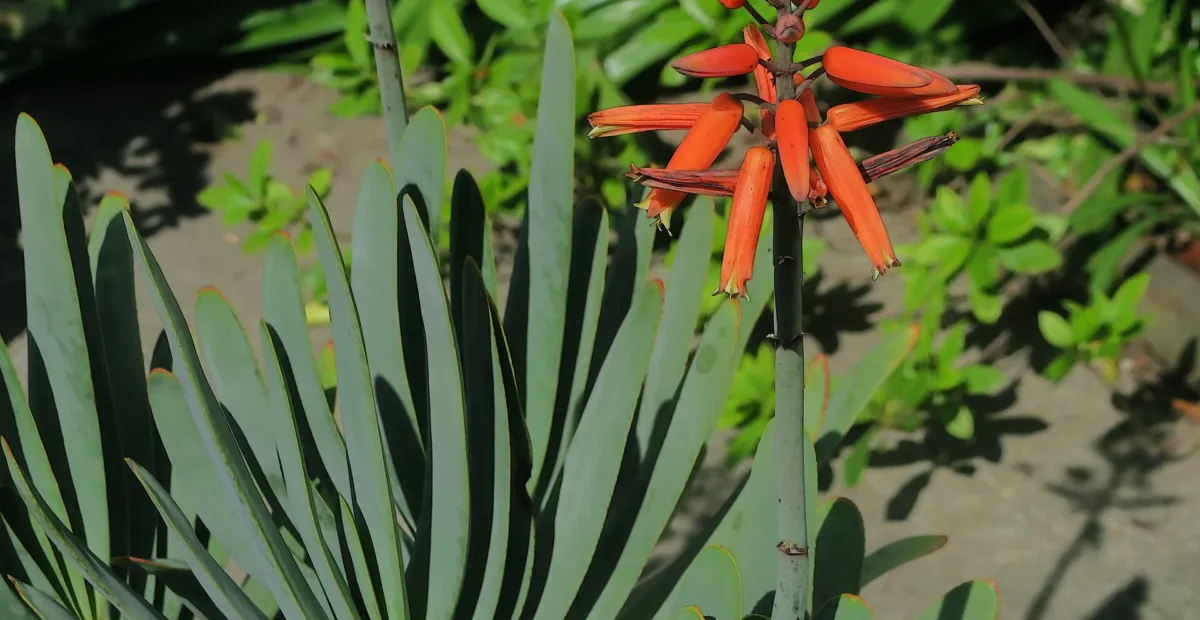
The plant has branched, woody or corky stems topped by unusual fans of stiff, strap-shaped leaves arranged in two opposite ranks. Leaves are fleshy, blue-gray to gray-green, spineless, and mostly smooth-edged, with small teeth sometimes present near the tips. The fan arrangement and tree-like branching are its most useful identification features.
Flowering
This angiosperm produces upright racemes of tubular vermilion to orange-red flowers, generally toward the ends of the leaf fans. Each fan may produce a single raceme, and flowering is associated with the cooler season. In its native South African range, blooming is reported from winter into spring or spring into early summer depending on locality; US timing varies with greenhouse and Mediterranean climates.
Pollination and visitors
Flowers are documented as visited by nectar-feeding sunbirds and insects including bees and monkey beetles or other beetles. Visitor composition in the United States may differ because sunbirds are absent, while local insects may use flowers grown outdoors.
Kumara plicatilis photos
Click any photo for a larger view. Source, author and license are shown separately.
Diseases and pests
Diseases
The principal concern is root or stem rot caused by persistently wet soil, poor drainage, or cool conditions combined with excess irrigation. Use a porous medium, maintain airflow, and remove damaged tissue with sterile tools. Isolate affected container plants and correct the watering environment before considering further treatment.
Pests
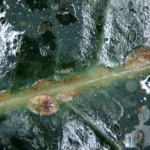
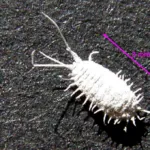
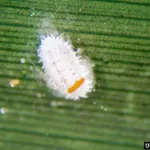
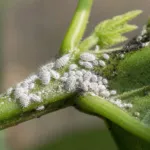
Scale insects and mealybugs may infest stressed plants, especially under glass. Inspect leaf bases, stems, and sheltered junctions regularly. Improve ventilation, remove small infestations manually or with an appropriate labeled horticultural treatment, and avoid excessive nitrogen that encourages soft growth.
Related diseases and pests
Only Plant Doctor profiles whose host data indicate this plant may be affected are shown here.
Toxicity and pollen
Kew records the leaves as harmful if eaten by humans or animals. The available evidence does not establish a precise toxic principle, dose, or clinical severity for this species, so prevent ingestion and avoid using the plant as food or medicine. Wear gloves when handling damaged tissue and seek medical or veterinary advice after ingestion or concerning symptoms.
- Typical season
- Late winter to spring when flowering occurs
- Pollination / pollen
- Animal-dispersed floral pollen; species-specific airborne data unavailable
No reliable species-specific evidence was found to classify airborne pollen exposure as low, medium, or high in the United States. The flowers are animal-visited, but insect pollination does not by itself prove negligible allergy risk. Avoid handling flower parts if personally sensitive and monitor individual symptoms during bloom.
Native habitat
The species is native to the southern Western Cape of South Africa, where it occurs on steep, rocky mountain slopes within fynbos vegetation. Its natural setting has acidic, sandy or rocky soils, high winter rainfall, and comparatively dry summers. It is adapted to strong light, rapid drainage, seasonal moisture, and mild frost-free to lightly frosty conditions.
Interesting fact
The species was historically treated as Aloe plicatilis before Kumara was reinstated. Its species name refers to the pleated or folded fan-like leaf arrangement. It is the only tree-form species confined to the Kumara lineage’s distinctive fynbos habitat. The plant has been cultivated in Britain since the eighteenth century.
Frequently asked questions (FAQ)
The most relevant questions about this plant, with short and direct answers.
🌱Quick care
What is Kumara plicatilis?⌄
Kumara plicatilis is a slow-growing, branching succulent in the Asphodelaceae family, recognized by its stiff, gray-green leaves arranged in distinctive upright fans. It is native to rocky slopes in South Africa’s Western Cape.
How much sunlight does Kumara plicatilis need?⌄
Kumara plicatilis grows best in full sun, with several hours of direct light each day. Provide some protection from intense afternoon heat when moving a plant from shade into strong sunlight.
How often should I water Kumara plicatilis?⌄
Water Kumara plicatilis thoroughly, then allow the soil to dry completely before watering again. Once established, it needs low water, especially during cool or inactive periods.
Is Kumara plicatilis easy to grow?⌄
Kumara plicatilis is relatively easy to grow when given strong light, sharply drained soil, and careful watering. Its main challenges are slow growth, root rot from wet soil, and damage from freezing temperatures.
How fast does Kumara plicatilis grow?⌄
Kumara plicatilis grows slowly, particularly when young or grown in a container. Consistent light, warm growing conditions, and excellent drainage support steady growth, but it is not a fast-forming landscape plant.
🌤️Environment and placement
Can Kumara plicatilis grow outdoors in the United States?⌄
Kumara plicatilis can grow outdoors year-round only in mild, frost-free parts of the United States. In areas that experience freezing temperatures, grow it in a container or provide reliable winter protection.
What USDA hardiness zone is suitable for Kumara plicatilis?⌄
Kumara plicatilis is best treated as a frost-sensitive succulent rather than assigned a universally reliable USDA zone. Gardeners in climates with freezing winters should overwinter it indoors or in a protected greenhouse.
Can Kumara plicatilis tolerate frost?⌄
Kumara plicatilis does not reliably tolerate freezing temperatures, so protect it from frost and hard freezes. Move container plants indoors or under cover before temperatures are expected to reach freezing.
Can Kumara plicatilis grow in a hot climate?⌄
Kumara plicatilis can handle warm conditions if its soil drains quickly and the roots are not kept wet. In very hot climates, protect it from reflected heat and provide gradual acclimation to intense sun.
Is Kumara plicatilis drought tolerant?⌄
Kumara plicatilis is drought tolerant once established and needs low water in the landscape. Drought tolerance does not mean it should remain dry for excessively long periods during active growth or extreme heat.
Where should I place Kumara plicatilis outdoors?⌄
Place Kumara plicatilis in a sunny, open position with excellent air circulation and fast-draining soil. A rock garden, raised bed, gravel area, or sheltered succulent border is usually more suitable than a damp planting bed.
Can Kumara plicatilis grow indoors?⌄
Kumara plicatilis can grow indoors near the brightest available window, preferably with strong direct sunlight. Rotate the container periodically and reduce watering if light levels are low.
Does Kumara plicatilis need cool temperatures?⌄
Kumara plicatilis grows well with a seasonal cool period, but it must still be protected from freezing temperatures. Avoid placing it beside heaters or in locations with prolonged, stagnant heat.
💧Care and problems
What soil is best for Kumara plicatilis?⌄
Use sandy, loamy, rocky, or commercial cactus soil amended for sharper drainage. The planting medium should drain rapidly and never remain soggy around the roots.
How do I know if I am overwatering Kumara plicatilis?⌄
Overwatering may cause soft or darkened leaves, a collapsing stem base, and root rot. Allow the soil to dry fully, confirm that the container has drainage holes, and reduce watering frequency.
Why are the leaves of my Kumara plicatilis turning brown?⌄
Brown leaves can result from sun stress, frost, underwatering, or damaged roots. Check recent temperature and watering conditions first, then adjust exposure or drainage rather than watering automatically.
Why is my Kumara plicatilis losing leaves?⌄
Kumara plicatilis may lose leaves after cold damage, prolonged drought, poor drainage, or natural aging of lower foliage. If the stem is soft or discolored, inspect the roots for rot.
Does Kumara plicatilis need fertilizer?⌄
Kumara plicatilis needs little fertilizer and can grow well in a lean, well-drained medium. If growth is active, apply a diluted succulent fertilizer sparingly and avoid feeding stressed or recently repotted plants.
Should I clean the leaves of Kumara plicatilis?⌄
You may gently remove dust from Kumara plicatilis with a soft brush or a light rinse. Avoid scraping the leaf surface and allow the plant to dry quickly afterward.
Does Kumara plicatilis need good air circulation?⌄
Good air circulation helps Kumara plicatilis dry quickly after watering and reduces the risk of fungal or rot problems. Avoid crowding it tightly among other plants.
🪴Planting and repotting
Can Kumara plicatilis be grown in a pot?⌄
Kumara plicatilis grows well in a pot with drainage holes and a fast-draining succulent mix. Choose a stable container that accommodates its eventual height and branching habit without holding excess moisture.
When should I repot Kumara plicatilis?⌄
Repot Kumara plicatilis when roots fill the container, drainage slows, or the plant becomes unstable. Repot during active growth, use fresh dry-to-moderately moist soil, and wait briefly before watering.
How often should I repot Kumara plicatilis?⌄
Kumara plicatilis usually needs repotting only every few years because it grows slowly. Repot sooner if the soil has broken down, the roots are crowded, or the container no longer supports the plant.
How deep should I plant Kumara plicatilis?⌄
Plant Kumara plicatilis at the same depth it was growing previously, keeping the stem base above the soil line. Deep planting can trap moisture around the stem and encourage rot.
Can Kumara plicatilis grow in a rock garden?⌄
Kumara plicatilis is well suited to a rock garden or raised gravel bed with full sun and sharply drained soil. Leave enough room for its slow but eventually substantial trunk and branching form.
✂️Propagation and pruning
How do you propagate Kumara plicatilis?⌄
Kumara plicatilis can be propagated from seed or stem and branch cuttings. Cuttings are generally practical for producing a plant like the parent, while seed-grown plants take longer to mature.
Can Kumara plicatilis be propagated from leaves?⌄
Leaf propagation is not the standard method for Kumara plicatilis and is unlikely to produce a complete plant. Use a viable stem or branch cutting, or sow fresh seed instead.
How do I take a Kumara plicatilis cutting?⌄
Take a clean stem or branch cutting, allow the cut end to dry and callus for about one to two weeks, then place it in sharply drained soil. Keep it bright and water sparingly until roots develop.
Can Kumara plicatilis be grown from seed?⌄
Kumara plicatilis can be grown from seed sown in a well-drained medium with warmth, light, and careful moisture. Seedlings are slow-growing, so this method requires more patience than cuttings.
Should I prune Kumara plicatilis?⌄
Prune Kumara plicatilis only to remove dead, damaged, or diseased growth or to shape an overgrown plant. Make clean cuts with sterile tools and avoid removing healthy fan-shaped leaves unnecessarily.
⚠️Toxicity and safety
Is Kumara plicatilis toxic to humans?⌄
Kumara plicatilis is harmful if eaten, so do not consume its leaves, flowers, sap, or other parts. Keep the plant away from children and avoid using it as a home remedy.
Is Kumara plicatilis safe for pets?⌄
Kumara plicatilis should be treated as unsafe for pets if eaten. Keep it out of reach, and contact a veterinarian or animal poison service if a pet consumes part of the plant.
🌸Flowering and special interest
When does Kumara plicatilis flower?⌄
Kumara plicatilis commonly flowers from late winter through spring, although timing varies with climate and cultivation conditions. Mature leaf fans produce upright clusters of tubular orange-red to red flowers.
How can I encourage Kumara plicatilis to bloom?⌄
Provide Kumara plicatilis with strong light, excellent drainage, and a mature, undisturbed growing period. Excess water, insufficient light, cold damage, and the plant’s naturally slow growth can all delay flowering.
How old does Kumara plicatilis need to be before flowering?⌄
Kumara plicatilis generally must reach substantial maturity before it flowers, but there is no dependable universal age because growth rates vary widely. Young container plants may remain vegetative for many years.
Does Kumara plicatilis flower every year?⌄
A mature Kumara plicatilis may flower repeatedly, but annual flowering is not guaranteed. Flowering depends on maturity, light, seasonal conditions, plant health, and whether the plant experienced cold or root stress.
Similar plants
 Azure Monkshood (Aconitum carmichaelii) care guideAconitum carmichaelii
 Monkshood (Aconitum ‘Stainless Steel’)Aconitum 'Stainless Steel'
 Monkshood (Aconitum ‘Bressingham Spire’)Aconitum 'Bressingham Spire'
 Golden full moon maple (Acer shirasawanum ‘Aureum’)Acer shirasawanum 'Aureum'
 Globosum (Acer platanoides ‘Globosum’)Acer platanoides 'Globosum'
 Striped maple (Acer pensylvanicum) care guideAcer pensylvanicum