
 Source:
 Prairie smoke (Geum triflorum) short overview
Prairie smoke is a cold-hardy North American perennial prized for its nodding, pink-tinged spring flowers and the silky, smoky-looking seed heads that follow. It forms a low clump of finely divided basal foliage and performs best in sunny, sharply drained beds, prairie plantings, rock gardens, and naturalistic landscapes. Spring moisture supports flowering, while drier summer conditions help it remain compact and healthy.
Taxonomic classification
Prairie smoke (Geum triflorum) care guide
Light and placement
Plant in full sun, ideally with a southern or western exposure and unobstructed morning-to-afternoon light. A little open shade is tolerated, but shade usually reduces flowering and can produce weaker growth. Excessive heat combined with reflected light may increase summer dormancy, which is normal. Sparse flowering or stretched stems usually indicate insufficient light or competition from taller plants.
Watering and humidity
Water regularly during spring establishment and whenever the upper few inches of soil become dry. Keep the root zone moderately moist while plants are forming leaves and flowers, then allow conditions to become drier in summer. Avoid persistent winter wetness, especially in heavy soil. Once established, prairie smoke is moderately drought tolerant, but extended drought may cause earlier foliage dormancy.
Soil and growing medium
Use soil that drains freely after rain but can hold some moisture during the spring growing season. Sandy loam, loam, clay amended with mineral structure, and rocky prairie soils can all work if drainage is reliable. Excess organic amendment is unnecessary in lean sites. A mildly acidic through mildly alkaline reaction is generally suitable; the most important soil factor is avoiding saturated winter conditions.
Feeding
Prairie smoke usually needs little fertilizer. Incorporate a modest amount of finished compost before planting if the soil is poor, or apply a thin spring mulch that will gradually break down. Avoid high-nitrogen fertilizer, which can encourage soft foliage and competition from weeds. Do not feed drought-stressed plants or apply fertilizer late in the season when new growth would be vulnerable to winter damage.
Growth and habit
This perennial forms a gradually expanding clump rather than a tall, aggressive colony. It may become summer-dormant in hot or dry conditions and often resumes growth when moisture returns. Keep nearby vegetation from crowding the crown, because prairie smoke is a relatively poor competitor despite its persistence once established.
Planting and repotting
Choose a sunny, well-drained site and loosen the planting area without burying the crown. Set nursery plants at the same depth they were growing, water thoroughly, and keep evenly supplied with moisture through the first spring and summer. Space plants about 12–18 inches apart for a natural clump. Spring planting is useful in colder regions; fall planting works where roots can establish before deep freezing.
Grow container plants in a sharply draining mineral-based mix and use a pot with drainage holes. Repot or transplant in early spring or fall, handling the crown and roots gently. Avoid oversized containers that retain wet soil through winter. Prairie smoke generally performs better when planted permanently rather than kept in a container for many years.
Propagation and pruning
Propagation
Sow fresh seed in spring after 4–6 weeks of cold, moist stratification, or use outdoor fall sowing. Germination may take several weeks, so keep the seedbed consistently moist. Division is practical in early spring, after flowering, or in fall; divide established clumps carefully because disturbance can slow recovery.
Pruning
Remove spent stems only if a tidier appearance is desired. Leaving the plumed fruits in place extends ornamental interest and allows some self-seeding. Cut back old foliage in late winter or early spring before new growth begins, rather than cutting into the crown during summer dormancy.
Overwintering
Plants are naturally adapted to cold winters and usually need no special protection in the ground. The main winter risk is wet soil around the crown, not cold itself. Use a gravelly or well-drained site, avoid heavy winter mulch over the crown, and provide only a light protective covering in exposed areas with little snow and severe freeze-thaw cycles.
Uses
Use prairie smoke in native-plant borders, upland prairie gardens, rock gardens, dry sunny beds, and naturalistic plantings. Its spring flowers support early bee activity, while the persistent plumed fruits provide strong ornamental interest after flowering. It can grow in containers with excellent drainage, but established plants are generally best left undisturbed.
Appearance
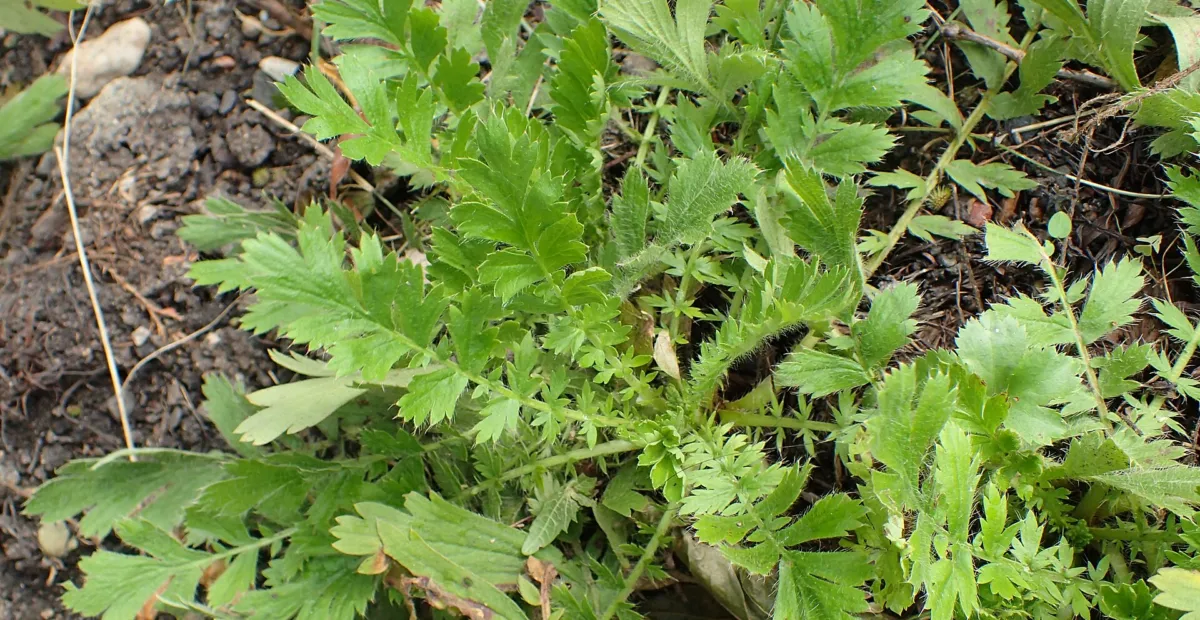
The plant has a low basal rosette of finely divided, interrupted-pinnate leaves. Hairy, mostly leafless flower stems carry nodding flowers, commonly in groups of about three. After pollination, the stems straighten and the persistent styles elongate into airy, silky plumes that give the plant its smoky appearance.
Flowering
The nodding flowers are typically produced in clusters of roughly three on hairy stems. Petals range from cream to yellowish and may be suffused or veined with pink or purple; maroon or purple sepals often make the blooms appear darker than the petals. Flowers are most prominent in spring, after which the stems become upright as the fruits and styles develop.
Pollination and visitors
Bumblebees are important visitors because they can grasp the mostly enclosed flowers and vibrate their flight muscles to release pollen. Smaller bees, including sweat bees, may collect pollen, and other insects may visit or rob nectar. The early bloom period makes the plant useful to emerging queen bumblebees and other spring-active insects.
Geum triflorum photos
Click any photo for a larger view. Source, author and license are shown separately.
Diseases and pests
Diseases
Serious disease problems are not usually prominent. Prevent crown and root disorders by providing good drainage, spacing plants for airflow, and avoiding frequent overhead watering. Remove visibly diseased foliage and correct prolonged wetness rather than relying on routine fungicide applications.
Pests
Watch for occasional chewing by rabbits, deer, or other herbivores, especially during early spring growth, and for general garden pests attracted to stressed foliage. Use physical barriers where browsing is persistent. Hand-pick minor insect pests and avoid broad-spectrum insecticides during bloom to protect visiting bees.
Related diseases and pests
Only Plant Doctor profiles whose host data indicate this plant may be affected are shown here.

Toxicity and pollen
Reliable extension and botanical sources reviewed for this profile do not establish a confirmed human, dog, cat, or child toxicity rating for Geum triflorum. Do not treat the plant as edible or medicinal without authoritative species-specific guidance. Prevent ingestion of unfamiliar plant material, supervise children and pets around garden plants, and seek medical or veterinary advice if a substantial amount is eaten or symptoms occur.
- Typical season
- Spring, typically April–May
- Pollination / pollen
- Pollen released within mostly enclosed flowers and gathered by buzz-pollinating bees
The flowers produce pollen, but the pollen is primarily presented within flowers and collected by visiting bees rather than broadly dispersed by wind. Airborne exposure is therefore expected to be limited compared with wind-pollinated plants, although sensitive individuals may still react to pollen or plant contact. Avoid handling flowering material if it causes symptoms.
Native habitat
Prairie smoke occurs in open prairies, upland grasslands, alvars, balds, sagebrush plains, open woodlands, foothills, and subalpine settings. It occupies a broad climatic range but generally favors open sites with good drainage, seasonal spring moisture, and relatively low competition. In arid western areas it may be associated with locally moist microsites.
Interesting fact
The species name triflorum refers to the commonly three-flowered inflorescences. Its “smoke” is not a flower but a mass of elongated styles attached to individual dry fruits. Flowers often remain partly closed, an arrangement suited to buzz pollination by bumblebees. The plant may enter summer dormancy without being dead.
Frequently asked questions (FAQ)
The most relevant questions about this plant, with short and direct answers.
🌱Quick care
What is prairie smoke?⌄
Prairie smoke is the common name for Geum triflorum, a cold-hardy North American perennial in the rose family (Rosaceae). It forms low clumps of fernlike foliage and nodding pink flowers followed by feathery seedheads.
How large does prairie smoke get?⌄
Prairie smoke commonly grows about 6 to 18 inches tall and gradually forms clumps from short rhizomes. Plants may stay smaller in lean, rocky soil and become more substantial in richer soil.
Is prairie smoke easy to grow?⌄
Prairie smoke is relatively low maintenance after establishment when planted in full sun and well-drained soil. Starting it from seed can require patience because seedlings may grow slowly and compete poorly with aggressive plants.
🌤️Environment and placement
How much sun does prairie smoke need?⌄
Prairie smoke grows best in full sun, ideally with at least 6 hours of direct light daily. Flowering usually decreases in partial shade.
What USDA hardiness zones can grow prairie smoke?⌄
Prairie smoke is very cold hardy and is generally suitable for USDA Zones 3 through 7, although exact performance depends on the local ecotype and growing conditions. Good drainage is especially important in cold, wet climates.
Can prairie smoke grow in a wet garden?⌄
Prairie smoke is not a good choice for a consistently wet or poorly drained garden. It needs moisture in spring but performs poorly when its roots remain wet through winter.
Can prairie smoke grow in a rock garden?⌄
Yes, prairie smoke is well suited to a sunny rock garden if the soil drains freely. In lean, rocky conditions it generally remains shorter and may need less supplemental water.
Is prairie smoke native to the United States?⌄
Yes, prairie smoke is native to broad areas of northern and western North America, including many U.S. prairie, meadow, and open woodland habitats. Use locally appropriate native stock when regional ecological compatibility matters.
What plants grow well with prairie smoke?⌄
Prairie smoke combines well with other sun-loving, well-drained prairie plants such as prairie dropseed, purple prairie clover, asters, downy phlox, and shooting star. Choose companions with similar moisture and light requirements so they do not overwhelm its relatively modest growth.
💧Care and problems
How often should you water prairie smoke?⌄
Water prairie smoke regularly while it is becoming established, then reduce watering once the plant is rooted. Mature plants prefer low to moderate moisture and tolerate some summer drought.
Does prairie smoke tolerate drought?⌄
Established prairie smoke is moderately drought tolerant, especially in well-drained soil and full sun. Provide supplemental water during prolonged heat or drought, but do not keep the soil constantly wet.
Does prairie smoke spread aggressively?⌄
No, prairie smoke is generally a slow to moderate, clump-forming spreader rather than an aggressive groundcover. It may self-seed, but seedlings compete poorly with taller or more vigorous plants.
Why is my prairie smoke not flowering?⌄
Insufficient sunlight, excess winter moisture, transplant stress, or a young plant can reduce flowering. Move or thin nearby vegetation if needed, improve drainage, and give newly established plants time to mature.
Why is prairie smoke dying in winter?⌄
Winter loss is often associated with saturated soil around the crown and roots rather than cold alone. Improve drainage, avoid heavy winter irrigation, and plant it in a raised or naturally well-drained site.
🪴Planting and repotting
What type of soil is best for prairie smoke?⌄
Prairie smoke prefers well-drained soil and can grow in sandy, loamy, clay, rocky, or lean soils. Avoid sites that stay waterlogged, particularly during winter.
Can prairie smoke grow in clay soil?⌄
Yes, prairie smoke can grow in clay soil if excess water drains away. Amend or raise the planting area only when needed to prevent persistent winter wetness.
When is the best time to plant prairie smoke?⌄
Plant prairie smoke in spring or early fall, when temperatures are moderate and the soil can support root growth. Water new plants during establishment, then allow the soil to dry moderately between waterings.
How do you plant prairie smoke from a nursery container?⌄
Set prairie smoke at the same depth it was growing in its container and firm the soil gently around the roots. Water thoroughly after planting, then maintain moderate moisture until new growth shows.
Can prairie smoke be grown in a container?⌄
Prairie smoke can be grown in a container if the pot has excellent drainage and is filled with a well-drained mix. Container plants dry out and experience colder roots more quickly than in-ground plants, so monitor moisture and winter exposure carefully.
✂️Propagation and pruning
How do you grow prairie smoke from seed?⌄
Sow prairie smoke seed in spring or outdoors in fall, using a well-drained seed-starting medium and keeping it lightly moist. Indoor-sown seed commonly benefits from about 4 to 6 weeks of cold, moist stratification, although germination can vary.
Does prairie smoke need cold stratification?⌄
Cold stratification is commonly recommended for indoor-sown prairie smoke seed, typically for 4 to 6 weeks. Germination is variable, so untreated or fall-sown seed may also produce seedlings under suitable conditions.
Can prairie smoke be propagated by division?⌄
Yes, established prairie smoke clumps can be divided in early spring, after flowering, or in fall. Divide healthy sections with attached roots and replant them promptly in well-drained soil.
How often should prairie smoke be divided?⌄
Garden-grown clumps can generally be divided every 3 to 4 years if they become crowded or lose vigor. Prairie plantings usually do not need routine division.
Should prairie smoke be cut back after flowering?⌄
Cutting back prairie smoke is optional because the feathery seedheads are ornamental and may provide visual interest into summer. Remove old foliage in late winter or early spring if a tidier appearance is desired.
⚠️Toxicity and safety
Is prairie smoke toxic to people or pets?⌄
No well-established toxicity classification was found for Geum triflorum, so it should not be assumed edible or completely risk-free. Prevent children and pets from chewing ornamental plants, and consult a medical or veterinary professional if ingestion occurs.
🌸Flowering and special interest
When does prairie smoke bloom?⌄
Prairie smoke usually blooms from late spring into early summer, often from May through June and sometimes into July depending on climate. Its flowers are typically pink to reddish with yellowish petals partly hidden by sepals.
Why is prairie smoke called prairie smoke?⌄
Prairie smoke gets its name from the wispy, feathery seedheads that resemble drifting smoke. These silvery-pink plumes appear after the nodding flowers fade and can extend the plant’s ornamental interest.
Does prairie smoke attract pollinators?⌄
Yes, prairie smoke is a useful pollinator plant, particularly for bees. Its spring-to-summer flowers provide an early-season nectar resource in native and prairie-style gardens.
Similar plants
 Water Avens (Geum rivale) care guideGeum rivale
 Yellow Avens (Geum aleppicum) care guideGeum aleppicum
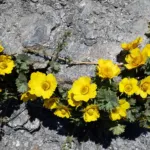 Creeping avens (Geum reptans) care guideGeum reptans
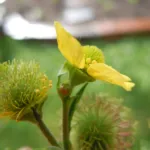 Large-leaf Avens (Geum macrophyllum) care guideGeum macrophyllum
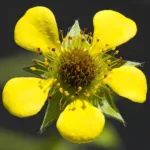 Wood Avens (Geum urbanum) care guideGeum urbanum
 Geum ‘Coccineum’Geum 'Coccineum'