
 Source:
 Geum ‘Coccineum’ short overview
Geum 'Coccineum' is a low, clump-forming perennial grown for its vivid red-orange, saucer-shaped flowers and softly hairy basal foliage. The supplied name is a horticultural identity associated with the accepted species Geum coccineum, but authoritative sources do not clearly document 'Coccineum' as a formally established cultivar name. Treat plants sold under this label as a scarlet-avens selection and verify the nursery stock before relying on cultivar-specific traits.
Taxonomic classification
Geum ‘Coccineum’ care guide
Light and placement
Grow in full sun for the strongest flowering, or give light afternoon shade where summers are hot. An east- or southeast-facing border is a useful placement in warmer regions; avoid dense shade, which produces lax stems and fewer flowers. Scorched margins, faded foliage, or rapid midday wilting indicate excessive heat or drought, while stretched growth and sparse flowering indicate insufficient light.
Watering and humidity
Water deeply when the top inch of soil begins to dry, keeping the root zone evenly moist but never saturated. Water at the soil line rather than wetting the foliage. Increase frequency during flowering and hot weather, especially in containers; reduce watering in fall and winter, but do not allow newly planted divisions to dry out. Winter-wet soil is more dangerous than ordinary cold.
Soil and growing medium
Use fertile, humus-enriched soil that holds moisture without becoming stagnant. Improve heavy clay with organic matter and structural grit, and plant slightly high if winter drainage is uncertain. A loamy, well-drained bed is ideal. The species tolerates a broad garden pH range, but poor drainage and compacted clay can shorten its life.
Feeding
Apply a thin layer of compost or a balanced slow-release perennial fertilizer in early spring as growth resumes. Avoid strong, high-nitrogen feeding, which can produce soft foliage and fewer flowers. Do not fertilize drought-stressed, newly divided, or dormant plants; water first and wait until active growth is evident.
Growth and habit
This avens forms a persistent basal clump and sends up slender, branched flowering stems. It can be relatively short-lived where summers are hot or soils remain heavy and wet, so division every few years helps maintain vigor. Deadheading may encourage sporadic summer rebloom, while leaving a few stems preserves the ornamental seed heads.
Planting and repotting
Plant nursery divisions or container plants with the crown level with the surrounding soil, allowing room for the basal clump to broaden. Water thoroughly after planting and maintain even moisture during the first growing season. In hot climates, choose a site with morning sun and afternoon shade. Avoid low spots that stay wet through winter.
Grow in a container at least 10–12 inches wide with drainage holes and a moisture-retentive but open perennial mix. Repot or divide in early spring before vigorous growth, or in early fall. Refresh exhausted mix and keep the crown at the same depth; do not allow the pot to stand in water over winter.
Propagation and pruning
Propagation
Division is the most reliable way to preserve the characteristics of a named selection. Divide established clumps in early spring as new growth begins or in early fall, replanting divisions immediately at the original crown depth. Seed can be sown in containers and may benefit from a cool period, but seedlings may not reproduce a named cultivar faithfully.
Pruning
Remove spent flowers just above a healthy leaf cluster to encourage a longer display and possible rebloom. After the main flush, cut flowering stems back to the basal foliage. In late winter or early spring, remove flattened or damaged leaves before new growth expands. Leave a few late stems if you want the decorative seed heads.
Overwintering
The species is winter-hardy in much of USDA Zones 5–7 when drainage is good. Apply a light mulch after the ground cools, keeping it away from the crown. Container plants are more exposed to root freezing and should be placed in a sheltered location or sunk into the ground. Avoid heavy winter protection that traps moisture around the crown.
Uses
Use in mixed perennial borders, rock gardens, cottage-style plantings, small-space beds, containers, and as a modest foliage groundcover after flowering. It is particularly useful where bright warm flower color is wanted on a smaller perennial. Do not treat the plant as a culinary or medicinal herb; authoritative support for those uses is lacking for this exact identity.
Appearance
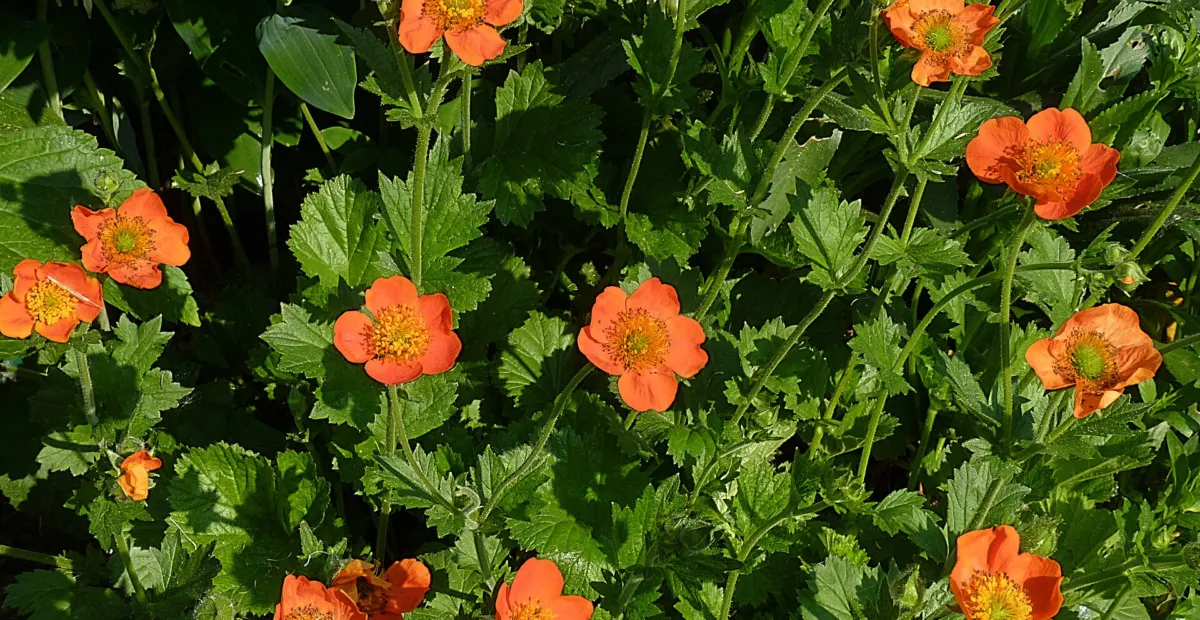
The plant is recognized by a rosette of medium-green, softly hairy, pinnately arranged leaves with irregular lobes and a prominent terminal leaflet. Erect, wiry green stems rise above the foliage and branch near the top. The flowers are typically upward-facing and red-orange to orange-red, followed by airy clusters of feathery seed structures.
Flowering
The flowers are open, five-petaled and showy, with yellow stamens forming a contrasting center. Bloom begins in late spring and may continue into early or midsummer. Prompt removal of faded flowers can extend the display and sometimes produces scattered later flowers. Mature flowers develop fluffy, plume-like seed heads.
Pollination and visitors
Open Geum flowers provide nectar and pollen for bees and other insect visitors. Horticultural sources also document butterfly visitation for Geum coccineum selections, while broader Geum records indicate use by additional small flower-visiting insects. No single pollinator species is sufficiently documented here to provide a species-level Latin name.
Geum 'Coccineum' photos
Click any photo for a larger view. Source, author and license are shown separately.
Diseases and pests
Diseases
No serious disease problems are consistently reported. Root or crown rot is the main concern, especially in poorly drained soil or wet winter conditions. Improve drainage, avoid overwatering, space plants for airflow, and remove dead foliage. Replace severely rotted crowns rather than repeatedly replanting them into the same saturated site.
Pests
No major pest is consistently associated with this plant. Inspect young growth for aphids, leaf-chewing insects, or slug damage, particularly in cool damp weather. Use hand removal, water sprays, barriers, and habitat-friendly controls first; avoid broad-spectrum insecticides when flowers are open to visiting pollinators.
Related diseases and pests
Only Plant Doctor profiles whose host data indicate this plant may be affected are shown here.


Toxicity and pollen
Reliable, plant-specific toxicity assessments for Geum 'Coccineum' were not located in the reviewed authoritative sources. Do not infer edibility or complete safety from that absence. Keep plant material away from children and pets, discourage ingestion, and seek medical or veterinary advice after a significant exposure, especially if symptoms develop.
- Typical season
- May–July in much of the United States
- Pollination / pollen
- Heavy, insect-carried pollen released within open flowers
The flowers are insect-pollinated, so pollen is primarily presented within the flower and carried by visitors rather than released in large airborne clouds. This suggests a lower airborne allergy concern than wind-pollinated plants, but it does not establish zero risk. Sensitive gardeners should avoid rubbing the flowers and wash hands after handling.
Native habitat
The species is native to mountainous regions from the Balkans through Türkiye, where it occurs in temperate settings including moist meadows and streamside habitats. It is adapted to cool-to-moderate summers, regular moisture, and soils that drain between watering or rainfall events. Garden performance declines in hot, humid climates and persistently wet heavy soil.
Interesting fact
The accepted species name Geum coccineum was published in 1809. The epithet coccineum means scarlet. The species has a history of horticultural confusion with Geum borisii and with plants sold under older names related to scarlet avens. Its airy seed heads remain ornamental after the petals fall.
Frequently asked questions (FAQ)
The most relevant questions about this plant, with short and direct answers.
🌱Quick care
What is Geum 'Coccineum'?⌄
Geum 'Coccineum' is a clump-forming perennial avens in the rose family, Rosaceae. It produces red-orange, five-petaled flowers above a low mound of lobed, hairy foliage.
How much sun does Geum 'Coccineum' need?⌄
Geum 'Coccineum' grows best in full sun to partial shade. In hot-summer areas, afternoon shade can help reduce heat stress while still allowing good flowering.
How often should I water Geum 'Coccineum'?⌄
Water Geum 'Coccineum' regularly enough to keep the soil moderately and evenly moist, especially during establishment and summer heat. Avoid leaving the roots in saturated soil.
What USDA hardiness zones are suitable for Geum 'Coccineum'?⌄
Geum 'Coccineum' is generally listed as hardy in USDA Zones 5–7. Related cultivated selections may be sold with wider zone ratings, so check the label for the specific stock.
How big does Geum 'Coccineum' get?⌄
Geum 'Coccineum' typically forms a foliage mound about 6 inches tall and reaches roughly 1 to 1½ feet tall in flower. Its usual spread is about 9 to 12 inches.
🌤️Environment and placement
Can Geum 'Coccineum' grow in partial shade?⌄
Yes, Geum 'Coccineum' tolerates partial shade, but it generally flowers more heavily with several hours of direct sun. Light afternoon shade is useful in regions with hot summers.
What soil is best for Geum 'Coccineum'?⌄
Plant Geum 'Coccineum' in fertile, moisture-retentive, well-drained soil. The soil should hold consistent moisture without becoming waterlogged, particularly during winter.
Can Geum 'Coccineum' grow in clay soil?⌄
Geum 'Coccineum' can grow in improved clay soil, but heavy, poorly drained clay may cause root problems and shorten its life. Incorporate organic matter and improve drainage before planting.
Is Geum 'Coccineum' suitable for hot, humid climates?⌄
Geum 'Coccineum' may struggle in hot, humid regions, especially in the Deep South. In warmer areas, provide afternoon shade, reliable moisture, and excellent drainage; performance is generally better north of USDA Zone 7.
Can Geum 'Coccineum' grow in a container?⌄
Yes, Geum 'Coccineum' can grow in a container with fertile, well-drained potting mix and drainage holes. Containers dry out faster than garden soil, so monitor moisture closely during warm weather.
💧Care and problems
How do I care for Geum 'Coccineum' after planting?⌄
Keep newly planted Geum 'Coccineum' evenly moist, remove competing weeds, and apply a light compost mulch around—not over—the crown. Once established, it needs regular moisture but little routine maintenance.
Should I deadhead Geum 'Coccineum'?⌄
Deadhead Geum 'Coccineum' by removing faded flowers and their stems to encourage additional blooms. Leave some late flowers if you want the decorative, fluffy seed heads to develop.
Why is my Geum 'Coccineum' not flowering well?⌄
Poor flowering in Geum 'Coccineum' is commonly associated with insufficient sunlight, excessive heat, drought stress, or overcrowding. Move or divide the plant if conditions are unfavorable and keep the soil evenly moist.
Why is my Geum 'Coccineum' dying in winter?⌄
Winter loss in Geum 'Coccineum' is often caused by wet, poorly drained soil around the crown and roots. Plant it in well-drained soil and avoid heavy winter watering.
What pests affect Geum 'Coccineum'?⌄
Geum 'Coccineum' usually has few serious pest problems, but geum sawfly larvae and slugs may cause damage. Inspect the foliage regularly and remove pests or damaged leaves as needed.
What diseases affect Geum 'Coccineum'?⌄
Geum 'Coccineum' generally has no major disease problems, but root rot can develop in waterlogged soil and downy mildew may occur under unfavorable conditions. Improve drainage and provide adequate air circulation.
Does Geum 'Coccineum' need fertilizer?⌄
Geum 'Coccineum' usually performs well with fertile soil and a spring application of compost. If growth is weak, use a balanced, mild perennial fertilizer according to the product label rather than heavily feeding the plant.
🪴Planting and repotting
When should I plant Geum 'Coccineum'?⌄
Plant Geum 'Coccineum' in spring or fall when temperatures are moderate and the soil is workable. Spring planting is especially helpful in colder areas, while fall planting should allow time for root establishment before the ground freezes.
How far apart should I plant Geum 'Coccineum'?⌄
Space Geum 'Coccineum' about 12 inches apart for a full planting while allowing air movement between plants. Adjust the spacing slightly according to the mature spread of the individual selection.
How do I plant Geum 'Coccineum' in the ground?⌄
Plant Geum 'Coccineum' with the crown at the same level it was growing in its nursery pot, then water thoroughly. Set it in fertile, well-drained soil and add a thin mulch without covering the crown.
✂️Propagation and pruning
How can I propagate Geum 'Coccineum'?⌄
The most dependable way to propagate Geum 'Coccineum' is by dividing established clumps in spring or fall. Seed can also be used, but seedlings may not retain the exact characteristics of a selected cultivated plant.
Can Geum 'Coccineum' be grown from seed?⌄
Yes, Geum 'Coccineum' can be grown from seed, although germination may be variable and named selections may not come true. Sow fresh seed in a well-drained medium and keep it consistently moist during germination.
When should I divide Geum 'Coccineum'?⌄
Divide Geum 'Coccineum' in spring or fall when temperatures are mild. Dig up the clump, separate healthy crowns with roots attached, and replant the divisions promptly at the original depth.
Does Geum 'Coccineum' need pruning?⌄
Geum 'Coccineum' needs little pruning beyond deadheading spent flowers. Remove declining foliage after flowering or in late winter, but leave healthy evergreen foliage in mild climates.
⚠️Toxicity and safety
Is Geum 'Coccineum' toxic to people or pets?⌄
The toxicity of Geum 'Coccineum' is not established in the available horticultural references. Keep plants away from children and pets that may chew ornamental plants, and seek professional advice if ingestion occurs.
🌸Flowering and special interest
When does Geum 'Coccineum' bloom?⌄
Geum 'Coccineum' typically blooms from late spring into midsummer, often May through July in temperate regions. Prompt deadheading may encourage scattered additional flowers, particularly where summers are relatively cool.
What color are Geum 'Coccineum' flowers?⌄
Geum 'Coccineum' produces bright red-orange to brick-red flowers with yellow stamens. Flower color and flower form can vary among plants sold under related cultivated names.
Does Geum 'Coccineum' rebloom?⌄
Geum 'Coccineum' may produce sporadic rebloom through summer when faded flowers are removed promptly. Rebloom is more likely in regions with moderate temperatures than in very hot climates.
Is Geum 'Coccineum' good for pollinators?⌄
Geum 'Coccineum' is useful in wildlife plantings because its open flowers can attract butterflies and other flower-visiting insects. Plant it in a sunny border, cottage garden, rock garden, or mixed perennial bed.
What should I do with Geum 'Coccineum' seed heads?⌄
Leave some Geum 'Coccineum' flowers after blooming if you want their fluffy seed heads for ornamental interest. Remove them instead if you prefer a tidier appearance or want to limit self-sown seedlings.
Similar plants
 Azure Monkshood (Aconitum carmichaelii) care guideAconitum carmichaelii
 Monkshood (Aconitum ‘Stainless Steel’)Aconitum 'Stainless Steel'
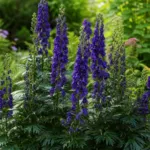 Monkshood (Aconitum ‘Bressingham Spire’)Aconitum 'Bressingham Spire'
 Golden full moon maple (Acer shirasawanum ‘Aureum’)Acer shirasawanum 'Aureum'
 Globosum (Acer platanoides ‘Globosum’)Acer platanoides 'Globosum'
 Striped maple (Acer pensylvanicum) care guideAcer pensylvanicum