 Source:
 Large-leaf Avens (Geum macrophyllum) short overview
Large-leaf Avens is a hardy herbaceous perennial native across much of North America. Its upright, softly hairy stems carry open clusters of small yellow, five-petaled flowers above distinctive basal leaves with an oversized rounded terminal leaflet. It grows best in moist, humus-rich soil from full sun to shade, making it useful for woodland edges, rain gardens, native perennial borders, and pollinator plantings where summer moisture is dependable.
Taxonomic classification
Large-leaf Avens (Geum macrophyllum) care guide
Light and placement
Grow in full sun where soil remains reliably moist; partial shade is a safer placement in hot or dry summer regions, and filtered woodland light is well suited. Strong afternoon sun combined with dry soil can cause wilting and scorched foliage. Excessive shade may produce lankier stems and fewer flowers, so aim for bright woodland light rather than dense darkness.
Watering and humidity
Water deeply when the upper inch of soil begins to dry, keeping the root zone evenly moist through establishment and flowering. Increase frequency during hot, windy weather and reduce it after autumn rains or dormancy begins. Avoid shallow daily watering and do not leave containers standing in water. Air humidity is generally less important than consistent soil moisture.
Soil and growing medium
Use fertile, humus-rich soil that stays evenly moist but is not permanently stagnant. Loam or sandy loam with good organic matter suits the species well. It tolerates a broad pH range, approximately mildly acidic to mildly alkaline; improve heavy clay with compost and avoid sharply drying, nutrient-poor sites.
Feeding
Apply a thin layer of compost in spring or use a balanced, slow-release fertilizer at the low end of the label rate as growth begins. Avoid heavy nitrogen feeding, which can produce soft, floppy growth and excessive spread. Do not fertilize drought-stressed, newly transplanted, or waterlogged plants.
Growth and habit
This short-rhizomed perennial forms an upright clump of basal foliage and flowering stems. It can self-seed when fruits mature and may become persistent or somewhat weedy in favorable moist ground. Remove developing seed heads if a tidier planting or slower spread is desired.
Planting and repotting
Plant in spring or early fall. Set the crown at soil level rather than burying it. Space plants about 12-24 inches apart, allowing room for clumping foliage and good air movement. Keep the planting evenly moist during the first growing season while roots establish.
Repot container plants in early spring, moving them into a slightly larger pot with moisture-retentive but well-drained potting mix. Transplant before vigorous summer growth and water thoroughly afterward.
Propagation and pruning
Propagation
Sow fresh seed or seed that has received about 60 days of cold, moist stratification. Keep the medium consistently moist during germination. Established clumps can be divided in early spring or early fall, although division may be less commonly used than seed.
Pruning
Cut flowering stems back after bloom if self-seeding is unwanted or if the plant becomes untidy. Remove yellowing foliage as needed. Leave some mature seed heads if natural regeneration and wildlife structure are desired, then cut the clump to the ground in late winter or early spring.
Overwintering
Plants are cold hardy in much of the United States and usually need no special winter protection in suitable zones. Leave a light layer of leaf mulch over the crown in colder or exposed gardens, but avoid burying the crown under dense, wet material. Container plants are more vulnerable to root freezing and should be sheltered or sunk into the ground.
Uses
Useful in native perennial borders, moist woodland gardens, shaded rain-garden margins, waterside plantings, and habitat-focused landscapes. Its flowers provide documented resources for bees and flies, while its dense growth can contribute to understory cover and soil stabilization. It is not presented here as an edible or medicinal plant.
Appearance
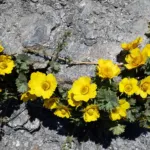
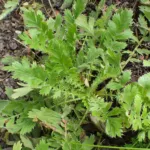
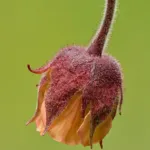
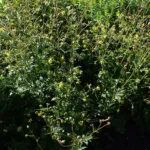
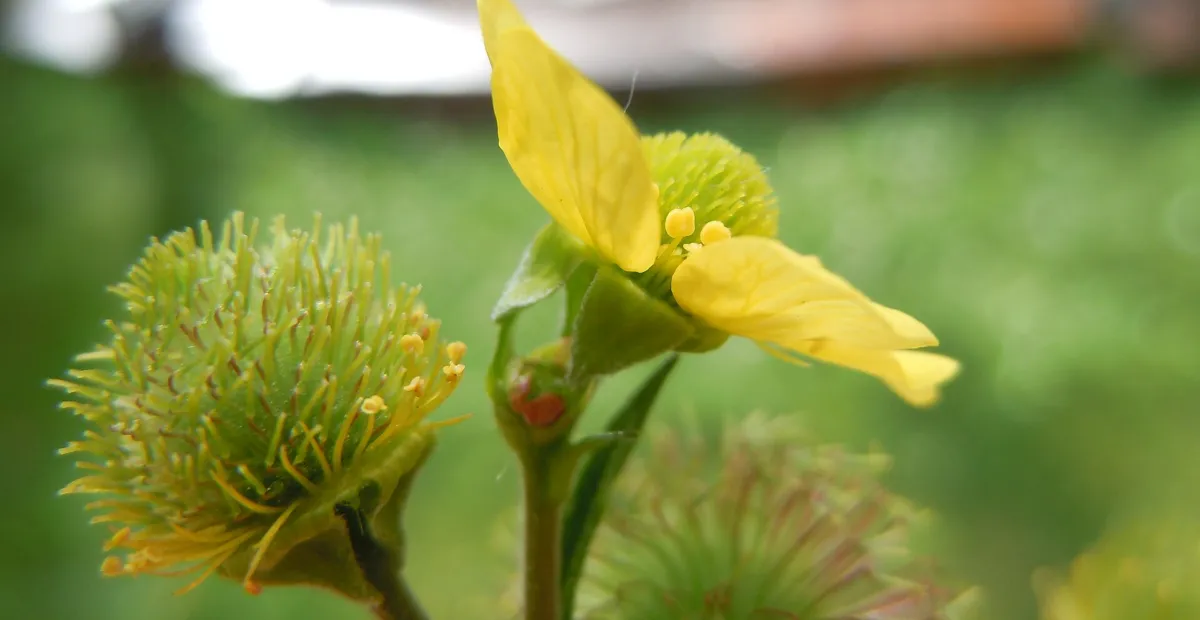
The basal leaves are large and divided, with several toothed leaflets and a conspicuously oversized, rounded to kidney-shaped terminal leaflet. Upright stems are green, leafy, softly hairy, and sometimes glandular. Small yellow flowers sit above the foliage, followed by compact clusters of hairy fruits with persistent styles.
Flowering
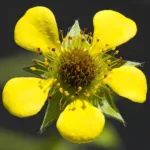
Open, saucer-shaped flowers have five yellow petals, reflexed sepals, numerous stamens, and many pistils. Flowers are borne in loose, leafy clusters on upright stems. Blooming is reported from spring into late summer, with timing varying by latitude, elevation, and moisture.
Pollination and visitors
Documented visitors and pollination include bees and flies; self-pollination is also reported. The open flowers expose pollen and reproductive structures, allowing access by small visiting insects. A specific pollinator species could not be confirmed reliably for this exact taxon.
Geum macrophyllum photos
Click any photo for a larger view. Source, author and license are shown separately.
Diseases and pests
Diseases
Watch for foliar spotting, crown or root problems in poorly drained soil, and gray mold during prolonged wet weather. Give plants adequate spacing, water at the soil line, remove badly affected foliage, and improve drainage before using fungicides.
Pests
Slug and snail feeding may affect young foliage, especially in damp shade. Aphids can occur on tender growth. Remove hiding places, encourage natural predators, hand-pick slugs where practical, and avoid routine broad-spectrum insecticides during bloom.
Related diseases and pests
Only Plant Doctor profiles whose host data indicate this plant may be affected are shown here.

Toxicity and pollen
No authoritative, species-specific human or companion-animal toxicity assessment was located in the reviewed sources. Do not eat the plant or use it medicinally without expert identification and professional guidance. Wear gloves when handling unfamiliar plant material and prevent pets or children from chewing garden plants.
- Typical season
- Typically spring through summer in the United States; regional timing varies.
- Pollination / pollen
- Pollen presented in open insect-visited flowers; airborne relevance not established
Species-specific airborne pollen and clinical allergy data were not established in the reviewed authoritative sources. The flowers are insect-visited, but that alone does not prove negligible allergy risk. People with strong pollen sensitivity should limit direct exposure during bloom and avoid handling flowering material when symptomatic.
Native habitat
Native populations occur in moist woods, meadows, stream margins, forest openings, and subalpine habitats from low elevations to mountain settings. The species generally favors cool to moderate climates, moisture-retentive soils, and partial shade, although it can grow in sun where the soil does not dry out.
Interesting fact
The species has a remarkably broad range, extending from Alaska and western North America across much of Canada and into the northeastern United States. Its basal leaves are especially distinctive because the terminal leaflet is much larger than the lateral leaflets. The dry fruits form dense clusters of persistent, hairy styles.
Frequently asked questions (FAQ)
The most relevant questions about this plant, with short and direct answers.
🌱Quick care
What is Large-leaf Avens?⌄
Large-leaf Avens is the perennial wildflower Geum macrophyllum in the rose family, Rosaceae. It produces yellow, five-petaled flowers and typically grows 20–40 inches tall in moist woods, meadows, wetlands, and streamside habitats.
Is Geum macrophyllum native to the United States?⌄
Yes, Geum macrophyllum is native to broad parts of the United States, especially Alaska, the northern states, the Rocky Mountain region, and the Pacific Northwest. Its native range also extends into Canada and parts of eastern Asia.
How big does Large-leaf Avens get?⌄
Large-leaf Avens usually grows about 20–40 inches tall and 12–24 inches wide in garden conditions. Height and spread vary with moisture, light, and regional form.
🌤️Environment and placement
Does Large-leaf Avens grow in sun or shade?⌄
Large-leaf Avens grows in full sun, part shade, or shade, but full sun is best only where the soil stays consistently moist. Part shade is often the easiest placement in a home garden.
Can Geum macrophyllum grow in wet soil?⌄
Yes, Geum macrophyllum is well suited to moist soil and wetland margins. It tolerates periodically wet conditions, but stagnant water and persistently waterlogged soil may still cause root problems.
What soil is best for Large-leaf Avens?⌄
Plant Large-leaf Avens in moist, humus-rich loam or sandy loam with good organic matter. Avoid very dry, compacted, or sharply alkaline sites unless irrigation and soil amendments can correct the conditions.
Is Large-leaf Avens drought tolerant?⌄
Large-leaf Avens has some drought tolerance once established, but it performs best with evenly moist soil. Provide supplemental water during extended hot or dry periods, especially in full sun.
Can Geum macrophyllum grow under trees?⌄
Yes, Geum macrophyllum can grow under trees in filtered light or shade if the root zone remains moist. Mulch can help conserve moisture, but keep it away from the crowns of the plants.
Is Large-leaf Avens hardy in cold climates?⌄
Yes, Large-leaf Avens is a frost-hardy perennial across much of its native range. In colder parts of the United States, dormant plants generally need little winter protection when planted in suitable soil.
💧Care and problems
How often should I water Large-leaf Avens?⌄
Water Large-leaf Avens whenever the soil surface begins to dry, keeping the root zone evenly moist rather than constantly saturated. Newly planted specimens may need water one to two times weekly during dry weather.
Why is my Geum macrophyllum wilting?⌄
Wilting usually indicates insufficient moisture, excessive heat, transplant stress, or damaged roots. Check soil moisture first, then improve irrigation and provide afternoon shade if the plant is exposed to hot sun.
Does Large-leaf Avens need fertilizer?⌄
Large-leaf Avens usually needs little fertilizer when grown in reasonably fertile soil. A spring application of compost is generally preferable to heavy feeding, which can produce weak, overly leafy growth.
Should I deadhead Geum macrophyllum?⌄
Deadhead Geum macrophyllum to improve appearance and potentially encourage additional flowering. Leave some spent flower heads if you want the plant to form seed and spread naturally.
Is Large-leaf Avens aggressive or invasive?⌄
Large-leaf Avens can self-seed and may spread in favorable moist sites, but it is not generally regarded as an invasive species in its native United States range. Remove unwanted seedlings before they mature and disperse seed.
What pests affect Large-leaf Avens?⌄
Large-leaf Avens generally has few serious pest problems. Monitor for routine garden pests such as aphids, slugs, and snails, particularly when plants are stressed or growing in dense, wet foliage.
🪴Planting and repotting
When should I plant Large-leaf Avens?⌄
Plant Large-leaf Avens in spring or early fall when temperatures are moderate and soil moisture is reliable. Fall planting works best early enough for roots to establish before the ground freezes.
How far apart should I plant Geum macrophyllum?⌄
Space Geum macrophyllum about 12–24 inches apart, depending on the desired density and local growing conditions. Wider spacing improves air circulation, while closer spacing creates a fuller mass more quickly.
Can Large-leaf Avens be grown in containers?⌄
Large-leaf Avens can be grown in a container if the pot is large enough to support its perennial root system and has drainage holes. Use moisture-retentive potting mix and do not allow the plant to dry out.
✂️Propagation and pruning
How do you propagate Large-leaf Avens from seed?⌄
Sow fresh Large-leaf Avens seed in a moist seed-starting mix and keep it cool and evenly moist. Germination requirements vary by seed source; some protocols recommend cold-moist stratification, while others report that prolonged stratification can reduce germination.
Can Geum macrophyllum be propagated by division?⌄
Yes, Geum macrophyllum can be propagated by division. Divide established clumps in spring or early fall, separating sections that contain healthy roots and shoots, then replant them promptly at the original depth.
Does Large-leaf Avens spread by runners?⌄
Large-leaf Avens is primarily propagated by seed and division rather than by prominent runners. In moist, favorable locations, seedlings can appear around the parent plant and may form a loose colony over time.
⚠️Toxicity and safety
Is Large-leaf Avens poisonous to people or pets?⌄
No species-specific toxicity classification has been established for Large-leaf Avens. Because formal safety information is limited, do not eat it or allow pets and children to consume unidentified plant material.
Is Large-leaf Avens safe for a pollinator garden?⌄
Large-leaf Avens is generally suitable for pollinator gardens and supports bees and other beneficial insects. Choose plants from reputable native-plant sources and avoid collecting wild specimens from protected populations.
🌸Flowering and special interest
When does Large-leaf Avens bloom?⌄
Large-leaf Avens commonly blooms from late spring through summer, with timing varying by region and elevation. Reported flowering periods range from about April through August, and moist conditions can extend the display.
What color are Geum macrophyllum flowers?⌄
Geum macrophyllum flowers are bright to golden yellow and usually have five spreading petals. Individual flowers are small, but they appear in open clusters above the foliage.
Does Large-leaf Avens attract pollinators?⌄
Yes, Large-leaf Avens attracts bees and other insect pollinators. Its extended flowering period can make it useful in native or pollinator-focused plantings, especially in moist part-shade settings.
What does Large-leaf Avens look like after flowering?⌄
After flowering, Large-leaf Avens forms distinctive rounded seed clusters made up of many dry fruits with persistent styles. These bristly seed heads can provide ornamental interest and help the plant reproduce.
What plants are commonly confused with Geum macrophyllum?⌄
Geum macrophyllum may be confused with other avens, especially Geum aleppicum, and with some cinquefoil-like wildflowers. Its large basal leaves, yellow five-petaled flowers, hairy stems, and distinctive seed heads help separate it from similar plants.