
 Source:
 Geranium ‘Sanguineum’ short overview
Geranium 'Sanguineum' is a compact, spreading cranesbill valued for finely divided foliage, vivid magenta-purple flowers, and brilliant red to burgundy fall color. This hardy herbaceous perennial performs best in sun or light partial shade with good drainage and moderate moisture. It is especially useful along borders, rock gardens, path edges, and pollinator plantings, where its low mound can gradually knit into a soft groundcover.
Taxonomic classification
Geranium ‘Sanguineum’ care guide
Light and placement
Grow in full sun for the strongest flowering and best compact habit, with light partial shade acceptable in hot climates. An east- or south-facing border with morning or all-day sun is suitable. Too little light produces leggier growth and fewer flowers; harsh reflected heat combined with drought can scorch foliage, especially in containers.
Watering and humidity
Water deeply when the upper several inches of soil begin to dry during establishment, then reduce frequency once the rhizomatous plant is rooted. Provide more water during prolonged summer heat, particularly in containers, but let excess drain away. Avoid frequent shallow watering and winter saturation; average outdoor humidity is adequate.
Soil and growing medium
Use moderately fertile, well-drained soil with a loamy or gritty structure. The species tolerates rocky and calcareous ground and generally performs best around neutral to slightly alkaline pH. Avoid persistently waterlogged sites, especially in winter, because saturated soil can damage the crown and rhizomes.
Feeding
In average garden soil, apply a thin layer of compost in spring or use a balanced, slow-release perennial fertilizer at label rate. Heavy nitrogen feeding can produce soft, leafy growth and fewer flowers, so avoid repeated high-nitrogen applications. Do not fertilize drought-stressed, newly divided, or waterlogged plants until they recover.
Growth and habit
Forms a low, clumping mound from a rhizomatous base, with stems that spread outward as the plant matures. It is usually well behaved rather than aggressively invasive, although self-seeding may occur where conditions suit it. Cutting back after the first flush can improve tidiness and encourage fresh foliage or later flowers.
Planting and repotting
Plant in spring or early fall, setting the crown level with the surrounding soil. Space plants about 18–24 inches apart for a fuller mat while allowing airflow. Water thoroughly after planting and keep evenly moist during establishment; once rooted, the plant tolerates shorter dry periods better than prolonged wetness.
Repot container plants in early spring as growth resumes, moving them into a slightly larger pot only when the root system is crowded. Refresh the growing medium and preserve the crown at its original depth. Containers must drain freely; divide an overgrown plant instead of repeatedly increasing pot size.
Propagation and pruning
Propagation
Divide established clumps in early spring or early fall, separating rooted sections with healthy crown tissue. Seed can be sown when fresh or after appropriate cold stratification, but seedlings may not reproduce a selected plant exactly. Soft cuttings are possible but are less routinely documented than division and seed.
Pruning
Remove spent flowering stems after the main flush if a tidier appearance or possible rebloom is desired. Cut the plant back to fresh basal growth after flowering or in early spring before new growth expands. Remove diseased leaves promptly and avoid shearing into the crown.
Overwintering
Leave the crown outdoors in the ground within its hardiness range. After frost, remove collapsed stems or wait until early spring for wildlife-friendly cleanup. Container plants are more exposed to cold than plants in the ground; group pots in a sheltered location and insulate the container rather than bringing the plant into a warm indoor room.
Uses
Use as a low perennial border plant, rock-garden subject, path-edge planting, container specimen, or flowering groundcover. Its spring flowers and red autumn foliage extend seasonal interest, while the open blooms provide documented value for pollinator gardens. It is ornamental rather than a recommended culinary or medicinal plant.
Appearance
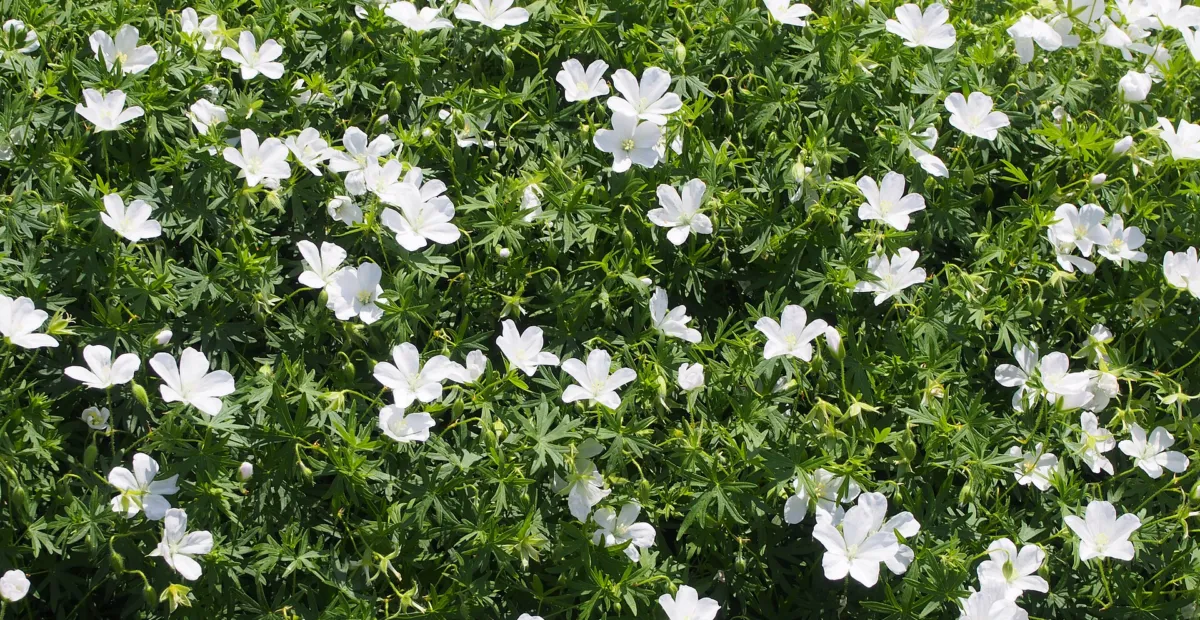
Leaves are small, green, hairy, and deeply divided into five to seven lobes, with upper leaves often more finely cut. Slender green stems carry solitary flowers from the leaf axils. The foliage develops conspicuous red to burgundy autumn color, while the dry, pointed fruits resemble a crane's bill.
Flowering
The flowers are solitary, five-petaled, and cup-shaped, appearing on slender stems from late spring into summer. The main display is typically in May and June in much of the United States, with occasional rebloom after trimming or favorable summer moisture. Flower color varies within the species, but this identity is associated with magenta-purple tones.
Pollination and visitors
Open, pollen-bearing flowers are visited by a range of insects, including bees, bumblebees, hoverflies, butterflies, and some beetles. The species is listed by North Carolina Extension as attracting butterflies, pollinators, and specialized bees. Visitor composition varies with region and surrounding habitat.
Geranium 'Sanguineum' photos
Click any photo for a larger view. Source, author and license are shown separately.
Diseases and pests
Diseases
Generally trouble-free, but leaf spots and rust can occur in crowded or persistently damp conditions. Improve air circulation, water at the soil line, remove infected foliage, and clean up fallen leaves. Avoid routine fungicide use unless disease is persistent and correctly identified.
Pests
Usually pest-resistant, though slugs and snails may browse young foliage in damp gardens. Monitor new growth and reduce hiding places with sanitation and airflow. Avoid broad-spectrum insecticides during bloom; use targeted, proportionate control only when feeding damage is significant.
Related diseases and pests
Only Plant Doctor profiles whose host data indicate this plant may be affected are shown here.

Toxicity and pollen
Reliable sources specifically addressing Geranium sanguineum toxicity are limited. The ASPCA entry commonly labeled “geranium” refers to Pelargonium species, not this hardy Geranium, so it should not be transferred automatically. Do not eat the plant; prevent pets or children from chewing unfamiliar plant material and seek professional advice after significant ingestion.
- Typical season
- Late spring through summer
- Pollination / pollen
- Insect-presented pollen
This is an insect-pollinated flowering perennial, so its pollen is mainly presented to visiting insects rather than released in large airborne clouds. Species-specific clinical allergy data are scarce; sensitive people should still avoid rubbing flowers or handling plants during heavy bloom if symptoms occur.
Native habitat
Naturally associated with temperate European and western Asian grasslands, open woodland, scrub, rocky slopes, calcareous sites, and coastal habitats. It commonly favors sunny, warm positions with free-draining soil and relatively modest fertility, including limestone-influenced ground.
Interesting fact
The species name sanguineum means blood-red and refers to the plant's red coloration, especially in autumn foliage. Its dry fruit is a beaked schizocarp that gives cranesbills their characteristic common name. The plant has a rhizome and can gradually spread into a low, cohesive planting.
Frequently asked questions (FAQ)
The most relevant questions about this plant, with short and direct answers.
🌱Quick care
Is Geranium 'Sanguineum' a perennial?⌄
Yes, Geranium 'Sanguineum' is a hardy herbaceous perennial cranesbill that dies back or becomes dormant in colder winters and regrows from its crown in spring.
How much sun does Geranium 'Sanguineum' need?⌄
Geranium 'Sanguineum' grows best in full sun to partial shade, with about 6 or more hours of direct sun producing the strongest flowering. In hot climates, some afternoon shade can reduce stress.
How often should I water Geranium 'Sanguineum'?⌄
Water Geranium 'Sanguineum' moderately, allowing the soil to dry slightly between waterings once the plant is established. Water more often during prolonged heat or drought, but avoid constantly wet soil.
Is Geranium 'Sanguineum' easy to grow?⌄
Yes, Geranium 'Sanguineum' is generally an easy-care perennial when planted in well-drained soil with adequate light. It needs little routine maintenance after establishment.
🌤️Environment and placement
What USDA hardiness zones are suitable for Geranium 'Sanguineum'?⌄
Geranium 'Sanguineum' is commonly listed as hardy in USDA Zones 3 through 9. Local performance can vary with drainage, winter exposure, and the specific form being grown.
What type of soil does Geranium 'Sanguineum' prefer?⌄
Geranium 'Sanguineum' prefers well-drained loamy or gritty soil and also tolerates rocky or calcareous ground. It can handle some clay if drainage is improved, but soggy soil is a poor match.
Can Geranium 'Sanguineum' grow in partial shade?⌄
Yes, Geranium 'Sanguineum' tolerates partial shade, although it usually produces more flowers in brighter light. Avoid deep shade, which can cause weak, open growth and reduced blooming.
Is Geranium 'Sanguineum' drought tolerant?⌄
Established Geranium 'Sanguineum' tolerates some drought, especially in gritty or rocky soil. It still grows and flowers best with occasional deep watering during extended dry periods.
Can Geranium 'Sanguineum' grow in a rock garden?⌄
Yes, Geranium 'Sanguineum' is well suited to rock gardens because it tolerates gritty, rocky, and well-drained soil. Give it enough space for its low, spreading stems to form a mound.
Is Geranium 'Sanguineum' good for pollinators?⌄
Yes, the flowers of Geranium 'Sanguineum' provide nectar visited by bees and butterflies. It is useful in pollinator borders, cottage gardens, rock gardens, and informal groundcover plantings.
💧Care and problems
Why is my Geranium 'Sanguineum' not flowering?⌄
The most common causes are insufficient light, excessive nitrogen, drought, or overly wet soil. Move or thin surrounding plants if necessary and provide bright light with consistent but well-drained moisture.
Does Geranium 'Sanguineum' need fertilizer?⌄
Geranium 'Sanguineum' usually needs little fertilizer and often performs well in average soil. If growth is weak, apply a light layer of compost or a modest balanced fertilizer in spring rather than a high-nitrogen product.
What problems commonly affect Geranium 'Sanguineum'?⌄
Geranium 'Sanguineum' has few serious problems, but leaf spots and rust can occur, particularly in crowded or persistently damp conditions. Improve air circulation, water at the soil line, and remove badly affected foliage.
Is Geranium 'Sanguineum' deer resistant?⌄
Geranium 'Sanguineum' is generally considered relatively resistant to deer and rabbits. No plant is completely browse-proof, especially when wildlife pressure is high or other food is scarce.
Does Geranium 'Sanguineum' spread aggressively?⌄
Geranium 'Sanguineum' forms a gradually expanding clump and may self-seed in favorable conditions, but it is not normally considered highly invasive. Remove side stems, seedlings, or divisions if it begins crowding nearby plants.
Should I deadhead Geranium 'Sanguineum'?⌄
Deadheading Geranium 'Sanguineum' is optional because the plant can flower without it. Removing spent flowers improves neatness, limits self-seeding, and may encourage additional blooms.
Can I cut back Geranium 'Sanguineum' after flowering?⌄
Yes, lightly shearing Geranium 'Sanguineum' after its main bloom can refresh the foliage and encourage a denser shape or some rebloom. Avoid cutting into the crown or removing healthy foliage during severe drought.
🪴Planting and repotting
When should I plant Geranium 'Sanguineum' in the United States?⌄
Plant Geranium 'Sanguineum' in spring after the soil can be worked or in early fall, allowing roots to establish before extreme heat or hard freezes. In mild-winter areas, fall planting is often especially effective.
How far apart should I plant Geranium 'Sanguineum'?⌄
Space Geranium 'Sanguineum' about 12 to 24 inches apart, depending on the mature spread of the form and how quickly you want the planting to fill. Leave extra room where air circulation is limited.
Can Geranium 'Sanguineum' grow in a container?⌄
Yes, Geranium 'Sanguineum' can grow in a container that is wider than it is deep and has excellent drainage. Use a gritty, well-draining potting mix and water when the upper layer begins to dry.
How do I transplant Geranium 'Sanguineum'?⌄
Transplant Geranium 'Sanguineum' during mild weather, lifting as much of the root mass as practical and replanting it at the original depth. Water thoroughly after planting and keep the soil lightly moist while new roots develop.
✂️Propagation and pruning
How do I propagate Geranium 'Sanguineum'?⌄
Geranium 'Sanguineum' can be propagated by division, seed, basal or stem cuttings, and suitable rhizome cuttings. Division is usually the most practical method for home gardeners who want plants matching the parent.
When should I divide Geranium 'Sanguineum'?⌄
Divide Geranium 'Sanguineum' in spring or early fall when temperatures are moderate and the plant is not under drought stress. Division also helps rejuvenate an overcrowded clump and control its spread.
Can Geranium 'Sanguineum' be grown from seed?⌄
Yes, Geranium 'Sanguineum' can be grown from seed, although germination may be uneven and young plants take time to reach flowering size. Seed-grown plants may vary from named selections and should not be expected to reproduce a cultivar exactly.
Can Geranium 'Sanguineum' be propagated from cuttings?⌄
Yes, Geranium 'Sanguineum' can be propagated from healthy basal or stem cuttings under suitable conditions. Keep the medium lightly moist, provide bright indirect light, and avoid excess water while roots form.
Should Geranium 'Sanguineum' be cut back for winter?⌄
Cut back Geranium 'Sanguineum' after the foliage has naturally declined or in late winter before new growth begins. In areas with winter interest or heavy snow, leaving old stems until spring is also acceptable.
⚠️Toxicity and safety
Is Geranium 'Sanguineum' toxic to people or pets?⌄
The toxicity of this exact Geranium 'Sanguineum' identity is not sufficiently verified, so do not ingest it and keep plant material away from children and pets. Do not confuse hardy Geranium species with tender Pelargonium bedding geraniums, which have separate toxicity listings.
🌸Flowering and special interest
When does Geranium 'Sanguineum' bloom?⌄
Geranium 'Sanguineum' typically blooms from late spring into early summer, often around May and June in much of the United States. Some plants produce a lighter rebloom later in summer.
What color are Geranium 'Sanguineum' flowers?⌄
Geranium 'Sanguineum' generally produces pink, magenta, reddish-purple, or crimson flowers, often with darker veins. Exact color can vary because this is a variable species and horticultural identity.
Does Geranium 'Sanguineum' have attractive fall color?⌄
Yes, the foliage of Geranium 'Sanguineum' can turn vivid red to burgundy after cool autumn weather or frost. Color is strongest when plants receive adequate sun and are not excessively shaded.
Similar plants
 Azure Monkshood (Aconitum carmichaelii) care guideAconitum carmichaelii
 Monkshood (Aconitum ‘Stainless Steel’)Aconitum 'Stainless Steel'
 Monkshood (Aconitum ‘Bressingham Spire’)Aconitum 'Bressingham Spire'
 Golden full moon maple (Acer shirasawanum ‘Aureum’)Acer shirasawanum 'Aureum'
 Globosum (Acer platanoides ‘Globosum’)Acer platanoides 'Globosum'
 Striped maple (Acer pensylvanicum) care guideAcer pensylvanicum