
 Source:
 Golden cholla (Cylindropuntia echinocarpa) short overview
Golden cholla is a striking Southwestern cactus native from southeastern California and southern Nevada through Arizona and Utah into northwestern Mexico. Its upright, irregularly branching stems are green to gray-green and heavily clothed in silvery or golden spine sheaths. Yellow-green flowers appear mainly in spring, followed by dry, spiny fruits. In cultivation, it needs intense sun, very sharp drainage, restrained watering, and careful handling.
Taxonomic classification
Golden cholla (Cylindropuntia echinocarpa) care guide
Light and placement
Give full sun, ideally in an open south- or southwest-facing position with strong air movement. Dense, healthy spine coverage and firm, compact growth indicate adequate light. Too little light can produce weaker, stretched branching and poorer flowering; excessive heat is usually tolerated if roots remain dry and the plant receives reasonable acclimation after moving outdoors.
Watering and humidity
Water deeply but infrequently during warm active growth, then wait until the mix is completely dry throughout before watering again. Reduce sharply in fall and keep nearly dry during cold weather, especially outdoors in rainy climates. Containers need more frequent checks than ground plants, but never water on a fixed schedule when the substrate is still damp.
Soil and growing medium
Use a very sharply drained mineral mix based on coarse sand, gravel, pumice, or decomposed granite. In the ground, sandy, loamy, rocky, or gravelly desert soil is suitable. Avoid heavy, persistently wet clay. Neutral to slightly alkaline conditions are generally appropriate, and drainage matters more than precise pH.
Feeding
Feed sparingly during active growth, if at all. A dilute, low-nitrogen cactus fertilizer once in late spring can support container plants; established plants in mineral ground soil often need no fertilizer. Do not feed newly rooted cuttings, dormant plants, or plants growing in cold, wet conditions.
Growth and habit
This cactus forms a much-branched shrub or small tree with a short trunk in favorable habitats. Branching may be compact or irregular, and detached stem joints can establish nearby after falling. Keep maintenance minimal: the main practical task is preserving dry root conditions and preventing accidental contact.
Planting and repotting
Plant outdoors after the danger of prolonged cold and wet weather has passed, preferably in late spring. Set the root crown at the same depth as previously grown; do not bury stem segments. Give it ample clearance from paths and seating because joints and spines detach readily. Water once after planting, then allow the soil to dry thoroughly between irrigation.
Repot only when the container is crowded or the substrate has broken down. Work during the warm growing season, use thick gloves and long-handled tongs, and allow any damaged roots or joints to dry before watering. Choose a stable, heavy pot with generous drainage.
Propagation and pruning
Propagation
Stem-joint cuttings are the most practical method. Remove a healthy joint with tongs, allow the wound to callus for several days in a dry shaded-to-bright location, then insert the base into barely moist, gritty mix. Rooting is easiest during warm weather. Seeds can be sown in a very well-drained medium but are slower and less predictable.
Pruning
Prune only to remove dead, diseased, storm-damaged, or dangerously positioned joints. Use long-handled tongs and eye protection rather than bare hands. Let cut surfaces dry before rain or irrigation. Avoid routine shaping, which can create unnecessary wounds and reduce the plant’s natural structure.
Overwintering
Keep the plant cold but dry where it is hardy. Shelter from prolonged winter rain, use a rain-shadow or covered position, and avoid watering while temperatures remain low. In humid or colder regions, overwinter it in a bright, cool, frost-free space with minimal water and good ventilation.
Uses
Use as an architectural specimen in xeric beds, rock gardens, desert restorations, and large containers. Its dense spines can provide shelter for small wildlife, but it should not be planted beside paths, play areas, or animal access routes. No medicinal use is asserted here.
Appearance
The plant has cylindrical, jointed stems with prominent short-oval tubercles and numerous spines enclosed in conspicuous white, silvery, yellow, or golden sheaths. Stem joints are generally firm rather than loosely pendulous. A short trunk may support an irregular, densely branched crown. Dry brown spiny fruits can remain conspicuous after flowering.
Flowering
Flowers are produced on mature stem segments, usually from spring into early summer. They are yellow-green and may show a slight orange tint or reddish tepal tips. Flowering is most reliable after a bright, dry growing season and may be sparse on young or stressed plants.
Pollination and visitors
The flowers are animal-pollinated, but species-specific visitor records are limited. As a cactus with open yellow-green flowers, it may receive occasional visits from bees and other small insects; attraction is rated low because strong, species-specific documentation was not found.
Cylindropuntia echinocarpa photos
Click any photo for a larger view. Source, author and license are shown separately.
Diseases and pests
Diseases
Root and stem rots are the principal concern when drainage is poor or watering continues during cool weather. Remove damaged tissue with a sterile tool, let wounds callus, and correct the substrate and irrigation. Avoid overhead watering and inspect crowded plants for soft, discolored joints.
Pests
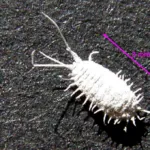
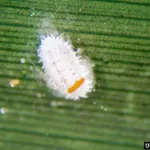
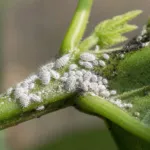
Scale insects, mealybugs, and cochineal-like sap-feeders may occur, especially on stressed container plants. Inspect joints and areoles regularly. Remove light infestations with a swab or targeted water spray; use a labeled cactus-safe treatment only when necessary and according to its instructions.
Related diseases and pests
Only Plant Doctor profiles whose host data indicate this plant may be affected are shown here.
Toxicity and pollen
No reliable species-specific evidence was located establishing poisonous effects in humans or pets. The principal documented hazard is mechanical injury from sharp spines and easily detached joints. Handle with thick gloves, eye protection, and tools; keep children and animals away from contact zones.
- Typical season
- Typically spring to early summer in the United States
- Pollination / pollen
- Flower pollen; likely mainly transferred by visiting insects
Cylindropuntia echinocarpa produces pollen during flowering, but dependable species-specific data on airborne dispersal and allergy incidence were not located. Its insect-associated flowers do not justify calling pollen risk zero. Avoid handling flowers during peak bloom if sensitive, and rely on local allergy guidance.
Native habitat
Native to desert and dry-shrub communities from southeastern California, Nevada, Arizona, and Utah into Baja California and Sonora. It occurs on sandy, loamy, alluvial, gravelly, or rocky substrates in flats, bajadas, canyons, desert grasslands, creosote scrub, and pinyon-juniper woodland, from low elevations to roughly 5,600 feet.
Interesting fact
The species was first described under Opuntia before being placed in Cylindropuntia. Detached joints can root after contact with suitable soil and seasonal moisture. The former name Cylindropuntia wigginsii is treated by some sources as a juvenile or synonymic form. It hybridizes with related chollas in parts of its range.
Frequently asked questions (FAQ)
The most relevant questions about this plant, with short and direct answers.
🌱Quick care
What is golden cholla?⌄
Golden cholla is the documented common name for Cylindropuntia echinocarpa, a perennial, branching cactus in the Cactaceae family. It is native to desert regions of the southwestern United States and is grown primarily for its architectural stems and golden to silvery spines.
How much sunlight does golden cholla need?⌄
Golden cholla needs full sun, ideally at least 6 hours of direct sunlight daily. Strong light helps maintain compact growth and the characteristic spine color.
How often should you water golden cholla?⌄
Water golden cholla only when its soil has dried completely, then soak the root zone and let excess water drain away. During winter or prolonged cool weather, keep it nearly dry, especially outdoors in rainy climates.
Is golden cholla drought tolerant?⌄
Yes, golden cholla is highly drought tolerant once established. Its main cultivation risk is usually excessive moisture rather than underwatering.
Is golden cholla cold hardy?⌄
Golden cholla is cold hardy when kept dry, but its tolerance depends on temperature, plant maturity, and local moisture conditions. Protect it from winter wet and provide shelter during freezes in colder or humid regions.
🌤️Environment and placement
Where does golden cholla grow naturally?⌄
Golden cholla naturally grows in desert and semidesert communities of the southwestern United States, including parts of California, Nevada, Arizona, and nearby regions. It occurs in habitats such as creosote bush scrub, dry washes, rocky slopes, Joshua tree woodland, and pinyon-juniper woodland.
Can golden cholla grow outdoors in the United States?⌄
Golden cholla can grow outdoors year-round in hot, dry parts of the United States when planted in sharply drained soil. In regions with wet winters, humid summers, or frequent freezing rain, container culture or rain protection is safer.
What USDA hardiness zone is suitable for golden cholla?⌄
Golden cholla is generally associated with approximately USDA Zones 7 through 10, provided the plant is kept dry during cold weather. Local drainage and winter moisture can matter as much as the minimum temperature.
Can golden cholla grow in a container?⌄
Yes, golden cholla grows well in a heavy container with a drainage hole and a very gritty cactus mix. Choose a stable pot because mature plants can become top-heavy and are difficult to handle safely.
Is golden cholla suitable for a rock garden?⌄
Yes, golden cholla is well suited to a sunny rock garden with sandy or rocky soil that drains rapidly. Place it where people, pets, and pathways will not come into contact with its spines and glochids.
💧Care and problems
What type of soil does golden cholla need?⌄
Golden cholla needs sandy or rocky soil that drains sharply, with little tendency to remain wet. A commercial cactus mix amended with pumice, perlite, or coarse grit is usually more suitable than ordinary moisture-retentive potting soil.
Why is my golden cholla turning soft or dark?⌄
Soft, dark, or collapsing stems commonly indicate rot caused by overwatering, poor drainage, or cold wet conditions. Move the plant to a dry, brighter location, remove damaged tissue with a clean tool, and correct the soil and watering routine.
Why is golden cholla losing branches?⌄
Branch loss can result from rot, freeze damage, physical contact, or natural separation of weakened joints. Inspect the break for discoloration or softness and keep healthy cut surfaces dry while the plant recovers.
Does golden cholla need fertilizer?⌄
Golden cholla usually needs little fertilizer because it is adapted to nutrient-poor desert soils. If growth is weak during the active season, use a diluted, low-nitrogen cactus fertilizer rather than frequent general-purpose feeding.
How fast does golden cholla grow?⌄
Golden cholla is generally a slow- to moderate-growing cactus, with growth influenced by heat, sunlight, drainage, and water availability. Growth may be especially slow in colder regions or when the plant is kept in a small container.
How large does golden cholla get?⌄
Golden cholla commonly develops into a medium-sized, branching shrub several feet tall and wide, although size varies with habitat and cultivation. Give it enough space for mature spread and avoid placing it beside narrow walkways.
🪴Planting and repotting
When is the best time to plant golden cholla outdoors?⌄
The best time to plant golden cholla outdoors is during the warm growing season after severe freezes have passed. Planting when the soil is warm gives roots time to establish before cold weather returns.
How do you plant golden cholla in the ground?⌄
Plant golden cholla at the same depth it was growing in its container, using a raised or naturally gritty site with excellent drainage. Handle the plant with long tools, thick gloves, and protective clothing, then wait several days before watering if roots were disturbed.
Does golden cholla need repotting?⌄
Golden cholla needs repotting only when roots have filled the container, drainage has declined, or the plant has become unstable. Move it into a slightly larger pot with fresh gritty mix and keep it dry briefly after repotting.
How do you repot golden cholla safely?⌄
Repot golden cholla with tongs, folded cardboard, or other tools that keep your hands away from the stems. Wear thick puncture-resistant gloves and eye protection, and never rely on bare-hand handling because the spines and glochids can detach easily.
✂️Propagation and pruning
How do you propagate golden cholla from cuttings?⌄
Golden cholla can be propagated from healthy stem segments by allowing the cut end to callus, then placing it in dry, sharply drained cactus mix. Keep the cutting warm and bright, and begin light watering only after roots have started to form.
Can golden cholla be grown from seed?⌄
Yes, golden cholla can be grown from seed, although seedlings are slower and less predictable than stem cuttings. Sow in a sterile, well-drained medium, keep the mix lightly moist during germination, and provide strong light after emergence.
Can golden cholla joints root after they fall off?⌄
Yes, detached golden cholla joints can sometimes root when placed on dry, gritty soil under warm, bright conditions. Do not bury the joint deeply or water it immediately, because trapped moisture can cause rot before roots develop.
Should golden cholla be pruned?⌄
Golden cholla usually does not need routine pruning, but damaged, diseased, or poorly placed stems can be removed. Use long-handled tools and plan the work carefully because detached joints and glochids remain hazardous.
⚠️Toxicity and safety
Are golden cholla spines dangerous?⌄
Yes, golden cholla spines and tiny glochids are hazardous and can embed in skin, clothing, or animal fur. Keep the plant away from children, pets, and high-traffic areas, and use tools and protective clothing whenever handling it.
Is golden cholla poisonous to people or pets?⌄
There is no established species-specific poison classification for golden cholla, but its spines and glochids can cause painful puncture injuries and difficult-to-remove irritation. Treat it as a hazardous cactus and contact a medical or veterinary professional if a serious injury occurs.
How do you remove golden cholla spines safely?⌄
Remove embedded golden cholla spines and glochids carefully with clean tools rather than rubbing the area. For deep, widespread, eye, mouth, or animal injuries, seek prompt medical or veterinary care because fragments can be difficult to see and remove.
🌸Flowering and special interest
When does golden cholla bloom?⌄
Golden cholla typically blooms from spring into early summer, with documented bloom periods commonly extending from March through June. Flowering varies with rainfall, temperature, elevation, and growing conditions.
What color are golden cholla flowers?⌄
Golden cholla flowers are generally yellow-green and may show a slight orange tint. The flowers are smaller and less visually dominant than the plant's dense golden or silvery spine covering.
Why is my golden cholla not flowering?⌄
A golden cholla may fail to flower because it is too young, lacks strong direct light, remains too wet, or is growing under unsuitable temperature conditions. Mature plants usually flower more reliably after a bright, dry winter rest and active-season growth.
Does golden cholla produce fruit?⌄
Yes, golden cholla can produce dry, brown, spiny fruits after flowering, although fruiting may be inconsistent in cultivation. Avoid handling the fruits because they can retain the same spine and glochid hazards as the stems.
Similar plants
 Azure Monkshood (Aconitum carmichaelii) care guideAconitum carmichaelii
 Monkshood (Aconitum ‘Stainless Steel’)Aconitum 'Stainless Steel'
 Monkshood (Aconitum ‘Bressingham Spire’)Aconitum 'Bressingham Spire'
 Golden full moon maple (Acer shirasawanum ‘Aureum’)Acer shirasawanum 'Aureum'
 Globosum (Acer platanoides ‘Globosum’)Acer platanoides 'Globosum'
 Striped maple (Acer pensylvanicum) care guideAcer pensylvanicum