
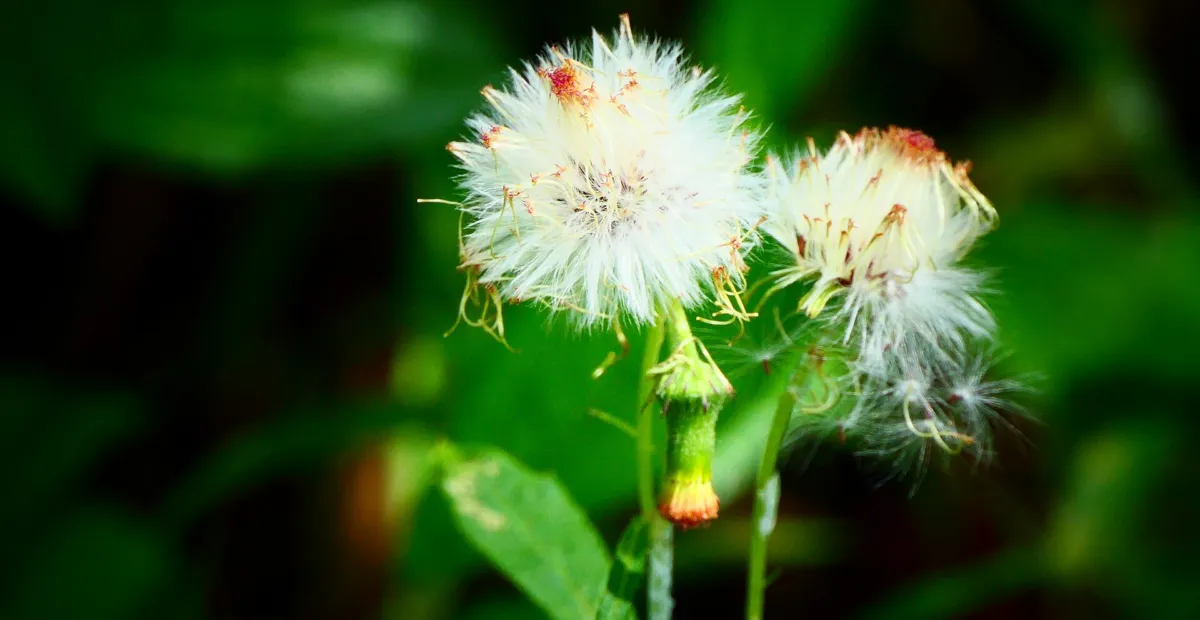
 Source:
 Redflower ragleaf (Crassocephalum crepidioides) short overview
Redflower ragleaf is a fast-growing summer annual in the sunflower family, native to tropical Africa and now introduced in parts of the southern United States, including Florida, Hawaii, and Puerto Rico. It forms an upright, leafy herb with variable, irregularly toothed leaves and clusters of slender orange-red to reddish-brown flower heads. Moist soil, warmth, and full sun encourage vigorous growth.
Taxonomic classification
Redflower ragleaf (Crassocephalum crepidioides) care guide
Light and placement
Grow redflower ragleaf in full sun for the strongest stems and flowering, or give it light afternoon shade in hot, humid climates. An east- or south-facing position is suitable where summers are warm. Insufficient light can produce elongated, weak growth and fewer flower heads; severe midday heat combined with dry soil may cause wilting or leaf scorch.
Watering and humidity
Keep the soil evenly moist but never permanently waterlogged. Water deeply when the upper inch of soil begins to dry, then allow excess water to drain. During hot summer weather, container plants may need frequent checks, while plants in cooler conditions need less. Good air movement is more important than misting; excessive humidity around wet foliage can encourage disease.
Soil and growing medium
Use fertile soil rich in organic matter, with a loose structure that retains moisture without becoming saturated. A loam amended with compost is suitable, provided drainage remains reliable. Avoid compacted clay and constantly standing water. Slightly acidic to neutral soil is the best-supported range; extreme alkalinity may reduce nutrient availability and vigor.
Feeding
Mix finished compost into the planting area before growth begins, then apply a balanced liquid fertilizer at half strength every four to six weeks during active summer growth if plants appear pale or slow. Do not feed drought-stressed, newly transplanted, or dormant plants. Excess nitrogen can produce lush foliage with weaker stems and delayed flowering.
Growth and habit
This species is an erect, rapidly developing annual that can branch and form a leafy plant during a long warm season. It commonly colonizes disturbed, moist ground and may self-seed where seed can mature. Remove unwanted seedlings early, and provide spacing or support in rich soil if stems become floppy.
Planting and repotting
Sow seed outdoors after frost danger has passed and nighttime temperatures are reliably warm. Press seed onto prepared soil and cover only lightly because small seed needs light or shallow placement for emergence. Keep the seedbed evenly moist until seedlings establish, then thin to about 12–18 inches apart. Choose a moist but well-drained site.
For container culture, move seedlings into a pot with drainage holes once roots fill the starter cell. Use a fertile, moisture-retentive but well-drained potting mix. Repot only when necessary during active growth, and water thoroughly after transplanting. Containers dry quickly in hot weather and may require more frequent irrigation than garden soil.
Propagation and pruning
Propagation
Propagate primarily from seed. Sow shallowly in warm, evenly moist soil, either in containers or directly outdoors after frost. Transplant seedlings once they have several true leaves, handling the roots carefully. Because the plant is annual, division and woody cutting methods are not appropriate.
Pruning
Pinch or cut back young plants only if a shorter, bushier form is desired. Remove spent flower clusters before seed dispersal if self-seeding is unwanted. At the end of the season, pull or cut plants at ground level and remove mature seed heads from areas where the species is not intended to persist.
Overwintering
This tropical annual does not tolerate frost. In most of the United States it is best treated as a seasonal plant and replaced from seed the following year. In frost-free areas, plants may continue growing through winter. Containers can be moved indoors before cold weather, but low light may cause weak, elongated growth.
Uses
In regions where it is traditionally cultivated, young leaves and shoots are used as a leafy vegetable or herb after appropriate preparation. In the United States it is more often grown or encountered as a warm-season annual and occasional introduced weed. Culinary use should be limited to correctly identified, uncontaminated plants, and should follow locally established preparation practices.
Appearance
The plant has ribbed, often pithy stems and alternate green leaves that vary from elliptic to oblong and may be irregularly toothed or partly lobed near the base. Leaf surfaces are generally smooth to lightly hairy, with a noticeable midrib. Numerous narrow flower heads are held in terminal, corymb-like clusters, followed by small brown achenes with a pale pappus.
Flowering
Flowering occurs mainly from August through December in Florida and comparable warm climates, with numerous small heads arranged in terminal corymb-like clusters. Each head contains many bisexual tubular disk florets and lacks showy ray florets. The heads mature into brown achenes bearing a pappus that aids dispersal.
Pollination and visitors
The flower heads contain numerous bisexual tubular florets and are compatible with insect visitation, but reliable species-level documentation of the principal visitors was not found. Do not assume strong bee or butterfly value without local observations or better-supported records.
Crassocephalum crepidioides photos
Click any photo for a larger view. Source, author and license are shown separately.
Diseases and pests
Diseases
Reduce disease risk with well-drained soil, adequate spacing, good air circulation, and watering at the soil line. Watch for leaf spots, stem or root problems, and gray mold during prolonged wet weather. Remove affected foliage promptly and avoid repeatedly wetting dense foliage. Discard severely diseased annuals rather than composting them.
Pests
Inspect new growth and leaf undersides for aphids, whiteflies, caterpillars, and spider mites, especially in containers or hot, dry conditions. Begin with hand removal, water sprays, sanitation, and preservation of beneficial insects. Use an appropriately labeled insecticidal soap or horticultural oil only when needed and according to the product label.
Toxicity and pollen
Reliable, species-specific human and companion-animal toxicity information was not located in the reviewed authoritative sources. Although the plant is cultivated as a food herb in some regions, that does not establish safety for every person, animal, preparation, or growing condition. Do not consume unidentified plants, and prevent pets and children from ingesting garden material.
- Typical season
- Late summer through fall in warm US climates
- Pollination / pollen
- Pollen released from tubular disk florets; airborne allergy importance is not established
This is a flowering, seed-producing plant that produces pollen, but its airborne pollen burden and clinical allergy significance are not well documented. Insect-associated flower structure may limit widespread dispersal compared with strongly wind-pollinated weeds, but sensitive individuals should avoid handling flowering plants if symptoms occur.
Native habitat
Redflower ragleaf is associated with warm, seasonally dry tropical climates and commonly appears in moist, newly disturbed places, wet ground, roadsides, cultivated areas, and open lowland vegetation. In the United States it is reported mainly from tropical or subtropical areas, including Florida, Hawaii, and Puerto Rico.
Interesting fact
The species is accepted under its current name by major taxonomic databases. Its flower heads contain only disk florets, unlike the familiar daisy-like heads of many Asteraceae. The pappus is relatively short-lived or early-deciduous in some descriptions, while other regional descriptions note bristles that aid dispersal. It has been cultivated as a leafy food plant in parts of Asia.
Frequently asked questions (FAQ)
The most relevant questions about this plant, with short and direct answers.
🌱Quick care
What is redflower ragleaf?⌄
Redflower ragleaf is the accepted common name for Crassocephalum crepidioides, a fast-growing, frost-tender summer annual in the Asteraceae family. It can reach about 4 feet tall and is also known as thickhead or ebolo. ([plants.ces.ncsu.edu](https://plants.ces.ncsu.edu/plants/crassocephalum-crepidioides/common-name/redflower-ragweed/?utm_source=openai))
Is redflower ragleaf an annual or perennial?⌄
Redflower ragleaf is an annual, so it completes its life cycle in one growing season and dies after flowering and seed production. In frost-free tropical climates, it may grow or flower for much longer. ([plants.ces.ncsu.edu](https://plants.ces.ncsu.edu/plants/crassocephalum-crepidioides/common-name/redflower-ragweed/?utm_source=openai))
How big does Crassocephalum crepidioides get?⌄
Crassocephalum crepidioides commonly grows upright to about 4 feet tall, with a spread that may require roughly 1 to 3 feet of space. Rapid growth is typical in warm, moist conditions. ([plants.ces.ncsu.edu](https://plants.ces.ncsu.edu/plants/crassocephalum-crepidioides/common-name/redflower-ragweed/?utm_source=openai))
🌤️Environment and placement
How much sun does redflower ragleaf need?⌄
Redflower ragleaf grows best in full sun, although it can tolerate partial shade. Stronger light generally produces better growth, while deep shade may limit vigor. ([plants.ces.ncsu.edu](https://plants.ces.ncsu.edu/plants/crassocephalum-crepidioides/common-name/redflower-ragweed/?utm_source=openai))
What USDA zones can grow redflower ragleaf outdoors?⌄
Redflower ragleaf is listed for USDA Zones 10a through 12b and is frost-tender. In colder parts of the United States, grow it as a warm-season annual after the danger of frost has passed. ([plants.ces.ncsu.edu](https://plants.ces.ncsu.edu/plants/crassocephalum-crepidioides/common-name/redflower-ragweed/?utm_source=openai))
What temperature is best for Crassocephalum crepidioides?⌄
Warm temperatures are best for Crassocephalum crepidioides, which is adapted to tropical and subtropical conditions. Protect it from frost and prolonged cold, because freezing temperatures can kill the plant. ([ask.ifas.ufl.edu](https://ask.ifas.ufl.edu/publication/EP534?utm_source=openai))
Does redflower ragleaf prefer wet or dry soil?⌄
Redflower ragleaf prefers consistently moist soil and can tolerate occasionally wet conditions, but it should not be kept in stagnant, poorly drained soil. Do not allow the plant to dry out for extended periods. ([plants.ces.ncsu.edu](https://plants.ces.ncsu.edu/plants/crassocephalum-crepidioides/common-name/redflower-ragweed/?utm_source=openai))
What type of soil is best for redflower ragleaf?⌄
Plant redflower ragleaf in moist, fertile, organic-rich soil that still drains reasonably well. Loam or light sandy soil can work when it retains enough moisture for steady growth. ([plants.ces.ncsu.edu](https://plants.ces.ncsu.edu/plants/crassocephalum-crepidioides/common-name/redflower-ragweed/?utm_source=openai))
💧Care and problems
How often should I water redflower ragleaf?⌄
Water redflower ragleaf whenever the soil surface begins to dry, providing enough moisture to keep the root zone consistently damp. Watering needs increase in full sun, hot weather, and containers. ([plants.ces.ncsu.edu](https://plants.ces.ncsu.edu/plants/crassocephalum-crepidioides/common-name/redflower-ragweed/?utm_source=openai))
Why is my redflower ragleaf wilting?⌄
Wilting is commonly caused by insufficient moisture, especially in hot sun or a container that dries quickly. Check the soil first, but also consider root stress if the soil remains saturated and poorly drained. ([plants.ces.ncsu.edu](https://plants.ces.ncsu.edu/plants/crassocephalum-crepidioides/common-name/redflower-ragweed/?utm_source=openai))
Does redflower ragleaf need fertilizer?⌄
Redflower ragleaf usually benefits from fertile soil and may grow well with a modest application of balanced fertilizer during active growth. Avoid excessive feeding, because the plant is already fast-growing and can become difficult to manage. ([plants.ces.ncsu.edu](https://plants.ces.ncsu.edu/plants/crassocephalum-crepidioides/common-name/redflower-ragweed/?utm_source=openai))
Is redflower ragleaf difficult to control?⌄
Redflower ragleaf can be difficult to control because it grows rapidly and produces many wind-dispersed seeds. Remove young plants promptly and prevent flowering when you do not want it to spread. ([plants.ces.ncsu.edu](https://plants.ces.ncsu.edu/plants/crassocephalum-crepidioides/common-name/redflower-ragweed/?utm_source=openai))
Is Crassocephalum crepidioides invasive in the United States?⌄
Crassocephalum crepidioides is documented in Florida, Hawaii, and Puerto Rico and is treated as a weedy plant in some U.S. horticultural settings. Its formal invasive status can vary by jurisdiction, so check current state or local listings before planting. ([ask.ifas.ufl.edu](https://ask.ifas.ufl.edu/publication/EP534?utm_source=openai))
🪴Planting and repotting
When should I plant redflower ragleaf outdoors?⌄
Plant redflower ragleaf outdoors after the last expected spring frost, when both the soil and air are reliably warm. In frost-free areas, it can be planted during the warm, moist growing season. ([ask.ifas.ufl.edu](https://ask.ifas.ufl.edu/publication/EP534?utm_source=openai))
Can redflower ragleaf grow in containers?⌄
Redflower ragleaf can grow in containers if the pot has drainage and the mix stays evenly moist. Monitor it closely because the plant can grow aggressively and may compete with nearby container plants. ([ask.ifas.ufl.edu](https://ask.ifas.ufl.edu/publication/EP534?utm_source=openai))
How far apart should I plant Crassocephalum crepidioides?⌄
Allow approximately 1 to 3 feet between redflower ragleaf plants, depending on whether you want a dense stand or more airflow. Give extra room in fertile, wet conditions where growth is especially vigorous. ([plants.ces.ncsu.edu](https://plants.ces.ncsu.edu/plants/crassocephalum-crepidioides/common-name/redflower-ragweed/?utm_source=openai))
✂️Propagation and pruning
How do you propagate redflower ragleaf?⌄
Redflower ragleaf is most commonly propagated from seed, and it can also be propagated from stem cuttings according to crop-production references. Sow seed on prepared soil and keep it moist during emergence. ([plants.ces.ncsu.edu](https://plants.ces.ncsu.edu/plants/crassocephalum-crepidioides/common-name/redflower-ragweed/?utm_source=openai))
How do I collect redflower ragleaf seeds?⌄
Collect the small fruits after flowering, before the fluffy, wind-dispersed seed heads scatter. Bagging mature heads or cutting them promptly can reduce accidental spread during collection. ([plants.ces.ncsu.edu](https://plants.ces.ncsu.edu/plants/crassocephalum-crepidioides/common-name/redflower-ragweed/?utm_source=openai))
Should I deadhead redflower ragleaf?⌄
Deadhead redflower ragleaf if you want to reduce reseeding and keep it from spreading through the garden. Remove flower heads before the seeds mature and become wind-borne. ([plants.ces.ncsu.edu](https://plants.ces.ncsu.edu/plants/crassocephalum-crepidioides/common-name/redflower-ragweed/?utm_source=openai))
⚠️Toxicity and safety
Is redflower ragleaf edible?⌄
Redflower ragleaf is eaten as a leafy vegetable in parts of tropical Africa and Asia, with young leaves and stems commonly cooked or blanched. However, its safety is not established for general U.S. consumption, so do not eat it solely based on an identification or online care guide. ([plants.ces.ncsu.edu](https://plants.ces.ncsu.edu/plants/crassocephalum-crepidioides/common-name/redflower-ragweed/?utm_source=openai))
Is Crassocephalum crepidioides toxic to people or pets?⌄
Toxicity for people and pets has not been firmly established in the supplied plant profile, but published references report potentially toxic pyrrolizidine alkaloids in the species. Avoid medicinal or routine internal use, and seek expert advice before consuming any part. ([edibleplantdb.org](https://edibleplantdb.org/plants/3055/crassocephalum-crepidioides?utm_source=openai))
Can pregnant people eat redflower ragleaf?⌄
Pregnant people should avoid eating redflower ragleaf unless a qualified healthcare professional confirms that it is appropriate. Safety concerns are heightened because sources report potentially toxic alkaloids and limited evidence for safe dietary use. ([edibleplantdb.org](https://edibleplantdb.org/plants/3055/crassocephalum-crepidioides?utm_source=openai))
Is redflower ragleaf safe to use as an herbal medicine?⌄
Redflower ragleaf should not be used as a home herbal medicine without guidance from a qualified clinician. Traditional medicinal use is documented, but reported alkaloids and limited modern safety evidence make unsupervised internal use inappropriate. ([ask.ifas.ufl.edu](https://ask.ifas.ufl.edu/publication/EP534?utm_source=openai))
🌸Flowering and special interest
When does redflower ragleaf flower?⌄
Redflower ragleaf generally flowers from summer into fall in the United States, with flowering and fruiting reported from August through December in Florida production settings. Frost-free climates may have a longer flowering season. ([plants.ces.ncsu.edu](https://plants.ces.ncsu.edu/plants/crassocephalum-crepidioides/common-name/redflower-ragweed/?utm_source=openai))
What do redflower ragleaf flowers look like?⌄
The flowers are small, drooping, reddish-pink to reddish-orange heads that lack conspicuous petals. They are borne near the tips of upright stems and later develop fluffy seed heads. ([plants.ces.ncsu.edu](https://plants.ces.ncsu.edu/plants/crassocephalum-crepidioides/common-name/redflower-ragweed/?utm_source=openai))
Does redflower ragleaf attract pollinators?⌄
Yes, redflower ragleaf flowers attract bees, including small carpenter bees and Seladonia bees. Its value is primarily as a warm-season nectar and pollen resource rather than as a long-lived perennial. ([plants.ces.ncsu.edu](https://plants.ces.ncsu.edu/plants/crassocephalum-crepidioides/common-name/redflower-ragweed/?utm_source=openai))
Similar plants
 Aibika (Abelmoschus manihot) care guideAbelmoschus manihot
  Water spinach (Ipomoea aquatica) care guideIpomoea aquatica
  Telfairia occidentalis care guideTelfairia occidentalis
  Talinum fruticosum care guideTalinum fruticosum
  Cornsalad (Valerianella locusta) care guideValerianella locusta
  Moringa (Moringa oleifera) care guideMoringa oleifera