 AI-generated illustration
 Canna ‘Pink Sunburst’ short overview
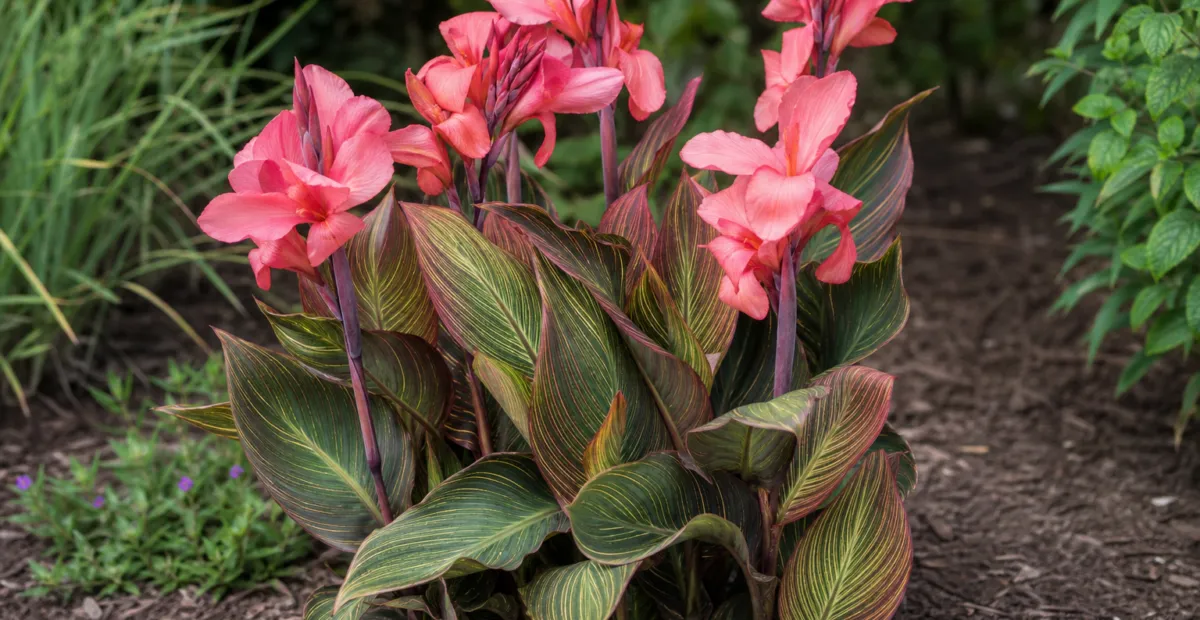
Canna 'Pink Sunburst' is a compact, upright garden canna grown for its vivid foliage as much as for its flowers. Dark green leaves carry narrow yellow stripes with reddish-pink flushing, while sturdy stems rise above the clump with salmon-pink blooms from late spring or early summer into fall. Give it full sun to partial shade, fertile soil that stays evenly moist, and winter protection wherever the rhizomes may freeze.
Taxonomic classification
Canna ‘Pink Sunburst’ care guide
Light and placement
Grow in full sun for strongest flowering, with at least 6 hours of direct light where possible. A south- or west-facing bed, warm patio, or bright pond edge is suitable. In hot climates, light afternoon shade can reduce leaf scorch. Too little light produces stretched stems and fewer flowers; harsh reflected heat or sudden exposure can bleach or brown leaves.
Watering and humidity
Water deeply whenever the upper inch of soil begins to dry, keeping the root zone consistently moist rather than alternating between drought and flooding. Increase frequency during hot weather and container culture. Pond-edge plants may tolerate very wet conditions, but containers still need drainage. Wilting, curled leaves, or brown margins indicate that moisture is insufficient or roots are stressed.
Soil and growing medium
Use fertile loam or amended garden soil that holds moisture without remaining stagnant. Cannas tolerate clay and sandy soils when organic matter and drainage are improved. A near-neutral to slightly alkaline reaction is generally suitable; avoid chronically waterlogged containers and compacted beds.
Feeding
Feed after spring growth begins with compost or a balanced slow-release fertilizer. Repeat lightly during the growing season if plants are actively flowering and foliage remains pale, following the product label. Do not fertilize newly lifted dormant rhizomes, drought-stressed plants, or saturated soil; excessive nitrogen can produce lush foliage with weaker flowering.
Growth and habit
This is a fast-growing, clumping rhizomatous perennial that multiplies by producing new shoots around the original rhizome. Remove weak or diseased shoots promptly and thin congested clumps periodically to maintain airflow. The compact habit makes it useful where a bold canna effect is wanted without a very tall background plant.
Planting and repotting
Plant outdoors after the danger of frost has passed and the soil has warmed. Set rhizomes about 2–4 inches deep with buds or eyes facing upward, then water thoroughly. Space plants about 18–24 inches apart for a fuller display while allowing airflow.
Repot container plants in spring as new shoots begin, using a heavy, moisture-retentive potting mix with drainage holes. Move to a container only modestly larger than the rhizome mass. Divide crowded rhizomes at the same time if needed.
Propagation and pruning
Propagation
Divide established rhizomes in spring, cutting sections so each division has at least one healthy bud or eye. Seed is possible but may not reproduce the cultivar faithfully, so division is preferred for maintaining 'Pink Sunburst' characteristics. Start divisions warm and evenly moist.
Pruning
Remove spent flower clusters and damaged leaves during the growing season. After frost turns the foliage brown, cut stems back near the ground. In mild climates, leave the clump dormant until spring; in colder climates, cut back before lifting the rhizomes for storage.
Overwintering
In USDA Zone 7b and warmer, a thick dry mulch may protect dormant rhizomes in a sheltered site, though local results vary. In colder areas, wait for foliage to be frosted, cut stems back, lift rhizomes, and let them surface-dry briefly. Store them in barely moist peat, vermiculite, or similar packing in a cool, frost-free place.
Uses
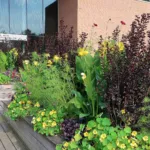
Use 'Pink Sunburst' as a foliage accent in mixed borders, containers, mass plantings, pond edges, and cut-flower or cut-foliage displays. Its compact size suits smaller gardens better than many tall cannas. Although some Canna species have food uses, this ornamental cultivar should not be treated as an edible crop without verified identification and preparation guidance.
Appearance
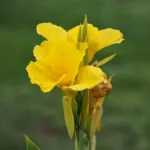
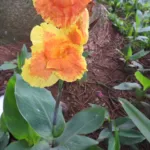
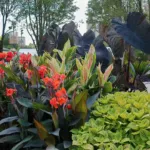
The cultivar forms an upright clump of broad, pointed, banana-like leaves. Mature foliage is dark green with narrow yellow striping and a reddish-pink cast, especially noticeable on young growth and margins. Pink flower stems rise above the foliage, creating strong contrast. The combination of compact habit, striped leaves, and salmon-pink flowers is a useful identification feature.
Flowering
Sturdy flowering stems carry racemes of salmon-pink flowers above the variegated leaves. In a warm, long-season garden, flowering can begin in late spring or early summer and continue into early fall. Deadheading spent clusters can improve appearance and may encourage continued bloom, but the cultivar is primarily valued for its foliage contrast.
Pollination and visitors
The showy, open canna flowers are reported by horticultural growers to attract hummingbirds. Specific visitor records for 'Pink Sunburst' are sparse, so no species-level pollinator is assigned. The flowers are not being classified as a major airborne-allergen source solely because they produce pollen.
Diseases and pests
Diseases
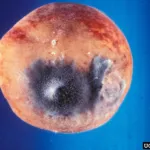
Watch for canna viruses, including mottling, streaking, distorted leaves, and declining vigor. Remove and discard symptomatic plants rather than propagating from them, disinfect cutting tools, control sap-feeding insects, and avoid planting infected rhizomes. Good spacing and airflow help limit secondary leaf problems.
Pests
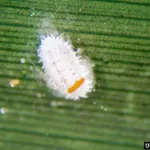
Aphids, spider mites, slugs, and caterpillars may attack tender growth. Inspect new leaves and stems regularly, wash off small infestations with water, handpick larger pests, and use targeted treatments only when necessary. Avoid practices that harm visiting pollinators, especially while flowers are open.
Related diseases and pests
Only Plant Doctor profiles whose host data indicate this plant may be affected are shown here.

Toxicity and pollen
ASPCA lists canna lily as non-toxic to dogs and cats. That designation does not guarantee that eating large quantities will cause no stomach upset, and ordinary plant material can still be a choking or digestive concern. Avoid eating ornamental rhizomes or foliage unless specifically identified and prepared as a food crop.
- Typical season
- During flowering, typically June through September in much of the United States
- Pollination / pollen
- Mostly insect-associated pollen; not documented as a major wind-dispersed pollen source
Canna pollen is associated with conspicuous, insect-visited flowers rather than the type of abundant wind-dispersed pollen commonly responsible for seasonal hay fever. Direct allergy studies for this cultivar were not located, so sensitive people should still avoid rubbing eyes after handling flowers and seek medical advice for persistent symptoms.
Native habitat
The cultivar is of garden origin rather than a wild native taxon. Its Canna background reflects warm-season plants adapted to sunny, moist sites and fertile soils. In cultivation it performs best with heat, regular moisture, and a long growing season; rhizomes become dormant when exposed to cold or drying conditions.
Interesting fact
The cultivar was introduced in the 1990s through Sunburst Flower Bulbs of South Africa and later introduced by Juniper Level Botanic Garden. Its main ornamental feature is the reddish-pink overlay on striped foliage, unusual among compact cannas. Some horticultural references associate the name with the cultivar 'Pringle Bay', but that synonymy is not treated as fully settled here.
Frequently asked questions (FAQ)
The most relevant questions about this plant, with short and direct answers.
🌱Quick care
What is Canna 'Pink Sunburst'?⌄
Canna 'Pink Sunburst' is a rhizomatous perennial canna valued for pink-flushed, green-and-yellow variegated foliage and soft salmon-pink flowers. It is commonly grown as a summer accent in borders, containers, and moisture-retentive sites.
How much sun does Canna 'Pink Sunburst' need?⌄
Give Canna 'Pink Sunburst' full sun to partial shade. Brighter light generally supports stronger growth and more intense foliage color, while some afternoon shade can help in very hot climates.
How often should I water Canna 'Pink Sunburst'?⌄
Water Canna 'Pink Sunburst' regularly enough to keep the soil evenly moist to wet. Do not allow containers or planting beds to become persistently stagnant unless the site is specifically designed for wetland or marginal conditions.
Is Canna 'Pink Sunburst' an indoor or outdoor plant?⌄
Canna 'Pink Sunburst' is primarily an outdoor garden plant. It can be grown in a large container outdoors during the warm season, but it usually needs strong direct light and frost protection to overwinter indoors.
🌤️Environment and placement
What USDA hardiness zones are suitable for Canna 'Pink Sunburst'?⌄
Canna 'Pink Sunburst' is generally suited to USDA Zones 7b–10b, although local winter conditions and drainage affect survival. In colder areas, lift and store the rhizomes before freezing weather.
Can Canna 'Pink Sunburst' grow in partial shade?⌄
Yes, Canna 'Pink Sunburst' can grow in partial shade, but flowering and foliage coloration may be less pronounced than in brighter light. Morning sun or several hours of direct light is usually a useful compromise.
Is Canna 'Pink Sunburst' suitable for a rain garden or pond edge?⌄
Yes, Canna 'Pink Sunburst' can suit a pond edge or rain-garden margin when the soil remains moist but drains adequately. Avoid placing the rhizomes in cold, stagnant water for long periods.
How tall does Canna 'Pink Sunburst' get?⌄
Canna 'Pink Sunburst' commonly reaches about 30–36 inches in favorable garden conditions, although size can vary with climate, fertility, container space, and winter survival. Plants grown in the ground may become larger than container specimens.
💧Care and problems
What soil is best for Canna 'Pink Sunburst'?⌄
Use fertile, moisture-retentive loam with good drainage for Canna 'Pink Sunburst'. Incorporating compost or other organic matter can improve fertility and moisture retention without creating waterlogged conditions.
Does Canna 'Pink Sunburst' need fertilizer?⌄
Yes, Canna 'Pink Sunburst' benefits from regular feeding during active growth because cannas grow vigorously. Apply a balanced slow-release fertilizer or feed according to the label, and reduce or stop fertilizing as the plant enters dormancy.
Why are the leaves of my Canna 'Pink Sunburst' turning brown?⌄
Brown leaves on Canna 'Pink Sunburst' commonly indicate drought stress, scorching, wind damage, or cold injury. Check soil moisture, protect the plant from freezing temperatures, and remove leaves that are fully damaged.
Why is my Canna 'Pink Sunburst' not flowering?⌄
Insufficient light, cold temperatures, drought, overcrowding, or excess nitrogen can reduce flowering in Canna 'Pink Sunburst'. Move container plants to a brighter location, keep them evenly moist, and allow the plant a long warm growing season.
Why is the variegation on my Canna 'Pink Sunburst' less colorful?⌄
Low light can make the variegation of Canna 'Pink Sunburst' appear greener or less intense. Provide brighter light while monitoring for excessive afternoon heat, drought, or leaf scorch.
What pests commonly affect Canna 'Pink Sunburst'?⌄
Canna 'Pink Sunburst' may be attacked by common canna pests such as caterpillars, thrips, aphids, or spider mites. Inspect new growth and leaf undersides regularly, and use the least-toxic control appropriate for the identified pest.
🪴Planting and repotting
When should I plant Canna 'Pink Sunburst' outdoors?⌄
Plant Canna 'Pink Sunburst' outdoors after the danger of frost has passed and the soil has warmed. In colder regions, start the rhizomes indoors several weeks earlier or wait until consistently warm weather.
How deep should I plant Canna 'Pink Sunburst' rhizomes?⌄
Plant Canna 'Pink Sunburst' rhizomes about 2–4 inches deep with the growing points facing upward. Use fertile, well-drained soil and keep it evenly moist after planting.
Can Canna 'Pink Sunburst' grow in containers?⌄
Yes, Canna 'Pink Sunburst' grows well in a large container with drainage holes and fertile, moisture-retentive potting mix. Choose a stable pot with enough room for the rhizomes and water more frequently during hot weather.
✂️Propagation and pruning
How do I propagate Canna 'Pink Sunburst'?⌄
The most reliable way to propagate Canna 'Pink Sunburst' is by dividing its rhizomes. Separate healthy sections with at least one visible growing point, then replant them immediately or keep them barely moist until planting.
Can Canna 'Pink Sunburst' be grown from seed?⌄
Canna 'Pink Sunburst' can produce seeds, but seedlings may not reproduce the parent’s distinctive foliage or flower characteristics. Rhizome division is preferred when an identical plant is wanted.
Should I cut back Canna 'Pink Sunburst' after flowering?⌄
Cut back spent flower stalks and damaged leaves to improve appearance and redirect energy to new growth. In areas where the plant becomes dormant, cut the remaining stems down after frost has blackened the foliage.
How do I overwinter Canna 'Pink Sunburst' in cold climates?⌄
Before a hard freeze, dig the rhizomes, let excess soil dry from the surface, and store them in a cool, dark, frost-free place in barely moist peat, vermiculite, or similar material. Check periodically and discard any sections that become soft or rotten.
⚠️Toxicity and safety
Is Canna 'Pink Sunburst' toxic to dogs and cats?⌄
Canna 'Pink Sunburst' is considered non-toxic to dogs and cats according to ASPCA listings for canna lily. Even non-toxic plants can cause mild stomach upset if eaten, so contact a veterinarian if symptoms occur.
Is Canna 'Pink Sunburst' poisonous to children?⌄
Canna 'Pink Sunburst' is not generally regarded as a poisonous ornamental plant, but children should not be encouraged to eat plant material. Seek medical advice if ingestion causes symptoms or if the plant’s identity is uncertain.
🌸Flowering and special interest
When does Canna 'Pink Sunburst' bloom?⌄
Canna 'Pink Sunburst' typically blooms from midsummer into early fall, with timing varying by climate and planting date. Warm temperatures, adequate moisture, and sufficient light support the best flowering.
What color are the flowers of Canna 'Pink Sunburst'?⌄
The flowers of Canna 'Pink Sunburst' are generally soft pink to salmon-pink. Their warm color contrasts with the cultivar’s green, yellow, and pink-flushed variegated leaves.
Does Canna 'Pink Sunburst' attract hummingbirds?⌄
Yes, the flowers of Canna 'Pink Sunburst' can attract hummingbirds and other flower-visiting pollinators. Planting it in a sunny, sheltered location can make the blooms easier for visitors to access.