
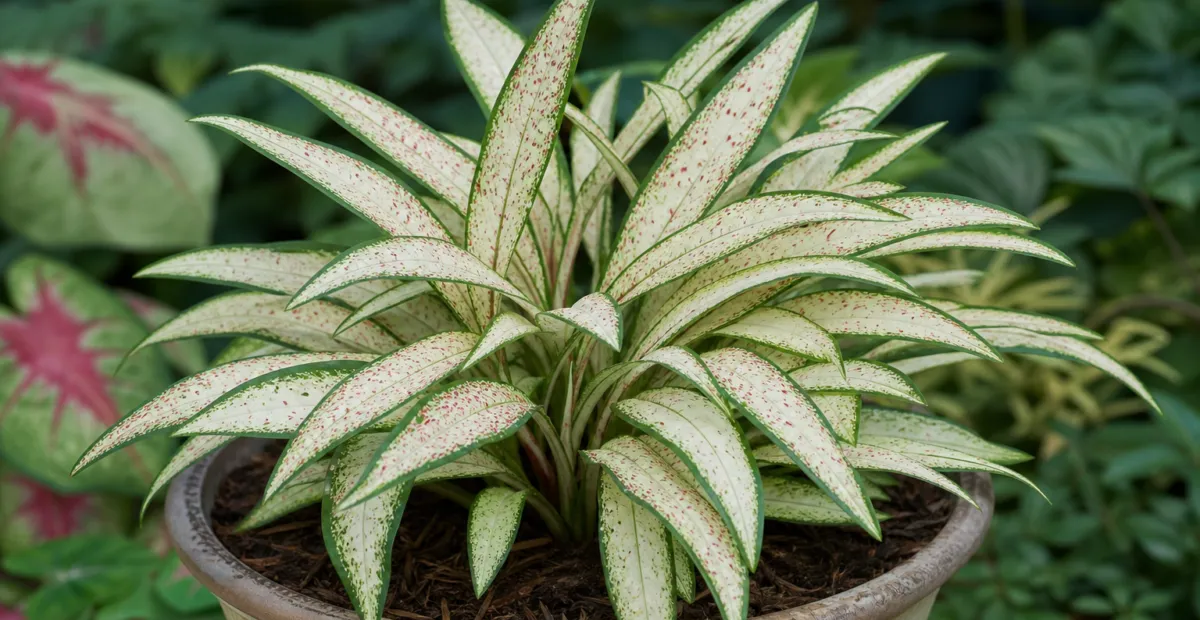
 AI-generated illustration
Caladium ‘Gingerland’ short overview
Caladium 'Gingerland' is a compact, strap-leaved caladium prized for creamy-white leaves marked with red speckles and edged in green. It grows best in warm conditions, evenly moist soil, and bright filtered light to partial shade, though this cultivar has useful sun tolerance. In colder U.S. climates, grow it as a seasonal bedding plant or container specimen and overwinter the tubers indoors. A compact, strap-leaved caladium with creamy-white leaves, red speckles, and green margins; valued chiefly for colorful foliage.
Taxonomic classification
Caladium ‘Gingerland’ care guide
Light and placement
Give 'Gingerland' bright filtered light or partial shade, such as an east-facing site, a bright porch, or a bed receiving morning sun and afternoon protection. It has better sun tolerance than many caladiums, but intense afternoon sun can scorch or bleach leaves, especially when soil is dry. Too little light produces weaker stems, slower growth, and less vivid markings.
Watering and humidity
Keep the root zone evenly moist during active growth, watering deeply when the surface begins to dry rather than following a rigid calendar. Containers may need frequent checks in hot weather. Reduce watering as foliage declines in fall, then keep dormant tubers nearly dry in storage. Avoid standing water, which promotes tuber rot.
Soil and growing medium
Use a loose, humus-rich potting mix or well-drained garden soil that holds steady moisture without becoming waterlogged. A slightly acidic to neutral reaction is suitable. Incorporate compost or fine organic matter, but avoid dense clay and containers without drainage holes.
Feeding
Feed only during active growth, once new leaves are expanding. Use a balanced liquid fertilizer diluted to about half the label strength every 3 to 4 weeks, or apply a controlled-release product according to its label. Do not fertilize dry, dormant, chilled, or recently divided tubers; water first when the soil is dry.
Growth and habit
This cultivar forms a low, compact clump from underground tubers and produces successive leaves during warm, frost-free growth. Growth slows sharply in cool conditions and the plant naturally enters dormancy when temperatures or moisture decline. Remove declining foliage before lifting tubers to reduce storage problems.
Planting and repotting
Plant outdoors only after soil and nighttime temperatures have warmed reliably, generally after the last spring frost. Set tubers about 1½ to 2 inches deep with the growing eyes upward, or follow the depth supplied by the grower. Space plants about 8 to 12 inches apart for a continuous foliage display.
Repot or divide container-grown plants in spring as growth resumes. Handle the tubers gently, refresh depleted mix, and use a pot with drainage holes. Avoid moving the plant into a much larger container, which can keep the substrate wet for too long.
Propagation and pruning
Propagation
Propagate by dividing dormant or actively growing tubers in spring. Each division should retain at least one healthy bud or eye; allow freshly cut surfaces to dry briefly before planting. Seed is not a practical method for preserving the named cultivar because seedlings will not reliably reproduce its foliage pattern.
Pruning
Pruning is limited to removing yellow, damaged, or diseased leaves at the base with clean scissors. If the plant enters dormancy, allow foliage to die back naturally before cutting it away. Do not remove healthy leaves unnecessarily, because they replenish the tuber.
Overwintering
Lift tubers before frost in USDA Zones 8 and colder, after foliage has declined and the soil is still reasonably dry. Cure them briefly in a warm, ventilated place, remove loose soil, and store at about 60–70°F in dry peat, vermiculite, or similar material. Replant in spring after warmth returns.
Uses
Use 'Gingerland' for warm-season bedding displays, shaded borders, patio containers, porch planters, and indoor seasonal foliage. Its narrow leaves create contrast with broad-leaved caladiums and other tropical plants. It is ornamental only and should not be eaten because Caladium tissues contain irritating calcium oxalate crystals.
Appearance
‘Gingerland’ is a compact lance- or strap-leaved caladium. Its narrow leaves are creamy white, irregularly marked with red speckles, and bordered by green margins. The foliage pattern is the primary identification feature; leaf size and color intensity vary with light, nutrition, temperature, and plant age.
Flowering
Caladiums are grown primarily for foliage and may occasionally produce a small arum-type inflorescence consisting of a spathe surrounding a short spadix. Flowering is intermittent and is not a dependable feature of 'Gingerland'; the cultivar's exact flowering schedule and color are not well documented.
Pollination and visitors
No cultivar-specific animal pollinator or flower-visitor record was located. Because flowering is occasional and inconspicuous, pollinator attraction should be treated as unknown rather than assumed.
Diseases and pests
Diseases
Prevent disease by using clean stock, providing airflow, avoiding overhead irrigation, and removing damaged leaves. Leaf spot and fungal or bacterial rots are favored by prolonged wetness. Water at the soil line, discard badly rotted tubers, and use only properly labeled treatments where diagnosis confirms a need.
Pests
Watch for aphids, mealybugs, whiteflies, thrips, spider mites, and tuber-feeding pests. Inspect leaf undersides and new growth regularly, isolate infested containers, and begin with water sprays or hand removal. Avoid routine broad-spectrum insecticides that can worsen mite problems or harm beneficial insects.
Related diseases and pests
Only Plant Doctor profiles whose host data indicate this plant may be affected are shown here.
 Environmental stressLeaf sunburn
 PestBroad mitePolyphagotarsonemus latus (Banks)
 PestMealy Plum AphidHyalopterus pruni (Geoffroy, 1762)
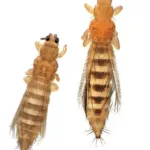 PestOnion thripsThrips tabaci Lindeman
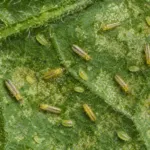 PestMelon thripsThrips palmi Karny
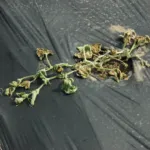 DiseaseBacterial WiltRalstonia solanacearum species complex
 DiseaseBacterial Fruit BlotchAcidovorax citrulli
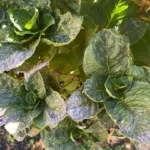 PestChilli thripsScirtothrips dorsalis Hood
Toxicity and pollen
Caladiums contain insoluble calcium oxalate crystals. Chewing or swallowing leaves, stems, or tubers can cause immediate mouth and throat irritation, pain, swelling, drooling, vomiting, or difficulty swallowing. Keep plant material away from children and pets, and seek medical or veterinary advice after ingestion, especially if swelling or breathing difficulty occurs.
- Pollination / pollen
- Not reliably documented; pollen is not a notable ornamental feature
Caladium 'Gingerland' is usually grown before or without noticeable flowering, and reliable cultivar-specific airborne-pollen data were not located. Do not treat the plant as allergy-free; avoid handling flowering structures or plant debris if irritation occurs.
Native habitat
The cultivated plant reflects tropical and subtropical aroid ancestry rather than a reliably documented wild habitat for the named cultivar. Caladiums favor warm, humid conditions, filtered light, organic soils, and consistent moisture during growth; commercial production and distribution are strongly associated with warm regions of the United States.
Interesting fact
‘Gingerland’ is classified horticulturally as a lance- or strap-leaved caladium. Its compact size and sun tolerance distinguish it from many larger, more shade-dependent caladiums. The cultivar has also been used as breeding material in later caladium development.
Frequently asked questions (FAQ)
The most relevant questions about this plant, with short and direct answers.
🌱Quick care
What is Caladium 'Gingerland'?⌄
Caladium 'Gingerland' is a compact caladium valued for creamy white, strap-shaped leaves marked with red or raspberry freckles and green margins. It is grown mainly for colorful foliage rather than flowers.
How much light does Caladium 'Gingerland' need?⌄
Give Caladium 'Gingerland' bright filtered light, partial shade, or gentle morning sun. It tolerates more sun than many caladiums, but intense afternoon sun can bleach or scorch the leaves.
How often should I water Caladium 'Gingerland'?⌄
Water when the soil surface begins to dry, keeping the mix evenly moist but never saturated. Reduce watering when the plant naturally enters dormancy or loses its foliage.
Is Caladium 'Gingerland' an indoor or outdoor plant?⌄
Caladium 'Gingerland' can grow indoors in bright indirect light or outdoors during warm weather. Move it indoors or protect its tubers before cold temperatures and frost arrive.
How big does Caladium 'Gingerland' get?⌄
Caladium 'Gingerland' usually forms a compact, mounded plant about 12 to 18 inches tall and wide, although growth can vary with tuber size, moisture, light, and climate.
🌤️Environment and placement
Can Caladium 'Gingerland' grow in full sun?⌄
Caladium 'Gingerland' has some sun tolerance and may grow well with several hours of sun, especially in humid climates. For the best leaf color and lower scorch risk, provide morning sun followed by partial shade.
Where should I place Caladium 'Gingerland' outdoors?⌄
Place it in a sheltered bed, border, container, or hanging basket with bright shade or filtered light. Protect the fragile leaves from strong wind, hail, and prolonged hot afternoon exposure.
What temperature is best for Caladium 'Gingerland'?⌄
Caladium 'Gingerland' grows best in warm conditions, generally when the soil and air are comfortably above 60°F. Cold soil slows sprouting, while freezing temperatures can kill the foliage and damage the tuber.
Can Caladium 'Gingerland' survive winter outdoors?⌄
It can remain outdoors year-round only in reliably frost-free parts of USDA Zones 9–11 with suitable winter conditions. In colder areas, lift the tubers or bring the container indoors before frost.
💧Care and problems
Why are the leaves on my Caladium 'Gingerland' turning brown?⌄
Brown leaves commonly result from direct sun scorch, dry soil, cold exposure, low humidity, or wind damage. Check moisture and light first, and remove badly damaged leaves with clean scissors.
Why is my Caladium 'Gingerland' not growing?⌄
Slow growth is often caused by cool soil, insufficient warmth, dormancy, or a tuber planted upside down. Keep the plant warm, use well-drained moist soil, and allow several weeks for dormant tubers to sprout.
Why are Caladium 'Gingerland' leaves curling?⌄
Curling leaves usually indicate water stress, excessive heat, cold injury, or pest activity. Inspect the undersides for insects and keep the soil consistently moist without allowing it to remain waterlogged.
Does Caladium 'Gingerland' need fertilizer?⌄
Feed Caladium 'Gingerland' lightly during active growth with a balanced, diluted fertilizer every four to six weeks. Avoid heavy feeding, which can produce soft growth or damage roots in dry soil.
What pests commonly affect Caladium 'Gingerland'?⌄
Slugs and snails may chew holes in outdoor leaves, while aphids, mealybugs, and spider mites can occasionally affect plants indoors. Remove pests by hand or use a labeled treatment according to its instructions.
🪴Planting and repotting
When should I plant Caladium 'Gingerland' tubers?⌄
Plant the tubers in spring after the danger of frost has passed and the soil has warmed to at least about 60°F. Planting into cold, wet soil increases the risk of slow growth and rot.
How deep should I plant Caladium 'Gingerland' tubers?⌄
Plant Caladium 'Gingerland' tubers about 2 inches deep with the knobby or budded side facing upward. Space them roughly 6 to 12 inches apart depending on the desired density and container size.
What soil is best for Caladium 'Gingerland'?⌄
Use a loose, humus-rich, well-drained soil or potting mix that retains moderate moisture without becoming soggy. Amend heavy clay or use a container if drainage is poor.
Can I grow Caladium 'Gingerland' in a container?⌄
Yes, Caladium 'Gingerland' grows well in containers, window boxes, and hanging baskets with drainage holes. Choose a container large enough for the tuber and keep the mix evenly moist while the plant is actively growing.
✂️Propagation and pruning
How do I overwinter Caladium 'Gingerland' tubers?⌄
Before frost, dig up the tubers after the foliage begins to decline, let them dry briefly, and store them in a dry, frost-free place around 70–75°F. Replant them in spring once warm conditions return.
Can Caladium 'Gingerland' be propagated from leaves or cuttings?⌄
No, individual leaves or stem cuttings generally do not produce a new Caladium 'Gingerland' plant. Propagation is normally done by dividing healthy tubers, with each division retaining at least one viable bud or eye.
Should I prune Caladium 'Gingerland'?⌄
Routine pruning is not necessary, but remove yellow, brown, or damaged leaves at the base to improve appearance and air circulation. Use clean shears and avoid removing healthy foliage during active growth.
⚠️Toxicity and safety
Is Caladium 'Gingerland' toxic to pets?⌄
Yes, Caladium 'Gingerland' is moderately toxic if chewed or swallowed because it contains irritating calcium oxalate crystals. Keep it away from children and pets, and contact a medical or veterinary professional if ingestion occurs.
🌸Flowering and special interest
Does Caladium 'Gingerland' produce flowers?⌄
Caladium 'Gingerland' can produce small, inconspicuous flowers consisting of a spadix and spathe, especially when forced in containers. The foliage is the primary ornamental feature, so flowering is not usually the main goal.
Similar plants
 Yellow lantern chili (Capsicum chinense) care guideCapsicum chinense
 Capsicum baccatum care guideCapsicum baccatum
 Serrano (Capsicum annuum ‘Serrano’)Capsicum annuum 'Serrano'
 Purple Beauty (Capsicum annuum ‘Purple Beauty’)Capsicum annuum 'Purple Beauty'
 Numex Twilight (Capsicum annuum ‘Numex Twilight’)Capsicum annuum 'Numex Twilight'
 Explosive Ember Chili Pepper (Capsicum annuum ‘Explosive Ember’)Capsicum annuum 'Explosive Ember'