
 AI-generated illustration
Aztekonia hintonii short overview
Aztekonia hintonii is the synonym-bearing name of a rare Mexican cactus accepted by major taxonomic databases as Aztekium hintonii. This slow-growing, solitary plant develops a gray-green, strongly ribbed stem with a sunken woolly apex, curved spines, and striking magenta flowers. In cultivation it demands bright light, a very mineral, fast-draining substrate, cautious watering, and protection from freezing temperatures. It is primarily a specialist collector’s plant.
Taxonomic classification
Aztekonia hintonii care guide
Light and placement
Provide several hours of direct sun or the brightest filtered light available, with gradual acclimation behind glass or under intense grow lighting. An east, south, or southwest exposure is suitable when heat buildup is controlled. Excessive shade causes weak, elongated growth and poor flowering; sudden intense sun can scorch an unacclimated plant.
Watering and humidity
Water thoroughly only after the mineral substrate has dried completely, then let excess water drain away. During active warm-season growth, use a soak-and-dry rhythm; reduce watering sharply in fall and keep the plant nearly dry in cool winter conditions. Never leave the pot standing in water, and do not combine high humidity with cool, wet soil.
Soil and growing medium
Use an extremely mineral, sharply draining substrate with abundant pumice, coarse grit, and a modest gypsum component. The species is associated with gypsum outcrops and may tolerate or benefit from mildly alkaline conditions, but the exact ideal potting chemistry is not firmly standardized. Avoid dense organic mixes and any container that stays wet after watering.
Feeding
Feed sparingly during active warm-season growth with a dilute, low-nitrogen cactus fertilizer. One or two applications are generally sufficient for a slow-growing specimen. Do not fertilize during winter rest, after repotting, or while the plant is stressed, cold, recently watered, or showing signs of root damage.
Growth and habit
This is a very slow-growing, usually solitary cactus that may become somewhat short-columnar with age. Its slow metabolism makes overwatering and excessive feeding particularly damaging. Stable conditions, careful seasonal drying, and patience are more important than frequent intervention.
Planting and repotting
Plant container specimens at the same depth as previously grown, keeping the stem base above the substrate. Use a shallow pot with a drainage opening and a mostly mineral mix. Establish gradually with light watering after transplanting, then return to a dry interval before the next irrigation.
Repot only when the container is crowded or the substrate has degraded. Work during warm, dry active growth, disturb the roots as little as possible, and allow any damaged roots to dry before watering. A small, stable pot with excellent drainage is preferable to an oversized container.
Propagation and pruning
Propagation
Seed is the most appropriate conservation-minded method, although seedlings grow very slowly. Specialist growers also graft seedlings or small plants to accelerate development. Use legally sourced, artificially propagated material because the taxon is regulated in international trade and wild collection is inappropriate.
Pruning
No routine pruning is needed. Remove only dead, diseased, or damaged tissue with a sterile blade, allowing wounds to dry completely. Do not cut healthy ribs or the woolly apex for cosmetic shaping.
Overwintering
Keep completely protected from frost, cold rain, and prolonged dampness. A bright, cool, dry winter rest is preferable, but temperatures should remain safely above freezing. In heated indoor spaces, maximize light and ventilation while still avoiding frequent watering. Resume irrigation gradually when temperatures and growth increase in spring.
Uses
Primarily grown as a specialist collector’s cactus and for dry, mineral-themed container displays. It is not documented here as a food, medicinal, or household-use plant. Use only legally propagated stock and check current United States import and trade requirements for regulated cacti.
Appearance
The plant is recognized by its dull gray-green, spherical to short-columnar stem, deeply defined ribs, and fine transverse wrinkling across the rib flanks. The apex is slightly sunken and tipped with white wool. Areoles carry a few strongly curved, tortuous spines that may range from pale cream to dark brown.
Flowering
Flowers arise near the woolly apical region and are reported as magenta, typically about 0.4–1.2 inches across. Flowering is associated with mature plants and warm-season growth, but a dependable United States flowering calendar is not well documented.
Pollination and visitors
No reliable species-specific pollinator or visitor record was located. The conspicuous flowers may be visited by insects, but a particular visitor group should not be assigned without direct documentation.
Diseases and pests
Diseases
The main risk is rot caused by cool, wet conditions or poor drainage. Use a porous substrate, water only when the mix is dry, and maintain airflow. Remove affected tissue with sterile tools if rot is localized; discard severely compromised plants and avoid reusing contaminated mix.
Pests
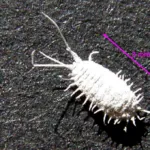
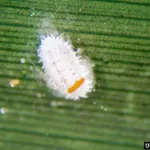
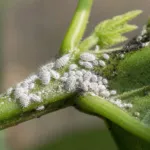
Watch for mealybugs, scale, and root-feeding insects, especially on grafted plants. Inspect crevices and the root collar regularly. Isolate affected specimens, remove visible insects with a targeted treatment, and correct crowded or overly humid conditions rather than relying on repeated blanket spraying.
Related diseases and pests
Only Plant Doctor profiles whose host data indicate this plant may be affected are shown here.
Toxicity and pollen
No authoritative species-specific toxicity assessment was located. Do not present the plant as edible or medicinal. Handle carefully because the curved spines can puncture skin, and keep away from children and pets that may chew or knock over the plant.
- Pollination / pollen
- Flower pollen; dispersal relevance undocumented
This is a flowering cactus, so it produces pollen, but species-specific airborne pollen counts and clinical allergy information were not located. Avoid claiming zero allergy risk solely because cactus flowers are often insect-pollinated. People with pollen sensitivity should use ordinary exposure precautions during flowering.
Native habitat
The species is native to northeastern Mexico, especially Nuevo León and possibly Tamaulipas in broad distribution treatments. It grows in dry shrubland or desert vegetation on gypsum-associated rocky slopes and cliffs at roughly 3,600–3,900 feet elevation. The habitat is bright, porous, seasonally dry, and mineral-rich.
Interesting fact
The species was discovered in Nuevo León in the early 1990s.
Its natural habitat is associated with gypsum outcrops.
It is the larger of the two traditionally recognized Aztekium species.
The accepted name is Aztekium hintonii, not Aztekonia hintonii.
Artificial propagation is preferred over wild collection.
Frequently asked questions (FAQ)
The most relevant questions about this plant, with short and direct answers.
🌱Quick care
What is Aztekonia hintonii?⌄
Aztekonia hintonii is a rare, slow-growing cactus in the Cactaceae family from northeastern Mexico. It is associated with gypsum-rich limestone habitats and is usually grown by specialist collectors.
How much light does Aztekonia hintonii need?⌄
Give Aztekonia hintonii full sun to very bright filtered light. Introduce intense direct sun gradually to prevent scorching, especially after indoor growth or shipping.
How often should I water Aztekonia hintonii?⌄
Water Aztekonia hintonii thoroughly, then allow the substrate to dry fully before watering again. During cool, dark or dormant periods, use much less water and keep the plant nearly dry.
Is Aztekonia hintonii easy to grow?⌄
Aztekonia hintonii is considered challenging because it grows slowly and can rot after excessive watering. It is generally regarded as more forgiving than Aztekium ritteri, but careful drainage and seasonal watering remain essential.
🌤️Environment and placement
Can Aztekonia hintonii grow indoors?⌄
Yes, Aztekonia hintonii can grow indoors if it receives strong light from a sunny window or grow light and has excellent air circulation. A bright, dry location is preferable to a humid room.
What temperature does Aztekonia hintonii prefer?⌄
Keep Aztekonia hintonii warm during active growth and protect it from freezing. In winter, cool conditions can be suitable only when the plant is kept very dry and receives adequate light.
Can Aztekonia hintonii tolerate humidity?⌄
Aztekonia hintonii tolerates ordinary household humidity when the potting mix drains quickly and dries completely. Avoid persistently humid, poorly ventilated conditions because they increase the risk of rot.
Where does Aztekonia hintonii grow naturally?⌄
Aztekonia hintonii is native to northeastern Mexico, particularly Nuevo León, where it grows in dry shrubland on gypsum-rich cliffs. Its natural habitat explains the plant’s preference for bright light, mineral soil and restrained watering.
💧Care and problems
Why is my Aztekonia hintonii turning soft?⌄
A soft or collapsing Aztekonia hintonii most often indicates rot caused by wet soil, poor drainage or cold moisture. Stop watering, inspect the roots and stem, and remove diseased tissue only if firm, healthy material remains.
Why is Aztekonia hintonii not growing?⌄
Aztekonia hintonii naturally grows very slowly, so limited visible growth is not automatically a problem. Check that it has strong light, warmth during the growing season, dry-down between waterings and a well-drained mineral substrate.
How do I prevent rot in Aztekonia hintonii?⌄
Prevent rot by using a highly gritty mineral mix, a pot with a drainage hole and a watering schedule based on complete drying. Keep the plant almost dry during cold weather and never leave water standing in a saucer.
Should I fertilize Aztekonia hintonii?⌄
Fertilize Aztekonia hintonii sparingly, if at all, during active growth. A diluted, low-nitrogen cactus fertilizer can be used occasionally, but heavy feeding may produce weak growth and is unnecessary in a mineral-rich mix.
🪴Planting and repotting
What soil is best for Aztekonia hintonii?⌄
Use a very gritty, fast-draining mineral cactus substrate with a significant gypsum component. The mix should contain little organic matter and should not stay wet after watering.
Does Aztekonia hintonii need gypsum in its soil?⌄
Gypsum is appropriate for Aztekonia hintonii because the species is associated with gypsum-rich habitat. Use clean horticultural gypsum in a predominantly mineral mix rather than relying on ordinary peat-heavy cactus soil.
What type of pot is best for Aztekonia hintonii?⌄
Choose a small pot with a drainage hole that is only slightly larger than the root system. Unglazed clay can help the substrate dry faster, but any well-draining container is suitable if watering is controlled.
When should I repot Aztekonia hintonii?⌄
Repot Aztekonia hintonii only when the substrate has degraded, the roots fill the container or drainage has become poor. Perform the work during warm active growth, then keep the plant dry for several days before watering.
✂️Propagation and pruning
How can I propagate Aztekonia hintonii?⌄
Aztekonia hintonii is primarily propagated from seed, although grafting is used to accelerate growth. Seedlings are slow and sensitive, so stable warmth, careful moisture control and patience are essential.
Can Aztekonia hintonii be grafted?⌄
Yes, Aztekonia hintonii can be grafted onto a compatible, vigorous cactus stock to increase growth speed and survival during early development. Grafted plants may require different watering and may develop a less compact appearance than own-root specimens.
How long does Aztekonia hintonii take to grow?⌄
Aztekonia hintonii is a very slow-growing cactus, particularly on its own roots. Grafted plants usually develop faster, while seed-grown specimens may take years to reach a notable size.
⚠️Toxicity and safety
Is Aztekonia hintonii toxic to pets or people?⌄
Species-specific toxicity information for Aztekonia hintonii is not well established. Treat it as an ornamental cactus, keep it away from children and pets, and handle it carefully because its spines or rough surface can cause injury.
Is Aztekonia hintonii protected or regulated?⌄
Aztekonia hintonii is listed under CITES Appendix II, so international commercial trade may require documentation. Buy propagated plants from reputable sources and avoid specimens suspected of having been collected from the wild.
🌸Flowering and special interest
Does Aztekonia hintonii flower?⌄
Yes, mature Aztekonia hintonii can produce small red flowers near the central growing area. Flowering is more likely when the plant receives strong light, a pronounced dry rest and suitable warmth during active growth.
Similar plants
 Azure Monkshood (Aconitum carmichaelii) care guideAconitum carmichaelii
 Monkshood (Aconitum ‘Stainless Steel’)Aconitum 'Stainless Steel'
 Monkshood (Aconitum ‘Bressingham Spire’)Aconitum 'Bressingham Spire'
 Golden full moon maple (Acer shirasawanum ‘Aureum’)Acer shirasawanum 'Aureum'
 Globosum (Acer platanoides ‘Globosum’)Acer platanoides 'Globosum'
 Striped maple (Acer pensylvanicum) care guideAcer pensylvanicum