
 Source:
 Astrophytum ‘Asterias’ short overview
Astrophytum 'Asterias' is a compact star cactus prized for its flattened, almost spineless body, sharply defined ribs, and scattered white flecks that create a sand-dollar pattern. Native to South Texas and northeastern Mexico, it grows best in strong light, porous mineral soil, and a distinctly seasonal watering cycle. Protect it from freezing temperatures and prolonged winter moisture; mature plants may produce large yellow flowers with reddish centers.
Taxonomic classification
Astrophytum ‘Asterias’ care guide
Light and placement
Provide several hours of direct sun or very bright filtered light, ideally in a south- or east-facing window with gradual acclimation. Outdoors, morning sun with protection from harsh reflected afternoon heat is suitable. Insufficient light causes weak, elongated growth and reduced flowering; abrupt intense sun can scorch the epidermis, so acclimate gradually.
Watering and humidity
Water thoroughly only after the substrate has dried almost completely, then let excess drain away. During warm active growth, check every 10–21 days, adjusting for pot size, light, and airflow. Water much less in fall and winter, and keep the plant nearly dry when cool. Never leave the pot standing in water.
Soil and growing medium
Use a very porous cactus substrate with abundant pumice, perlite, coarse sand, or similar mineral grit. The mix should drain rapidly and dry nearly completely between waterings. A neutral to slightly alkaline reaction is suitable; avoid dense peat-heavy soil that stays wet around the shallow root system.
Feeding
Feed only during active spring and summer growth, using a balanced cactus fertilizer diluted to about one-quarter to one-half of the label strength. Apply to already moist soil, not bone-dry roots. Do not fertilize after growth slows in fall or during cool winter rest.
Growth and habit
This is a slow-growing, usually solitary cactus that remains close to the soil surface and develops a compact, symmetrical form. Avoid frequent disturbance or corrective cutting. Strong light helps preserve the flattened habit, while low light can produce weaker, less characteristic growth.
Planting and repotting
Plant outdoors only after the soil is warm and reliably draining, usually in late spring. Set the cactus at the same depth as before; burying the stem invites rot. Leave enough space for air circulation and keep the crown above any irrigation runoff.
Repot in spring or early summer only when the plant is actively growing, or when the substrate has compacted or roots fill the pot. Use a pot with a drainage hole and handle the stem gently. Allow damaged roots to dry briefly before planting into dry mix, then wait several days before watering.
Propagation and pruning
Propagation
Propagation is primarily by seed, sown in a sterile, gritty medium during warm spring or summer conditions. Seedlings need bright light, gentle moisture, and excellent ventilation. Vegetative propagation is not a dependable method because the plant is normally solitary and rarely produces offsets.
Pruning
No routine pruning is needed. Remove only dead, diseased, or damaged tissue with a sterile tool. Because the plant is normally solitary, cutting the crown is not a standard way to shape it.
Overwintering
Keep frost-free, bright, and cool to moderately warm in winter. In a protected rest period, water sparingly—only enough to prevent severe shriveling if the plant is kept warm. Cold, damp conditions are more dangerous than dry cold above freezing.
Uses
Primarily grown as a specimen cactus for windowsills, greenhouses, succulent collections, shallow containers, and protected rock gardens. Its sculptural body and flowers make it useful for small-space displays. It has no well-supported culinary or medicinal use.
Appearance
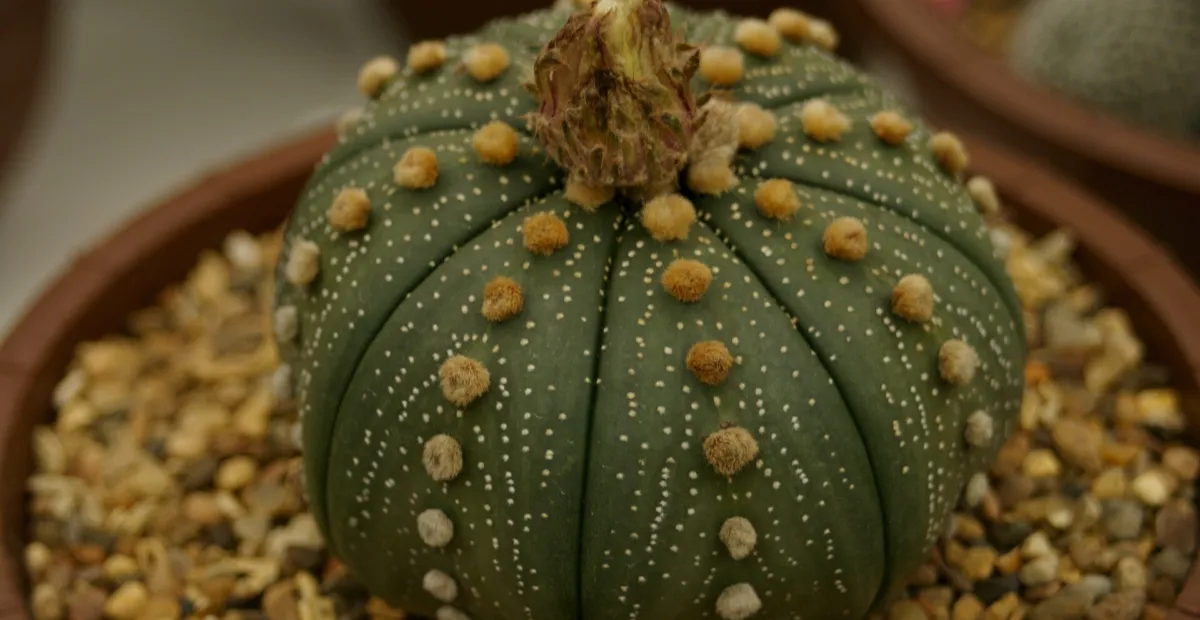
The body is flattened and globular, usually divided into eight prominent ribs with shallow grooves. Small white woolly flecks or trichome patches cover the green surface in a distinctive star or sand-dollar pattern. Spines may be absent or very short, especially in selected forms, and the crown bears woolly areoles.
Flowering
Mature plants produce large, short-lived, funnel-shaped yellow flowers from areoles near the crown, usually during warm-season growth. Flowers may have an orange to reddish center. Fruiting and seed production generally require pollen from a genetically different plant; self-compatibility is not dependable.
Pollination and visitors
Species-level research identifies medium-to-large bees as important flower visitors, with Diadasia rinconis reported as an especially effective pollinator. This evidence is associated with Astrophytum asterias rather than independently with every horticultural selection sold under the quoted name.
Astrophytum 'Asterias' photos
Click any photo for a larger view. Source, author and license are shown separately.
Diseases and pests
Diseases
Root and stem rot are the main risks, especially in cool, wet soil. Prevent problems with porous substrate, a draining container, careful winter watering, and good airflow. Remove severely rotted tissue with a sterile blade and re-root only healthy, dry tissue.
Pests
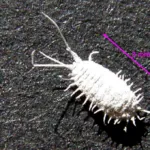
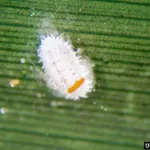
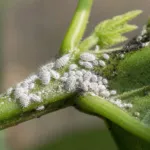
Watch for mealybugs, scale, and root-feeding insects. Inspect areoles and the root collar regularly, isolate affected plants, remove visible insects with a targeted swab or suitable horticultural treatment, and correct weak light or excessive moisture that encourages decline.
Related diseases and pests
Only Plant Doctor profiles whose host data indicate this plant may be affected are shown here.
Toxicity and pollen
No reliable authoritative evidence was located establishing clinically significant poisoning from Astrophytum 'Asterias'. Treat it as an ornamental cactus: prevent chewing, avoid contact with irritating plant material or potting dust, and seek medical or veterinary advice after ingestion or a persistent reaction.
- Typical season
- No documented U.S. airborne-allergy season specific to this taxon
- Pollination / pollen
- Insect-associated floral pollen; airborne relevance undocumented
The plant produces pollen inside its short-lived flowers, but reliable evidence for airborne allergen exposure from this exact taxon was not found. Flowers are generally visited by insects, so pollen is not typically dispersed as a wind-borne cloud; individual sensitivity cannot be ruled out.
Native habitat
The species is native to dry shrubland and desert-edge habitats of South Texas and northeastern Mexico. It occurs on gravelly or rocky ground, including limestone-influenced sites, where plants may sit partly concealed by surrounding soil. Hot growing seasons alternate with pronounced dry periods.
Interesting fact
The species is often nearly buried in its native habitat, leaving only the upper surface exposed. Its white flecking and flattened body give it the familiar sand-dollar appearance. The species has a very restricted native range in South Texas and northeastern Mexico and is protected in international trade.
Frequently asked questions (FAQ)
The most relevant questions about this plant, with short and direct answers.
🌱Quick care
How do you care for Astrophytum 'Asterias'?⌄
Give Astrophytum 'Asterias' full sun to bright filtered light, gritty sharply drained soil, and little water. Let the soil dry completely before watering and keep it protected from frost.
Is Astrophytum 'Asterias' easy to grow indoors?⌄
Astrophytum 'Asterias' can grow well indoors if it receives strong light and excellent drainage. A sunny window or grow light is usually needed to prevent weak, stretched growth.
How often should I water Astrophytum 'Asterias'?⌄
Water Astrophytum 'Asterias' thoroughly only after its soil has dried completely. Water much less often during cool, low-light conditions because excess moisture can cause root rot.
What is Astrophytum 'Asterias' commonly called?⌄
Astrophytum 'Asterias' is commonly documented as star cactus, sand dollar cactus, or sea urchin cactus. The name “star peyote” is also encountered, but it can cause confusion because this plant is not true peyote.
🌤️Environment and placement
Does Astrophytum 'Asterias' need full sun?⌄
Astrophytum 'Asterias' grows in full sun to bright filtered light. Acclimate it gradually to intense direct sun, especially after purchase, repotting, or indoor growth, to reduce the risk of sunburn.
Can Astrophytum 'Asterias' grow in a window?⌄
Yes, Astrophytum 'Asterias' can grow in a bright south- or west-facing window in the United States. If the plant becomes pale or elongated, supplement the window light with a grow light.
What temperature is best for Astrophytum 'Asterias'?⌄
Keep Astrophytum 'Asterias' warm during active growth and protect it from frost. In winter, it benefits from a cool, dry rest, but temperatures near or below freezing should be avoided.
Can Astrophytum 'Asterias' survive outdoors in the United States?⌄
Astrophytum 'Asterias' can grow outdoors year-round only in warm, frost-free locations with very well-drained soil. In most U.S. climates, grow it in a container and move it under cover before cold weather.
What USDA zone is suitable for Astrophytum 'Asterias'?⌄
Astrophytum 'Asterias' is best treated as a frost-sensitive container cactus in most of the United States. Outdoor suitability depends on local winter temperatures, drainage, and the ability to provide overhead protection from rain.
💧Care and problems
Why is my Astrophytum 'Asterias' turning soft?⌄
A soft Astrophytum 'Asterias' may be developing rot, most often from overwatering, poor drainage, or cool wet soil. Stop watering, inspect the roots and base, and remove severely rotted tissue if the damage is localized.
Why is my Astrophytum 'Asterias' turning brown or yellow?⌄
Brown patches may indicate sunburn, while yellowing can result from stress, poor roots, or prolonged excess moisture. Review recent changes in light and watering, and check that the soil dries rapidly.
Why is my Astrophytum 'Asterias' not growing?⌄
Astrophytum 'Asterias' may pause growth during winter or when light and warmth are insufficient. During the growing season, provide brighter light, warm temperatures, dry-down between waterings, and a very dilute cactus fertilizer if the plant is otherwise healthy.
Why is my Astrophytum 'Asterias' stretching?⌄
Stretching means Astrophytum 'Asterias' is not receiving enough light. Move it gradually toward stronger light or add a grow light, because sudden exposure to intense sun can scorch the tissue.
Should I fertilize Astrophytum 'Asterias'?⌄
Fertilize Astrophytum 'Asterias' sparingly during active growth with a dilute, low-nitrogen cactus fertilizer. Do not fertilize a dormant, stressed, recently repotted, or unhealthy plant.
How do I prevent root rot in Astrophytum 'Asterias'?⌄
Prevent root rot by using a gritty, sharply drained cactus mix, a pot with a drainage hole, and thorough watering only after the soil is fully dry. Keep the plant nearly dry during cool winter conditions.
What pests attack Astrophytum 'Asterias'?⌄
Common cactus pests such as mealybugs, scale, and spider mites can affect Astrophytum 'Asterias'. Inspect areoles, creases, and roots regularly, and isolate an affected plant before treatment.
🪴Planting and repotting
What is the best soil for Astrophytum 'Asterias'?⌄
Use a gritty, sharply drained cactus mix with substantial mineral material such as pumice, perlite, or coarse grit. Avoid heavy garden soil and mixes that remain wet for long periods.
What type of pot is best for Astrophytum 'Asterias'?⌄
Choose a pot with a drainage hole that is only slightly larger than the root system. Unglazed clay can help the mix dry faster, but any well-drained container is suitable when watering is controlled.
When should I repot Astrophytum 'Asterias'?⌄
Repot Astrophytum 'Asterias' at the beginning of its active growing season or when the mix has broken down and drainage has declined. Allow any damaged roots to dry before watering after repotting.
How deep should Astrophytum 'Asterias' be planted?⌄
Plant Astrophytum 'Asterias' at the same depth as before, keeping the body above the soil line. Burying the stem or crown increases the risk of rot.
✂️Propagation and pruning
How do you propagate Astrophytum 'Asterias'?⌄
Astrophytum 'Asterias' is primarily propagated from seed, and grafting is also used in specialist cultivation. Seedlings need warmth, bright filtered light, and careful moisture control rather than prolonged saturation.
Can Astrophytum 'Asterias' be propagated from cuttings?⌄
Astrophytum 'Asterias' is not normally propagated from ordinary cuttings because its solitary, rounded body does not readily produce removable offsets. Seed propagation or specialist grafting is more appropriate.
How long do Astrophytum 'Asterias' seeds take to germinate?⌄
Astrophytum 'Asterias' seeds can germinate in roughly one to several weeks under warm, bright conditions, although results vary with seed freshness and temperature. Keep the medium lightly and evenly moist during germination, then improve ventilation as seedlings develop.
⚠️Toxicity and safety
Is Astrophytum 'Asterias' poisonous to cats or dogs?⌄
There is no established taxon-specific toxicity classification for Astrophytum 'Asterias'. Because plant reactions and physical injuries can vary, keep it away from pets and children and contact a veterinarian or poison service if it is eaten.
Is Astrophytum 'Asterias' the same as peyote?⌄
No, Astrophytum 'Asterias' is not peyote and is not considered to have peyote’s established hallucinogenic or medicinal properties. It is sometimes confused with peyote because both are small, rounded, spineless cacti.
Is Astrophytum 'Asterias' endangered?⌄
Yes, the species Astrophytum asterias is federally endangered in the United States and is protected in international trade. Buy only nursery-propagated plants from reputable sellers and never collect specimens from the wild.
Can I legally import Astrophytum 'Asterias' into the United States?⌄
Importing Astrophytum 'Asterias' may require documentation and compliance with U.S. Fish and Wildlife Service, CITES, and USDA requirements. Rules depend on the source country, shipment, and whether the plant is nursery-propagated, so verify current requirements before ordering.
🌸Flowering and special interest
When does Astrophytum 'Asterias' flower?⌄
Astrophytum 'Asterias' generally flowers during the warm growing season, often from late spring through summer. Strong light, mature age, seasonal warmth, and a dry winter rest support flowering.
What do Astrophytum 'Asterias' flowers look like?⌄
Astrophytum 'Asterias' produces relatively large yellow flowers, often with orange to reddish coloring toward the center. Flowers open in bright conditions and may last only a short time.
Why is my Astrophytum 'Asterias' not flowering?⌄
Lack of flowering is commonly linked to insufficient light, immature size, overwatering, or the absence of a cool, dry winter rest. Improve light and seasonal conditions gradually rather than increasing water or fertilizer.
Similar plants
 Azure Monkshood (Aconitum carmichaelii) care guideAconitum carmichaelii
 Monkshood (Aconitum ‘Stainless Steel’)Aconitum 'Stainless Steel'
 Monkshood (Aconitum ‘Bressingham Spire’)Aconitum 'Bressingham Spire'
 Golden full moon maple (Acer shirasawanum ‘Aureum’)Acer shirasawanum 'Aureum'
 Globosum (Acer platanoides ‘Globosum’)Acer platanoides 'Globosum'
 Striped maple (Acer pensylvanicum) care guideAcer pensylvanicum