
 Source:
 Living-rock cactus (Ariocarpus fissuratus) short overview
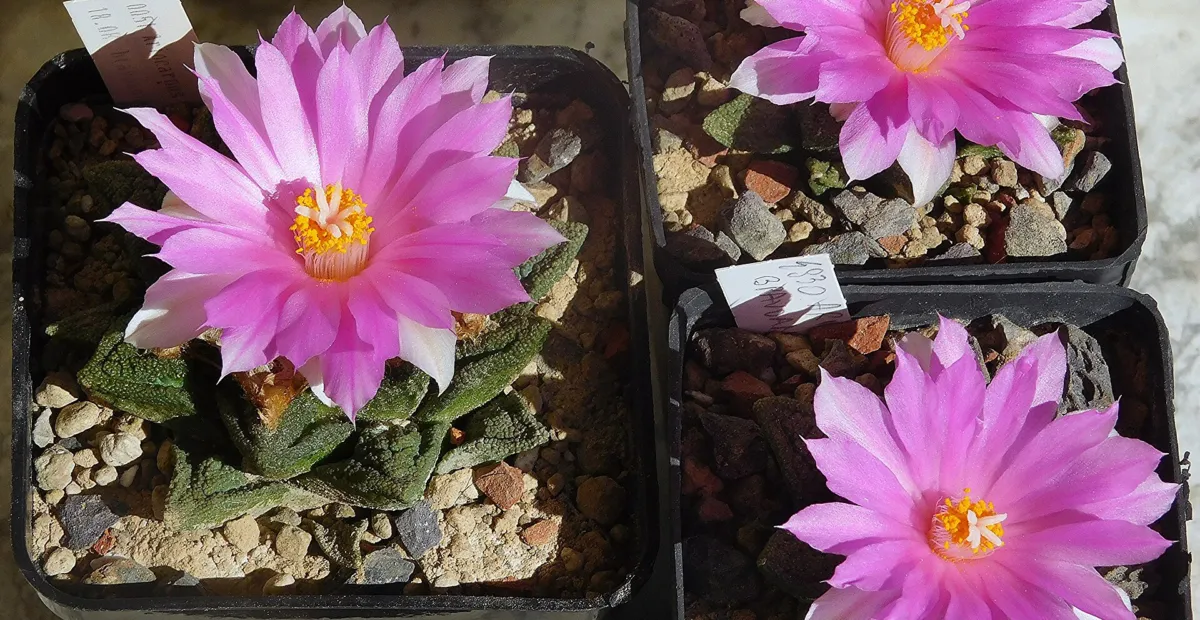
Ariocarpus fissuratus, the living-rock cactus, is a remarkably slow-growing native of southwestern Texas and northern Mexico. Its gray-green, stone-like body is formed by broad, fissured tubercles arranged in a compact rosette, usually with no spines. Mature plants produce striking pink flowers in late summer or fall. This collector’s cactus requires intense light, mineral soil, rapid drainage, and restrained watering, particularly in cool conditions.
Taxonomic classification
Living-rock cactus (Ariocarpus fissuratus) care guide
Light and placement
Provide several hours of strong direct sun, ideally in a south- or west-facing greenhouse or window, with gradual acclimation after shipping or repotting. In very hot glasshouses, light afternoon shade can prevent scorching. Too little light causes weak, elongated growth and poorer flowering; sudden intense sun can bleach or burn the body.
Watering and humidity
Water thoroughly only after the substrate has dried completely, then let excess drain away. During warm active growth, watering may be occasional rather than frequent; reduce sharply in fall and keep the plant nearly dry through cool winter conditions. Never leave the pot standing in water. Dry roots matter more than high ambient humidity.
Soil and growing medium
Use a strongly mineral, sharply draining substrate dominated by pumice, coarse grit, lava, or limestone-based aggregate, with only a small portion of organic material. A commercial cactus mix should be heavily amended. Calcareous, near-neutral to slightly alkaline conditions resemble its limestone habitat; avoid dense peat, fine garden soil, and containers that stay wet.
Feeding
Feed sparingly during warm active growth, using a dilute, low-nitrogen cactus fertilizer once or twice in spring and early summer. Do not fertilize a stressed, recently repotted, dormant, or cool-season plant. Avoid rich compost and frequent feeding, which can produce weak growth and increase moisture-related problems.
Growth and habit
This is a solitary, usually unbranched cactus with very slow development. Young plants may take many years to reach flowering size, and grafting is sometimes used to accelerate growth. Keep maintenance conservative: slow growth means wounds, overfeeding, and root damage can remain visible for a long time.
Planting and repotting
Plant container specimens at the same depth as before, keeping the crown above the substrate and using a mineral top dressing to prevent moisture from collecting around the body. Establish during warm weather. In outdoor rock gardens, select a raised, protected limestone pocket rather than an exposed wet site.
Repot only when necessary, preferably in spring or early summer as active growth begins. Handle the broad body carefully and allow any disturbed roots to dry and callus before watering. Use a shallow, porous pot with a drainage hole and only a modest increase in diameter.
Propagation and pruning
Propagation
Propagate mainly from seed, preferably fresh, in a warm, bright, sterile mineral medium. Seedlings are very slow and need careful moisture management. Grafting onto a vigorous cactus rootstock can accelerate establishment, but grafted plants may develop a less natural form. Use legally sourced, nursery-propagated material.
Pruning
No routine pruning is needed. Remove only dead, diseased, or irreversibly damaged tissue with a sterile tool, then keep the wound dry until healed. Do not cut healthy tubercles to reshape the plant.
Overwintering
Keep nearly dry in winter at roughly 40–50°F, with strong light and airflow. Protect from prolonged freezing, cold rain, and damp compost. In warmer climates, outdoor wintering is possible only in an elevated, covered, rapidly draining position.
Uses
A specimen plant for mineral cactus collections, dry conservatories, sunny windows, and carefully managed rock-garden containers. It is best appreciated as a conservation-sensitive ornamental rather than a landscape filler. Purchase cultivated, documented stock and never remove plants from the wild; legal trade restrictions may apply.
Appearance
The body is flattened and compact, with broad triangular to rhomboid tubercles arranged in a spiral. Deep transverse fissures create the species’ characteristic cracked-stone appearance. The areoles are recessed in woolly grooves, and mature plants normally lack spines. Color may become more gray, yellowish, or brownish with age and exposure.
Flowering
Mature plants produce conspicuous, open, diurnal flowers from the woolly central crown. Flowers are typically pink to magenta and appear mainly in late summer and fall, with regional timing influenced by rainfall and temperature. Flowering is not dependable on young plants because the species grows exceptionally slowly.
Pollination and visitors
The flowers are open during the day and may receive visits from insects, but species-specific visitor records are limited in readily available sources. Animal pollination is therefore plausible, yet the strength and identity of the main pollinator cannot be stated confidently.
Ariocarpus fissuratus photos
Click any photo for a larger view. Source, author and license are shown separately.
Diseases and pests
Diseases
The principal risk is root or basal rot caused by prolonged moisture, especially in cool weather or poorly drained soil. Remove affected tissue if localized, allow wounds to dry, and replace wet substrate. Good airflow, clean tools, mineral media, and a dry winter rest are the main preventive measures.
Pests
Watch for mealybugs, scale, and root-feeding pests hidden beneath wool or around the root collar. Isolate affected plants, remove visible insects with a targeted swab or appropriate horticultural treatment, and inspect roots during repotting. Avoid routine broad-spectrum spraying without identifying the pest.
Related diseases and pests
Only Plant Doctor profiles whose host data indicate this plant may be affected are shown here.
Toxicity and pollen
No authoritative species-specific evidence establishing Ariocarpus fissuratus as poisonous to people or pets was located. Do not treat that absence as proof of safety: avoid ingestion, keep plants away from children and animals, and handle carefully because the body can be damaged even though it lacks spines. Seek professional advice after ingestion or an adverse reaction.
- Typical season
- Late summer to fall when flowers open
- Pollination / pollen
- Flower pollen; primarily insect-associated
Ariocarpus fissuratus produces pollen only when flowering, and the flowers are generally visited rather than wind-pollinated. No reliable species-specific airborne-allergy assessment was located, so allergy risk should be regarded as uncertain but probably limited by the short, seasonal flowering period.
Native habitat
Native populations occur in southwestern Texas and northern Mexico in the Chihuahuan Desert region. Plants grow on dry limestone plains, ridges, and rocky low hills, often partly concealed among limestone chips. The habitat combines intense sun, rapid drainage, seasonal rainfall, and marked temperature variation.
Interesting fact
The plant is naturally camouflaged among limestone fragments and can resemble a stone. Its tubercles have deep transverse fissures and usually lack spines. Wild plants may remain partly buried, while cultivated specimens are often raised in mineral substrates or grafted to improve growth speed. International trade is regulated, so provenance matters.
Frequently asked questions (FAQ)
The most relevant questions about this plant, with short and direct answers.
🌱Quick care
What is Ariocarpus fissuratus called?⌄
Ariocarpus fissuratus is commonly called the living-rock cactus. It is a very slow-growing, low-profile cactus in the Cactaceae family.
How do you care for a living-rock cactus?⌄
Give it strong light, sharply draining mineral soil, and very infrequent watering. Let the soil dry completely before watering again, especially during cool or cloudy weather.
Is Ariocarpus fissuratus a good beginner cactus?⌄
Ariocarpus fissuratus is better suited to patient growers with careful watering habits than to beginners seeking a low-maintenance houseplant. Its slow growth and susceptibility to rot make consistently wet soil the main risk.
🌤️Environment and placement
How much light does Ariocarpus fissuratus need?⌄
Ariocarpus fissuratus needs very bright light and can grow in full sun once acclimated. Introduce indoor-grown or recently shipped plants to direct sun gradually to reduce scorching.
Can Ariocarpus fissuratus grow indoors?⌄
Ariocarpus fissuratus can grow indoors in a bright south- or west-facing window or under a suitable grow light. Good airflow and a potting mix that dries quickly are essential.
Can Ariocarpus fissuratus grow outside in the United States?⌄
It can grow outdoors in warm, dry parts of the United States when protected from prolonged rain and hard freezes. In colder or humid regions, grow it in a container that can be moved under cover.
What USDA zone is Ariocarpus fissuratus hardy in?⌄
Ariocarpus fissuratus is generally treated as a warm-climate cactus rather than a reliably freeze-hardy landscape plant. Protect it from hard freezes, and keep it completely dry during cold spells.
Can Ariocarpus fissuratus tolerate frost?⌄
A healthy, completely dry plant may tolerate brief light frost, but hard freezes can cause serious damage. Frost protection is especially important when the soil or plant body is wet.
What temperature is best for Ariocarpus fissuratus?⌄
Warm temperatures during active growth and a cool, dry winter rest suit Ariocarpus fissuratus. Avoid combining cold conditions with watering because that greatly increases the risk of rot.
💧Care and problems
How often should you water Ariocarpus fissuratus?⌄
Water only after the mineral soil has dried completely, with the interval often extending several weeks in summer and becoming much longer in winter. The exact schedule depends on pot size, light, temperature, and airflow.
Should Ariocarpus fissuratus be watered in winter?⌄
Usually keep Ariocarpus fissuratus dry during its cool winter rest. A small drink may be justified only if the plant is actively growing in warm, bright conditions and the mix dries rapidly.
Why is my Ariocarpus fissuratus wrinkled?⌄
Wrinkling usually indicates that Ariocarpus fissuratus is using stored water, but it can also occur after root damage or rot. Check that the roots and base are firm before increasing water.
Why is my Ariocarpus fissuratus turning soft?⌄
A soft base or body commonly signals rot caused by excess moisture, poor drainage, or watering while temperatures are low. Stop watering and inspect the roots and lower stem promptly.
Why is my Ariocarpus fissuratus turning brown?⌄
Brown discoloration may result from sunburn, corking, dehydration, pests, or rot. A dry, firm brown area is less urgent than tissue that is soft, spreading, or associated with a foul odor.
Does Ariocarpus fissuratus need fertilizer?⌄
Ariocarpus fissuratus needs little fertilizer and can grow well with minimal feeding. If fertilized, use a dilute, low-nitrogen cactus fertilizer only during warm active growth.
What are common Ariocarpus fissuratus pests?⌄
Root mealybugs and stem mealybugs are among the main pests to watch for. Inspect the woolly crown, pot rim, and roots, because root pests may remain hidden until the plant declines.
🪴Planting and repotting
What soil is best for Ariocarpus fissuratus?⌄
Use a predominantly mineral cactus substrate containing materials such as pumice, lava rock, coarse sand, decomposed granite, or limestone-based grit. The mix should drain sharply and dry fully between waterings.
Does Ariocarpus fissuratus need calcareous soil?⌄
Ariocarpus fissuratus is associated with rocky, often limestone-rich habitats, so a mineral and calcareous component is appropriate. Avoid heavy, peat-rich soil that stays wet around the taproot.
What type of pot is best for Ariocarpus fissuratus?⌄
Use a pot with drainage holes that is deep enough for the plant’s substantial taproot but not excessively wide. A too-large pot holds unnecessary moisture and increases rot risk.
How do you repot Ariocarpus fissuratus?⌄
Repot it during warm active growth into dry, sharply draining mineral soil, handling the taproot carefully. Keep the crown above the soil surface and delay watering until damaged roots have dried and healed.
How often should Ariocarpus fissuratus be repotted?⌄
Repot Ariocarpus fissuratus when the substrate has degraded, roots have filled the container, or pests are suspected rather than on a rigid annual schedule. Mature plants may need several years between repotting sessions.
✂️Propagation and pruning
How do you propagate Ariocarpus fissuratus?⌄
Propagation is primarily by seed, although grafting is used to accelerate growth. Seed-grown plants are extremely slow and may take many years to reach flowering size.
Can Ariocarpus fissuratus be grown from cuttings?⌄
Ariocarpus fissuratus is not normally propagated from ordinary stem cuttings because its compact body and taproot do not produce easy cuttings. Seed or specialist grafting is generally more practical.
Can Ariocarpus fissuratus be grafted?⌄
Yes, Ariocarpus fissuratus can be grafted onto compatible faster-growing cactus rootstock. Grafting can substantially speed growth, but grafted plants may develop a taller or less natural form than own-root specimens.
How long does Ariocarpus fissuratus take to grow?⌄
Ariocarpus fissuratus grows exceptionally slowly on its own roots and may take roughly 8 to 12 years or longer to flower from seed. Strong light, careful watering, and grafting can change the growth rate.
⚠️Toxicity and safety
Is Ariocarpus fissuratus poisonous to cats or dogs?⌄
Species-specific poisonousness evidence for Ariocarpus fissuratus is not clearly established. Keep it away from pets and children because ingestion is not recommended and the plant’s rough body can cause irritation or injury.
Is Ariocarpus fissuratus legal to collect from the wild?⌄
Do not collect Ariocarpus fissuratus from the wild unless collection is specifically authorized by the relevant land-management authority. Purchase only nursery-propagated plants or legally documented seed because wild populations face collection pressure.
🌸Flowering and special interest
When does Ariocarpus fissuratus flower?⌄
Ariocarpus fissuratus commonly flowers in fall, often producing flowers from the woolly center of the plant. Flowering depends on maturity, strong light, active-season growth, and a suitable dry winter rest.
What color are Ariocarpus fissuratus flowers?⌄
The flowers are typically pink to magenta, although color can vary among plants and forms. They emerge from the woolly central area and are relatively large compared with the flattened body.
Why is my Ariocarpus fissuratus not flowering?⌄
The plant may be too young, receiving insufficient light, growing without a seasonal rest, or being stressed by unsuitable watering. Seed-grown plants often require many years before they are mature enough to bloom.
Similar plants
 Azure Monkshood (Aconitum carmichaelii) care guideAconitum carmichaelii
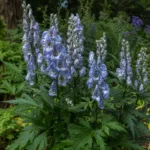 Monkshood (Aconitum ‘Stainless Steel’)Aconitum 'Stainless Steel'
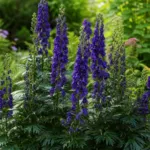 Monkshood (Aconitum ‘Bressingham Spire’)Aconitum 'Bressingham Spire'
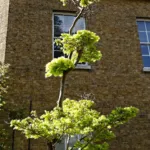 Golden full moon maple (Acer shirasawanum ‘Aureum’)Acer shirasawanum 'Aureum'
 Globosum (Acer platanoides ‘Globosum’)Acer platanoides 'Globosum'
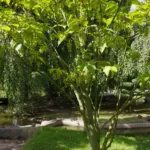 Striped maple (Acer pensylvanicum) care guideAcer pensylvanicum