
 Source:
 Wild Rosemary (Andromeda polifolia) short overview
Wild Rosemary, Andromeda polifolia, is a low evergreen bog shrub with blue-green, narrow leaves and pendent pink or white bell-shaped flowers. It needs cool, acidic, consistently moist but well-drained conditions and is best suited to bog gardens, rain gardens, and specialized containers in northern U.S. climates. Its flowers can self-pollinate but are also visited by bumblebees, bees, hoverflies, and butterflies.
Taxonomic classification
Wild Rosemary (Andromeda polifolia) care guide
Light and placement
Grow in full sun to shade, choosing partial shade or morning sun with afternoon protection where summers are hot. In cool northern climates, brighter light encourages flowering if soil stays moist. Too much sun shows as scorched or bleached foliage and drought stress; too little light produces sparse growth and fewer flowers.
Watering and humidity
Keep the root zone evenly moist throughout the growing season, using rainwater or another low-alkalinity source where possible. Water deeply when the surface begins to dry, but do not leave containers stagnant. Reduce frequency in winter while preventing root-ball desiccation. Humidity matters mainly because hot, dry air stresses this cool-climate plant.
Soil and growing medium
Use a porous, humus-rich acidic medium based on peat or fine bark with excellent moisture retention and drainage. A lime-free substrate is important; alkaline soil can cause chlorosis and weak growth. Avoid ordinary garden soil in containers because it compacts and may not maintain the required acidic conditions.
Feeding
Feed sparingly in spring with a dilute fertilizer formulated for acid-loving plants, or top-dress lightly with acidic organic matter. Do not overfertilize or apply lime, wood ash, or alkaline compost. Stop feeding by midsummer so late, soft growth is not encouraged before winter.
Growth and habit
Growth is slow and low, with stems that may spread gradually by suckers and form dense clumps. Keep competing vigorous plants away from the root zone. Its preference for cool peatland conditions is more important to long-term success than routine pruning or heavy feeding.
Planting and repotting
Plant in spring or early fall while temperatures are cool. Set the root ball level with the surrounding soil and water thoroughly. Space plants about 18–24 inches apart for a low, gradually filling planting. Mulch with acidic leaf mold, pine bark, or peat-free ericaceous mulch, keeping it away from the stems.
Repot only when the container is crowded, preferably in early spring before active growth. Preserve the root ball and use fresh, lime-free acidic medium. Because the plant has specialized roots and dislikes disturbance, move it into a slightly larger container rather than dramatically increasing pot size.
Propagation and pruning
Propagation
Sow fresh seed on the surface of an acidic, sterile medium and keep it evenly moist; germination may be slow and uneven. Softwood cuttings, layering, and sucker separation are also documented, but rooting can be difficult. Take cuttings in late spring or early summer and maintain high humidity without waterlogging.
Pruning
Little pruning is needed. Remove dead, damaged, or crossing stems after flowering. Avoid hard cutting into old wood because recovery is slow; use light thinning to preserve the natural low habit and remove weak suckers only when spread is unwanted.
Overwintering
Outdoor plants are highly cold hardy when established, but container roots are more exposed. In colder regions, place containers in a sheltered spot, insulate the pot, and maintain light moisture during winter. Protect evergreen foliage from drying winter wind and sudden spring heat rather than bringing the plant into a warm indoor room.
Uses
Use as an ornamental evergreen for bog gardens, acidic rain gardens, cool pond margins, woodland edges, and specialty containers. It can provide low structure and spring flowers in wet acidic plantings. It is not an edible herb; traditional tea references should not be treated as a safety endorsement because the plant is poisonous.
Appearance
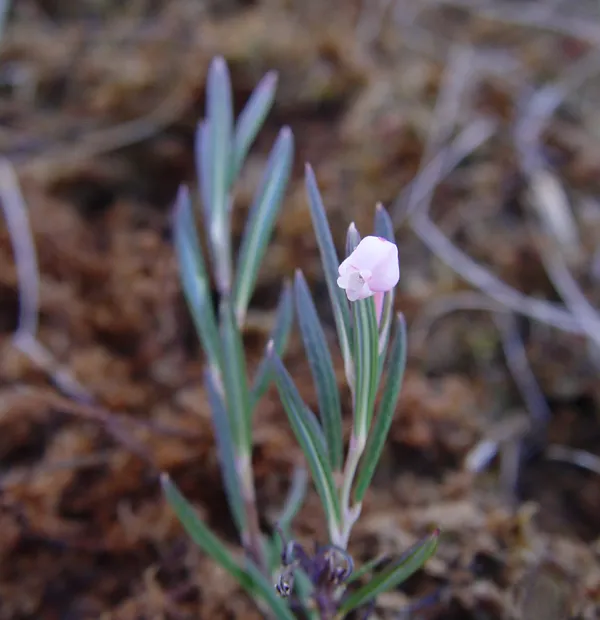
A low evergreen shrub with slender, somewhat leathery linear to narrowly lance-shaped leaves. The margins roll under, exposing paler undersides. Young stems are slender and often reddish, while the plant forms a dense, spreading clump. Pendent pink or white urn-shaped flowers help distinguish it from culinary rosemary.
Flowering
Small urn-shaped flowers hang in curved terminal clusters. Flowers are usually pink to white and open in spring, sometimes continuing into early summer. The narrow corolla and poricidal anthers are characteristic of many Ericaceae; the species can self-pollinate, while insects may improve seed set.
Pollination and visitors
Flowers are documented as self-compatible and visited by bumblebees, bees, hoverflies, and butterflies. Insect visitation can increase fruit and seed set, although floral visitation may be relatively low compared with some neighboring Ericaceae.
Andromeda polifolia photos
Click any photo for a larger view. Source, author and license are shown separately.
Diseases and pests
Diseases
No major diseases are consistently reported in extension references. Prevent stress by maintaining acidic, cool, evenly moist soil and avoiding poor drainage or hot exposed sites. Remove badly damaged growth and improve air circulation rather than applying routine fungicides.
Pests
Serious pest problems are not consistently documented. Inspect stressed plants for scale, aphids, or vine-weevil damage, especially in containers. Correct heat, drought, alkaline soil, or poor drainage first; use hand removal or targeted controls only when an infestation is confirmed.
Related diseases and pests
Only Plant Doctor profiles whose host data indicate this plant may be affected are shown here.


Toxicity and pollen
The species is reported as poisonous and contains grayanotoxins, compounds also found in several other Ericaceae. Do not eat leaves, flowers, fruits, or homemade teas. Keep plant material away from children and pets, wear gloves when handling large amounts, and seek poison-control or veterinary advice after ingestion.
- Typical season
- Spring to early summer in the United States
- Pollination / pollen
- Mostly insect-carried pollen from poricidal anthers
This is an insect-pollinated flowering shrub, not a major wind-pollen plant. Its flowers release pollen through poricidal anthers, so airborne exposure is likely limited compared with wind-pollinated species, but sensitive people should still avoid handling flowers during peak bloom if symptoms occur.
Native habitat
Native populations occupy cold, acidic peatlands, sphagnum bogs, fens, swamps, and wet heath communities. It commonly grows with sedges, sphagnum, black spruce, tamarack, leatherleaf, Labrador tea, and other ericaceous shrubs. In the United States its range is concentrated in northern states, with additional western populations.
Interesting fact
The genus Andromeda is named after the figure from Greek mythology, not the unrelated astronomical galaxy. The species is circumboreal and occurs across northern Europe, Asia, and North America. Its flowers may self-pollinate, yet bumblebees, bees, hoverflies, and butterflies also visit them. The narrow leaves have strongly rolled-under margins.
Frequently asked questions (FAQ)
The most relevant questions about this plant, with short and direct answers.
🌱Quick care
What is Wild Rosemary (Andromeda polifolia)?⌄
Wild Rosemary is a low-growing, evergreen shrub in the Andromeda genus and Ericaceae family. It forms clumps of narrow blue-green leaves and produces small, bell-shaped white or pink flowers.
How large does Wild Rosemary get?⌄
Wild Rosemary is usually a low shrub or ground cover, commonly reaching about 8 inches to 3 feet tall. It spreads slowly and can form a dense clump over time.
How fast does Wild Rosemary grow?⌄
Wild Rosemary grows slowly, although established plants may spread gradually by suckers. Avoid moving or dividing it frequently because slow-growing plants can take time to recover.
🌤️Environment and placement
How much light does Wild Rosemary need?⌄
Wild Rosemary grows in full sun, partial shade, or shade, but partial shade is safest in warm climates. Protect it from intense afternoon heat, especially where summers are hot and humid.
Where should I plant Wild Rosemary?⌄
Plant Wild Rosemary in a cool, moist, acidic site such as a bog garden, rain garden, pond edge, or sheltered woodland border. It performs best where the soil stays consistently damp without becoming stagnant.
Can Wild Rosemary grow in full sun?⌄
Yes, Wild Rosemary can grow in full sun when the soil remains reliably moist and the climate is cool. In warm regions, provide partial shade to reduce heat and drought stress.
Can Wild Rosemary grow in shade?⌄
Yes, Wild Rosemary tolerates partial to full shade. Flowering may be reduced in deep shade, so bright filtered light or morning sun is usually a better compromise.
Can Wild Rosemary grow in wet soil?⌄
Yes, Wild Rosemary naturally grows in bogs, fens, and other wet habitats and tolerates wet soil well. Even so, avoid hot, stagnant water around the crown and use a site with some oxygenated drainage.
Is Wild Rosemary hardy in cold climates?⌄
Yes, established Wild Rosemary is very cold hardy and is suitable for many northern U.S. gardens. Protect young plants and containers from repeated freeze-thaw cycles and drying winter winds.
Can Wild Rosemary tolerate hot, humid summers?⌄
Wild Rosemary generally struggles with heat and humidity, particularly in areas south of its preferred cool-climate range. Provide afternoon shade, steady moisture, good air circulation, and an acidic planting medium.
💧Care and problems
How often should I water Wild Rosemary?⌄
Water Wild Rosemary whenever the soil surface begins to dry so the root zone stays consistently moist. Never allow a container or newly planted specimen to dry out for a prolonged period.
Why is my Wild Rosemary turning brown?⌄
Brown foliage commonly indicates drought, excessive heat, unsuitable alkaline soil, or root stress. Check soil moisture and acidity first, then move container plants to a cooler, more sheltered position if necessary.
Why are the leaves of my Wild Rosemary curling under?⌄
The narrow leaves naturally roll or curl slightly under along their margins. If the foliage is also crisp, dull, or dropping, the plant may be experiencing drying or heat stress.
🪴Planting and repotting
What kind of soil does Wild Rosemary need?⌄
Wild Rosemary needs moist, acidic, lime-free, humus-rich soil that retains moisture while allowing excess water to drain. Avoid alkaline or heavily limed soil, which can cause poor growth and nutrient problems.
Does Wild Rosemary need acidic soil?⌄
Yes, acidic soil is essential for Wild Rosemary. A peat-free acidic mix amended with composted organic matter can help, but do not add garden lime or other alkaline amendments.
When should I plant Wild Rosemary?⌄
Plant Wild Rosemary in spring or early fall when temperatures are moderate and soil moisture is dependable. Avoid planting during periods of summer heat or before the ground has thawed.
How do I plant Wild Rosemary in the ground?⌄
Set Wild Rosemary at the same depth it was growing in its container and backfill with acidic, humus-rich soil. Water thoroughly, mulch lightly with acidic organic material, and keep the root zone evenly moist while it establishes.
Can Wild Rosemary be grown in a container?⌄
Yes, Wild Rosemary can be grown in a container if it has an acidic, moisture-retentive medium and reliable drainage. Containers dry out quickly, so monitor moisture closely and protect the roots from winter temperature swings.
✂️Propagation and pruning
Should I deadhead Wild Rosemary?⌄
Deadheading is optional and mainly improves appearance. If pruning is needed, remove spent flower clusters and shape the plant after flowering rather than cutting heavily into old wood.
How should I prune Wild Rosemary?⌄
Prune Wild Rosemary lightly after flowering to remove dead, diseased, or damaged branches and tidy the shape. Avoid severe pruning because the plant is slow growing and may not readily regenerate from old wood.
How do I propagate Wild Rosemary?⌄
Wild Rosemary can be propagated by seed, softwood cuttings, layering, or suckers. Layering and suckers are often practical for home gardeners because the species is slow growing and cuttings may require careful conditions.
Can Wild Rosemary be propagated from cuttings?⌄
Yes, Wild Rosemary can be propagated from softwood cuttings. Take healthy, nonflowering shoots during active growth and root them in a sterile, acidic, evenly moist medium under humid conditions.
Can Wild Rosemary be grown from seed?⌄
Yes, Wild Rosemary can be grown from seed, but germination and early growth may be slow. Keep the seed-starting medium acidic and consistently moist, and do not let it dry out.
⚠️Toxicity and safety
Is Wild Rosemary the same as culinary rosemary?⌄
No, Wild Rosemary is not culinary rosemary. It is Andromeda polifolia, an unrelated bog plant that is poisonous if eaten.
Is Wild Rosemary poisonous to humans?⌄
Yes, Wild Rosemary is poisonous if eaten. Its toxic compounds can cause gastrointestinal, cardiovascular, neurological, and other serious symptoms, so do not use it as a tea or edible herb.
Are Wild Rosemary berries or flowers safe to eat?⌄
No, do not eat any part of Wild Rosemary, including its flowers, foliage, bark, or fruit. Keep plant material away from children and pets and seek poison-control advice after ingestion.
Is Wild Rosemary safe for dogs and cats?⌄
Wild Rosemary should be treated as unsafe for dogs, cats, and other pets because the plant is poisonous if eaten. Prevent chewing and contact a veterinarian or animal poison service if ingestion occurs.
Can Wild Rosemary be used to make tea?⌄
No, Wild Rosemary should not be brewed or consumed as tea. Despite its common name and aromatic association, Andromeda polifolia is poisonous and is not a safe culinary substitute for rosemary.
🌸Flowering and special interest
When does Wild Rosemary bloom?⌄
Wild Rosemary usually blooms in spring and early summer. Its small, urn-shaped flowers may be white or pink and are typically carried in curved clusters near the branch tips.
How can I encourage Wild Rosemary to flower?⌄
Give Wild Rosemary bright filtered light or gentle sun, consistently moist acidic soil, and protection from excessive heat. Deep shade, drought, and alkaline conditions can reduce flowering.
Does Wild Rosemary attract pollinators?⌄
Its spring flowers may be visited by pollinating insects, although it is primarily valued as a specialized bog and acidic-soil ornamental. Do not handle or consume it as an edible pollinator plant.
Similar plants
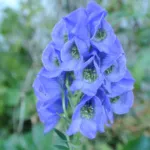 Azure Monkshood (Aconitum carmichaelii) care guideAconitum carmichaelii
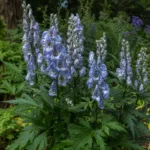 Monkshood (Aconitum ‘Stainless Steel’)Aconitum 'Stainless Steel'
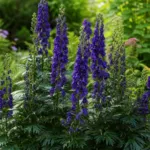 Monkshood (Aconitum ‘Bressingham Spire’)Aconitum 'Bressingham Spire'
 Golden full moon maple (Acer shirasawanum ‘Aureum’)Acer shirasawanum 'Aureum'
 Globosum (Acer platanoides ‘Globosum’)Acer platanoides 'Globosum'
 Striped maple (Acer pensylvanicum) care guideAcer pensylvanicum