
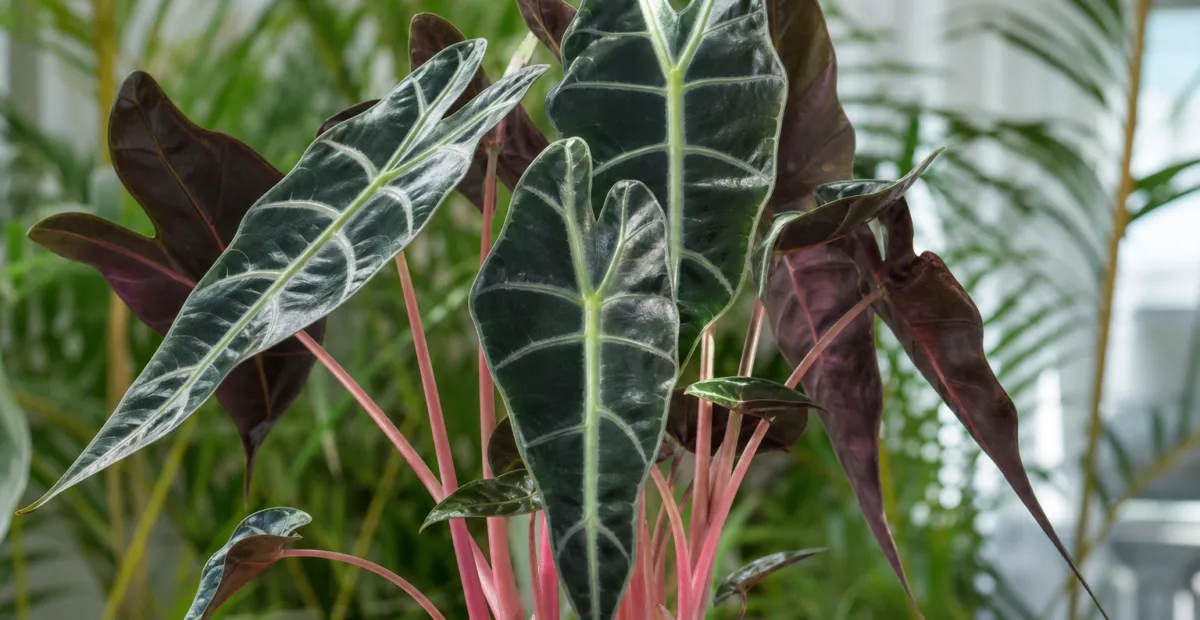
 AI-generated illustration
Alocasia ‘Pink Dragon’ short overview
Alocasia 'Pink Dragon' is a striking tropical elephant ear grown mainly as an indoor foliage plant. Its dark green, arrow-shaped leaves are marked by pale veins and carried on vivid pink to salmon-colored petioles, creating a strong architectural display. Provide bright filtered light, evenly moist but well-drained soil, warm temperatures, and high humidity. Because the trade name is used inconsistently, specimens sold under it may not all have identical parentage or appearance.
Taxonomic classification
Alocasia ‘Pink Dragon’ care guide
Light and placement
Give bright, filtered light from an east- or west-facing window, or filtered light near a bright south window. Gentle early morning or late afternoon sun may be tolerated after gradual acclimation, but strong midday rays can scorch leaves and fade color. Too little light produces slower growth, smaller leaves, and weaker petioles; harsh light causes bleached patches, crisp margins, or heat stress.
Watering and humidity
Water thoroughly when the upper portion of the mix has begun to dry, then let excess drain completely. Keep the root zone lightly and consistently moist during active growth, but never leave the pot standing in water. Reduce frequency in winter or during a growth pause while preventing the corm from staying bone-dry. Humidity matters most when indoor air is dry; a humidifier is more reliable than frequent misting.
Soil and growing medium
Use a loose, airy aroid mix that holds some moisture without remaining saturated. A peat-free blend of fine bark or coco coir, perlite, and composted organic matter is suitable. Good drainage is essential because dense, wet media can cause corm and root rot. A slightly acidic to neutral reaction is appropriate; avoid heavily compacted or chronically waterlogged soil.
Feeding
Feed only during active growth, generally spring through early fall, with a balanced liquid houseplant fertilizer diluted to about one-quarter to one-half strength every 2–4 weeks. Water the plant first if the mix is dry, and pause feeding after repotting, during stress, or when growth slows substantially in winter.
Growth and habit
This evergreen-to-seasonally slowing aroid forms an upright clump from a corm or short rhizomatous base. Growth is most vigorous with warmth, steady moisture, and high humidity. Stress, cold, or root problems may cause leaf loss or dormancy-like pauses; remove declining leaves only after they have yellowed and the plant has reabsorbed nutrients.
Planting and repotting
In the United States, plant outdoors only after nights remain reliably above 60°F and use a sheltered, warm location. Set the plant at its nursery depth; do not bury the corm or stem base. Allow roughly 12–24 inches between plants or nearby objects for an established container clump, adjusting for the specimen's final size.
Repot in spring or when roots fill the container, using a pot only slightly larger than the previous one. Keep the corm or stem base at the same depth and avoid burying it deeply. Refresh compacted mix, preserve healthy roots, and use a container with unobstructed drainage.
Propagation and pruning
Propagation
Divide established clumps or separate offsets during warm, active growth. Each division should retain a healthy corm or rhizome section and viable roots where possible. Handle with gloves, allow cuts to dry briefly, and pot into a small, well-drained container. Stem-cutting claims are reported for Alocasia generally but are not reliably established for this exact marketed identity.
Pruning
Little routine pruning is needed. Remove yellow, damaged, or diseased leaves at the base with sterilized pruners. Do not cut healthy leaves merely to shape the plant, and avoid damaging the corm or emerging growth points.
Overwintering
Treat it as frost-tender. Move outdoor plants indoors before temperatures approach 60°F, inspect for pests, and place them in bright filtered light. Keep the plant above about 60°F, reduce watering as growth slows, and stop routine feeding during a pronounced winter pause. Protect from cold glass, drafts, and heating vents.
Uses
Use as a specimen foliage plant in containers, indoor plant displays, warm conservatories, and sheltered frost-free patios. Its strong leaf shape and pink petioles suit tropical interiors and collector plantings. It is ornamental only; do not consume any part, and avoid placement where children or pets can chew the leaves.
Appearance
The plant forms an upright clump of thick, arrow-shaped blades with a dark green surface and sharply contrasting pale veins. Petioles are the key ornamental feature, ranging from salmon-pink to vivid deep pink, while leaf undersides may show purplish-green tones. Texture, vein contrast, and petiole color can vary because the name is applied to more than one commercial line.
Flowering
Mature plants may occasionally produce a small, greenish spathe and spadix, usually when actively growing under warm, bright conditions. The inflorescence is secondary to the foliage display and is not produced on a dependable seasonal schedule. Cultivar-specific flowering and fertility are poorly documented.
Pollination and visitors
No reliable cultivar-specific pollinator or visitor record was found. Alocasia inflorescences can be specialized and inconspicuous, but visitor data for this marketed plant are insufficient for a defensible pollinator rating.
Diseases and pests
Diseases
Prevent disease by using a porous mix, clean tools, good air movement, and careful watering. Yellowing, collapsing petioles, or a soft base can indicate root or corm rot from prolonged saturation. Remove affected tissue, cut back to firm healthy tissue, replace contaminated media, and correct drainage. Leaf spots warrant isolation, dry foliage, and removal of badly affected leaves.
Pests
Inspect regularly for spider mites, mealybugs, scale, and thrips, especially in dry indoor air. Isolate affected plants, remove visible insects, rinse foliage gently, and use insecticidal soap or a labeled horticultural product according to its directions. Avoid keeping foliage constantly wet and check leaf undersides and petiole bases.
Related diseases and pests
Only Plant Doctor profiles whose host data indicate this plant may be affected are shown here.
 DiseaseRhizopus soft rotRhizopus stolonifer
 DiseaseBacterial soft rotPectobacterium carotovorum
 DiseaseAlternaria leaf spot and fruit rotAlternaria alternata
 PestOnion thripsThrips tabaci Lindeman
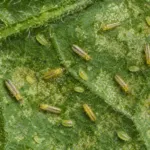 PestMelon thripsThrips palmi Karny
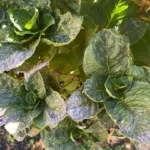 PestChilli thripsScirtothrips dorsalis Hood
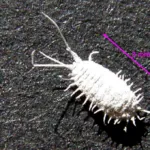 PestObscure mealybugPseudococcus viburni
 DiseaseAster yellows‘Candidatus Phytoplasma asteris’
Toxicity and pollen
Alocasia tissues contain insoluble calcium oxalates. Chewing or swallowing can cause immediate mouth, tongue, and throat irritation, pain, swelling, drooling, vomiting, or difficulty swallowing; sap may also irritate skin and eyes. Keep away from children and pets, wear gloves when cutting or dividing, and seek medical or veterinary advice after ingestion.
- Pollination / pollen
- Pollen produced within small, enclosed aroid inflorescences; airborne exposure not well documented
This is a flowering aroid, but the small, intermittently produced inflorescences are not documented as a significant airborne-pollen source in United States gardening references. Allergy response cannot be ruled out, especially during handling or flowering, so avoid contact with sap and wash hands after care.
Native habitat
The genus Alocasia is associated with tropical and subtropical Asian to eastern Australian habitats, commonly humid forest floors, leaf litter, and humus-rich pockets with filtered light. The marketed cultivar itself has no verified wild distribution; indoor culture should recreate warm, humid, porous, organic conditions rather than exposed, dry sites.
Interesting fact
The trade name 'Pink Dragon' is not taxonomically stable across the plant trade.
Its pink petioles contrast strongly with pale leaf veins and dark blades.
Alocasia can slow down or become temporarily dormant after stress or cold.
The plant's showy structure comes mainly from foliage, not reliable flowering.
Frequently asked questions (FAQ)
The most relevant questions about this plant, with short and direct answers.
🌱Quick care
How do you care for Alocasia 'Pink Dragon'?⌄
Give Alocasia 'Pink Dragon' bright filtered light, evenly moist but well-drained soil, warmth, and moderate to high humidity. Let excess water drain fully and protect it from cold drafts and frost.
Is Alocasia 'Pink Dragon' easy to grow indoors?⌄
Alocasia 'Pink Dragon' is moderately demanding indoors because it responds poorly to cold, dry air, inconsistent watering, and low light. It grows more reliably when kept warm, humid, bright, and free from standing water.
🌤️Environment and placement
How much light does Alocasia 'Pink Dragon' need?⌄
Alocasia 'Pink Dragon' needs bright, filtered or indirect light for strong growth and good leaf color. Gentle morning sun may be tolerated, but intense afternoon sun can scorch the foliage.
Can Alocasia 'Pink Dragon' grow in low light?⌄
Alocasia 'Pink Dragon' may survive in lower light, but it will usually grow slowly and produce smaller or fewer leaves. Move it closer to a bright window or supplement with a grow light if growth becomes weak.
What window is best for Alocasia 'Pink Dragon'?⌄
An east-facing window or a bright south- or west-facing window filtered by a sheer curtain is usually suitable. Keep the leaves away from harsh, prolonged midday or afternoon sun.
What temperature does Alocasia 'Pink Dragon' prefer?⌄
Keep Alocasia 'Pink Dragon' warm, ideally around 65–85°F during active growth. Avoid temperatures below about 60°F, sudden changes, and cold drafts from doors, windows, or air-conditioning vents.
Does Alocasia 'Pink Dragon' need high humidity?⌄
Alocasia 'Pink Dragon' grows best in moderate to high humidity, commonly around 50–70% indoors. A humidifier is more dependable than misting for maintaining consistently moist air.
💧Care and problems
How often should you water Alocasia 'Pink Dragon'?⌄
Water Alocasia 'Pink Dragon' when the upper 1–2 inches of the potting mix feel partly dry, then let the pot drain completely. Adjust the schedule for pot size, temperature, light, and the mix’s drying speed rather than using a fixed calendar.
Should Alocasia 'Pink Dragon' soil dry out completely?⌄
No, Alocasia 'Pink Dragon' should not remain completely dry for long periods. Allow the surface to dry slightly between waterings, but keep the root zone from becoming either bone-dry or saturated.
Why are the leaves of my Alocasia 'Pink Dragon' turning yellow?⌄
Yellow leaves on Alocasia 'Pink Dragon' are often caused by overly wet soil, poor drainage, low light, or natural aging of an older leaf. Check the roots and moisture level before increasing or reducing watering.
Why are Alocasia 'Pink Dragon' leaves turning brown at the edges?⌄
Brown leaf edges commonly result from dry air, inconsistent watering, salt buildup, or too much direct sun. Maintain steadier moisture, improve humidity, and occasionally flush the pot with clean water if fertilizer salts may have accumulated.
Why is my Alocasia 'Pink Dragon' drooping?⌄
Alocasia 'Pink Dragon' may droop from underwatering, root problems, cold stress, low light, or transplant shock. Check the soil and roots first, then correct the underlying condition rather than watering automatically.
Why is my Alocasia 'Pink Dragon' losing leaves?⌄
Leaf loss can follow cold exposure, relocation, low humidity, overwatering, or a seasonal slowdown. Remove badly damaged leaves, keep the plant warm and bright, and check for healthy roots and a firm corm.
Why is my Alocasia 'Pink Dragon' not growing?⌄
Slow growth usually indicates insufficient light, cool temperatures, low humidity, root stress, or dormancy. Provide brighter filtered light and warmth, but avoid heavy watering or fertilizer while the plant is inactive or recovering.
How often should you fertilize Alocasia 'Pink Dragon'?⌄
Feed Alocasia 'Pink Dragon' with a balanced liquid houseplant fertilizer diluted according to the label every 2–4 weeks during active spring and summer growth. Reduce or stop feeding in winter or whenever the plant is stressed.
What pests attack Alocasia 'Pink Dragon'?⌄
Alocasia 'Pink Dragon' can be affected by spider mites, mealybugs, scale, thrips, and fungus gnats. Inspect leaf undersides and new growth regularly, isolate affected plants, and treat promptly with an appropriate houseplant pest control product.
🪴Planting and repotting
What soil is best for Alocasia 'Pink Dragon'?⌄
Use an airy, humus-rich, well-drained aroid mix containing moisture-retentive organic material plus bark, perlite, pumice, or another aerating component. The mix should hold some moisture while allowing roots to receive plenty of oxygen.
Does Alocasia 'Pink Dragon' need a pot with drainage holes?⌄
Yes, Alocasia 'Pink Dragon' should be planted in a container with open drainage holes. Decorative cachepots may be used, but empty standing water after each watering.
When should you repot Alocasia 'Pink Dragon'?⌄
Repot Alocasia 'Pink Dragon' in spring or when roots have filled the container, the mix has broken down, or drainage has become poor. Choose a pot only slightly larger than the current one to reduce the risk of excess moisture.
Can Alocasia 'Pink Dragon' grow outdoors?⌄
Alocasia 'Pink Dragon' can grow outdoors in warm, frost-free conditions with bright filtered light and protection from wind and harsh sun. In most of the United States, bring it indoors before temperatures approach 60°F or any frost is forecast.
✂️Propagation and pruning
How do you propagate Alocasia 'Pink Dragon'?⌄
Propagate Alocasia 'Pink Dragon' by separating offsets or small corms from a healthy established plant, preferably during active growth. Each division should have viable roots or a firm corm before being potted into a lightly moist, airy medium.
Can you propagate Alocasia 'Pink Dragon' from a leaf cutting?⌄
No, a leaf or leaf-petiole cutting alone generally cannot produce a new Alocasia 'Pink Dragon' plant. Successful propagation requires a section containing a corm, rhizome tissue, or an offset with a viable growing point.
Should you prune Alocasia 'Pink Dragon'?⌄
Routine pruning is not required for Alocasia 'Pink Dragon'. Remove yellow, damaged, or completely spent leaves at the base using clean tools, while keeping healthy foliage because it supports the plant’s energy reserves.
⚠️Toxicity and safety
Is Alocasia 'Pink Dragon' toxic to cats and dogs?⌄
Yes, Alocasia 'Pink Dragon' is toxic to cats and dogs if eaten because it contains irritating calcium oxalate crystals. Keep it out of reach and contact a veterinarian promptly if a pet chews or swallows any part.
Is Alocasia 'Pink Dragon' poisonous to people?⌄
Yes, Alocasia 'Pink Dragon' is toxic if eaten and its sap may irritate the mouth, skin, and eyes. Wear gloves when handling damaged tissue, keep it away from children, and seek medical or poison-control advice after ingestion.
Can touching Alocasia 'Pink Dragon' irritate skin?⌄
Touching Alocasia 'Pink Dragon' may irritate sensitive skin, especially when the plant is cut or damaged. Wear gloves when pruning or repotting and wash exposed skin afterward.
🌸Flowering and special interest
Does Alocasia 'Pink Dragon' flower indoors?⌄
Alocasia 'Pink Dragon' can flower indoors when mature and growing vigorously, although its flowers are usually secondary to its foliage and may be infrequent. Flowering is more likely under consistently warm, bright, and humid conditions.
Should you cut off an Alocasia 'Pink Dragon' flower?⌄
You may remove an Alocasia 'Pink Dragon' flower if the plant is small, weak, or struggling, because flowering uses energy. If the plant is healthy, leaving the flower is generally harmless; cut it at the base with clean shears after it fades.
Similar plants
 Saucer Magnolia (Magnolia soulangeana) care guideMagnolia soulangeana
 Magnolia × loebneri ‘Merrill’Magnolia × loebneri 'Merrill'
 Magnolia loebneri care guideMagnolia loebneri
 Sweetbay magnolia (Magnolia virginiana) care guideMagnolia virginiana
 Star magnolia (Magnolia stellata) care guideMagnolia stellata
 Magnolia sprengeri care guideMagnolia sprengeri