
 Source:
 Alocasia ‘Longiloba’ short overview
Alocasia 'Longiloba' is a tropical elephant ear valued for strongly veined, arrow-shaped leaves with elongated lobes and an upright, architectural habit. It grows best in warm, humid conditions with bright filtered light, evenly moist but airy soil, and protection from cold drafts. The name is used in cultivation for a horticultural identity associated with the Alocasia longiloba species complex, so leaf form and coloration may vary between nursery-grown plants.
Taxonomic classification
Alocasia ‘Longiloba’ care guide
Light and placement
Give bright filtered light, such as an east-facing window or a position several feet from a bright south- or west-facing window. Gentle morning sun can be tolerated, but strong midday sun may bleach or scorch leaves. Too little light causes slow growth, smaller leaves, and stretched petioles; too much direct sun causes pale patches, crisp margins, or leaf scorch.
Watering and humidity
Water thoroughly when the top 1–2 inches of mix begins to dry, then let excess drain fully. Keep the root zone evenly moist during active growth but never leave the pot standing in water. In fall and winter, water less often as light and growth decline. High humidity helps reduce leaf-edge browning, but it cannot compensate for poor drainage.
Soil and growing medium
Use a loose, organic, fast-draining aroid mix that still retains some moisture. A practical blend can include fine orchid bark, coco coir or peat-free moisture-retentive material, perlite, and composted organic matter. Slightly acidic to neutral conditions are suitable. Avoid dense garden soil and containers that remain waterlogged.
Feeding
Feed during active growth with a complete balanced houseplant fertilizer diluted to about half the label strength every 2–4 weeks. Water the plant first if the mix is dry, and flush the container occasionally to limit salt buildup. Reduce or stop feeding during cool, dark winter conditions or whenever growth has paused.
Growth and habit
This evergreen tropical perennial develops from a corm and forms an upright clump of long-petioled leaves. Growth is strongest with warmth, bright indirect light, steady moisture, and regular feeding. Older leaves may yellow naturally as new leaves emerge. Rotate containers periodically for balanced growth, and remove declining leaves at the base with clean tools.
Planting and repotting
Plant after temperatures are reliably warm, setting the corm or rooted division at the same depth it previously grew. Keep the crown near the surface rather than burying the stem deeply. Space outdoor specimens about 24–36 inches apart where they are grown as seasonal foliage plants; provide shelter from wind while roots establish.
Repot in spring or early summer when roots fill the container or the mix breaks down. Move up only one pot size, preserve the corm and major roots, and water lightly after repotting until new growth resumes. Repotting is also useful when persistent sour odor or poor drainage indicates compacted media.
Propagation and pruning
Propagation
Propagate by separating offsets or dividing a mature clump during active growth. Each division should retain a viable corm section and roots when possible. Small corm offsets can be started in a warm, lightly moist medium with high humidity. Seed propagation is possible but uncommon for named cultivated material and may not reproduce the parent consistently.
Pruning
Pruning is limited to removing yellow, damaged, or diseased leaves. Cut petioles cleanly near the base with sterilized tools and avoid injuring the corm or crown. Do not remove healthy leaves merely to reduce size; improve light, container choice, or placement instead.
Overwintering
Treat as an indoor plant outside USDA Zones 10–11. Before temperatures fall below about 50°F, bring containers indoors, inspect for pests, and place the plant in bright filtered light. Keep it away from heaters and cold drafts. Growth may slow in winter; reduce watering and stop fertilizer until warmth and light increase.
Uses
Best used as a specimen foliage plant for indoor containers, warm conservatories, shaded patios, and frost-free tropical landscapes. Its upright leaves provide strong vertical structure in plant displays. It is not recommended as a food plant for household cultivation because raw Alocasia tissues contain irritating calcium oxalate crystals; do not make culinary or medicinal use of this ornamental identity.
Appearance
The plant is recognized by upright, long-petioled leaves with an arrow or shield shape, elongated basal lobes, and conspicuous radiating veins. Leaf texture and coloration vary among plants sold under the longiloba identity, ranging from deep green to subtly silvery or bullate surfaces. The clumping corm produces a strong, architectural silhouette.
Flowering
Mature plants can produce the typical Alocasia arum inflorescence: a pale spathe surrounding a fleshy spadix with separate female and male zones. Flowering is occasional in cultivation and is more likely when plants are mature, warm, well fed, and actively growing. The inflorescence is usually secondary to the foliage display and may be followed by small orange fruits when pollination succeeds.
Pollination and visitors
Reliable species-specific visitor records for this exact horticultural identity were not located. Alocasia inflorescences in the genus may be visited by small insects, but a characteristic pollinator group should not be assigned here without stronger evidence.
Alocasia 'Longiloba' photos
Click any photo for a larger view. Source, author and license are shown separately.
Diseases and pests
Diseases
Root and crown rot are the main concerns when soil stays saturated or the crown is buried too deeply. Remove damaged tissue, improve drainage, reduce watering during low-light periods, and isolate symptomatic plants. Leaf-spot problems are encouraged by wet foliage, poor air movement, and crowding; water at the soil line and remove badly affected leaves.
Pests
Spider mites, thrips, mealybugs, scale, and fungus gnats may occur, especially in dry indoor air or persistently wet media. Inspect leaf undersides and petiole joints regularly. Improve air circulation, isolate infested plants, remove heavily affected tissue, and use insecticidal soap or another labeled treatment according to directions. Avoid repeated drought stress, which favors spider mites.
Related diseases and pests
Only Plant Doctor profiles whose host data indicate this plant may be affected are shown here.
 DiseaseAlternaria leaf spot and fruit rotAlternaria alternata
 DiseasePhytophthora root and crown rotPhytophthora nicotianae
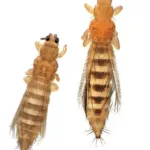 PestOnion thripsThrips tabaci Lindeman
 PestMelon thripsThrips palmi Karny
 PestChilli thripsScirtothrips dorsalis Hood
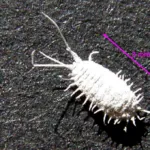 PestObscure mealybugPseudococcus viburni
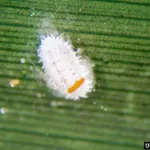 PestCitrus mealybugPlanococcus citri
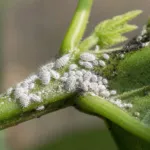 PestCotton mealybugPhenacoccus solenopsis Tinsley
Toxicity and pollen
Alocasia species contain insoluble calcium oxalate crystals that can cause immediate burning, swelling, drooling, vomiting, and difficulty swallowing if plant tissue is chewed or swallowed. Keep the plant away from children and pets, wear gloves when handling damaged tissue, and seek poison-control or veterinary advice after ingestion, especially if breathing or swallowing is affected.
- Pollination / pollen
- Limited-release pollen within an enclosed aroid inflorescence
This is an insect-pollinated flowering aroid, but airborne pollen exposure from a household plant is not well quantified. Inflorescences are relatively uncommon indoors, and the pollen is generally released within the enclosed spadix structure rather than broadcast like wind-dispersed pollen. Sensitive individuals should still avoid direct contact with flowers and sap.
Native habitat
The backbone species is native from southern and southeastern China through mainland Southeast Asia and western to central Malesia. It is associated with wet tropical environments and generally grows in warm, humid, shaded or filtered-light conditions, often in organically rich, moisture-retentive but aerated substrates. The cultivated identity may not correspond to one precisely documented wild population.
Interesting fact
The epithet longiloba refers to the plant's elongated lobes. Modern taxonomic treatments place numerous historical names within the Alocasia longiloba complex. Plants sold under this identity can differ noticeably because the complex has a complicated horticultural history. Like other aroids, the inflorescence is a spadix enclosed by a spathe rather than a single open flower.
Frequently asked questions (FAQ)
The most relevant questions about this plant, with short and direct answers.
🌱Quick care
How do you care for Alocasia 'Longiloba'?⌄
Give Alocasia 'Longiloba' bright filtered light, evenly moist but well-drained soil, warm temperatures, and moderate-to-high humidity. Protect it from frost, cold drafts, and prolonged exposure below 50°F.
Is Alocasia 'Longiloba' easy to grow indoors?⌄
Alocasia 'Longiloba' is moderately challenging indoors because it reacts quickly to cold, dry air, inconsistent watering, and poor drainage. Stable warmth, bright indirect light, and an airy aroid mix make it much more reliable.
🌤️Environment and placement
How much light does Alocasia 'Longiloba' need?⌄
Provide bright filtered or indirect light for strong, healthy growth. Gentle morning or late-afternoon sun may be tolerated, but harsh midday sun can scorch the leaves.
Can Alocasia 'Longiloba' grow in low light?⌄
Alocasia 'Longiloba' can survive in lower light but usually grows more slowly and may produce smaller, weaker leaves. Move it closer to a bright window or provide a grow light if growth becomes sparse or stems lean.
What window is best for Alocasia 'Longiloba'?⌄
An east- or bright north-facing window is often suitable, while a south- or west-facing window should usually be filtered with a sheer curtain. Keep the plant away from hot glass and strong afternoon sun.
What temperature is best for Alocasia 'Longiloba'?⌄
Keep Alocasia 'Longiloba' warm, ideally around 65–80°F during active growth. Protect it from cold drafts and temperatures below 50°F, which can cause stress, leaf collapse, or dormancy.
How much humidity does Alocasia 'Longiloba' need?⌄
Moderate-to-high humidity helps Alocasia 'Longiloba' maintain healthy leaf edges, with roughly 60–70% often beneficial indoors. A humidifier is more effective than misting if household air is consistently dry.
Can Alocasia 'Longiloba' grow outdoors in the United States?⌄
It can grow outdoors year-round only in frost-free, warm climates with filtered light and consistently moist, well-drained soil. In most of the United States, grow it as a container plant and bring it indoors before temperatures approach 50°F.
💧Care and problems
How often should you water Alocasia 'Longiloba'?⌄
Water when the upper portion of the potting mix has begun to dry, then soak thoroughly until excess water drains from the pot. Water more frequently in warm, bright conditions and less often during cool or dormant periods.
Should Alocasia 'Longiloba' soil dry out completely?⌄
No, Alocasia 'Longiloba' should not remain completely dry for extended periods because its foliage may droop and leaf edges may turn brown. Allow partial drying between waterings while keeping the root zone lightly and evenly moist.
Why are the leaves of my Alocasia 'Longiloba' turning yellow?⌄
Yellow leaves commonly result from overwatering, poor drainage, cold conditions, or normal aging of an older leaf. Check that the mix is airy, the pot drains freely, and the roots are not soft or foul-smelling.
Why is my Alocasia 'Longiloba' drooping?⌄
Drooping may indicate underwatering, root damage, cold stress, low humidity, or sudden environmental change. Check the moisture and roots first, then provide warmth and stable filtered light while the plant recovers.
Why does Alocasia 'Longiloba' have brown leaf edges?⌄
Brown edges are usually linked to dry soil, low humidity, salt buildup, or excessive direct sun. Keep watering consistent, improve ambient humidity, flush accumulated fertilizer salts, and filter strong sunlight.
Why are Alocasia 'Longiloba' leaves curling?⌄
Leaf curling can be caused by dehydration, dry air, heat, pests, or root problems. Inspect the undersides for mites or other pests and verify that the soil is moist but not saturated.
Why is my Alocasia 'Longiloba' losing leaves?⌄
Leaf loss may follow cold exposure, overwatering, root or rhizome rot, low light, or seasonal dormancy. If the corm or rhizome remains firm, correct the growing conditions and wait for new growth rather than discarding the plant immediately.
How often should you fertilize Alocasia 'Longiloba'?⌄
Feed Alocasia 'Longiloba' with a balanced, diluted houseplant fertilizer about every 3–4 weeks during active spring and summer growth. Reduce or stop feeding when growth slows or the plant enters dormancy.
What pests attack Alocasia 'Longiloba'?⌄
Common pests include spider mites, thrips, aphids, mealybugs, and scale. Inspect new growth and leaf undersides regularly, isolate affected plants, and treat infestations promptly with an appropriate labeled product.
🪴Planting and repotting
What soil is best for Alocasia 'Longiloba'?⌄
Use a loose, organic-rich, well-drained aroid mix that retains some moisture without compacting. A quality potting mix amended with orchid bark and perlite or pumice provides useful aeration.
What type of pot does Alocasia 'Longiloba' need?⌄
Use a pot with drainage holes that is only slightly larger than the root system. An oversized container can hold excess moisture around the rhizome and increase the risk of rot.
When should you repot Alocasia 'Longiloba'?⌄
Repot Alocasia 'Longiloba' when roots have filled the container, the mix has broken down, or drainage has become poor, preferably during active spring growth. Avoid unnecessary root disturbance because the plant can respond poorly to sudden changes.
How deep should you plant Alocasia 'Longiloba'?⌄
Plant it at the same depth as before, keeping the rhizome or corm near the surface rather than burying it deeply. Deep planting keeps the crown wet and can encourage rot.
✂️Propagation and pruning
How do you propagate Alocasia 'Longiloba'?⌄
The most practical method is division of offsets or rhizome sections that have their own growing point and roots. Separate them during active growth and pot them into a small, airy, lightly moist mix.
Can Alocasia 'Longiloba' be propagated from corms?⌄
Yes, Alocasia 'Longiloba' can be propagated from viable corms removed from the root area. Keep each corm warm and humid in a lightly moist, airy medium until roots and a shoot develop.
Can you propagate Alocasia 'Longiloba' from a leaf cutting?⌄
No, a leaf or leaf stem without a piece of the plant’s rhizome or corm generally cannot produce a new Alocasia 'Longiloba'. Propagation requires a viable underground growing structure or seed.
Should you cut off damaged Alocasia 'Longiloba' leaves?⌄
Remove leaves that are fully yellow, diseased, or badly damaged by cutting the stalk cleanly at its base with sterilized tools. Leave partially green leaves in place because they can still contribute energy to the plant.
⚠️Toxicity and safety
Is Alocasia 'Longiloba' toxic to cats and dogs?⌄
Yes, Alocasia 'Longiloba' is toxic to cats and dogs because it contains insoluble calcium oxalate crystals. Chewing can cause intense mouth irritation, drooling, swelling, vomiting, or difficulty swallowing, so contact a veterinarian if ingestion occurs.
Is Alocasia 'Longiloba' poisonous to people?⌄
Yes, Alocasia 'Longiloba' can irritate people if chewed or swallowed because of insoluble calcium oxalate crystals. Keep it away from children and seek medical or poison-control guidance if significant exposure occurs.
Should you wear gloves when handling Alocasia 'Longiloba'?⌄
Wearing gloves is sensible when cutting, dividing, or repotting Alocasia 'Longiloba' because its sap and plant tissue may irritate skin and eyes. Wash your hands and tools afterward, and keep plant debris away from pets and children.
🌸Flowering and special interest
Does Alocasia 'Longiloba' flower indoors?⌄
Yes, mature Alocasia 'Longiloba' can flower indoors, although it is primarily grown for its foliage and flowering is not guaranteed. The small inflorescence consists of a spathe surrounding a spadix and may appear when the plant is mature and actively growing.
Should you cut off flowers on Alocasia 'Longiloba'?⌄
You may remove an Alocasia 'Longiloba' flower if the plant is weak or you prefer to conserve energy for foliage. Otherwise, leave it in place and remove it after it fades using sterilized scissors.
Similar plants
 Saucer Magnolia (Magnolia soulangeana) care guideMagnolia soulangeana
 Magnolia × loebneri ‘Merrill’Magnolia × loebneri 'Merrill'
 Magnolia loebneri care guideMagnolia loebneri
 Sweetbay magnolia (Magnolia virginiana) care guideMagnolia virginiana
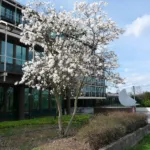 Star magnolia (Magnolia stellata) care guideMagnolia stellata
 Magnolia sprengeri care guideMagnolia sprengeri