
 AI-generated illustration
Alocasia ‘Cuprea Red Secret’ short overview
Alocasia 'Cuprea Red Secret' is a tender, compact jewel Alocasia prized for glossy metallic copper-bronze leaves, red undersides, strong venation and rippled texture. Grow it indoors or in a warm, sheltered setting with bright filtered light, airy moisture-retentive soil, careful watering, high humidity and temperatures above 65°F. It is toxic if eaten and may irritate skin, mouth and eyes. A compact, tender jewel Alocasia with glossy metallic copper-bronze leaves, red undersides and strongly impressed veins.
Taxonomic classification
Alocasia ‘Cuprea Red Secret’ care guide
Light and placement
Provide bright filtered light or gentle partial shade. An east- or west-facing window behind a sheer curtain is suitable; a south window usually needs filtering. Harsh direct sun can bleach or scorch the metallic leaves, while weak light may cause slower, stretched growth, duller color and greater dormancy risk.
Watering and humidity
Water thoroughly when the upper 1–2 inches of mix have begun to dry, then allow excess to drain completely. Water more often during warm, bright active growth and less often in winter or low light. Never leave the pot standing in water. High humidity helps reduce crisp margins, but it does not compensate for saturated roots.
Soil and growing medium
Use a loose, airy houseplant or aroid mix that retains some moisture but drains rapidly. Peat-free mix amended with perlite, bark or another coarse mineral component is suitable. Keep the root zone oxygenated; prolonged saturation encourages rot. The species tolerates acidic, neutral and slightly alkaline conditions, but a mildly acidic to neutral mix is a practical target.
Feeding
Feed only during active growth, typically spring through early fall indoors, with a balanced liquid houseplant fertilizer diluted to half the label rate every 3–4 weeks. Apply to already moist mix and flush occasionally to limit salt buildup. Reduce or stop feeding during cool, dim winter conditions or dormancy.
Growth and habit
This is a compact, upright, rhizomatous perennial that generally produces a small clump of sturdy petioles. Growth can pause when light, warmth or moisture availability declines. Keep the crown stable and avoid repeated environmental swings, which may lead to leaf loss or dormancy-like slowdown.
Planting and repotting
Plant outdoors only in frost-free, sheltered conditions, or grow it as a container specimen that can be moved indoors. Set the crown at the same depth as before and leave enough clearance for the leaves. Establish in warm weather after cold nights have passed; do not plant into cold or waterlogged soil.
Repot in spring or early summer when roots crowd the container or the mix breaks down. Move up only one pot size and keep the crown at its previous depth. Use a container with drainage holes, and avoid disturbing healthy roots more than necessary.
Propagation and pruning
Propagation
Divide established rhizomes or separate basal offsets during warm, actively growing weather. Each division should retain viable roots and a growing point. Keep newly separated pieces warm, lightly moist and humid until fresh growth resumes; seed propagation is not a dependable way to preserve the cultivar.
Pruning
No routine pruning is needed. Remove yellow, dead or badly damaged leaves at the base with clean shears. Do not cut healthy leaves solely because they are older; they continue contributing energy while the plant produces replacements.
Overwintering
Bring indoors before temperatures fall below 65°F, and keep the plant warm, humid and away from drafts or cold windows. Reduce watering as light and growth decline, but do not allow the rhizome to remain cold and saturated. A grow light can help prevent dormancy in dim winter rooms.
Uses
Used primarily as a collectible foliage houseplant, terrarium-adjacent specimen or sheltered tropical container accent. It is valued for metallic leaves rather than edible production. Do not use it as food, and keep it inaccessible to children, dogs and cats because all plant parts may contain irritating calcium oxalates.
Appearance
Leaves are thick, glossy and oval to broadly heart-shaped, with a strongly rippled surface and deeply impressed veins. New foliage may emerge red or coppery, maturing toward dark green and bronze above while retaining a rich red underside. Long succulent petioles rise from a compact rhizomatous base.
Flowering
Flowering is occasional and usually secondary to the foliage display. The inflorescence consists of a pale spadix enclosed by a spathe; cultivated plants may produce paired inflorescences, but flowering is infrequent and not reliably seasonal indoors.
Pollination and visitors
No reliable cultivar-specific pollinator record was located. Alocasia inflorescences can be visited by small insects in the broader genus, but a characteristic visitor for this exact cultivar should not be claimed.
Diseases and pests
Diseases
The main risk is root or crown rot caused by chronically wet mix, poor drainage or cool conditions. Use a porous substrate, let the upper layer begin to dry, and remove damaged tissue with sterile tools. Leaf-spot symptoms warrant better air circulation, drier foliage and removal of affected leaves.
Pests
Watch for spider mites, mealybugs, thrips and scale, especially in dry indoor air. Inspect leaf undersides and petioles regularly. Isolate affected plants, rinse foliage where appropriate, and use a labeled houseplant treatment according to directions; repeat as needed for the pest's life cycle.
Related diseases and pests
Only Plant Doctor profiles whose host data indicate this plant may be affected are shown here.
 DiseaseAlternaria leaf spot and fruit rotAlternaria alternata
 DiseasePhytophthora root and crown rotPhytophthora nicotianae
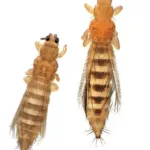 PestOnion thripsThrips tabaci Lindeman
 PestMelon thripsThrips palmi Karny
 PestChilli thripsScirtothrips dorsalis Hood
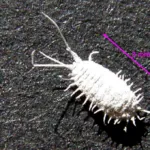 PestObscure mealybugPseudococcus viburni
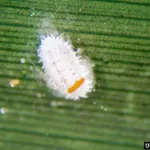 PestCitrus mealybugPlanococcus citri
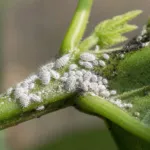 PestCotton mealybugPhenacoccus solenopsis Tinsley
Toxicity and pollen
Alocasia tissues contain insoluble calcium oxalate crystals. Chewing or swallowing can cause immediate burning, mouth and throat irritation, swelling, drooling, vomiting or difficulty swallowing; sap may irritate skin and eyes. Keep away from children and pets, wear gloves when handling damaged tissue, and seek medical or veterinary advice after ingestion.
- Pollination / pollen
- Limited, non-wind-dispersed floral pollen
This is an insect-associated flowering aroid, but its occasional indoor inflorescences produce little airborne pollen compared with wind-pollinated plants. Allergy risk cannot be assumed to be zero; people with known plant allergies should avoid contact with sap and flowering structures if symptoms occur.
Native habitat
The species is native to wet tropical environments in Sabah, Borneo. Its natural setting is warm, humid and sheltered, with moisture available but roots still benefiting from aerated soil. The cultivar is not a frost-tolerant outdoor perennial in most of the United States.
Interesting fact
The epithet cuprea refers to the coppery appearance of the foliage. Young leaves can show stronger red or copper tones before developing darker bronze-green coloration. The species is native to Sabah on Borneo and belongs to a group of aroids with specialized spadix-and-spathe inflorescences.
Frequently asked questions (FAQ)
The most relevant questions about this plant, with short and direct answers.
🌱Quick care
What is Alocasia 'Cuprea Red Secret'?⌄
Alocasia 'Cuprea Red Secret' is a tropical Elephant Ear prized for metallic, copper-to-red, shield-shaped leaves. It is a frost-tender aroid best grown indoors or outdoors only in warm, protected conditions.
How much light does Alocasia 'Cuprea Red Secret' need?⌄
Give it bright filtered light or partial shade. Avoid harsh midday sun, which can scorch leaves and may cause the foliage to angle downward or away from the light.
How often should I water Alocasia 'Cuprea Red Secret'?⌄
Water when the upper portion of the mix has partially dried, then let excess water drain completely. Avoid both prolonged sogginess and letting the root ball become bone-dry.
Is Alocasia 'Cuprea Red Secret' difficult to grow?⌄
It is moderately demanding rather than exceptionally difficult. Stable warmth, good drainage, filtered light, and consistent watering are more important than a complicated care routine.
🌤️Environment and placement
Can Alocasia 'Cuprea Red Secret' grow indoors?⌄
Yes, it is well suited to indoor growing near a bright window with filtered light. Keep it away from cold drafts, heating vents, and sudden temperature changes.
What temperature is best for Alocasia 'Cuprea Red Secret'?⌄
Keep it warm, ideally around 65–85°F. Protect it from temperatures below about 55°F, especially when the soil is wet, because chilling can trigger decline and root problems.
Does Alocasia 'Cuprea Red Secret' need high humidity?⌄
Moderate to high humidity can improve leaf quality and reduce stress, especially in dry winter homes. Good airflow is still necessary because stagnant, constantly wet conditions encourage disease.
Can Alocasia 'Cuprea Red Secret' grow outside in the United States?⌄
It can grow outdoors year-round only in frost-free areas, generally USDA Zones 10–11 with suitable local conditions. In colder zones, move it indoors before nighttime temperatures approach 55°F.
Can Alocasia 'Cuprea Red Secret' tolerate direct sunlight?⌄
It may tolerate gentle morning or late-afternoon sun after gradual acclimation, but strong direct sunlight is risky. Bright shade or filtered light is the safer placement.
💧Care and problems
Why are the leaves of my Alocasia 'Cuprea Red Secret' turning downward?⌄
Downward-facing leaves can indicate excessive light, watering stress, temperature stress, or natural leaf positioning. Move it slightly farther from intense grow lights or windows and check the roots and moisture level before making further changes.
Why is my Alocasia 'Cuprea Red Secret' losing its red color?⌄
Copper and red tones can change as leaves mature and may vary with light and growing conditions. Increase brightness gradually, but do not expose the plant to harsh direct sun simply to intensify color.
Why is my Alocasia 'Cuprea Red Secret' not growing?⌄
Slow growth commonly follows low light, cool temperatures, root stress, pests, or seasonal dormancy. Provide warmth and filtered light, inspect the roots, and avoid fertilizing heavily while the plant is inactive or declining.
Why is my Alocasia 'Cuprea Red Secret' losing a leaf when a new one grows?⌄
Alocasias may shed an older leaf while producing a new one, particularly when the plant has limited energy or roots. This is usually normal if the new growth is healthy and the remaining foliage is firm.
What should I do about brown edges on Alocasia 'Cuprea Red Secret' leaves?⌄
Brown edges usually reflect inconsistent watering, dry air, excess fertilizer salts, root damage, or direct-sun scorch. Check moisture and drainage, flush accumulated salts, and keep conditions steadier rather than trimming healthy tissue.
How do I treat spider mites or thrips on Alocasia 'Cuprea Red Secret'?⌄
Isolate the plant, rinse the foliage and undersides thoroughly, and repeat treatment with a product labeled for indoor ornamentals. Inspect nearby plants because these pests spread easily, and avoid applying harsh oils in strong light.
Should I fertilize Alocasia 'Cuprea Red Secret'?⌄
Fertilize during active growth with a balanced houseplant fertilizer diluted according to its label. Apply it to already-moist soil and reduce or stop feeding during cold, dark, or dormant periods.
🪴Planting and repotting
What soil is best for Alocasia 'Cuprea Red Secret'?⌄
Use an airy, moisture-retentive, well-drained aroid mix containing components such as potting mix, orchid bark, and perlite. The mix should hold some moisture while allowing air to reach the roots.
What type of pot does Alocasia 'Cuprea Red Secret' need?⌄
Choose a pot with drainage holes that is only slightly larger than the root ball. A snug, stable container helps the mix dry evenly and reduces the risk of excess moisture around the roots.
When should I repot Alocasia 'Cuprea Red Secret'?⌄
Repot when roots are crowded, the mix has broken down, or drainage has become poor, preferably during active growth. After purchase, allow a short acclimation period unless the existing soil is clearly compacted, waterlogged, or infested.
Can Alocasia 'Cuprea Red Secret' grow in semi-hydroponics?⌄
It can adapt to semi-hydroponic systems, but the transition should be gradual and the roots must be kept aerated. Monitor for rot during the change because water-level mistakes can quickly stress the plant.
✂️Propagation and pruning
How do you propagate Alocasia 'Cuprea Red Secret'?⌄
The practical methods are separating offsets or growing corms collected during repotting. Stem cuttings are not a reliable propagation method because Alocasia growth comes from a cormous rhizome rather than ordinary stem nodes.
Does Alocasia 'Cuprea Red Secret' produce corms?⌄
Yes, mature plants can produce small corms around the main corm or rhizome. Healthy corms can be started in a warm, lightly moist, well-aerated medium with high humidity.
When can I separate Alocasia 'Cuprea Red Secret' offsets?⌄
Separate offsets when they have their own roots or are large enough to establish independently, ideally during repotting in active growth. Handle the corms gently and keep newly divided plants warm while they recover.
Can I prune damaged leaves from Alocasia 'Cuprea Red Secret'?⌄
Yes, remove fully yellow, dead, or severely damaged leaves with clean, sharp scissors. Do not remove partially green leaves prematurely because they can still supply energy to the corm.
⚠️Toxicity and safety
Is Alocasia 'Cuprea Red Secret' toxic to cats and dogs?⌄
Yes, it is toxic if eaten because it contains insoluble calcium oxalate crystals. Chewing can cause intense irritation, drooling, swelling, vomiting, or difficulty swallowing, so keep it away from pets and children.
What should I do if someone chews Alocasia 'Cuprea Red Secret'?⌄
Remove plant material from the mouth, rinse gently, and contact a medical professional or poison-control service for guidance. Seek urgent care for facial or throat swelling, breathing difficulty, or trouble swallowing.
🌸Flowering and special interest
Does Alocasia 'Cuprea Red Secret' flower indoors?⌄
It can flower indoors when mature and growing strongly, although blooming is not guaranteed. Adequate warmth, light, nutrition, and root health support flowering.
Should I cut off an Alocasia 'Cuprea Red Secret' flower?⌄
You may leave the inflorescence in place or remove it if the plant is weak or you prefer to direct energy toward foliage. Cutting it is not automatically necessary, and a healthy plant may recover after flowering.
How can I tell whether my plant is truly Alocasia 'Cuprea Red Secret'?⌄
A plant sold under this name can be difficult to distinguish from ordinary Alocasia cuprea by leaf color alone. Flower characteristics may provide stronger evidence, but cultivar identification from an immature, nonflowering plant can remain uncertain.
Similar plants
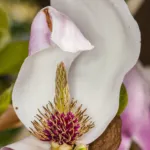 Saucer Magnolia (Magnolia soulangeana) care guideMagnolia soulangeana
 Magnolia × loebneri ‘Merrill’Magnolia × loebneri 'Merrill'
 Magnolia loebneri care guideMagnolia loebneri
 Sweetbay magnolia (Magnolia virginiana) care guideMagnolia virginiana
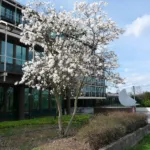 Star magnolia (Magnolia stellata) care guideMagnolia stellata
 Magnolia sprengeri care guideMagnolia sprengeri