
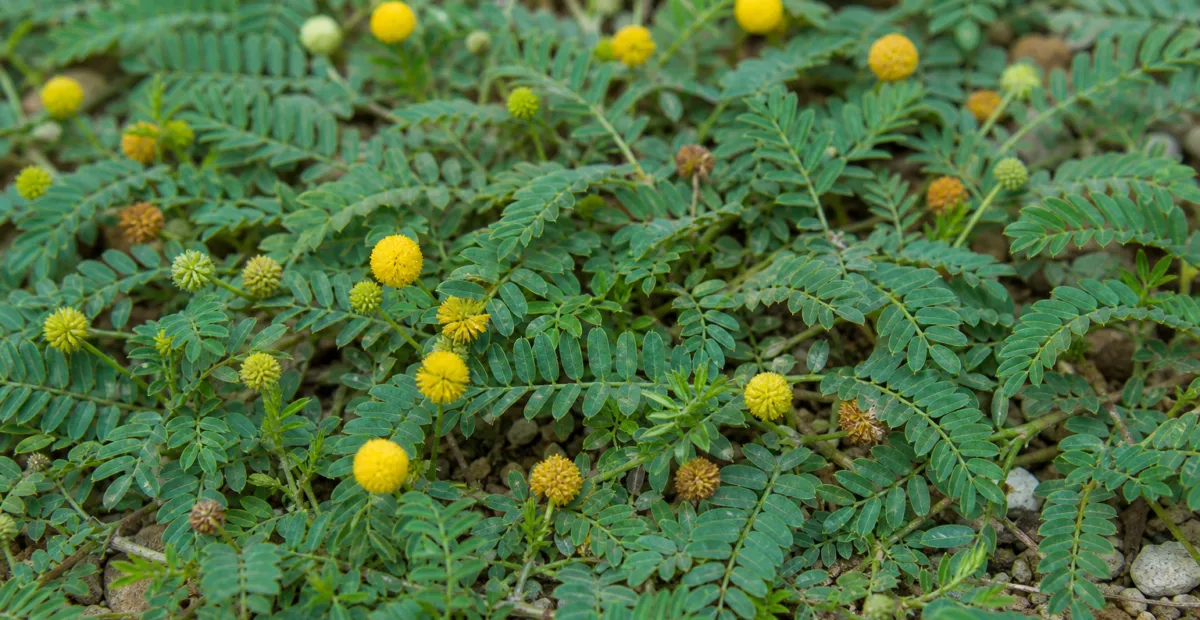
 AI-generated illustration
Neptunia prostrata short overview
Neptunia prostrata is a tropical aquatic or semiaquatic legume treated in some modern databases as a synonym of Neptunia oleracea, although the requested taxon is retained here exactly as specified. It forms floating or prostrate stems with finely divided, sleep-sensitive leaves and buoyant, spongy stem tissue. The plant is associated with still or slow-moving freshwater habitats and is chiefly of interest as a botanical and aquatic-culture subject in the United States.
Taxonomic classification
Neptunia prostrata care guide
Light and placement
Provide bright light with several hours of direct sun, ideally in a shallow pond, tub, or aquarium-style container near a south- or southeast-facing exposure. In hot climates, afternoon shade can reduce leaf scorch and overheating. Sparse, elongated growth and smaller leaflets suggest insufficient light; bleached foliage, scorched margins, or rapid midday collapse suggest excessive heat or abrupt sun exposure.
Watering and humidity
Keep the root zone continuously wet and do not allow the substrate to dry. In a container, maintain a shallow layer of clean, dechlorinated water over a heavy aquatic medium or keep the pot standing in water. Refresh stagnant water periodically and reduce temperature-driven evaporation checks during winter, while still preventing drying. High humidity is useful but does not replace wet roots.
Soil and growing medium
Use heavy loam, clay-loam, or aquatic mud that stays saturated and anchors the roots. A porous terrestrial potting mix can float, break down, or dry too quickly. Avoid sharply draining cactus-style media. Slightly acidic to neutral conditions are a reasonable target, but exact pH requirements for this taxon are not well documented.
Feeding
Feed only during warm, active growth. Use a weak balanced aquatic or general-purpose fertilizer, or incorporate a small amount of slow-release fertilizer beneath the planting medium where it cannot rapidly dissolve into open water. Avoid heavy nitrogen applications, fresh manure, and routine feeding in cool conditions, because they can promote weak growth and nuisance algae.
Growth and habit
Stems may float, trail, or spread across wet surfaces, rooting at nodes or remaining partly submerged. Warmth and abundant water encourage rapid extension. Give the plant room to spread, thin crowded stems, and prevent it from covering the entire water surface, especially in small containers where oxygen exchange and light penetration can decline.
Planting and repotting
Plant only after danger of frost has passed and water is warm. Anchor rooted material in heavy aquatic soil or a weighted container, keeping the crown and actively growing stems at or just above the waterline. Start with wider spacing than seems necessary because stems spread quickly. Use clean water and quarantine new plants before adding them to established ponds or aquaria.
Container-grown plants may need moving into a wider, heavier aquatic pot when roots fill the medium or stems become crowded. Transplant during warm active growth, retain the wet root ball, and use fresh heavy loam or aquatic mud. Re-anchor the crown near the surface and avoid exposing roots to prolonged drying.
Propagation and pruning
Propagation
Propagate from seed or viable stem sections with rooted nodes. Sow seed in warm, constantly moist medium and provide bright light; germination and establishment are temperature-sensitive. Stem pieces can be anchored in saturated aquatic soil during active growth. Use clean tools and isolate new material to reduce the risk of introducing aquatic pests or pathogens.
Pruning
Trim trailing or overcrowded stems during active growth with clean scissors. Remove yellowing, damaged, or decaying material promptly. Cut above a healthy node if branching or compact regrowth is desired, and remove enough biomass to keep small water bodies from becoming completely shaded or covered.
Overwintering
In USDA Zones 9 and colder, move containers indoors or into a heated greenhouse before nights approach 50°F. Keep the roots wet in bright light and warm conditions, but reduce feeding during slow growth. Remove excess foliage before moving indoors and inspect carefully for aphids, mites, snails, and algae-associated debris.
Uses
This species is chiefly suitable for warm-water botanical collections, aquatic containers, tropical display ponds, and research or teaching collections. The related Neptunia oleracea is cultivated as a leafy vegetable in parts of tropical Asia, but that use should not be transferred automatically to material identified specifically as Neptunia prostrata. Do not consume unidentified aquatic plants or material grown in contaminated water.
Appearance
The plant has delicate, bipinnate leaves composed of many opposite, narrow leaflets. The leaf blades are nyctinastic and may fold or change position in response to darkness or disturbance. Stems can be prostrate, floating, or ascending, with spongy buoyant tissue reported in the water-mimosa complex. Small, dense axillary flower heads provide a useful identification feature.
Flowering
The flowers are borne in compact axillary heads rather than showy individual blooms. Reports for the closely associated water-mimosa taxon describe yellow flower clusters produced during warm-season growth, with flowering potentially extending across much of the frost-free period in tropical climates. Exact flowering dates for Neptunia prostrata in the United States are not reliably established.
Pollination and visitors
The flowers are insect-pollinated in the broader Neptunia group, but reliable species-specific records identifying the principal visitors to Neptunia prostrata were not found. The compact flower heads may be visited by small insects, yet the strength and consistency of attraction remain uncertain.
Diseases and pests
Diseases
Constantly stagnant, dirty water and dense growth can encourage soft rot or stem decay. Use clean water, avoid burying stems too deeply, improve circulation without creating strong currents, and remove collapsing tissue promptly. Discard severely rotted sections and disinfect tools between cuts. Confirm any diagnosis before using treatments in ponds or aquaria.
Pests
Aphids, caterpillars, snails, and other general aquatic-container pests may feed on tender growth. Inspect new plants and leaf undersides, remove visible pests by hand, and isolate infested material. Avoid broad-spectrum pesticides around ponds, aquaria, fish, amphibians, and beneficial aquatic invertebrates.
Related diseases and pests
Only Plant Doctor profiles whose host data indicate this plant may be affected are shown here.
Toxicity and pollen
A reliable species-specific toxicity assessment for Neptunia prostrata was not located. Because the name is taxonomically linked in some databases to the edible water-mimosa taxon Neptunia oleracea, but identification and growing conditions may differ, do not assume that this exact plant is safe to eat. Prevent children and pets from chewing ornamental aquatic plants and seek professional advice after ingestion.
- Typical season
- Warm flowering season
- Pollination / pollen
- Insect-dispersed pollen; airborne exposure has not been adequately characterized.
Neptunia prostrata produces pollen in small insect-pollinated flowers, but dependable data on pollen abundance, dispersal distance, and clinical allergy relevance were not found. Insect pollination may limit widespread airborne release, but it does not prove zero allergy risk. People with strong pollen sensitivity should avoid handling flowering material closely and wash after contact.
Native habitat
The plant is associated with still or slow-moving freshwater, wet margins, ditches, ponds, and saturated lowland sites in tropical regions. It can float or spread along the water edge, with roots developing in wet substrate and stems supported by spongy tissue. Warm temperatures, persistent moisture, and relatively sheltered water are central ecological requirements.
Interesting fact
The leaves are nyctinastic and can fold or reposition in darkness or after disturbance. Spongy tissue in the stems helps floating growth. The taxonomic name has a long history of alternate treatment. Neptunia belongs to the legume family despite its aquatic habit. Related water-mimosa plants are cultivated as leafy vegetables in tropical Asia.
Frequently asked questions (FAQ)
The most relevant questions about this plant, with short and direct answers.
🌱Quick care
What is Neptunia prostrata?⌄
Neptunia prostrata is a perennial aquatic or semiaquatic herb in the Fabaceae family. Botanical references often treat this name as a synonym of Neptunia oleracea, commonly called water mimosa or water-sensitive plant, so plant labels may use either scientific name.
How much light does Neptunia prostrata need?⌄
Provide full sun to partial shade, with several hours of bright light daily for compact growth and flowering. In hot climates, afternoon shade can help reduce heat stress while maintaining strong light.
What is the difference between Neptunia prostrata and water mimosa?⌄
Water mimosa is a common name generally associated with Neptunia oleracea, a name that many references list as the accepted name for plants also labeled Neptunia prostrata. Because naming varies among databases, compare the plant’s morphology and source rather than relying on the common name alone.
Is Neptunia prostrata related to legumes?⌄
Yes, Neptunia prostrata belongs to Fabaceae, the bean or legume family. Like other members of this family, it has compound leaves and may form nitrogen-fixing root nodules in association with compatible soil bacteria.
🌤️Environment and placement
Is Neptunia prostrata a floating plant?⌄
Yes, Neptunia prostrata can grow as a floating aquatic plant or as a prostrate plant along a wet shoreline. Its stems may develop spongy, buoyant tissue and roots at nodes when growing in water.
Can Neptunia prostrata grow in a pond?⌄
Yes, it can grow in a warm, still or slow-moving pond, water garden, tub, or bog-like container. Keep it contained because floating stems can spread into dense mats under favorable conditions.
Can Neptunia prostrata grow in an aquarium?⌄
It may grow in a shallow, open aquarium or planted aquatic setup if the water is warm, the light is strong, and the stems have room to float. It is generally better suited to tropical water gardens than standard low-light aquariums.
Can Neptunia prostrata be grown indoors?⌄
Yes, it can be overwintered indoors in a warm, bright container with water or saturated mud. Provide strong supplemental lighting if necessary, maintain high humidity, and keep the plant away from cold windows and heating vents.
💧Care and problems
How much water does Neptunia prostrata need?⌄
Neptunia prostrata needs consistently high moisture and is best grown floating in water or rooted in saturated mud. It should not be allowed to dry out like a conventional terrestrial houseplant.
What temperature does Neptunia prostrata need?⌄
Neptunia prostrata prefers warm, frost-free conditions typical of tropical aquatic habitats. Protect it from frost and bring container-grown plants indoors before temperatures approach freezing, because cold can cause severe damage or death.
Can Neptunia prostrata survive winter outdoors in the United States?⌄
It may survive outdoors year-round only in warm, frost-free parts of the United States, and even there protection may be needed during unusual cold. In colder USDA zones, overwinter it indoors in a warm, brightly lit aquatic container.
Why is my Neptunia prostrata turning yellow?⌄
Yellowing can result from insufficient light, cold temperatures, nutrient depletion, or sudden changes in water conditions. Move it to brighter warmth, maintain saturation, and inspect the roots and stems for rot before adding fertilizer.
Why is my Neptunia prostrata losing its floating stems?⌄
Floating stems may collapse when exposed to cold, drying, rough water movement, or physical damage. Move the plant to warm, still water and remove decaying sections, keeping healthy nodes in contact with moist conditions.
Does Neptunia prostrata need fertilizer?⌄
Neptunia prostrata may grow without frequent feeding in nutrient-rich mud or pond water, but weak growth can indicate low fertility. If fertilizing, use a conservative aquatic-plant fertilizer and follow its label to avoid excessive algae growth.
How fast does Neptunia prostrata grow?⌄
In warm, bright, nutrient-adequate water, Neptunia prostrata can spread quickly through trailing stems and rooted nodes. Growth slows sharply in cool or dim conditions, and regular thinning may be needed in confined ponds or tubs.
How can you overwinter Neptunia prostrata?⌄
Before frost, move a healthy plant or several stem cuttings into a warm indoor tub, aquarium, or saturated container. Maintain bright light and moisture through winter, then reintroduce it outdoors only after frost danger has passed and temperatures are consistently warm.
🪴Planting and repotting
What soil is best for Neptunia prostrata?⌄
Use saturated loam, heavy garden soil, or aquatic mud that remains continuously wet. A loose, fast-draining potting mix is unsuitable unless the plant is being grown as a floating specimen with no soil contact.
How do you plant Neptunia prostrata in a pond?⌄
Anchor a rooted section lightly in saturated mud at the pond margin, or place a healthy stem on the water surface and allow its nodes to produce roots. Avoid burying flexible stems deeply, because they need access to air and water.
How do you grow Neptunia prostrata in a container?⌄
Grow it in a wide, shallow container filled with saturated loam or aquatic mud, or let cut stems float in a warm water-filled tub. Choose a container with enough surface area for trailing growth and prevent complete drying.
✂️Propagation and pruning
How do you propagate Neptunia prostrata?⌄
Stem cuttings are the most practical propagation method: place a healthy node in warm, saturated conditions and allow it to form roots. Seed propagation is also possible, but reliable species-specific germination instructions are less consistently documented.
Can Neptunia prostrata root from stem nodes?⌄
Yes, stem nodes can produce adventitious roots when they remain in contact with water or saturated mud. This rooting habit allows the plant to spread along pond margins and across the water surface.
How do you prune Neptunia prostrata?⌄
Prune by removing damaged, yellowing, or excessively spreading stems with clean scissors. Regular thinning helps prevent dense surface mats and preserves water circulation, but avoid removing all healthy growth at once.
⚠️Toxicity and safety
Is Neptunia prostrata invasive?⌄
Its invasive risk depends on location, because floating stems can form dense mats in suitable warm waterways. Do not release it into natural water, and check state and local aquatic-plant rules before growing or sharing it outdoors.
Is Neptunia prostrata toxic to people or pets?⌄
The toxicity of Neptunia prostrata is not established well enough to assume that it is safe for people or pets. Keep it away from animals and children, and do not eat it unless the plant has been professionally identified and food-use guidance is confirmed.
Can you eat Neptunia prostrata?⌄
Related plants sold under the name Neptunia oleracea or water mimosa are eaten as vegetables in some regions, but the identity and accepted name of Neptunia prostrata can be complicated. Do not consume a specimen without verified identification and reliable regional food-safety guidance.
Is Neptunia prostrata safe for a fish pond?⌄
It may be suitable for a managed ornamental pond, but dense floating growth can reduce open water, shade submerged plants, and interfere with circulation. Keep it contained, thin it regularly, and avoid introducing it to natural waterways.
🌸Flowering and special interest
Does Neptunia prostrata flower?⌄
Yes, it produces small, rounded, yellow to yellowish flower heads on stalks above or near the foliage. Flowering is favored by warmth, strong light, active growth, and consistently wet conditions.
When does Neptunia prostrata bloom?⌄
In warm tropical conditions, Neptunia prostrata may flower over an extended growing season rather than during one narrow calendar period. In the United States, blooming is most likely during the warmest frost-free months or under warm indoor conditions.
Does Neptunia prostrata respond to touch like Mimosa pudica?⌄
Its leaflets can show movement associated with the sensitive-plant group, but Neptunia prostrata is an aquatic relative rather than the terrestrial Mimosa pudica. Similar leaf movement should not be used as the only identification feature.
Similar plants
 Azure Monkshood (Aconitum carmichaelii) care guideAconitum carmichaelii
 Monkshood (Aconitum ‘Stainless Steel’)Aconitum 'Stainless Steel'
 Monkshood (Aconitum ‘Bressingham Spire’)Aconitum 'Bressingham Spire'
 Golden full moon maple (Acer shirasawanum ‘Aureum’)Acer shirasawanum 'Aureum'
 Globosum (Acer platanoides ‘Globosum’)Acer platanoides 'Globosum'
 Striped maple (Acer pensylvanicum) care guideAcer pensylvanicum