
 Source:
Açaí Palm (Euterpe oleracea) short overview
Açaí Palm is a tall, evergreen, clumping palm from seasonally flooded tropical forests and river islands of the eastern Amazon. Its slender stems support featherlike leaves, small branched flowers, and clusters of dark purple fruit used for açaí pulp. In the United States it is best grown outdoors only in frost-free climates, or indoors in a very bright, warm space. Consistent moisture, humidity, warmth, and excellent drainage are essential.
Taxonomic classification
Açaí Palm (Euterpe oleracea) care guide
Light and placement
Provide bright filtered light to full sun, with gradual acclimation when moving a container outdoors. In hot climates, morning sun and light afternoon protection can reduce leaf scorch, while dense shade produces weak, stretched growth and fewer leaves. Indoors, place it close to a bright south- or west-facing window and rotate periodically for even growth.
Watering and humidity
Water thoroughly whenever the upper inch of the mix begins to dry, then let excess drain freely. Keep the root zone consistently moist during active growth; do not allow a container to sit in water. Reduce frequency in cool or dim conditions without allowing prolonged drought. High humidity is useful indoors, especially near heating systems.
Soil and growing medium
Use a fertile, humus-rich medium that retains steady moisture without remaining stagnant. In containers, combine quality potting mix with coarse material such as pine bark, perlite, or pumice. Slightly acidic conditions are preferred; avoid strongly alkaline, compacted, or saline soil.
Feeding
Feed during active warm-season growth with a controlled-release palm fertilizer that supplies nitrogen, potassium, magnesium, iron, manganese, and other micronutrients. Follow the product label rather than overfeeding. Reduce or stop fertilizer during cool, dim, or inactive periods, and do not fertilize a recently stressed or newly repotted plant until it resumes growth.
Growth and habit
A fast-growing, evergreen palm in warm, humid conditions, usually producing several slender stems from a clump. It can become a very large landscape palm in the tropics, while container plants remain smaller because of limited root space and lower light. Remove only dead or damaged leaves; cutting healthy stems or the growing point reduces the clump.
Planting and repotting
Plant after nights remain reliably warm, ideally in late spring or summer in frost-free regions. Set the root ball at its original depth, water thoroughly, mulch lightly, and keep the root zone evenly moist during establishment. Allow ample room for the eventual clump and canopy.
Repot container plants in spring or early summer when roots have filled the pot. Move up only one pot size, keep the root ball intact, and avoid burying the stems or crown shaft deeper than before. Large specimens dislike frequent disturbance.
Propagation and pruning
Propagation
Fresh seed is the principal practical method. Clean ripe seeds, sow promptly because viability declines with storage, and keep the medium warm, moist, and airy. Division of established clumps may be possible when rooted stems can be separated without severe root loss, but it is more stressful and less predictable than seed.
Pruning
Remove fully brown, dead, or broken fronds at the base with clean tools. Do not cut the central spear, crown shaft, or healthy green fronds merely for appearance. Remove unwanted basal stems only when necessary and expect substantial stress if roots are disturbed.
Overwintering
Move containers indoors before temperatures approach 50°F. Give the plant the brightest available light, maintain humidity, and water less often in cool, low-light conditions. Avoid cold drafts and heated-air blasts. Outdoor survival is restricted to reliably frost-free climates; brief cold near freezing can cause severe damage.
Uses
Used as a tropical ornamental, container or greenhouse palm, and commercial fruit crop. The fruit is processed into açaí pulp and beverages, while the palm heart is also eaten. Harvesting the terminal growing point kills the individual stem, although a healthy clump may continue through its remaining stems. Do not make medicinal claims from food or supplement marketing.
Appearance
The plant has slender gray stems marked by regular leaf scars and a conspicuous green to yellow-green crown shaft. Long pinnate leaves form an airy crown, with many narrow leaflets that may hang vertically in strong light. Mature plants typically show several stems at different ages, flowering stages, and fruiting stages.
Flowering
This monoecious palm produces branched inflorescences beneath the crown. Male and female flowers occur on the same plant, with small flowers arranged along numerous branchlets. Flowering is often concentrated during wetter periods in tropical regions, although flowers and fruit can occur over extended periods in suitable climates.
Pollination and visitors
The species is insect-pollinated. Published botanical literature reports visits by insects, with small bees and other insects documented or considered characteristic flower visitors; exact visitor composition varies by habitat and study. Male flowers generally release pollen before female flowers become receptive, encouraging cross-pollination while allowing limited selfing.
Euterpe oleracea photos
Click any photo for a larger view. Source, author and license are shown separately.
Diseases and pests
Diseases
Prevent disease by providing air movement, clean tools, good drainage, and avoiding chronically waterlogged potting mix. Watch for crown or root decline when cold, wet conditions persist. Remove badly damaged tissue only with sterilized tools; persistent wilt, foul roots, or crown collapse warrants diagnostic help.
Pests
Inspect for spider mites, scale, mealybugs, and mites, especially indoors where air is dry. Improve humidity and airflow, isolate affected plants, and wash foliage before using a labeled horticultural oil or insecticidal soap. Avoid repeated heavy treatments in hot sun or on stressed plants.
Toxicity and pollen
No well-established evidence was found identifying Euterpe oleracea as a poisonous ornamental plant to people or pets. The ripe fruit and palm heart are traditional food products, but unprocessed plant material should not be treated as automatically safe in large amounts. Prevent choking, digestive upset, or contamination risks, and avoid consuming unidentified preparations.
- Typical season
- In the United States, exposure timing is not well documented and varies with greenhouse or frost-free cultivation.
- Pollination / pollen
- Insect-dispersed pollen
This is a flowering palm that produces pollen, but reliable United States airborne-allergy ratings and seasonal pollen counts for the species were not found. Its tropical, insect-mediated pollination does not prove that allergy risk is absent. People with known palm-pollen sensitivity should limit exposure during flowering and monitor personal symptoms.
Native habitat
Native to tropical northern South America, especially the eastern Amazon basin, where it grows in humid lowlands, river margins, floodplains, swamp forests, and seasonally inundated sites. It tolerates wet ground better than many palms but still benefits from oxygenated soil around cultivated roots.
Interesting fact
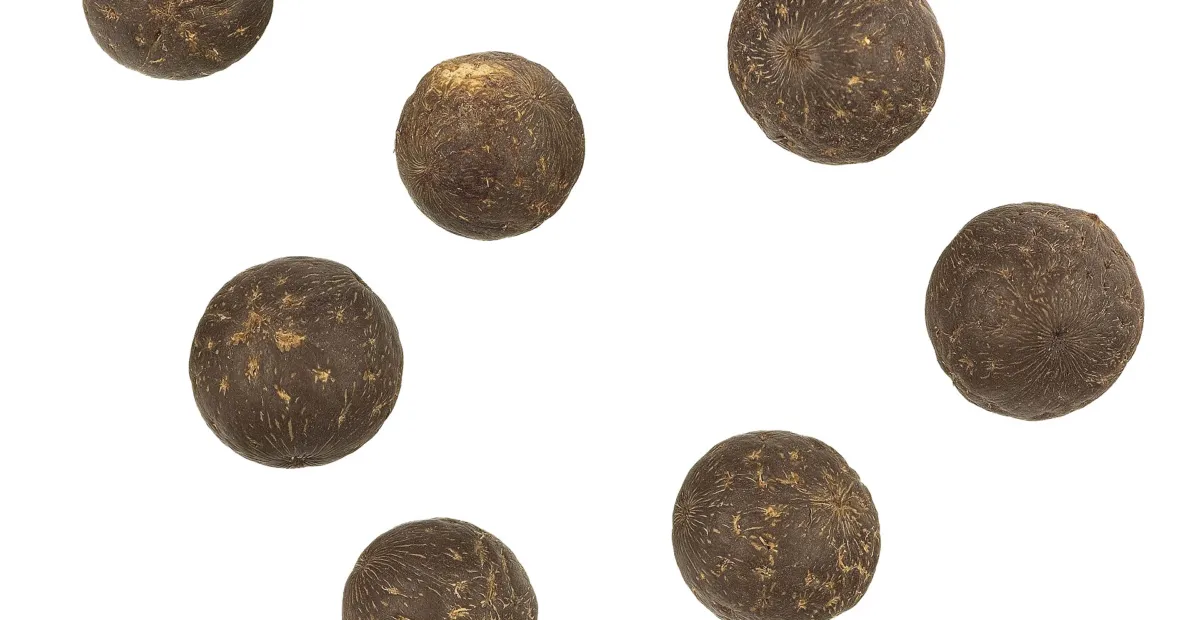
Açaí Palm is naturally associated with Amazonian floodplains, river islands, and seasonally inundated forests. It commonly forms clumps of several stems rather than growing as a solitary trunk. Its small flowers are followed by rounded purple-black fruits, and fruit dispersal can involve birds, mammals, and water. Commercial açaí pulp comes from the fruit surrounding a large seed.
Frequently asked questions (FAQ)
The most relevant questions about this plant, with short and direct answers.
🌱Quick care
What is an Açaí Palm?⌄
The Açaí Palm, Euterpe oleracea, is a tropical, clumping palm grown for its edible açaí fruit and ornamental foliage. It belongs to the Arecaceae family and naturally grows in warm, humid parts of tropical South America.
How much light does an Açaí Palm need?⌄
Give an Açaí Palm bright sun to bright filtered light. Young plants appreciate protection from harsh afternoon sun, while established palms can handle stronger light if water is consistently available.
How often should I water an Açaí Palm?⌄
Water often enough to keep the soil evenly moist, but not stagnant. Do not allow the root ball to dry completely, especially in hot weather or when the palm is grown in a container.
Is an Açaí Palm easy to grow indoors?⌄
An Açaí Palm is difficult to maintain indoors long term because it needs intense light, warmth, humidity, space, and consistently moist soil. It may survive temporarily indoors near a very bright window or under strong grow lights.
Is the Açaí Palm fast-growing?⌄
The Açaí Palm can grow quickly in warm, humid conditions with abundant moisture and nutrition. Growth is much slower when temperatures are cool, light is weak, or the root zone repeatedly dries out.
🌤️Environment and placement
What USDA zones can grow an Açaí Palm outdoors?⌄
An Açaí Palm is best suited to frost-free tropical and subtropical climates, generally USDA Zones 10–11 with reliable winter protection. It is frost tender and should be moved indoors or protected when freezing temperatures threaten.
Can an Açaí Palm tolerate full sun?⌄
Yes, an established Açaí Palm can grow in full sun when soil moisture and humidity are adequate. Provide bright filtered light or partial shade for young plants until they acclimate.
Does an Açaí Palm need high humidity?⌄
Yes, high humidity supports healthy growth and helps prevent brown leaf edges. In dry indoor air, use a humidifier and keep the palm away from heating vents and drafts.
What temperature does an Açaí Palm prefer?⌄
An Açaí Palm prefers consistently warm conditions, roughly 70–90°F during active growth. Protect it from frost, freezing temperatures, cold drafts, and prolonged exposure to temperatures near the lower 50s°F.
Can I grow an Açaí Palm in a container?⌄
Yes, an Açaí Palm can be grown in a large container for several years, especially in climates where it must be protected from cold. Container plants usually remain smaller and are unlikely to produce heavy fruit crops.
💧Care and problems
What soil is best for an Açaí Palm?⌄
Use fertile, humus-rich, moisture-retentive soil that still drains freely, with a slightly acidic reaction. A quality tropical potting mix amended with compost or other organic matter is suitable for containers.
Why are my Açaí Palm leaves turning brown?⌄
Brown leaves or tips usually indicate dry soil, low humidity, salt buildup, cold injury, or excessive sun after acclimation. Check moisture first, flush accumulated fertilizer salts, increase humidity, and protect the palm from cold.
Why are my Açaí Palm leaves turning yellow?⌄
Yellowing leaves can result from overwatering with poor drainage, nutrient deficiency, insufficient light, cold stress, or normal aging of older fronds. Inspect the roots and soil before increasing fertilizer.
Why is my Açaí Palm dropping leaves?⌄
Leaf drop commonly follows cold exposure, drought, transplant shock, low light, or root problems caused by waterlogged soil. Correct the growing conditions and remove only leaves that are fully dead.
How should I fertilize an Açaí Palm?⌄
Feed during active growth with a complete palm fertilizer that supplies micronutrients, following the product label. Avoid heavy applications because excess fertilizer can damage roots and worsen leaf-tip browning.
What pests affect Açaí Palms?⌄
Açaí Palms can be affected by common palm pests such as scale insects, mites, and borers, particularly when stressed. Inspect new leaves and leaf bases regularly and use an integrated pest-management approach appropriate for palms.
Can an Açaí Palm recover from frost damage?⌄
It may recover from light cold injury if the growing point remains alive, but frost can seriously damage or kill the palm. Wait until new growth appears before removing damaged fronds, and prevent further cold exposure.
🪴Planting and repotting
When should I plant an Açaí Palm outdoors?⌄
Plant outdoors during the warmest part of the growing season after cold weather has passed. Choose a sheltered site with bright light, fertile moist soil, and enough room for a mature clumping palm.
How do I repot an Açaí Palm?⌄
Repot when roots fill the container, moving the palm into a pot only one size larger with drainage holes. Keep the original planting depth, water thoroughly afterward, and delay fertilizing until new growth resumes.
How much space does an Açaí Palm need?⌄
Allow substantial vertical and horizontal space because the species is a tall, multi-stemmed palm that can eventually exceed 40 feet in favorable conditions. Container growth limits size but does not eliminate the need for headroom.
✂️Propagation and pruning
How do you propagate an Açaí Palm?⌄
Açaí Palms are propagated mainly from fresh seeds or basal offshoots. Seeds germinate best in warm, moist conditions, while division is most successful when a rooted side shoot can be separated without excessive root damage.
How long do Açaí Palm seeds take to germinate?⌄
Fresh Açaí Palm seeds commonly germinate in about two to four months under warm, moist conditions. Germination may be slower or unreliable if seeds dry out, become old, or are exposed to cool temperatures.
Can I grow an Açaí Palm from a store-bought açaí seed?⌄
Usually not reliably, because commercial açaí products are often cooked, frozen, processed, or dried and the seed may no longer be viable. Fresh, mature seed from a reputable propagation source is the better option.
⚠️Toxicity and safety
Is an Açaí Palm toxic to people or pets?⌄
No specific toxicity is established for the Açaí Palm, and its fruit is widely consumed when properly processed. The hard seeds are not edible and may present a choking or obstruction hazard if swallowed.
Can you eat the heart of an Açaí Palm?⌄
The growing point, or heart of palm, is edible, but harvesting it kills the individual stem. Because Açaí Palms are clumping plants, commercial production may manage stems selectively, but avoid removing the central growing point from a valuable ornamental palm.
🌸Flowering and special interest
How long does an Açaí Palm take to produce fruit?⌄
An Açaí Palm commonly begins reproductive growth after about four years, although excellent management can shorten that period. Container plants, isolated plants, cool climates, and low light may take longer or fail to fruit.
Does an Açaí Palm need another palm to produce fruit?⌄
A single Açaí Palm is technically capable of producing fruit because its flowers include both sexes, but pollination is mainly insect-mediated and flowering phases can be asynchronous. Multiple palms and active pollinators may improve fruit set.
When does an Açaí Palm flower and fruit?⌄
In tropical conditions, Açaí Palms can flower and fruit during much of the year, with flowering often increasing during rainy periods and fruit commonly maturing several months later. Timing varies with climate, water, and management.
Are açaí fruits edible from the Açaí Palm?⌄
Yes, the mature fruit is edible and widely processed into pulp, beverages, and other foods. Fresh fruit is highly perishable, so it is normally processed soon after harvest rather than eaten like a typical table berry.
Similar plants
 Date Palm (Phoenix dactylifera) care guidePhoenix dactylifera
 Nibong palm is an Asian species of palm tree in the family Arecaceae (Oncosperma tigillarium) care guideOncosperma tigillarium
 Cabbage Tree Palm (Livistona australis) care guideLivistona australis
 Palm (Oenocarpus bataua) care guideOenocarpus bataua
 Oenocarpus bacaba care guideOenocarpus bacaba
 Reclining Date Palm (Phoenix reclinata) care guidePhoenix reclinata