
 Source:
Jade pothos (Epipremnum aureum ‘Jade’) short overview
Epipremnum aureum 'Jade' is a solid-green pothos cultivar prized for glossy, heart-shaped leaves without the variegation seen in many other pothos forms. Its flexible stems can trail from a hanging basket or climb a support, making it useful for shelves, desks, and indoor trellises. Bright filtered light encourages sturdy growth, while the plant tolerates lower light. Water when the upper layer of mix begins to dry, and keep it away from pets and children because its tissues contain insoluble calcium oxalates.
Taxonomic classification
Jade pothos (Epipremnum aureum ‘Jade’) care guide
Light and placement
Place in bright filtered light, such as near an east-facing window or a few feet back from a brighter south- or west-facing window. It tolerates partial shade, but very little light can produce sparse, elongated growth. Harsh direct afternoon sun may bleach or scorch leaves, especially through glass. Rotate the pot periodically for even growth.
Watering and humidity
Water thoroughly until excess drains, then wait until the upper 1–2 inches of mix feel partly dry before watering again. Reduce frequency in winter or in dim rooms, and never leave the container standing in water. Yellowing with wet soil suggests excess moisture; limp, dry mix and curling leaves suggest drought stress.
Soil and growing medium
Use a loose, well-drained indoor potting mix amended with perlite, orchid bark, or another coarse component. A slightly acidic to neutral reaction is suitable. Avoid dense, waterlogged soil because poor aeration encourages root decline.
Feeding
Feed during spring and summer with a balanced liquid houseplant fertilizer diluted to about half the label rate every 4–6 weeks. Water first if the mix is dry. Reduce or stop feeding in low-light winter conditions, and do not fertilize a recently repotted, drought-stressed, or seriously diseased plant.
Growth and habit
This evergreen vine produces flexible stems that trail, climb, or can be trained over a support. Regularly pinching or pruning growing tips encourages branching and a fuller container. Older climbing plants may produce larger leaves, but juvenile indoor foliage is usually smaller and entire.
Planting and repotting
Plant rooted cuttings at the same depth they were growing, with the nodes just above or at the surface when appropriate. Space multiple cuttings around the pot for a fuller display. Establish in warm conditions with bright filtered light and evenly moderate moisture.
Repot in spring or when roots circle the container, water drains very slowly, or the plant becomes unstable. Move up only one pot size and retain a small amount of the existing root ball. Ensure the new container has drainage holes.
Propagation and pruning
Propagation
Propagate readily from stem cuttings containing at least one healthy node. Root cuttings in water, moist vermiculite, or a porous potting mix under warm conditions. Air-layering is also possible. Take cuttings during active growth for fastest establishment.
Pruning
Trim long or bare stems just above a node with clean scissors. Regular tip pruning encourages branching and helps maintain a compact container shape. Remove yellow, damaged, or diseased leaves promptly, and sterilize tools when moving between plants.
Overwintering
Keep indoors before temperatures approach 50°F, and protect from cold drafts, frost, and chilled windows. In winter, provide the brightest available filtered light, reduce watering as growth slows, and stop routine feeding if light levels are low.
Uses
Primarily used as an indoor ornamental foliage plant in hanging baskets, tabletop containers, shelves, and climbing displays. It can be grown outdoors year-round only in frost-free climates, where it requires careful management because the species can become invasive in some tropical regions. It is not an edible or medicinal plant.
Appearance
Leaves are glossy, leathery, heart-shaped, and uniformly dark green, without the cream, yellow, or white patterning found in variegated pothos cultivars. Green stems produce nodes and aerial roots, giving the plant a recognizable climbing-vine structure. Juvenile leaves are typically entire rather than deeply divided.
Flowering
Mature plants can produce a greenish spathe surrounding a spadix, but flowering is extremely uncommon in ordinary indoor cultivation. Plants sold as houseplants usually remain in the juvenile foliage phase, so a reliable indoor flowering season is not established.
Pollination and visitors
No dependable animal-pollination or visitor record is established for ordinary cultivated ‘Jade’ plants. Because indoor specimens very rarely flower, they should not be treated as a pollinator plant.
Epipremnum aureum 'Jade' photos
Click any photo for a larger view. Source, author and license are shown separately.
Diseases and pests
Diseases
The main risks are root and stem rots caused by persistently wet, poorly aerated media. Use a draining mix, avoid standing water, and remove badly affected roots when repotting. Leaf spotting is more likely when foliage stays wet and airflow is poor.
Pests
Watch for mealybugs, scale, thrips, and spider mites, especially on stressed plants. Inspect leaf axils and stem joints, isolate affected plants, remove small infestations with a cotton swab or gentle wash, and use a labeled houseplant treatment when necessary. Avoid overwatering, which can worsen decline and pest stress.
Toxicity and pollen
Epipremnum aureum contains insoluble calcium oxalate crystals. Chewing or swallowing leaves, stems, or sap can cause immediate mouth irritation, drooling, vomiting, and difficulty swallowing. Keep the plant inaccessible to pets and children; seek medical or veterinary advice after significant exposure or breathing difficulty.
- Pollination / pollen
- Pollen exposure is not meaningful for typical indoor specimens
The plant is rarely flowering in indoor cultivation, so airborne pollen exposure is expected to be negligible in homes. This does not mean the plant is safe to chew: its separate exposure concern is irritating insoluble calcium oxalate crystals in the tissues.
Native habitat
The species is native to tropical Pacific environments and is associated with warm, humid forest conditions where it can climb trees using aerial roots. It favors sheltered, organically rich, well-drained substrates rather than exposed cold or saturated ground.
Interesting fact
‘Jade’ is recognized horticulturally as a solid dark-green pothos form.
Pothos is usually grown in its juvenile, entire-leaved phase.
The species can climb using aerial roots when given a support.
Indoor plants rarely produce the mature inflorescences seen in nature.
Frequently asked questions (FAQ)
The most relevant questions about this plant, with short and direct answers.
🌱Quick care
What is Epipremnum aureum 'Jade' commonly called?⌄
Epipremnum aureum 'Jade' is commonly called Jade pothos. It is a solid dark-green pothos cultivar in the arum family, Araceae.
Is Jade pothos easy to care for?⌄
Yes, Jade pothos is generally easy to care for and tolerates some neglect. It grows best with bright filtered light, moderate watering, and a loose, well-drained potting mix.
How much light does Jade pothos need?⌄
Jade pothos grows best in bright filtered or indirect light but can tolerate partial shade. Protect it from intense direct afternoon sun, which can scorch the leaves.
How often should I water Jade pothos?⌄
Water Jade pothos when the upper layer of soil feels slightly dry, typically the top 1–2 inches. Water thoroughly, then let excess drain away rather than leaving the pot in standing water.
What soil is best for Jade pothos?⌄
Use a loose, well-drained indoor potting mix for Jade pothos. A mix amended with perlite or orchid bark can improve aeration and reduce the risk of soggy roots.
What temperature does Jade pothos prefer?⌄
Jade pothos prefers typical indoor temperatures and should be protected from cold drafts and frost. Keep it indoors when outdoor temperatures may approach freezing.
🌤️Environment and placement
Can Jade pothos grow in low light?⌄
Jade pothos can survive in lower light, but growth may become slower and less full. Bright filtered light usually produces stronger stems and denser foliage.
Where should I place a Jade pothos indoors?⌄
Place Jade pothos near an east- or north-facing window, or a few feet from a brighter window with filtered light. Avoid hot, direct sunlight and cold drafts.
Can Jade pothos grow in a hanging basket?⌄
Yes, Jade pothos is well suited to hanging baskets because its stems trail as they lengthen. Give the basket bright filtered light and make sure it has drainage holes.
Can Jade pothos grow outdoors?⌄
Jade pothos can grow outdoors only in warm, frost-free conditions with filtered light or partial shade. In most of the United States, it is best grown as an indoor plant and brought inside before cold weather.
Does Jade pothos need a moss pole or trellis?⌄
A moss pole, trellis, or other support is optional but useful if you want Jade pothos to climb. Without support, its stems will usually trail or cascade.
💧Care and problems
Why are Jade pothos leaves turning yellow?⌄
Yellow leaves on Jade pothos are often caused by overwatering or soil that stays wet too long. Check the roots and drainage, and wait until the upper soil layer dries slightly before watering again.
Why are my Jade pothos leaves turning brown?⌄
Brown leaf tips or edges can result from dry soil, low humidity, salt buildup, or intense sun. Check watering consistency, flush accumulated fertilizer salts, and move the plant away from harsh direct light.
Why is my Jade pothos drooping?⌄
Jade pothos may droop when the soil is too dry, although persistent drooping can also indicate waterlogged roots. Check the soil and roots before watering or changing the plant’s location.
How can I make Jade pothos grow fuller?⌄
Prune long stems just above a leaf node and provide bright filtered light to encourage fuller growth. Rooted cuttings can also be planted back into the pot to thicken the display.
How fast does Jade pothos grow?⌄
Jade pothos can grow quickly in warm indoor conditions with adequate light and water. Growth usually slows during winter, low-light periods, or when the plant is root-bound.
What pests commonly affect Jade pothos?⌄
Common Jade pothos pests include mealybugs, scale, spider mites, and fungus gnats. Inspect stems, leaf undersides, and soil regularly, especially when bringing plants indoors or buying new ones.
Should I fertilize Jade pothos?⌄
Fertilize Jade pothos lightly during active growth with a balanced houseplant fertilizer. Avoid heavy feeding, and do not fertilize dry or stressed plants because it can damage the roots.
🪴Planting and repotting
When should I repot Jade pothos?⌄
Repot Jade pothos when roots circle the pot, emerge from drainage holes, or the soil dries unusually fast. Move it into a container only one size larger with fresh, well-drained mix.
Does Jade pothos need a pot with drainage holes?⌄
Yes, Jade pothos should be grown in a pot with drainage holes. Good drainage is important because constantly wet soil can cause root rot.
Can Jade pothos grow in water?⌄
Jade pothos cuttings can root and grow in water temporarily, provided the water is changed regularly and the nodes remain submerged. For long-term growth, a well-drained potting mix usually provides better support and nutrition.
✂️Propagation and pruning
How do I propagate Jade pothos from cuttings?⌄
Cut a healthy stem just below a node, remove the lower leaf, and place the node in water or a moist, well-drained propagation medium. Keep it in bright filtered light and transplant it after roots develop.
Can I propagate Jade pothos from a leaf?⌄
A leaf without a stem node generally cannot produce a new Jade pothos plant. Use a stem section containing at least one node because the node is where new roots and shoots develop.
How do I prune Jade pothos?⌄
Use clean scissors to cut stems just above a leaf node when you want to control length or encourage branching. Remove yellow, damaged, or leafless sections as needed.
Can I grow Jade pothos from stem cuttings directly in soil?⌄
Yes, Jade pothos stem cuttings can be rooted directly in lightly moist, well-drained potting mix. Keep the node in contact with the medium and maintain even moisture without making the soil soggy.
⚠️Toxicity and safety
Is Jade pothos toxic to cats and dogs?⌄
Yes, Jade pothos is toxic if chewed or swallowed by pets because pothos contains insoluble calcium oxalates. Keep it out of reach and contact a veterinarian promptly if a pet ingests plant material.
Is Jade pothos toxic to humans?⌄
Yes, Jade pothos can cause irritation and discomfort if chewed or swallowed. Keep it away from children, and seek medical or poison-control advice after ingestion, especially if significant symptoms occur.
Can handling Jade pothos irritate skin?⌄
Handling Jade pothos is usually uncomplicated, but its sap may irritate sensitive skin. Wash your hands after pruning and avoid touching your eyes or mouth.
🌸Flowering and special interest
Does Jade pothos produce flowers indoors?⌄
Jade pothos rarely flowers in indoor conditions. It is primarily grown for its glossy foliage, and flowering is uncommon even when the plant is mature.
Similar plants
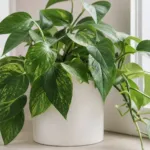 Jade Satin (Epipremnum aureum ‘Jade Satin’)Epipremnum aureum 'Jade Satin'
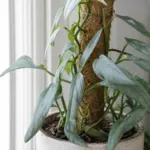 Cebu Blue (Epipremnum aureum ‘Cebu Blue’)Epipremnum aureum 'Cebu Blue'
 Global Green (Epipremnum aureum ‘Global Green’)Epipremnum aureum 'Global Green'
 Golden pothos (Epipremnum aureum ‘Golden’)Epipremnum aureum 'Golden'
 Green Queen (Epipremnum aureum ‘Green Queen’)Epipremnum aureum 'Green Queen'
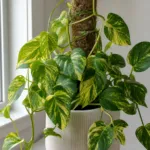 Hawaiian (Epipremnum aureum ‘Hawaiian’)Epipremnum aureum 'Hawaiian'