Yes – you can still plant spring-flowering bulbs in November, as long as the ground remains workable and you can dig without forcing a shovel into frozen soil. In much of the United States, November is not too late for hardy bulbs such as tulips, daffodils, crocuses, hyacinths, alliums, and spring-flowering iris. These plants use the cool months to establish roots and receive the winter chill they need before flowering in spring.
The timing is especially useful if autumn got away from you. Bulbs planted in November may have less time to develop roots than bulbs planted in September or October, but they can still perform beautifully. The key is to plant promptly, choose firm, healthy bulbs, and avoid waterlogged soil.
Before you plant: check your local November conditions
November means different things in different parts of the United States. In northern gardens, the soil may already be close to freezing. In the South and Pacific Northwest, gardeners may still have weeks of workable soil and mild weather ahead.
Use these simple guidelines:
- If you can dig easily: plant now rather than waiting.
- If the soil is frozen only at the surface: try to plant as soon as a mild spell softens it.
- If the ground is permanently frozen: consider planting bulbs in containers or storing the bulbs in a cool, dry place until you can plant them safely.
- If your area has mild winters: choose bulbs suited to your climate and follow the package directions, especially for chilling requirements.
In USDA Zones 3 through 7, November planting is often practical until the ground freezes. In warmer Zones 8 and 9, November can be an excellent planting month, although some tulips and other bulbs may need a period of artificial chilling before planting. Always read the bulb label for regional guidance.

Six bulbs worth planting this November
1. Daffodils: the dependable spring starter
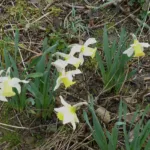
Daffodils, also called narcissus, are among the most reliable bulbs for a beginner-friendly garden. Their cheerful yellow, white, orange, or pink-centered flowers often appear early in spring, and many varieties return for years with very little fuss.
They are especially useful if squirrels or chipmunks regularly dig up your beds. Rodents generally find daffodil bulbs less appealing than tulips, although no plant is completely pest-proof.
- Best site: Full sun to light shade, with soil that drains well.
- Planting depth: Usually 6 to 8 inches deep, measured from the base of the bulb.
- Spacing: About 4 to 6 inches apart, or closer for a fuller display.
- Design idea: Plant early, midseason, and late varieties together for a longer flowering season.
Daffodils are also good candidates for naturalizing in lawns, beneath deciduous trees, or along woodland edges. Choose a loose drift rather than a perfectly straight row for a more natural look.
2. Tulips: bold color and extraordinary variety
Tulips offer some of the widest choices in color, height, flower shape, and bloom time. You can find compact tulips for containers, sturdy Darwin hybrids for perennial borders, elegant lily-flowered types, and dramatic double blooms.
Tulips are often one of the best bulbs to plant late because they can still develop roots after many other bulbs have gone in. However, late planting can make them more vulnerable to heaving from repeated freeze-and-thaw cycles, so cover the bed with a light layer of mulch once the soil has cooled.
- Best site: Full sun and sharply drained soil.
- Planting depth: Commonly 6 to 8 inches deep.
- Spacing: About 4 to 6 inches apart, depending on the variety.
- Design idea: Use one color in a large group rather than mixing a few bulbs of many colors.
For the most reliable return performance, try species tulips or Darwin hybrid tulips. Some highly bred varieties may flower spectacularly the first year but become less impressive over time. In areas with hot summers or mild winters, gardeners often treat tulips as annuals and plant fresh bulbs each fall.
3. Crocuses: tiny flowers with a big early-season effect
Crocuses are among the first flowers to brighten the garden. Their cup-shaped blooms may appear while the landscape still looks dormant, sometimes pushing through late snow in colder regions. They are technically corms rather than true bulbs, but they are planted and cared for in much the same way.
Because crocuses are small, they look best when planted generously. A handful scattered across a lawn can look accidental; several dozen planted in a loose group can create a memorable spring display.
- Best site: Full sun to partial shade, including beneath deciduous trees.
- Planting depth: About 3 to 4 inches deep.
- Spacing: Around 3 to 4 inches apart, or closer in naturalized groups.
- Design idea: Combine purple, white, and yellow forms for an informal meadow effect.
Early crocuses are especially useful under trees because they bloom before most tree canopies leaf out. Avoid planting them in areas that stay wet after rain or snowmelt.
4. Hyacinths: fragrance for paths and patios
Common hyacinths bring dense flower spikes and a powerful fragrance to spring gardens. A few bulbs near a front walk, patio, or kitchen window can perfume the air on mild spring days.
Hyacinths are excellent for formal beds and containers because their upright shape creates a neat, strong accent. Their flowers come in blue, purple, pink, white, yellow, and other shades, making it easy to coordinate them with tulips or early daffodils.
- Best site: Full sun to partial shade with good drainage.
- Planting depth: Approximately 6 inches deep.
- Spacing: About 5 to 6 inches apart.
- Design idea: Plant them where you will pass often enough to appreciate their scent.
Hyacinths may flower less densely in later years, especially in warm climates. If you want the strongest display, plant fresh, large bulbs and use older plantings in less prominent spots.
5. Alliums: architectural flowers that bridge spring and summer
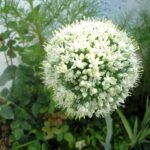
Alliums are members of the onion family and are valued for their tall stems and rounded flower heads. Depending on the variety, the blooms can be small and delicate or as large as a softball. Purple is the classic color, but white, pink, yellow, and blue forms are also available.
Unlike many early bulbs, alliums often bloom in late spring or early summer. Their timing helps carry the garden forward after tulips and daffodils begin to fade.
- Best site: Full sun with well-drained soil.
- Planting depth: Often 4 to 8 inches, depending on bulb size.
- Spacing: Follow the label; large varieties may need 8 to 12 inches.
- Design idea: Plant alliums among ornamental grasses, peonies, roses, or emerging perennials.
Leave the dried flower heads in place after bloom if you enjoy their sculptural appearance. They can add interest well into summer and may provide useful structure in the border.
6. Spring-flowering iris: jewel-like color at the edge of winter
Small spring-flowering iris, including reticulated iris, produce refined flowers in shades of blue, purple, yellow, and white. They bloom early, often around the same time as crocuses, but their markings and narrow foliage give them a more intricate appearance.
These compact bulbs are ideal for rock gardens, edging, raised beds, and containers. They also work well at the front of a border where taller bulbs will not hide them.
- Best site: Full sun and gritty, fast-draining soil.
- Planting depth: Usually 3 to 4 inches deep.
- Spacing: About 3 to 4 inches apart.
- Design idea: Pair blue iris with golden crocuses or low-growing ground covers.
Good drainage matters particularly with small iris. If your garden has heavy clay, plant them in a raised bed, on a slope, or in a container where excess water can escape.
A simple November planting method
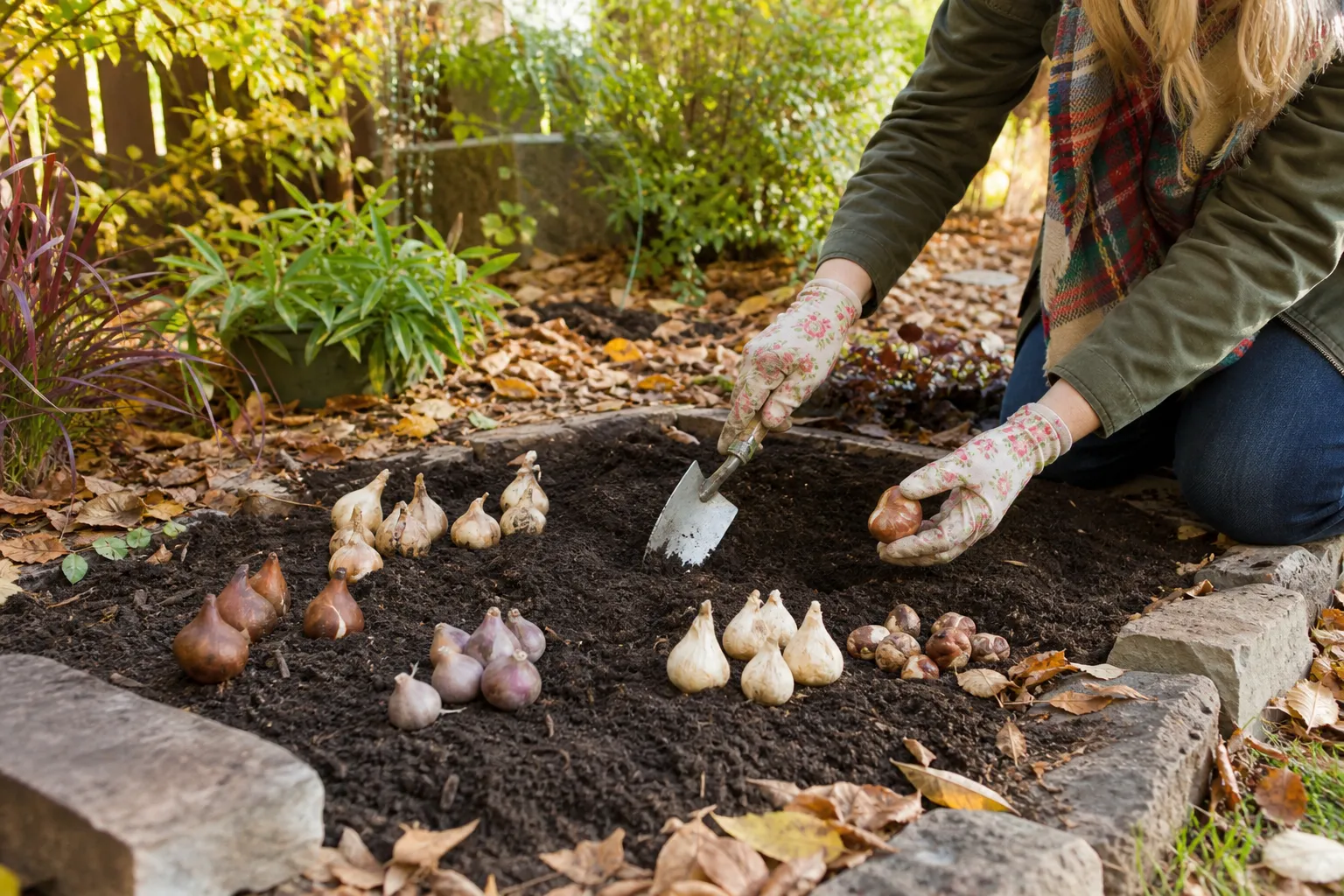
Most spring bulbs are easy to plant, but a few details make a major difference. Start by choosing a location that receives at least six hours of sun during the growing season, unless the bulb label recommends partial shade.
- Prepare the soil. Loosen the planting area to the recommended depth and remove large stones or compacted clumps. Mix in compost if the soil is poor, but avoid creating a rich, water-holding pocket around each bulb.
- Check drainage. After a rain, water should not remain pooled for hours. Constantly wet soil can cause bulbs to rot.
- Plant at the correct depth. A useful general rule is to plant bulbs two to three times as deep as the bulb is tall, although the package instructions should take priority.
- Point the bulb correctly. Place the pointed growing tip upward and the flatter root plate downward. If a bulb lands sideways, it can often correct itself, but planting it properly gives it the easiest start.
- Water once. Water thoroughly after planting to settle the soil and encourage root growth.
- Mulch lightly. Add about 2 inches of shredded leaves, bark, or another loose mulch after the soil has cooled. Avoid burying the bed under a thick, soggy layer.
How much water do newly planted bulbs need?
Bulbs need moisture to produce roots, but more water is not better. After planting, apply enough water to moisten the soil to the depth of the bulbs. In a typical garden bed, that may mean roughly 1 inch of water from rain or irrigation, but the real test is the soil rather than the number.
Check the bed about 2 inches below the surface. If the soil feels lightly moist, wait. If it feels dry and your area has had little rain, water again slowly. In a November planting trial, a practical target is one thorough watering at planting, followed by about 1 inch per week only during extended dry weather and while the soil remains unfrozen.
Stop routine watering once the ground freezes. In warm-winter areas, continue monitoring the soil, but water only when it is dry and drainage is excellent. Soggy soil combined with cool temperatures is far more dangerous than a short dry spell.
What to do if pests are a problem
Squirrels and chipmunks often target freshly planted tulips and crocuses. If they are common in your yard, lay hardware cloth or chicken wire over the planting area and secure it with landscape staples. Remove or reposition the covering before shoots become tall enough to catch in it.
You can also emphasize daffodils, alliums, and other bulbs that rodents tend to avoid. No strategy is perfect, but choosing less tempting plants and protecting new beds usually reduces losses.
The most important spring lesson: let the foliage fade
After flowering, remove spent blooms if you want to prevent seed production, but leave the green leaves in place. The foliage uses sunlight to replenish the bulb for the following year.
Wait until the leaves turn yellow and pull away easily before cutting them down. It may look untidy for a few weeks, so plant bulbs among perennials or ornamental grasses that can hide the fading foliage later in spring.
Your November bulb checklist
- Choose firm bulbs without soft spots, mold, or severe damage.
- Plant as soon as possible while the ground remains workable.
- Use full sun or light shade according to the variety.
- Prioritize well-drained soil over rich soil.
- Plant in groups rather than isolated singles.
- Water thoroughly once, then avoid routine overwatering.
- Add a light mulch layer after planting.
- Mark the planting areas so you do not disturb them later.
November may be the end of the traditional bulb-planting window in some regions, but it is not automatically too late. Choose the right bulbs for your climate, get them into the soil before it freezes solid, and give them the drainage and moisture they need. A little effort now can bring crocuses at winter’s edge, tulips and daffodils in spring, and alliums soon after – proof that a garden planned in November can still have a long, colorful season ahead.