
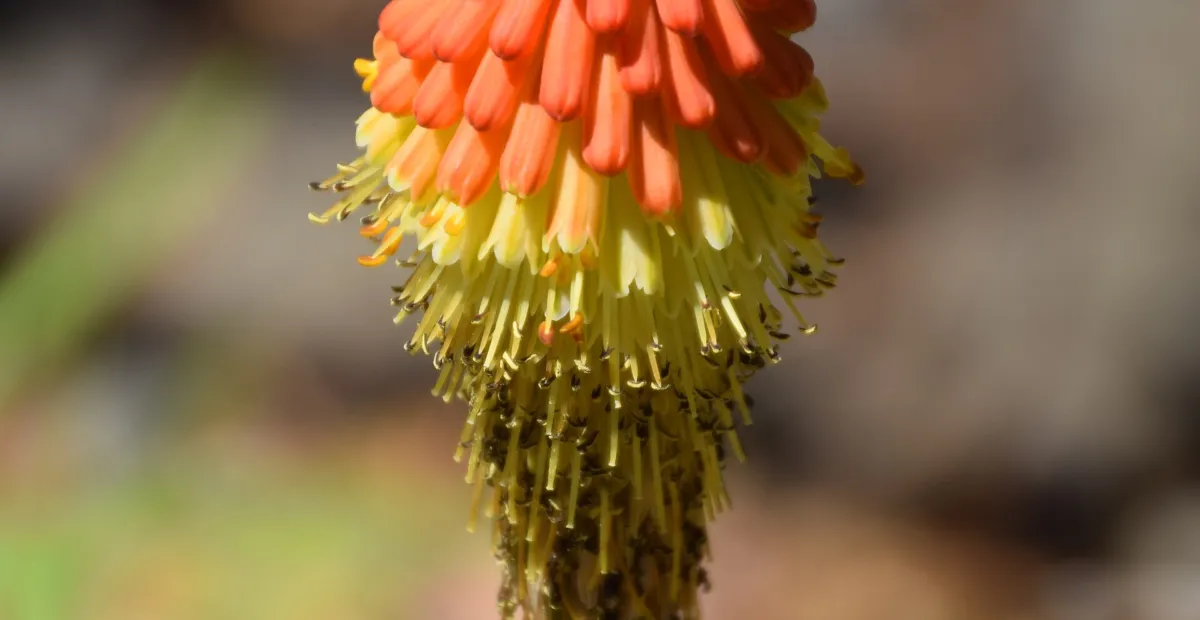
 Source:
Winter Poker (Kniphofia rooperi) short overview
Winter Poker (Kniphofia rooperi) is a robust evergreen perennial from damp coastal grasslands of southeastern South Africa. It forms an architectural clump of keeled, arching leaves and rounded flower heads that open from fiery red-orange buds into orange, yellow, and greenish flowers. In the United States, grow it in full sun, fertile but well-drained soil, and protect it from severe winter cold and prolonged wet.
Taxonomic classification
Winter Poker (Kniphofia rooperi) care guide
Light and placement
Give full sun, ideally at least 6 hours of direct light daily, with open southern or western exposure. Strong light supports sturdy stems and better flowering. Too little light produces floppy foliage and fewer flower heads; intense reflected heat combined with drought can scorch leaf tips, so provide consistent moisture during hot weather.
Watering and humidity
Water deeply when the upper several inches of soil begin to dry, then allow excess water to drain. Keep plants more evenly moist while establishing and during active summer growth, but reduce irrigation in cool weather. The crown tolerates moisture better than many red hot pokers, yet persistent winter saturation remains risky.
Soil and growing medium
Use fertile, humus-enriched soil that drains freely but does not become bone-dry for long periods. A loam amended with compost is suitable. Although the species occurs in damp coastal grassland, garden crowns should not sit in stagnant winter water. Slightly acidic to neutral soil is a practical target.
Feeding
Apply a balanced slow-release perennial fertilizer in spring as growth resumes, or top-dress with compost. Avoid heavy nitrogen feeding, which can produce lush foliage at the expense of sturdy flowering. Do not fertilize drought-stressed, newly divided, or dormant plants.
Growth and habit
This species develops a persistent, clumping crown and remains evergreen in mild climates. It is more substantial and moisture-tolerant than many dryland red hot pokers, but flowering and vigor decline if the crown is kept excessively dry or shaded. Remove aging leaves from the base to keep the clump open and healthy.
Planting and repotting
Plant in spring after the soil has warmed and the risk of severe winter wet has eased. Set the crown at soil level rather than burying it deeply. Space plants about 24–30 inches apart to allow the evergreen clump and flower stems to develop without crowding.
Repot container-grown plants in spring when active growth begins, or divide and refresh the container every few years when the clump becomes crowded. Use a heavy, stable pot with a drainage hole and a free-draining perennial mix.
Propagation and pruning
Propagation
Propagate by seed or division. Divide established clumps in spring or at the end of the growing season, keeping viable crown pieces with roots attached. Seed-grown plants may vary and generally take longer to reach flowering size.
Pruning
Cut spent flower stems to the base after flowering if seed production is not desired. Remove dead or damaged leaves as needed, preferably in mid-spring or during active growth. Do not cut healthy evergreen foliage unnecessarily before winter.
Overwintering
In USDA Zone 7 and colder or exposed sites, mulch lightly around—not over—the crown after the ground cools. Tie or shelter foliage from harsh wind and improve winter drainage. Container plants are more vulnerable and should be moved to a bright, cool, protected location before hard freezes.
Uses
Use as a bold late-season accent in sunny perennial borders, mixed beds, large containers, and naturalistic plantings. The durable flower stems can be used as cut flowers. It is ornamental rather than a documented food or medicinal plant.
Appearance
The plant forms a strong evergreen rosette of long, arching, angled leaves with conspicuous keels and sometimes finely toothed margins. Leafless stems carry compact, rounded heads rather than narrow spikes. The red-orange-to-yellow color transition and rounded inflorescence help distinguish it from many common red hot pokers.
Flowering
Dense, rounded flower heads rise on leafless stems. Buds are typically red-orange or flame-colored and open progressively through orange, yellow, and greenish tones. In the United States, flowering is usually late summer into fall, although climate and location can shift the season.
Pollination and visitors
The tubular flowers provide nectar and are visited by bees; broader red-hot-poker pollination can also involve other nectar-seeking animals, but a species-specific visitor list for K. rooperi is limited. This plant should not be promoted as a specialist host plant.
Kniphofia rooperi photos
Click any photo for a larger view. Source, author and license are shown separately.
Diseases and pests
Diseases
Usually trouble-free when planted in sun with good drainage. Crown or root rot is the main concern in persistently waterlogged soil. Remove decaying foliage, improve drainage, and avoid burying the crown. Good air circulation helps reduce foliar spotting and decline.
Pests
Kniphofia generally has few serious pests. Watch for aphids on flower stems and foliage, slugs or snails on young growth, and occasional thrips or gall-forming pests. Encourage airflow, remove badly damaged tissue, and use targeted controls only when monitoring shows a real problem.
Toxicity and pollen
Reliable species-specific toxicity evidence for humans, dogs, cats, and children was not located in the reviewed authoritative sources. Do not eat the plant. Keep plant material away from children and pets, and seek professional advice after ingestion or a significant exposure.
- Typical season
- Late summer through fall where it flowers in the United States
- Pollination / pollen
- Insect-dispersed pollen, not typically released in large airborne clouds
As an insect-pollinated perennial with flowers that retain pollen within the floral structure, it is expected to contribute less airborne pollen than wind-pollinated trees and grasses. Species-specific clinical allergy data were not found, so sensitive individuals should still avoid handling flowers if symptoms occur.
Native habitat
Native to damp coastal grasslands and marshy habitats along southeastern South Africa, from the Eastern Cape toward KwaZulu-Natal, generally at low elevations. It grows in warm, frost-limited climates with seasonal moisture and grassy competition.
Interesting fact
The species is named for Edward Rooper, an English soldier and flower painter. Its dense flower head is rounded rather than the elongated spike seen in many other red hot pokers. The flowers change color as individual tubular blooms open from the bottom upward.
Frequently asked questions (FAQ)
The most relevant questions about this plant, with short and direct answers.
🌱Quick care
What is Winter Poker (Kniphofia rooperi)?⌄
Winter Poker is an evergreen, clump-forming perennial in the Asphodelaceae family and a member of the Red Hot Poker group. It is native to southern Africa and is grown for its upright orange-and-yellow flower spikes.
How much sun does Kniphofia rooperi need?⌄
Kniphofia rooperi needs full sun for the strongest growth and flowering. Choose a location with at least 6 hours of direct sunlight daily.
How often should I water Winter Poker?⌄
Water Winter Poker moderately, keeping the soil reasonably moist while it establishes. Once established, water during prolonged dry periods but avoid consistently soggy soil.
What type of soil is best for Kniphofia rooperi?⌄
Kniphofia rooperi grows best in fertile, well-drained loam with moderate moisture. Improve heavy or poorly drained soil before planting because winter wet can cause root problems.
Is Winter Poker evergreen?⌄
Yes, Winter Poker is generally evergreen, especially in mild climates. Remove only dead, damaged, or untidy leaves in spring rather than cutting the entire plant to the ground.
🌤️Environment and placement
What USDA hardiness zone is Kniphofia rooperi?⌄
Kniphofia rooperi is generally treated as a USDA Zone 7 or warmer perennial, although survival depends on drainage, exposure, and local winter conditions. Provide protection in colder or wet regions.
Where should I plant Winter Poker in the garden?⌄
Plant Winter Poker in a sunny, sheltered location with fertile, well-drained soil. A warm border near a wall can reduce exposure to cold winter winds.
Can Kniphofia rooperi grow in partial shade?⌄
Kniphofia rooperi may survive in light shade, but full sun is better for compact growth and reliable flowering. Deep shade commonly reduces bloom production.
Can Winter Poker tolerate wet soil?⌄
Winter Poker does not tolerate prolonged wet or waterlogged soil well, particularly during cold weather. Use raised beds, coarse organic amendments, or another well-drained planting site if necessary.
Can Kniphofia rooperi grow in a container?⌄
Kniphofia rooperi can grow in a large container if the pot has excellent drainage and enough room for its substantial root system. Container plants need more frequent watering in summer and extra winter protection.
💧Care and problems
How do I care for Winter Poker in winter?⌄
Protect Winter Poker from severe frost and winter wet by growing it in well-drained soil and placing it in a sheltered site. In colder areas, use a dry mulch around the crown without burying the central growth.
Why is my Kniphofia rooperi not flowering?⌄
The most common causes are insufficient sunlight, excessive winter moisture, young age, or a congested clump. Move or improve the planting site if needed, and allow recently divided plants time to reestablish.
Why are the leaves of Winter Poker turning brown?⌄
Brown leaves can result from drought, frost damage, strong wind, or root stress caused by poor drainage. Check soil moisture and drainage, then remove only leaves that are fully dead.
Does Winter Poker need fertilizer?⌄
Winter Poker usually needs little fertilizer when grown in fertile soil. Apply a light, balanced feeding in spring only if growth is weak or the soil is demonstrably poor.
What pests attack Kniphofia rooperi?⌄
Slugs and snails may damage young foliage or flower spikes, while aphids can cluster on emerging blooms. Inspect the plant regularly and use a control method appropriate for your garden and local regulations.
What diseases affect Winter Poker?⌄
Root and crown rots are the main concerns when Winter Poker is planted in poorly drained soil. Good drainage, careful watering, and avoiding contaminated planting areas help reduce the risk.
🪴Planting and repotting
When is the best time to plant Kniphofia rooperi?⌄
Plant Kniphofia rooperi in spring after the soil begins warming and severe frost has passed. Spring planting gives the roots a longer period to establish before winter.
How deep should I plant Winter Poker?⌄
Plant Winter Poker at the same depth it was growing in its nursery container, keeping the crown at or just above soil level. Planting the crown too deeply increases the risk of rot.
How far apart should I plant Kniphofia rooperi?⌄
Space Kniphofia rooperi about 24 to 36 inches apart, adjusting for the mature clump size and the cultivar or plant source. Good spacing improves airflow and leaves room for the clump to expand.
Can I grow Winter Poker from seed?⌄
Yes, Winter Poker can be grown from seed, but seedlings may take several years to flower and may not exactly match the parent plant. Fresh seed and consistent moisture during germination improve results.
✂️Propagation and pruning
How do I propagate Kniphofia rooperi?⌄
The most reliable method is dividing established clumps in spring. Separate healthy sections with roots and growing points, then replant them promptly at the original depth.
When should I divide Winter Poker?⌄
Divide Winter Poker in spring as new growth begins. Division can temporarily reduce flowering, but the new sections usually establish more quickly than seedlings.
Should I deadhead Kniphofia rooperi?⌄
Deadhead Kniphofia rooperi after flowering to improve its appearance and prevent energy from going into seed production. Leave a few flower heads if you want to collect seed.
How should I prune Winter Poker?⌄
Prune Winter Poker in spring by removing dead or damaged leaves at the base. Avoid cutting healthy evergreen foliage unnecessarily, and use gloves because the leaves can have sharp edges.
⚠️Toxicity and safety
Is Kniphofia rooperi toxic to dogs or cats?⌄
Species-specific toxicity information for Kniphofia rooperi is limited, but the ASPCA lists Torch Lily, or Kniphofia, as non-toxic to dogs, cats, and horses. Prevent pets from eating large amounts of any ornamental plant and contact a veterinarian if symptoms occur.
Is Winter Poker safe for people?⌄
The human safety profile of Kniphofia rooperi is not well documented, so do not eat any part of the plant. Wear gloves when handling foliage because the leaf margins can be sharp.
🌸Flowering and special interest
When does Winter Poker bloom?⌄
Winter Poker is a late-season Kniphofia that typically flowers from late summer into fall, with timing varying by climate. In mild conditions, flowering may extend later than in colder areas.
What color are Kniphofia rooperi flowers?⌄
Kniphofia rooperi produces dense, upright flower spikes with orange to reddish upper flowers and yellow lower flowers. The two-tone effect is one of its main ornamental features.
How tall does Winter Poker get?⌄
Winter Poker can reach roughly 3 to 4 feet tall when in flower, although size varies with growing conditions and plant source. Its foliage forms a lower clump beneath the taller flower stems.
Does Winter Poker attract pollinators?⌄
Yes, the tubular flowers of Winter Poker can provide nectar for hummingbirds and insect pollinators. Plant it in full sun with other long-blooming flowers to create a more useful pollinator planting.
Similar plants
 Fascinator (Maranta leuconeura ‘Fascinator’)Maranta leuconeura 'Fascinator'
 Snow Queen (Epipremnum aureum ‘Snow Queen’)Epipremnum aureum 'Snow Queen'
 Marble Queen pothos (Epipremnum aureum ‘Marble Queen’)Epipremnum aureum 'Marble Queen'
 Prayer plant (Maranta leuconeura ‘Kerchoveana’)Maranta leuconeura 'Kerchoveana'
 N Joy (Epipremnum aureum ‘N Joy’)Epipremnum aureum 'N Joy'
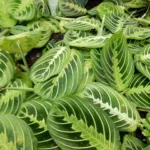 Lemon Lime prayer plant (Maranta leuconeura ‘Lemon Lime’)Maranta leuconeura 'Lemon Lime'