
 Source:
Fascinator (Maranta leuconeura ‘Fascinator’) short overview
Maranta leuconeura 'Fascinator' is a compact tropical prayer plant valued for dark green leaves marked by vivid red veins and yellow-green central patterns. Its leaves fold upward in response to changing light, creating the characteristic “praying” movement. Grow it indoors in bright, filtered light with consistently moist but well-drained soil, warm temperatures, and moderate to high humidity. Protect it from direct midday sun, cold drafts, and prolonged dryness.
Taxonomic classification
Fascinator (Maranta leuconeura ‘Fascinator’) care guide
Light and placement
Provide bright filtered light or gentle partial shade. An east- or north-facing window is often suitable; use a sheer curtain near stronger south- or west-facing exposure. Bleached patches, crisp margins, or curling leaves can indicate excessive light or dryness. Small leaves, weak color, and stretched growth suggest insufficient light.
Watering and humidity
Water when the surface begins to dry but before the root ball becomes fully dry. Soak thoroughly, then let excess water drain completely; never leave the pot standing in water. Use room-temperature water, and reduce frequency slightly in cool, low-light winter conditions without allowing prolonged drought. Humidity is addressed separately.
Soil and growing medium
Use a loose, moisture-retentive but well-drained mix based on peat or coco coir with fine bark and perlite. A slightly acidic to neutral reaction is suitable. Avoid dense, waterlogged soil because rhizomes and fine roots can deteriorate when air is excluded.
Feeding
Feed during active growth every 4–6 weeks with a complete liquid houseplant fertilizer diluted to half the label rate. Apply to already-moistened soil to reduce root stress. Reduce or pause feeding during slow winter growth, especially in low light or cool rooms.
Growth and habit
This plant forms a low, spreading clump from short rhizomes and produces successive leafy shoots. Growth is strongest in warm, humid conditions with steady moisture. Rotate the container periodically for even development, and remove declining leaves at the base to keep the clump open and tidy.
Planting and repotting
Plant or pot up during the warm growing season. Set the crown at its previous depth rather than burying it deeply. Leave enough room for the clump to spread, and water thoroughly after planting so the mix settles around the roots.
Repot in spring or when roots fill the container, moving up only one pot size. Handle the shallow rhizomes gently and keep the new mix evenly moist while the plant re-establishes. Ensure the container has drainage holes.
Propagation and pruning
Propagation
Division is the practical method: separate a healthy rhizomatous clump during repotting, ensuring each division has roots and several growing points. Keep divisions warm, humid, and evenly moist until new growth resumes. Seed propagation is not normally used for preserving this cultivar.
Pruning
Remove yellow, damaged, or fully dead leaves at the base with clean scissors. Trim only the affected tissue when possible. Light shaping is acceptable, but avoid removing large amounts of healthy foliage at once because recovery can be slow after stress.
Overwintering
Keep indoors before temperatures fall below about 60°F, and protect from cold windows, drafts, and heating vents. Maintain bright filtered light and moderate humidity through winter. Growth may slow, so water and fertilize less frequently while avoiding complete drying.
Uses
Primarily used as an indoor ornamental foliage plant in containers, terrariums with adequate ventilation, offices, and warm conservatories. Its compact clumping habit suits shelves and plant stands. It has no well-supported culinary or medicinal use for this cultivar.
Appearance
Leaves are elliptic to ovate, dark green, and patterned with vivid red veins radiating from the midrib toward the margins. Yellow-green markings along the midrib add contrast, while the lower surfaces may show reddish to burgundy tones. The plant forms a low clump with flexible leaf stalks and visible day-night leaf movement.
Flowering
Small tubular white flowers may appear intermittently throughout the year, especially on mature, well-maintained plants. Indoor flowering is irregular and is not the primary ornamental feature of this cultivar.
Pollination and visitors
No dependable cultivar-specific documentation was found for animal pollinators or regular flower visitors. Indoor flowers are intermittent and are usually ornamental rather than an important documented wildlife resource.
Diseases and pests
Diseases
Prevent leaf spot and root problems with good air circulation, clean tools, moderate watering, and foliage that dries before night. Remove badly affected leaves. Persistent wet soil, poor drainage, or overhead watering can encourage fungal or bacterial spotting and root rot.
Pests
Inspect regularly for spider mites, mealybugs, scale, and thrips, especially during dry indoor conditions. Isolate affected plants, wash foliage gently, and use insecticidal soap or another labeled indoor treatment according to directions. Improve humidity and avoid stressed, dusty foliage.
Toxicity and pollen
Reliable references commonly classify prayer plants and Maranta leuconeura as non-toxic to dogs and cats. Cultivar-specific human toxicity evidence is limited; normal plant-handling precautions still apply because chewing foliage can cause minor mechanical or gastrointestinal irritation in some individuals.
- Pollination / pollen
- Flower pollen; airborne relevance not established
The plant is an angiosperm and can produce pollen when it flowers, but reliable evidence quantifying airborne pollen release or allergy risk for this cultivar is lacking. Flowers are small and intermittent, so the practical indoor airborne exposure is uncertain rather than demonstrably absent.
Native habitat
Maranta leuconeura is associated with warm, humid tropical forest environments in Brazil, where filtered light, organic soils, and regular moisture are typical. The cultivar is maintained through horticulture rather than treated as a separate naturally occurring wild population.
Interesting fact
The leaves move between more horizontal daytime positions and raised nighttime positions.
The cultivar is widely associated with red-veined prayer-plant foliage.
Its underground rhizomes store resources and support clump formation.
Small white flowers can appear intermittently under good indoor care.
Frequently asked questions (FAQ)
The most relevant questions about this plant, with short and direct answers.
🌱Quick care
How do you care for Maranta leuconeura 'Fascinator'?⌄
Give it bright filtered light, evenly moist soil, warm temperatures, and moderate to high humidity. Protect it from direct sun, cold drafts, and waterlogged soil.
Is Maranta leuconeura 'Fascinator' easy to grow indoors?⌄
Maranta leuconeura 'Fascinator' is moderately easy indoors when moisture, humidity, and light remain consistent. It can react quickly to dry soil, low humidity, or harsh sunlight.
How often should I water Maranta leuconeura 'Fascinator'?⌄
Water when the surface begins to dry, keeping the potting mix evenly moist but not saturated. The exact interval depends on light, temperature, pot size, and indoor humidity.
🌤️Environment and placement
How much light does Maranta leuconeura 'Fascinator' need?⌄
Place it in bright filtered light or partial shade. Avoid prolonged direct sunlight, which can bleach or scorch the leaves.
Can Maranta leuconeura 'Fascinator' grow in low light?⌄
It can tolerate lower light, but growth may slow and the leaf markings may become less pronounced. Choose the brightest indirect location available without exposing it to intense sun.
What window is best for Maranta leuconeura 'Fascinator'?⌄
An east- or north-facing window is often suitable, while a bright south- or west-facing window usually needs a sheer curtain. Keep the plant out of hot afternoon sun.
Does Maranta leuconeura 'Fascinator' need high humidity?⌄
It grows best with moderate to high humidity, especially in dry homes. Keep it away from heating vents and consider a humidifier or grouping plants rather than relying on occasional misting.
What temperature is best for Maranta leuconeura 'Fascinator'?⌄
Keep it in a warm indoor location, ideally around 65–80°F. Protect it from cold drafts and temperatures below about 60°F.
Can Maranta leuconeura 'Fascinator' live outside in the United States?⌄
It can be placed outdoors in warm, frost-free weather in bright shade, but it is not frost-hardy. Bring it indoors before temperatures approach 60°F or before cold weather arrives.
💧Care and problems
Why are the leaves of my Maranta leuconeura 'Fascinator' curling?⌄
Curling leaves commonly indicate dry soil, low humidity, excessive light, or cold stress. Check the root-zone moisture and location before changing the watering routine.
Why are the leaves of my Maranta leuconeura 'Fascinator' turning brown?⌄
Brown tips or edges are often associated with dry conditions, inconsistent watering, mineral buildup, or direct sun. Keep moisture steady, increase ambient humidity, and avoid harsh light.
Why is my Maranta leuconeura 'Fascinator' turning yellow?⌄
Yellow leaves may result from overwatering, poor drainage, prolonged dryness, or natural aging of older foliage. Check whether the soil stays soggy and inspect the roots if yellowing is widespread.
Why is my Maranta leuconeura 'Fascinator' drooping?⌄
Drooping usually reflects dry soil, cold exposure, root problems, or sudden environmental change. Feel the soil first, then check drainage and move the plant away from drafts.
Why does my Maranta leuconeura 'Fascinator' move its leaves at night?⌄
The leaves naturally rise and fold as light levels change, a movement commonly associated with prayer plants. This is normal unless the leaves remain tightly curled or the plant also shows stress symptoms.
Why is my Maranta leuconeura 'Fascinator' not growing?⌄
Slow growth is commonly caused by insufficient light, cool temperatures, dry soil, low humidity, or depleted potting mix. Provide bright filtered light and consistent moisture during the growing season.
What pests attack Maranta leuconeura 'Fascinator'?⌄
Spider mites, mealybugs, scale, thrips, and whiteflies can affect it indoors. Regularly inspect leaf undersides and new growth, and isolate the plant if pests appear.
Can I use tap water for Maranta leuconeura 'Fascinator'?⌄
It may tolerate tap water, but sensitive plants can develop brown edges from salts or minerals in some water supplies. If symptoms persist, use filtered, rain, or distilled water and flush the pot occasionally.
🪴Planting and repotting
What soil is best for Maranta leuconeura 'Fascinator'?⌄
Use a loose, humus-rich mix that retains moisture while draining freely. A quality houseplant mix amended with materials such as fine bark or perlite can provide the needed balance.
Does Maranta leuconeura 'Fascinator' need a pot with drainage holes?⌄
Yes, use a container with drainage holes to reduce the risk of root rot. Do not allow the pot to sit in standing water after watering.
When should I repot Maranta leuconeura 'Fascinator'?⌄
Repot in spring when roots fill the container, growth has stalled, or the mix has compacted. Move it only one pot size larger and water it well after repotting.
How often should I repot Maranta leuconeura 'Fascinator'?⌄
Repotting is usually needed every few years rather than annually, unless the plant is root-bound or the soil has deteriorated. Refreshing part of the mix can be enough between full repotting sessions.
✂️Propagation and pruning
How do you propagate Maranta leuconeura 'Fascinator'?⌄
The most reliable method is dividing the plant’s rooted clumps during repotting. Each division should retain healthy roots and several stems or leaves.
Can Maranta leuconeura 'Fascinator' grow from stem cuttings?⌄
Yes, stem cuttings with a node can root in water or a moist propagation medium, although division is generally the more dependable method. Keep cuttings warm, humid, and in bright indirect light.
Should I prune Maranta leuconeura 'Fascinator'?⌄
Routine pruning is not required, but remove yellow, damaged, or fully dead leaves at the base with clean scissors. Trimming can also improve the plant’s appearance and encourage a fuller shape.
⚠️Toxicity and safety
Is Maranta leuconeura 'Fascinator' toxic to cats and dogs?⌄
Maranta leuconeura 'Fascinator' is generally regarded as non-toxic to cats and dogs. Even non-toxic plants can cause mild stomach upset if a pet eats a large amount.
Is Maranta leuconeura 'Fascinator' safe for children?⌄
It is generally considered non-toxic, but children should not be encouraged to chew houseplants. Contact a medical professional or poison-control service if a child consumes an unknown amount.
🌸Flowering and special interest
Does Maranta leuconeura 'Fascinator' produce flowers?⌄
Yes, it can produce small flowers, usually white and sometimes described as lightly colored, although it is primarily grown for its patterned foliage. Flowering may occur intermittently when conditions are favorable.
Why is my Maranta leuconeura 'Fascinator' not flowering?⌄
Lack of flowers is not usually a problem because indoor plants may flower irregularly. Adequate filtered light, warm temperatures, steady moisture, and active growth can improve the chance of blooming.
Similar plants
 Glacier (Epipremnum aureum ‘Glacier’)Epipremnum aureum 'Glacier'
 Marble Queen pothos (Epipremnum aureum ‘Marble Queen’)Epipremnum aureum 'Marble Queen'
 Manjula (Epipremnum aureum ‘Manjula’)Epipremnum aureum 'Manjula'
 Golden pothos (Epipremnum aureum ‘Golden’)Epipremnum aureum 'Golden'
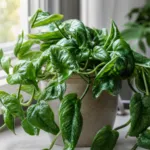 Shangri la (Epipremnum aureum ‘Shangri la’)Epipremnum aureum 'Shangri la'
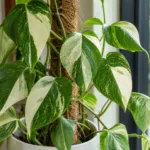 Exotica (Epipremnum aureum ‘Exotica’)Epipremnum aureum 'Exotica'