
 Source:
Red Hot Poker (Kniphofia uvaria) short overview
Red Hot Poker (Kniphofia uvaria) is a striking clump-forming perennial from South Africa, valued for its upright spikes of tubular flowers that shift from fiery red or orange buds to yellow blooms. Blue-green, strap-shaped leaves form a bold architectural tuft, while the flower stems rise above the foliage in early to midsummer in many U.S. gardens. Plant it in full sun, fertile but sharply drained soil, and protect crowns from winter wet and severe cold.
Taxonomic classification
Red Hot Poker (Kniphofia uvaria) care guide
Light and placement
Give full sun, ideally six or more hours daily, with the strongest light from a south- or west-facing exposure. Shelter tall flower stems from persistent wind. Too little light produces weak, floppy growth and fewer flower spikes; excessive heat is usually tolerated if roots remain evenly watered and the soil drains well.
Watering and humidity
Water deeply when the top inch of soil begins to dry during establishment and active growth. Mature plants prefer moderate, fairly even moisture but tolerate brief dry spells. Reduce watering in cool weather and winter, especially in heavy soil, while preventing newly planted crowns from drying completely. Average outdoor humidity is adequate.
Soil and growing medium
Use fertile, humus-enriched soil that drains freely after rain. A loam amended with compost is suitable, but avoid heavy clay or sites where water remains around the crown in winter. Soil may range from slightly acidic to slightly alkaline; structure and drainage are more important than exact pH.
Feeding
Top-dress with compost in spring. If growth is weak, apply a balanced slow-release fertilizer at label rate as growth begins, or use a dilute liquid feed during active growth. Do not overfeed with high nitrogen, and avoid fertilizing dry, drought-stressed, newly divided, or dormant plants.
Growth and habit
This rhizomatous perennial forms a slowly enlarging basal clump. Flower scapes rise above the foliage and may become top-heavy in exposed sites, so sheltered placement helps. Established clumps prefer not to be disturbed frequently, although division is useful when congestion reduces vigor or available space.
Planting and repotting
Plant in spring after the soil can be worked, or in early fall where winters are moderate. Set the crown at soil level rather than burying it deeply. Space plants about 24–36 inches apart, allowing room for the mature clump and good air circulation. Water consistently during establishment.
Repot container plants in spring when roots fill the pot. Use a sturdy, deep container with drainage holes and a free-draining potting mix. Handle the crown gently, replant at the original depth, and water thoroughly while the plant re-establishes.
Propagation and pruning
Propagation
Sow fresh seed in spring, or in fall where winters are mild. Large established clumps can be divided in spring or early fall with a sharp spade, keeping rooted crown sections intact. Water divisions well until new growth resumes.
Pruning
Cut flower stems to the base after flowering to prevent untidy seed development and direct energy toward the crown. Leave healthy foliage in place through winter in colder areas, tying it loosely over the crown if needed. Remove dead or damaged leaves in late winter or early spring.
Overwintering
In USDA Zones 5–6, mulch around but not over the crown after the ground cools. In wet-winter areas, tie foliage loosely to shed rain from the crown and keep soil well drained. Container plants are more cold-exposed; move them to a sheltered, cool location or insulate the pot before hard freezes.
Uses
Useful as a vertical accent in sunny borders, mixed perennial plantings, gravel gardens, and large containers. Tall flower spikes can be used as cut flowers. Its nectar-rich tubular blooms provide documented resources for insects and some nectar-feeding birds. It has no established culinary use and should not be promoted as an edible or medicinal plant.
Appearance
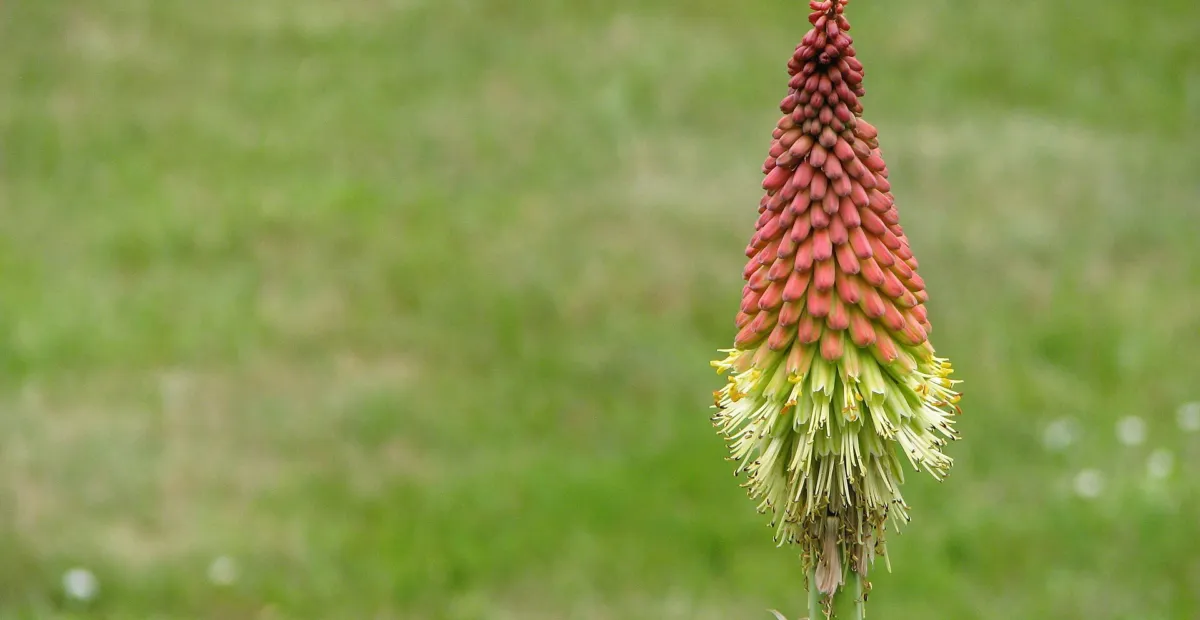
The plant forms a dense tuft of coarse, linear, sword-shaped leaves that may arch outward. Tall, naked scapes carry compact, torch-like racemes of tubular flowers. Red or orange upper buds contrasting with yellow lower flowers are characteristic, although flower color can vary among forms and cultivated selections.
Flowering
Dense terminal racemes contain many drooping tubular flowers on tall, leafless scapes. Buds commonly open red or orange and mature toward yellow, creating a two-tone effect. In much of the United States, flowering is concentrated from late spring into summer, although timing varies by climate and form.
Pollination and visitors
The tubular, nectar-bearing flowers are visited by bees, bumblebees, butterflies, and birds, with bird visitation especially documented in the plant's native South African range. Visitor activity is greatest during warm daylight hours when flower spikes are open and nectar is available.
Kniphofia uvaria photos
Click any photo for a larger view. Source, author and license are shown separately.
Diseases and pests
Diseases
Root and crown rot are the main concerns, especially in heavy, waterlogged soil or where winter moisture collects around the crown. Improve drainage, avoid overwatering, and remove declining tissue. Good spacing and prompt removal of spent flower stems help maintain vigor. Serious disease problems are generally uncommon.
Pests
Thrips may scar flowers or foliage in some conditions. Watch for distorted growth, silvery feeding marks, or black specks. Encourage beneficial insects, remove badly affected flower stems, and use a labeled treatment only when damage is significant. Good airflow and avoiding excess nitrogen reduce soft, pest-prone growth.
Toxicity and pollen
Reliable sources do not identify Kniphofia uvaria as a significant poisonous garden plant. As with any ornamental, avoid ingesting plant material and prevent children or pets from chewing it; sap or leaf contact may cause minor irritation in sensitive individuals.
- Typical season
- Late spring through summer
- Pollination / pollen
- Insect-dispersed pollen
As an insect-pollinated flowering perennial, its pollen is generally less dispersed by wind than pollen from wind-pollinated trees and grasses. Individual sensitivity is still possible, especially during close contact with flowering spikes. People with known pollen allergies should avoid rubbing the flowers and wash hands after handling.
Native habitat
Native to temperate parts of South Africa's Cape region, where it occurs in sunny, seasonally moist habitats and well-drained soils. It tolerates regular moisture during active growth but also handles short dry periods once established. In cultivation, winter drainage is critical because cold, wet crowns are more vulnerable than dry crowns.
Interesting fact
The common name refers to the flower spikes' resemblance to glowing metal pokers. The species is native to South Africa's Cape region and has become a widely cultivated ornamental. Its flowers are arranged in dense racemes rather than a single large flower. The genus name honors German botanist Johann Hieronymus Kniphof.
Frequently asked questions (FAQ)
The most relevant questions about this plant, with short and direct answers.
🌱Quick care
What is Kniphofia uvaria?⌄
Kniphofia uvaria is a clumping perennial commonly called Red Hot Poker, with narrow, blue-green foliage and tall spikes of red, orange, and yellow tubular flowers. It is native to southern Africa and is grown as a dramatic summer garden plant.
How much sun does Red Hot Poker need?⌄
Red Hot Poker grows best in full sun, meaning at least 6 hours of direct sunlight daily. It can tolerate some partial shade, but flowering is usually reduced.
How often should I water Kniphofia uvaria?⌄
Water Red Hot Poker regularly while it is becoming established, keeping the soil moderately moist but never soggy. Established plants tolerate short dry periods, especially in well-drained soil.
What USDA zones can grow Red Hot Poker?⌄
Red Hot Poker is generally grown in USDA Zones 5 through 9. In colder areas, winter protection and excellent drainage are especially important.
🌤️Environment and placement
What is the best soil for Kniphofia uvaria?⌄
The best soil is fertile, humus-rich loam that drains freely while retaining moderate moisture. Avoid heavy, waterlogged soil because wet winter conditions can cause crown or root rot.
Where should I plant Red Hot Poker?⌄
Plant Red Hot Poker in a sunny, well-drained border, raised bed, rock garden, or pollinator garden. A site protected from strong wind and severe winter exposure helps preserve the tall flower stalks and crown.
Can Red Hot Poker grow in partial shade?⌄
Red Hot Poker can survive in partial shade, but it normally produces fewer and weaker flower spikes there. Full sun is the better choice for a compact plant and reliable flowering.
Is Kniphofia uvaria drought tolerant?⌄
Established Kniphofia uvaria is moderately drought tolerant, particularly in well-drained soil and full sun. Water more consistently during its first growing season and during prolonged summer heat.
Is Red Hot Poker deer resistant?⌄
Red Hot Poker is generally resistant to deer and rabbits. No plant is completely browse-proof, so animals may still damage young or stressed plants in areas with heavy pressure.
💧Care and problems
How do I care for Red Hot Poker after planting?⌄
Keep newly planted Red Hot Poker evenly watered, remove competing weeds, and maintain good drainage. Once established, it usually needs only moderate maintenance and occasional removal of old flower stalks.
Should I fertilize Kniphofia uvaria?⌄
Fertilizer is usually unnecessary when Red Hot Poker grows in fertile soil. If growth is weak, apply a light, balanced fertilizer in spring according to the product label rather than heavily feeding the plant.
Why is my Red Hot Poker not flowering?⌄
The most common causes are insufficient sunlight, excessive winter moisture, young plants, or overly rich fertilizer that encourages foliage instead of flowers. Move or improve drainage only when necessary, because established clumps prefer not to be disturbed.
Why are the leaves of my Red Hot Poker turning brown?⌄
Brown leaves can result from drought, winter injury, scorching, or crown problems caused by poorly drained soil. Remove damaged outer leaves, improve drainage, and check that the crown is not staying wet.
What pests and diseases affect Kniphofia uvaria?⌄
Red Hot Poker usually has few serious pest or disease problems, but thrips may occur and poorly drained soil can lead to root or crown rot. Good air circulation and sharply draining soil reduce these risks.
Should I protect Red Hot Poker in winter?⌄
Protect Red Hot Poker in colder USDA Zones 5 and 6 with a light mulch or by tying the foliage over the crown to shed water. Do not bury the crown under wet mulch, because excess moisture can cause rot.
🪴Planting and repotting
When should I plant Kniphofia uvaria?⌄
Plant Red Hot Poker in spring after the danger of severe frost has passed, or in early fall where plants have time to root before winter. Spring planting is safest in colder parts of its range.
How far apart should I plant Red Hot Poker?⌄
Space Red Hot Poker plants about 24 to 30 inches apart, allowing room for mature clumps and airflow. Larger cultivars may need additional spacing based on their expected spread.
Can Red Hot Poker grow in containers?⌄
Red Hot Poker can grow in a large container with drainage holes and a free-draining potting mix. Choose a heavy pot to prevent tall flower stalks from tipping the container and protect the root system in cold climates.
✂️Propagation and pruning
How do I propagate Kniphofia uvaria?⌄
The easiest way to propagate Red Hot Poker is by dividing established clumps in spring as new growth begins. It can also be grown from seed, although seedlings may take longer to reach flowering size.
Can I divide Red Hot Poker?⌄
Yes, divide Red Hot Poker clumps in spring when new growth starts, separating healthy sections with roots and shoots. Replant divisions promptly and keep them evenly moist while they establish.
Can Red Hot Poker be grown from seed?⌄
Red Hot Poker can be grown from seed, but germination and flowering may be slower than with division. Sow seed in a protected setting, grow the seedlings on carefully, and transplant them after frost risk has passed.
Should I cut back Red Hot Poker in fall?⌄
Avoid cutting the entire plant to the ground in fall, especially in colder zones. Leave the foliage to help protect the crown over winter, then remove damaged or dead leaves in spring as new growth appears.
Should I deadhead Red Hot Poker?⌄
Deadhead Red Hot Poker by cutting spent flower stalks down near the base after blooming. This improves the plant’s appearance and may encourage additional flower spikes, although leaving some stalks can allow seed production.
⚠️Toxicity and safety
Is Kniphofia uvaria toxic to people or pets?⌄
No significant toxicity is generally reported for Kniphofia uvaria, but it should not be eaten. Keep plant material away from children and pets, and contact a medical or veterinary professional if ingestion causes symptoms.
🌸Flowering and special interest
When does Red Hot Poker bloom?⌄
Red Hot Poker usually blooms from late spring through summer, with timing varying by climate and cultivar. Flower spikes often open red or orange at the top and mature toward yellow below.
How tall does Kniphofia uvaria grow?⌄
Kniphofia uvaria commonly reaches about 3 to 4 feet tall when flowering, with clumps spreading roughly 2 to 3 feet wide. Height varies with growing conditions and the specific plant source.
What do Red Hot Poker flowers look like?⌄
Red Hot Poker produces dense, upright spikes of drooping tubular flowers above a tuft of narrow, sword-shaped leaves. The flowers commonly show a striking transition from red or orange upper blooms to yellow lower blooms.
Do Red Hot Pokers attract pollinators?⌄
Yes, Red Hot Poker flowers attract hummingbirds, butterflies, bees, and other pollinators. Their tall, nectar-rich flower spikes make them useful accents in pollinator and wildlife gardens.
Similar plants
 Amabilis (Maranta leuconeura ‘Amabilis’)Maranta leuconeura 'Amabilis'
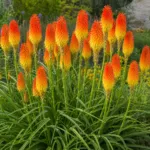 Red hot poker (Kniphofia ‘Alcazar’)Kniphofia 'Alcazar'
 Pearls and Jade (Epipremnum aureum ‘Pearls and Jade’)Epipremnum aureum 'Pearls and Jade'
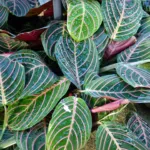 Fascinator (Maranta leuconeura ‘Fascinator’)Maranta leuconeura 'Fascinator'
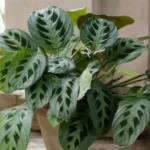 Massangeana (Maranta leuconeura ‘Massangeana’)Maranta leuconeura 'Massangeana'
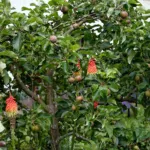 Kniphofia ‘Red Hot Poker’Kniphofia 'Red Hot Poker'