
 Source:
Areca Palm (Dypsis lutescens) short overview
Areca Palm is a graceful, clumping palm from Madagascar, valued for its arching yellow-green fronds and slender ringed stems. In the United States it is widely grown as a houseplant, patio specimen, or outdoor screen in frost-free regions. Give it bright filtered light, evenly moist but well-drained soil, warmth, and protection from cold drafts. Mature outdoor plants can become substantial, while indoor specimens remain more compact.
Taxonomic classification
Areca Palm (Dypsis lutescens) care guide
Light and placement
Indoors, place in bright filtered light, such as near an east window or several feet from a strong south- or west-facing window. Outdoors, filtered sun or partial shade is safest, although established plants can tolerate more sun when acclimated. Bleached or scorched leaflets indicate excessive direct light; long, weak growth and widely spaced fronds indicate insufficient light.
Watering and humidity
Water thoroughly when the upper inch of mix begins to dry, then let excess water drain completely. Keep the root zone evenly moist during active growth but never leave the pot standing in water. Reduce frequency in winter and in dim rooms, while increasing humidity around indoor plants when heating dries the air. Brown tips can reflect dry air, salts, inconsistent moisture, or root stress.
Soil and growing medium
Use a loose, moisture-retentive but well-drained mix, such as quality potting soil amended with coarse perlite, pine bark, or another drainage component. Slightly acidic to neutral conditions are suitable. Avoid compacted soil and containers that retain standing water; alkaline media can contribute to chlorosis and nutrient imbalance.
Feeding
Feed during active growth with a complete palm fertilizer containing potassium and micronutrients, following the product label rather than applying concentrated doses. Container plants usually need lighter, more regular feeding than landscape plants. Do not fertilize stressed, recently repotted, cold-damaged, or waterlogged plants; flush containers periodically to reduce salt buildup.
Growth and habit
This palm forms a dense clump of multiple stems rather than a single trunk. It grows quickly in warm, bright conditions and can become a substantial landscape screen. Indoors, growth is slower and fronds may become sparse in dim light; regular rotation, adequate space, and removal of spent lower fronds help maintain an even form.
Planting and repotting
Plant outdoors after the danger of cold has passed, selecting a sheltered site with filtered sun or partial shade and consistently draining soil. Set the root ball at the same depth as before; do not bury the stems. Water thoroughly during establishment and mulch lightly, keeping mulch away from the stems. Allow ample room for the mature clump.
Repot in spring when roots have filled the container or drainage has slowed. Move up only one pot size, preserve the root ball, and use a fast-draining palm or houseplant mix. Large clumps can remain somewhat root-bound, but severely crowded roots may need division during repotting.
Propagation and pruning
Propagation
Propagate from fresh seed or by division of established clumps. Division is practical when offsets have their own roots; separate carefully in warm weather and keep the divisions evenly moist while re-establishing. Seed propagation is slower and requires warm, consistently moist conditions.
Pruning
Remove only fully brown, dead, or badly damaged fronds with clean loppers or shears. Do not strip green fronds or cut the growing point. Remove old flower or fruit stalks if they become untidy, and avoid damaging the ringed stems. Never top the palm; individual stems do not regrow from a cut crown.
Overwintering
Bring container plants indoors before nights approach 50°F. Keep them away from cold glass, drafts, and heating vents, and provide the brightest filtered light available. Outdoor plants in marginal climates need frost protection, but prolonged freezing can cause severe damage or death. Do not fertilize cold-stressed plants until active growth resumes.
Uses
Used as a large indoor foliage plant, patio or deck container, tropical specimen, privacy screen, and informal hedge in frost-free landscapes. Its dense clumping habit is useful for visual screening. In South Florida, use responsible placement and prevent escape because regional assessments classify it as a caution species.
Appearance
The plant forms a graceful clump of slender, bamboo-like stems marked with ring scars. Each stem carries long, arching, featherlike fronds made of many narrow leaflets. Yellow-green petioles and stems are characteristic, although color varies with light, nutrition, and age. The evergreen foliage gives the plant a soft, finely textured appearance.
Flowering
Small, inconspicuous cream to yellow flowers are produced in branched inflorescences among the leaves. Outdoor plants may flower repeatedly or for much of the year in warm climates; indoor flowering is uncommon and depends on strong light, maturity, and growing conditions.
Pollination and visitors
The small flowers are insect-visited, but reliable U.S. documentation identifying a dominant animal pollinator or a particular visitor species is limited. Treat the plant as having low documented pollinator attraction rather than assuming that every flowering palm strongly supports pollinators.
Dypsis lutescens photos
Click any photo for a larger view. Source, author and license are shown separately.
Diseases and pests
Diseases
Prevent prolonged saturation and trunk injury, which can favor root or basal rots including Ganoderma in landscape settings. Potassium deficiency commonly causes translucent yellow or bronze spotting on older fronds and is corrected with an appropriate palm fertilizer. Remove severely affected material with clean tools and improve drainage.
Pests
Inspect undersides of leaflets and stems for scale, mealybugs, spider mites, thrips, and caterpillar damage. Isolate infested houseplants, rinse foliage, and use horticultural oil or insecticidal soap only as directed and after testing a small area. Avoid drought stress and excessive nitrogen, which can worsen appearance and pest problems.
Toxicity and pollen
ASPCA lists Dypsis lutescens as non-toxic to dogs and cats. Direct evidence for children is less specific, and plant material should not be eaten; sap, fibrous material, or fruit may still cause minor mechanical or gastrointestinal irritation in sensitive individuals. Seek medical advice after significant ingestion or persistent symptoms.
- Typical season
- Most relevant during outdoor flowering in warm U.S. climates, often summer or year-round in frost-free areas
- Pollination / pollen
- Fine pollen released from small palm flowers
Airborne-allergy information specific to Dypsis lutescens is limited, so a precise allergy rating is not justified. The plant produces pollen when flowering, but indoor specimens rarely flower. People with significant pollen sensitivity should avoid handling flowering material closely and monitor individual reactions.
Native habitat
In nature it occurs in moist tropical environments of Madagascar, where warmth, seasonal moisture, filtered light, and organic soils support its clumping growth. It is not native to the United States and is best treated as a frost-tender tropical species outside southern Florida, Hawaii, and similar warm regions.
Interesting fact
The species is native to Madagascar and is commonly cultivated worldwide despite its restricted natural distribution. Its common name reflects the arching, butterfly-like arrangement of the fronds. Mature stems show conspicuous ring scars and often develop warm yellow-gold tones in strong light. It is listed as a caution plant for escape management in South Florida.
Frequently asked questions (FAQ)
The most relevant questions about this plant, with short and direct answers.
🌱Quick care
How do you care for an Areca Palm indoors?⌄
Give an Areca Palm bright filtered light, evenly moist well-drained soil, warm temperatures, and moderate to high humidity. Let excess water drain fully, and never leave the pot standing in water.
How much light does an Areca Palm need?⌄
An Areca Palm grows best in bright filtered or indirect light, although it can tolerate partial shade. Protect indoor plants from intense direct afternoon sun, which can scorch the fronds.
How often should you water an Areca Palm?⌄
Water when the surface of the potting mix begins to dry, then water thoroughly until it drains from the container. Reduce watering somewhat in winter, but do not let the root ball become completely dry.
What soil is best for an Areca Palm?⌄
Use a rich, loose, well-drained potting mix that retains some moisture without becoming soggy. A container with drainage holes is essential for preventing root problems.
How fast does an Areca Palm grow indoors?⌄
An Areca Palm usually grows at a moderate to fairly fast rate indoors when it receives sufficient light, warmth, water, and humidity. Growth slows noticeably in low light or during winter.
🌤️Environment and placement
Where should I place an Areca Palm indoors?⌄
Place it near a bright east- or west-facing window, or several feet back from a bright south-facing window. Keep it away from heating vents, air-conditioning outlets, and cold drafts.
Can an Areca Palm grow in low light?⌄
An Areca Palm may survive in lower light, but it will grow more slowly and become thinner and less full. Bright filtered light is the better choice for healthy, dense foliage.
Can an Areca Palm tolerate direct sunlight?⌄
An established Areca Palm can tolerate some gentle morning or late-afternoon sun, especially outdoors. Strong midday or afternoon sun can bleach or scorch the leaves, so acclimate it gradually.
Can you grow an Areca Palm outdoors in the United States?⌄
Yes, but outdoor growing is generally limited to warm, frost-free areas such as parts of USDA Zones 10 and 11. In colder regions, grow it in a container and bring it indoors before temperatures drop.
What temperature is too cold for an Areca Palm?⌄
An Areca Palm is frost-tender and should be protected from temperatures near 45°F or below. Frost or freezing temperatures can cause severe leaf and crown damage or kill the plant.
Does an Areca Palm need high humidity?⌄
An Areca Palm prefers moderate to high humidity, especially in dry indoor air during winter. A humidifier, grouping plants, or a naturally humid room can help reduce brown leaf tips.
💧Care and problems
Why are my Areca Palm leaves turning brown?⌄
Brown tips commonly result from dry air, inconsistent watering, salt buildup, or cold drafts. Check the soil moisture, improve humidity, use low-salt water when possible, and keep the plant away from cold or heated air.
Why are my Areca Palm leaves turning yellow?⌄
Yellow leaves can result from overwatering, poor drainage, insufficient light, or nutrient problems. Check that the pot drains freely and allow the surface of the mix to dry slightly before watering again.
Why is my Areca Palm drooping?⌄
Drooping may indicate underwatering, overwatering with root damage, cold stress, or inadequate light. Check the soil and roots before watering more, because limp foliage does not always mean the plant is thirsty.
How do I prevent root rot in an Areca Palm?⌄
Prevent root rot by using a well-drained mix, a pot with drainage holes, and a watering schedule based on soil moisture rather than a fixed calendar. Empty any saucer after the pot finishes draining.
What pests commonly affect Areca Palms?⌄
Spider mites, scale insects, mealybugs, and thrips can affect Areca Palms, particularly in dry indoor conditions. Inspect the undersides of leaves and stems regularly, then wash or treat infestations promptly.
How should I fertilize an Areca Palm?⌄
Feed during active spring and summer growth with a palm fertilizer or balanced fertilizer that supplies micronutrients. Follow the label rate and avoid excessive fertilizer, which can damage roots and cause leaf discoloration.
Can I use leaf-shine products on an Areca Palm?⌄
Avoid leaf-shine products because they can injure palm foliage and interfere with normal leaf function. Clean dusty fronds gently with a damp cloth or a mild rinse of room-temperature water.
🪴Planting and repotting
When should I repot an Areca Palm?⌄
Repot an Areca Palm in spring or early summer when roots fill the container, drainage declines, or the potting mix has broken down. Repotting every two to three years may be sufficient for many indoor plants.
What size pot does an Areca Palm need?⌄
Choose a pot only one size larger than the current container and make sure it has drainage holes. An overly large pot holds excess moisture and can increase the risk of root rot.
Can an Areca Palm be planted in the ground?⌄
Yes, plant it in the ground only in a warm, frost-free climate with rich, well-drained soil and partial shade. In areas with freezing winters, keep it in a movable container instead.
How deep should I plant an Areca Palm?⌄
Plant it at the same depth as it was growing in its original container, keeping the crown and stems above the soil line. Planting too deeply can restrict airflow and contribute to stem or root problems.
✂️Propagation and pruning
How do you propagate an Areca Palm?⌄
An Areca Palm can be propagated by seed or by dividing its clumps. Division is usually the more practical method for houseplants because each section can retain established stems and roots.
Can you grow an Areca Palm from a cutting?⌄
No, ordinary stem or leaf cuttings generally do not produce new Areca Palms. Propagation is normally done from seeds or by separating rooted offsets from the clump.
How do you divide an Areca Palm?⌄
Separate a rooted offset or section of the clump with clean tools, keeping several stems and as many roots as possible attached. Pot the division in a moist, well-drained mix and keep it warm with bright filtered light while it establishes.
How do you grow an Areca Palm from seed?⌄
Sow fresh, fully mature seed in a warm, moist, well-drained medium because Areca Palm seed loses viability during storage. Germination can be slow and may take several months.
Should I prune brown leaves from an Areca Palm?⌄
Remove fully brown or dead fronds at their base with clean pruners, but do not remove healthy green tissue unnecessarily. If only the tips are brown, trim the damaged edges while preserving the natural leaf shape.
Can I cut the trunks of an Areca Palm to make it shorter?⌄
Cutting individual stems will not make them regrow from the cut point, so remove only damaged, dead, or unwanted stems at the base. Avoid damaging the central growing points of healthy clumps.
⚠️Toxicity and safety
Is an Areca Palm toxic to dogs?⌄
The Areca Palm is listed as non-toxic to dogs. Even so, eating large amounts of plant material can cause stomach upset, so contact a veterinarian if your dog shows concerning symptoms.
Is an Areca Palm toxic to cats?⌄
The Areca Palm is listed as non-toxic to cats. Keep pets from chewing large quantities of any houseplant and seek veterinary advice if vomiting, lethargy, or other unusual symptoms occur.
Is an Areca Palm safe for children?⌄
An Areca Palm is generally considered a low-toxicity ornamental plant, but it should not be eaten. Keep potting soil, fertilizer, and any treated foliage away from young children.
Can you eat the growing point of an Areca Palm?⌄
No, do not eat the Areca Palm’s terminal bud or heart because it contains cyanide-related compounds. Treat the plant as ornamental rather than edible.
🌸Flowering and special interest
Does an Areca Palm flower indoors?⌄
An Areca Palm rarely flowers indoors because it needs considerable maturity and strong growing conditions. Outdoor plants in warm climates are more likely to produce yellow flowers and fruit.
What do Areca Palm flowers look like?⌄
Areca Palm flowers are small and yellow to golden, appearing in branched clusters among the stems or foliage. Outdoor plants may later develop yellow-orange fruits that darken as they mature.
How long does an Areca Palm live?⌄
An Areca Palm can live for many years indoors when protected from frost and maintained with proper light, watering, and humidity. Individual stems naturally age, while newer stems arise from the clumping base.
Similar plants
 Bamboo palm (Chamaedorea seifrizii) care guideChamaedorea seifrizii
 Fishtail Palm (Caryota urens) care guideCaryota urens
 Metallic Fishtail Palm (Chamaedorea metallica) care guideChamaedorea metallica
 Coccothrinax argentata care guideCoccothrinax argentata
 Chuniophoenix hainanensis care guideChuniophoenix hainanensis
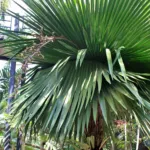 He Petticoat palm (Copernicia macroglossa) care guideCopernicia macroglossa