
 Source:
Dictyosperma (Dictyosperma album) short overview
Dictyosperma album is a slender, solitary evergreen palm native to Mauritius and Réunion. Its arching feather-like leaves, smooth trunk and tropical silhouette make it an attractive specimen for frost-free landscapes, patios and large containers. Grow it in full sun to bright filtered light, provide evenly moist but well-drained soil, and protect it from freezing temperatures. In the United States, it is mainly suited to USDA Zones 10–11 or protected indoor culture.
Taxonomic classification
Dictyosperma (Dictyosperma album) care guide
Light and placement
Give full sun outdoors where heat and moisture are adequate; bright filtered light is useful for containers or very hot exposed sites. An overly shaded plant may become stretched and produce a sparse crown, while intense reflected heat combined with dry soil can scorch leaflets. Orient outdoor specimens to receive strong morning or all-day light with shelter from cold winds.
Watering and humidity
Water thoroughly when the upper layer begins to dry, then allow excess water to drain completely. Keep the root zone moderately and consistently moist during active growth, reducing frequency in cooler weather but never leaving a container saturated. Humidity is helpful in heated indoor spaces, though it does not replace proper drainage.
Soil and growing medium
Use a fertile, porous mix that drains quickly yet holds moderate moisture. Sandy loam or a high-quality palm substrate is suitable. Avoid persistently waterlogged soil, especially in containers. A slightly acidic to slightly alkaline reaction is generally tolerated, with neutral to mildly acidic conditions useful for container culture.
Feeding
Feed during active warm-season growth with a controlled-release palm fertilizer containing magnesium and micronutrients, following the product label. Container plants may need lighter, regular feeding than in-ground specimens. Do not fertilize cold, recently transplanted or drought-stressed plants.
Growth and habit
This is a solitary, upright palm with a single trunk and no normal clumping habit. Growth is moderate to fast in warm conditions with adequate moisture. Its maintenance is mainly crown cleanup, stable irrigation and protection from cold rather than repeated shaping.
Planting and repotting
Plant after danger of cold has passed, setting the palm at the same depth it previously grew. Water deeply during establishment and mulch the root zone without touching the trunk. Allow generous clearance for the solitary trunk and expanding crown.
Repot container plants in spring or early summer when roots fill the pot. Move up only one pot size and disturb the root ball as little as practical. Use a heavy container for stability, because the mature crown can become top-heavy.
Propagation and pruning
Propagation
Propagate from fresh seed. Clean the fruit, sow promptly in a warm, airy medium, and maintain steady moisture without saturation. Germination may take roughly two to four months. The solitary stem does not normally produce useful offsets.
Pruning
Remove only fully dead or severely damaged leaves, cutting close to the base without injuring the trunk or crownshaft. Do not strip green fronds for appearance, and never cut the growing point. Remove old fruiting or flowering structures only when necessary and with clean tools.
Overwintering
Move container plants indoors or into a heated conservatory before nights approach 40°F. Provide the brightest available light, reduce watering as growth slows, and keep the palm away from cold drafts and heating vents. In borderline outdoor climates, protect the crown and root zone during brief cold events, but do not rely on frost cloth for prolonged freezing.
Uses
Primarily an ornamental specimen for tropical and subtropical landscapes, resorts, roadsides, conservatories and large containers. It is also cultivated in the Mascarenes for palm hearts, but harvesting the apical bud kills the solitary palm. It can suit coastal sites because the species is reported to tolerate wind and salt exposure.
Appearance
A solitary, slender palm with a smooth gray trunk, a green crownshaft and long pinnate leaves. Each leaf carries many narrow leaflets arranged along a central rachis. The crown has an airy, arching appearance, while mature specimens may show persistent leaf-base features or a clean trunk as older leaves are shed.
Flowering
The palm produces branched inflorescences below the crownshaft. Small male and female flowers occur on the same inflorescence, and fleshy fruits mature from green to dark purple or nearly black. Flowering is associated with warm tropical growing conditions; a dependable United States month range is not established.
Pollination and visitors
NParks records biotic pollination, but the available sources do not identify a particular animal species. Small flowers on the branched inflorescences may be visited by insects in warm cultivation, so attraction is rated medium rather than assigned to a specific bee, butterfly or bird.
Dictyosperma album photos
Click any photo for a larger view. Source, author and license are shown separately.
Diseases and pests
Diseases
Prevent problems by avoiding chronic overwatering, improving air circulation and removing badly damaged tissue with sterilized tools. Watch for leaf-spotting diseases and trunk or root decline in poorly drained conditions. Avoid overhead irrigation when foliage remains wet for long periods.
Pests
Inspect leaf bases and the crown for scale insects, mealybugs and mites, especially on stressed container plants. Remove light infestations manually or use a labeled horticultural oil according to its instructions. Keep foliage clean and avoid drought stress followed by excessive irrigation.
Toxicity and pollen
Authoritative sources reviewed did not establish a specific toxic principle for Dictyosperma album. Avoid consuming ornamental plant material unless it has been correctly identified and prepared for a documented food use. The palm heart is edible in some traditional and horticultural contexts, but harvesting the apical bud kills the single-stemmed plant.
- Pollination / pollen
- Pollen from small palm flowers; airborne relevance undocumented
This is a flowering palm, so it produces pollen, but reliable sources reviewed did not establish airborne pollen concentrations, a defined allergy season or a species-specific allergy risk. Avoid treating the unknown rating as proof of either safety or hazard.
Native habitat
The species is native to the Mascarene Islands, especially Mauritius and Réunion, where it occurs in warm tropical settings including coastal forests and low elevations, generally up to about 600 meters. It favors well-drained soils and warm, humid conditions.
Interesting fact
The species is endemic to Mauritius and Réunion.
Its single-stemmed habit means offsets are not normally produced.
Ripe fruits can turn dark purple or nearly black.
It is cultivated for ornamental use and palm hearts.
The palm tolerates wind and some salt exposure.
Frequently asked questions (FAQ)
The most relevant questions about this plant, with short and direct answers.
🌱Quick care
How do you care for Dictyosperma album?⌄
Grow Dictyosperma album in full sun to bright filtered light, keep the soil moderately and regularly moist, and use a fertile, well-drained palm mix. Protect it from frost and prolonged temperatures near or below 30°F.
Is Dictyosperma album an indoor or outdoor plant?⌄
Dictyosperma album is primarily an outdoor palm in warm, frost-free regions. In colder parts of the United States, grow it in a container and move it indoors or into protected shelter before freezing weather.
🌤️Environment and placement
What light does Dictyosperma album need?⌄
Dictyosperma album grows best in full sun but also tolerates bright filtered light. Acclimate container-grown or nursery palms gradually before placing them in intense afternoon sun.
What USDA hardiness zones can grow Dictyosperma album outdoors?⌄
Dictyosperma album is best suited to frost-free USDA Zones 10–11 and comparable warm microclimates. It is frost tender, so colder zones generally require container culture or winter protection.
Can Dictyosperma album tolerate coastal wind and salt?⌄
Dictyosperma album can tolerate coastal exposure, wind, and some salt spray once established. Even so, provide good drainage and protect young palms from the strongest drying winds.
How cold can Dictyosperma album tolerate?⌄
Dictyosperma album should be protected when temperatures approach 30°F because frost can damage the crown and foliage. Brief mild chills may be tolerated, but prolonged freezing conditions can kill the palm.
💧Care and problems
How often should you water Dictyosperma album?⌄
Water Dictyosperma album whenever the upper layer of soil begins to dry, then soak the root zone thoroughly. Water more often in hot, windy, or sandy conditions and less during cool or rainy weather.
Can Dictyosperma album tolerate drought?⌄
Dictyosperma album is not reliably drought tolerant and looks best with consistent moisture. Do not allow a newly planted or container-grown palm to remain dry for extended periods.
What soil is best for Dictyosperma album?⌄
Use fertile, well-drained sandy loam or a high-quality palm mix for Dictyosperma album. The soil should retain some moisture without becoming waterlogged around the roots.
Why are Dictyosperma album leaves turning yellow?⌄
Yellow leaves on Dictyosperma album can result from excess water, poor drainage, drought, cold stress, or nutrient deficiency. Check soil moisture and roots first, then consider a palm fertilizer with micronutrients during active growth.
How do you fertilize Dictyosperma album?⌄
Feed Dictyosperma album during warm active growth with a controlled-release palm fertilizer that supplies potassium and micronutrients. Follow the product label and avoid fertilizing dry, heat-stressed, or recently frost-damaged plants.
Does Dictyosperma album need humidity?⌄
Dictyosperma album performs best in warm, humid conditions with consistent soil moisture. In dry indoor air, keep it away from heating vents and group it with other plants, but do not compensate for low humidity with constantly soggy soil.
🪴Planting and repotting
How do you plant Dictyosperma album in the ground?⌄
Plant Dictyosperma album in a warm, sunny site with fertile, fast-draining soil and enough room for its mature canopy. Set the root ball at the same depth it was growing and water thoroughly after planting.
Can Dictyosperma album grow in a container?⌄
Dictyosperma album can grow in a container while young or where outdoor winters are too cold. Use a heavy pot with drainage holes, a free-draining palm mix, and repot only when roots substantially fill the container.
When should Dictyosperma album be repotted?⌄
Repot Dictyosperma album in spring or early summer when roots have filled the container or drainage has slowed. Move it into only a slightly larger pot to reduce the risk of chronically wet soil.
✂️Propagation and pruning
How do you propagate Dictyosperma album?⌄
Propagate Dictyosperma album from fresh seed sown in a warm, moist, well-drained medium. Germination commonly takes about two to four months, and seedlings should be protected from cold and drying out.
Can Dictyosperma album be propagated from cuttings?⌄
Dictyosperma album is normally propagated from seed rather than stem cuttings. Its solitary trunk does not normally produce the offsets needed for easy vegetative division.
Does Dictyosperma album form offsets?⌄
Dictyosperma album is a solitary, single-trunked palm and generally does not form offsets. For that reason, separating shoots is not a practical propagation method.
How do you prune Dictyosperma album?⌄
Remove only completely dead, damaged, or hazardous fronds from Dictyosperma album using clean tools. Do not cut the growing point or remove green fronds unnecessarily, because the palm has a single crown.
⚠️Toxicity and safety
Is Dictyosperma album toxic to dogs or cats?⌄
No specific toxic principle has been firmly established for Dictyosperma album, but definitive pet-safety data are limited. Prevent pets from chewing the plant and contact a veterinarian if plant material is eaten or symptoms develop.
Is Dictyosperma album safe to eat?⌄
Some sources report edible palm-heart use, but harvesting the growing point kills this single-trunked palm. Do not consume ornamental specimens unless their identity, cultivation practices, and intended food use are confirmed.
🌸Flowering and special interest
Does Dictyosperma album flower?⌄
Yes, mature Dictyosperma album can produce branched flower clusters beneath the crownshaft. Flowering is more likely when the palm receives strong light, warmth, adequate moisture, and sufficient maturity.
What do Dictyosperma album flowers and fruits look like?⌄
Dictyosperma album produces small flowers in branched inflorescences, followed by oval fruits that mature purple to black. Fruit production generally requires a mature, healthy palm and suitable warm conditions.
How long does Dictyosperma album take to grow?⌄
Dictyosperma album is a moderately fast-growing palm in warm conditions with adequate water and nutrition. Growth slows substantially in containers, low light, cool weather, drought, or after cold damage.
Similar plants
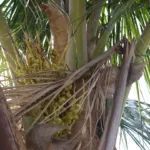 Coconut palm (Cocos nucifera) care guideCocos nucifera
 Talipot palm (Corypha umbraculifera) care guideCorypha umbraculifera
 Burmese Fishtail-palm (Caryota mitis) care guideCaryota mitis
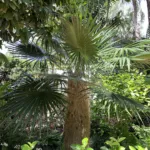 Old man palm (Coccothrinax crinita) care guideCoccothrinax crinita
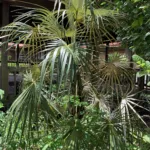 Coccothrinax argentata care guideCoccothrinax argentata
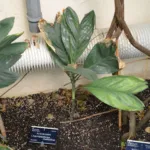 Metallic Fishtail Palm (Chamaedorea metallica) care guideChamaedorea metallica