
 Source:
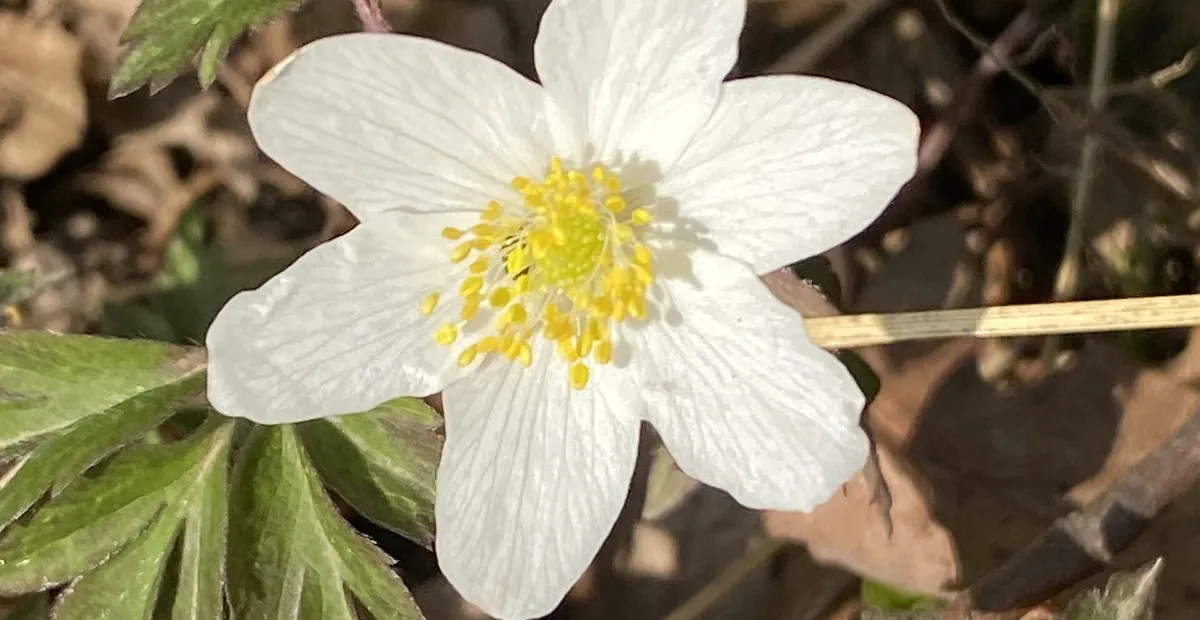
 Wood Anemone (Anemone nemorosa) short overview
Wood Anemone (Anemone nemorosa) is a low-growing European woodland perennial that emerges early in spring from slender, branching rhizomes. Its deeply divided leaves surround delicate white flowers, sometimes flushed pink or blue, with yellow stamens and green centers. It thrives in humus-rich, moist but well-drained soil beneath deciduous trees, flowering before the canopy closes and becoming dormant as summer shade and warmth increase.
Taxonomic classification
Wood Anemone (Anemone nemorosa) care guide
Light and placement
Give bright spring light with partial shade to full shade, ideally beneath deciduous trees where early-season sun reaches the ground before leaf-out. Morning sun is usually beneficial, but hot afternoon exposure can scorch foliage and shorten bloom. Weak flowering and elongated stems suggest excessive shade; faded, scorched, or prematurely collapsing foliage suggests too much heat or dryness.
Watering and humidity
Water deeply after planting, then maintain evenly moist soil during active spring growth. Allow the surface to dry only slightly between waterings, never letting the rhizomes sit in saturated soil. Reduce watering as foliage fades and the plant enters summer dormancy, while preventing prolonged drought in newly planted divisions. Humidity is usually not a concern outdoors.
Soil and growing medium
Use a moist, humus-rich, fertile loam with good drainage. Leaf mold or well-decomposed compost helps replicate woodland conditions. Slightly acidic soil is preferred, but ordinary garden soil is suitable if it remains moisture-retentive without becoming waterlogged. Avoid compacted clay and hot, dry exposures.
Feeding
Top-dress in late winter or early spring with a thin layer of leaf mold or mature compost. A weak, balanced perennial fertilizer is optional in poor soil, but heavy feeding is unnecessary and may encourage soft growth. Do not fertilize once the foliage is naturally yellowing and the plant is entering summer dormancy.
Growth and habit
This plant emerges from a slender, branching rhizome and spreads gradually to form interconnected colonies. Growth is concentrated in spring; the plant naturally becomes dormant after flowering and seed development as the woodland canopy closes. Avoid digging or cultivating the bed during active growth, since disturbance can fragment rhizomes and delay establishment.
Planting and repotting
Plant dormant rhizomes in late summer or early fall, or divide and replant after the foliage fades. Set them about 2 inches deep with the buds oriented upward and space plants 6–8 inches apart. Water after planting and keep the bed evenly moist while roots establish.
Container-grown plants can be moved while dormant, after the foliage has died back. Handle the rhizomes gently, replant promptly, and use a free-draining, humus-rich potting mix. Containers should not remain saturated during dormancy.
Propagation and pruning
Propagation
Divide established rhizomes while dormant, generally in late summer or after the foliage has died back. Each section should retain a viable bud and should be replanted promptly so it does not dry out. Seed can be sown fresh in containers in a cold frame, but germination and establishment are slower and less predictable than division.
Pruning
No routine pruning is needed. Leave foliage in place until it yellows and collapses naturally so the rhizomes can replenish reserves. Remove spent flowers or faded foliage only for appearance, and cut back completely after dormancy begins.
Overwintering
Leave dormant rhizomes outdoors in the ground within their hardiness range. A light layer of leaf mold or shredded leaves can protect shallow rhizomes and support woodland soil structure, but avoid heavy, wet mulch that may encourage rot. Container plants need protection from repeated freeze-thaw cycles.
Uses
Use Wood Anemone for shaded woodland borders, naturalized spring carpets, underplanting beneath deciduous shrubs and trees, and early-season pollinator habitat. It is ornamental rather than edible. Because fresh tissues are irritating and potentially toxic, exclude it from edible gardens and avoid harvesting wild colonies.
Appearance
The plant forms low colonies from slender, branching rhizomes. Each flowering stem rises above a whorl of deeply divided, trifoliate leaves. Flowers are usually white, with occasional pink, purple, or pale blue shading, and have a conspicuous ring of yellow stamens around green carpels. The foliage disappears after spring growth, leaving the plant dormant through summer.
Flowering
Flowers appear singly on short, slender stems before or as deciduous tree canopies leaf out. Each bloom usually has five to eight petal-like sepals surrounding numerous yellow stamens and green carpels. Flowers close in dull weather and reopen in brighter conditions. The above-ground growth fades after seed dispersal in late spring or early summer.
Pollination and visitors
The open flowers are visited for pollen by bees, hoverflies, beetles, flies, and other small insects; research also documents occasional nectar access, particularly for hoverfly and bee-fly visitors. It is valuable as an early spring food source, although visitor abundance depends on local weather and surrounding habitat.
Anemone nemorosa photos
Click any photo for a larger view. Source, author and license are shown separately.
Diseases and pests
Diseases
Usually trouble-free. Powdery mildew can occur in crowded or poorly ventilated sites, especially when foliage stays dry at the roots but humid around the leaves. Improve spacing and airflow, avoid overhead irrigation, and remove affected foliage after dieback. Do not overreact to minor symptoms on a plant that is naturally entering dormancy.
Pests
Slugs and snails may damage young foliage; caterpillars and leaf eelworms are occasional problems. Encourage airflow, remove debris where pests shelter, hand-pick slugs, and use proportionate controls only when damage is persistent. Avoid broad-spectrum insecticides during bloom.
Related diseases and pests
Only Plant Doctor profiles whose host data indicate this plant may be affected are shown here.

Toxicity and pollen
Fresh plant tissues contain ranunculin-related compounds that can convert to irritating protoanemonin when bruised or crushed. Sap may irritate skin and mucous membranes, and ingestion can cause gastrointestinal upset. Wear gloves when handling damaged plants, keep material away from children and pets, and do not eat any part.
- Typical season
- March–May in much of the United States where cultivated; timing varies with local spring temperatures.
- Pollination / pollen
- Heavy, insect-exposed pollen
The flowers produce substantial, openly exposed pollen for insect visitors, but this pollen is not generally characterized as a major airborne allergen. Because large colonies can release considerable pollen locally and individual sensitivity varies, people with strong seasonal allergies should avoid handling masses of flowering plants closely.
Native habitat
In its native range, Wood Anemone occurs in temperate deciduous woodland, woodland edges, scrub, and other seasonally lit sites from Europe toward western Caucasus. It favors fertile, humus-rich soils with reliable spring moisture and good drainage. The species is adapted to bright spring light followed by increasing summer shade and dormancy.
Interesting fact
Wood Anemone is a spring ephemeral: its leaves and flowers appear before deciduous trees fully shade the woodland floor. It spreads mainly through long-lived, branching rhizomes and can form extensive clonal carpets. The flowers provide an important early-season pollen resource, while nectar production appears limited and variable.
Frequently asked questions (FAQ)
The most relevant questions about this plant, with short and direct answers.
🌱Quick care
What is Wood Anemone?⌄
Wood Anemone is the spring-flowering perennial Anemone nemorosa in the buttercup family, Ranunculaceae. It grows from slender underground rhizomes and is native to Europe and parts of western Asia, not the United States.
Is Wood Anemone a perennial?⌄
Yes, Wood Anemone is a herbaceous, rhizomatous perennial. Its foliage usually disappears in summer and returns the following spring.
🌤️Environment and placement
How much light does Wood Anemone need?⌄
Wood Anemone grows best in part shade to shade, especially beneath deciduous trees or shrubs. Bright spring light is beneficial, but protection from intense summer sun helps prevent drying.
Can Wood Anemone grow in full shade?⌄
Yes, Wood Anemone can grow in fairly deep shade, although flowering may be reduced. Dappled or part shade generally produces stronger growth and better blooms.
What is the best soil for Wood Anemone?⌄
Plant Wood Anemone in moist, humus-rich, well-drained loam. Soil amended with leaf mold, compost, or other organic matter is especially suitable.
Is Wood Anemone hardy in the United States?⌄
Wood Anemone is hardy outdoors in suitable temperate climates and is commonly grown in USDA Zones 5–8. Local performance can vary with winter exposure, summer heat, and soil moisture.
Is Wood Anemone native to the United States?⌄
No, Anemone nemorosa is native primarily to Europe and parts of western Asia. In the United States it is grown as an ornamental plant and should not be confused with native North American anemone species.
💧Care and problems
Does Wood Anemone need consistently wet soil?⌄
Wood Anemone needs moderate moisture during active growth but does not tolerate waterlogged soil. It can usually handle somewhat drier conditions after the foliage dies back in summer.
Does Wood Anemone die back in summer?⌄
Yes, Wood Anemone commonly becomes dormant in summer as temperatures rise and surrounding trees create denser shade. Allow the foliage to fade naturally rather than removing it while it is still green.
How often should I water Wood Anemone?⌄
Water Wood Anemone when the soil begins to dry during active spring growth, providing enough moisture to keep it moderately damp. Established plants often need less supplemental water once they become dormant.
Does Wood Anemone need pruning?⌄
No regular pruning is required for Wood Anemone. Remove only untidy or fully dead foliage after it has naturally yellowed and released energy back to the rhizomes.
What pests affect Wood Anemone?⌄
Slugs and caterpillars may damage Wood Anemone foliage, and leaf eelworms can occasionally be a problem. Good air circulation, avoiding overwatering, and removing badly affected material can help limit damage.
🪴Planting and repotting
How do I plant Wood Anemone rhizomes?⌄
Plant dormant Wood Anemone rhizomes horizontally about 2–3 inches deep in moist, humus-rich soil. Fall planting is commonly recommended, but dormant rhizomes can also be planted in spring when available.
Should Wood Anemone rhizomes be soaked before planting?⌄
Soaking dormant rhizomes briefly before planting can help rehydrate them, particularly if they are dry or shriveled. Avoid leaving them submerged for prolonged periods, because poorly drained conditions can encourage rot.
How far apart should I plant Wood Anemone?⌄
Space Wood Anemone rhizomes close enough to form a natural colony, generally about 3–6 inches apart. Wider spacing is acceptable if you want to allow several seasons for the plants to fill in.
Can Wood Anemone be grown in containers?⌄
Yes, Wood Anemone can be grown in a container with drainage holes and moisture-retentive, humus-rich potting mix. Containers require closer monitoring because rhizomes dry out faster than plants in the ground.
✂️Propagation and pruning
How do you propagate Wood Anemone?⌄
The most practical method is dividing or separating rhizomes after the foliage has died back. It can also be grown from seed, but seed propagation is slower and requires suitable fresh seed and a cold period.
When should I divide Wood Anemone?⌄
Divide Wood Anemone in spring after the foliage has died back, while the plant is dormant. Replant the rhizome pieces promptly at their original depth and keep the soil moderately moist.
Can Wood Anemone spread in the garden?⌄
Yes, Wood Anemone slowly spreads through its rhizomes and can form expanding colonies in favorable woodland conditions. It is generally considered a gradual spreader rather than an aggressively invasive garden plant, but monitor it in small beds.
⚠️Toxicity and safety
Is Wood Anemone toxic to people or pets?⌄
Yes, fresh Wood Anemone tissues are moderately toxic if eaten and may irritate the skin when crushed or handled. Wear gloves when planting or dividing it, and keep the plant away from children and pets that may chew it.
What should I do if someone eats Wood Anemone?⌄
Contact a poison-control service or medical professional promptly if Wood Anemone is eaten, especially if mouth irritation, vomiting, abdominal pain, or diarrhea develops. Do not induce vomiting unless instructed by a medical professional.
🌸Flowering and special interest
When does Wood Anemone bloom?⌄
Wood Anemone usually blooms in early to mid-spring, often before the leaves of deciduous trees fully develop. The flowers are commonly white but may be pink, blue, or lavender in cultivated forms.
How long does Wood Anemone flower?⌄
Individual flowers last only a short time, but an established colony can provide several weeks of spring interest. Bloom duration depends on temperature, moisture, and the cultivar.
Why is my Wood Anemone not flowering?⌄
Wood Anemone may fail to flower because the rhizomes are newly planted, the site is too dark, or the soil dries out during spring growth. Excessive fertilizer is usually less helpful than suitable shade and consistent moisture.
Similar plants
 Azure Monkshood (Aconitum carmichaelii) care guideAconitum carmichaelii
 Monkshood (Aconitum ‘Stainless Steel’)Aconitum 'Stainless Steel'
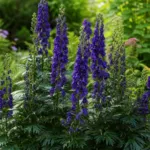 Monkshood (Aconitum ‘Bressingham Spire’)Aconitum 'Bressingham Spire'
 Golden full moon maple (Acer shirasawanum ‘Aureum’)Acer shirasawanum 'Aureum'
 Globosum (Acer platanoides ‘Globosum’)Acer platanoides 'Globosum'
 Striped maple (Acer pensylvanicum) care guideAcer pensylvanicum