
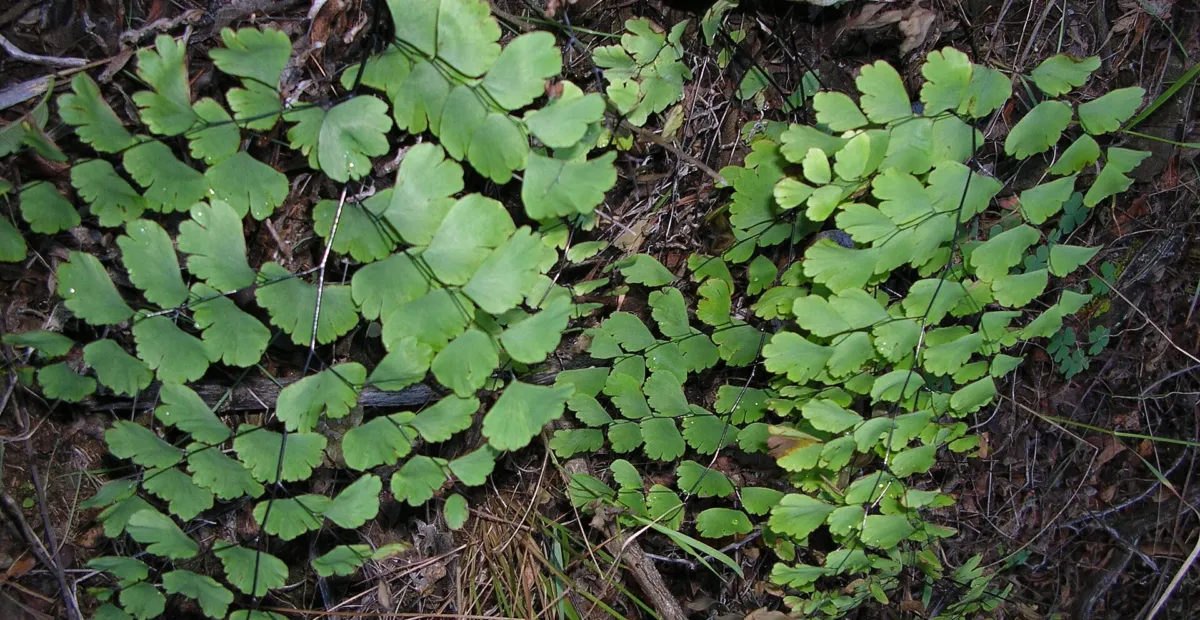
 Source:
 Delta Maidenhair Fern (Adiantum raddianum) short overview
Delta Maidenhair Fern is a graceful tropical fern with fan-shaped leaflets, wiry dark stems, and arching fronds that form a soft, airy clump. In the United States it is most reliably grown indoors, where bright filtered light, high humidity, and evenly moist but well-drained soil help preserve fresh foliage. It is sensitive to drying, hot direct sun, and drafts, making placement and watering consistency more important than frequent pruning.
Taxonomic classification
Delta Maidenhair Fern (Adiantum raddianum) care guide
Light and placement
Provide bright filtered light or gentle partial shade. An east- or north-facing window is suitable; near a south- or west-facing window, diffuse the sun with a sheer curtain or place the plant farther back. Scorched, bleached, or crispy fronds indicate excessive light or heat. Long, sparse growth and pale foliage can indicate too little light, although deep shade also reduces vitality.
Watering and humidity
Keep the mix consistently and evenly moist, watering thoroughly when the surface is just beginning to lose moisture, then empty the saucer. Never allow the root ball to dry completely, but do not leave it submerged. Check more often during warm, bright weather and reduce frequency slightly in winter while maintaining steady moisture. High humidity helps prevent brown margins, but ventilation is still important.
Soil and growing medium
Use a porous, humus-rich houseplant mix that retains moisture without becoming waterlogged. A peat-free mix amended with fine bark, compost, or coir and perlite can work well. Good drainage is essential because constantly saturated media can damage the shallow rhizomes. Published horticultural guidance places the species around neutral to slightly alkaline soil, although a mildly acidic organic mix is also commonly used in containers.
Feeding
Feed during active growth from spring through late summer with a balanced liquid houseplant fertilizer diluted to half strength, approximately monthly. Apply to already-moist soil rather than dry roots. Do not fertilize a wilted, newly repotted, dormant, or severely stressed plant; flush the pot occasionally to limit salt buildup.
Growth and habit
This perennial fern develops short-creeping rhizomes and forms an arching, clumping habit. Fronds emerge from the crown and gradually arch outward, creating a fine-textured mass. Remove exhausted fronds at the base to make room for new growth, but avoid repeated disturbance of the rhizome or cycles of severe drying.
Planting and repotting
In USDA Zones 9b–10b, plant outdoors only in a sheltered, moist, shaded site; elsewhere use containers and move them indoors before cold weather. Set the rhizome or root ball at the existing soil level rather than burying the crown. Space plants about 12–24 inches apart where they can spread without drying out.
Repot in spring only when the container is crowded or the mix has broken down. Move up one pot size, keep the rhizome at its original depth, and water thoroughly after repotting. Avoid unnecessary root disturbance because maidenhair ferns can sulk after transplanting.
Propagation and pruning
Propagation
Divide established rhizomes in early spring, ensuring each section has viable roots and growing points. Propagation from spores is possible but slow and technically demanding: sow fresh ripe spores on a sterile, moist surface and maintain warmth and humidity. Division is the more practical home method.
Pruning
Pruning is limited to removing dead, browned, or badly damaged fronds at their base with clean scissors. Cutting healthy frond tips will not restore damaged tissue. If the entire plant has collapsed after drying, trim only dead material and correct moisture, humidity, and light rather than shearing automatically.
Overwintering
Outside USDA Zones 9b–10b, bring containers indoors before temperatures approach the lower 50s °F. Keep the fern away from drafts, radiators, and forced-air vents; maintain filtered light and steady moisture through winter. Growth may slow, so reduce fertilizer rather than allowing the soil to dry.
Uses
Primarily an ornamental houseplant, conservatory fern, terrarium subject, or sheltered container plant. In suitable frost-free climates it can be used in shaded rock gardens or moist woodland-style plantings. It has no verified culinary use in this profile, and traditional medicinal reports are not a recommendation for self-treatment.
Appearance
Fronds are delicate, lace-like, and often two- to five-pinnate, with triangular to fan-shaped pinnules arranged in open, flat planes. The rachis and stipes are wiry, glossy, and dark brown to black, giving the foliage a distinctive floating appearance. Fertile segments bear marginal sori concealed by folded leaf margins.
Pollination and visitors
No animal pollinators are documented as relevant for this species because it is a fern. It reproduces through spores rather than flowers, nectar, or pollen-bearing anthers.
Adiantum raddianum photos
Click any photo for a larger view. Source, author and license are shown separately.
Diseases and pests
Diseases
Generally disease-free when air circulation and drainage are adequate. Persistent wetness, compacted media, or poor sanitation can encourage root and rhizome rot. Remove dead fronds, use clean tools, and avoid leaving the pot standing in drained water.
Pests
Scale insects may occur indoors, while fern caterpillars can occasionally damage fronds. Inspect new growth and frond undersides, isolate affected plants, remove small infestations manually, and use an appropriate labeled horticultural treatment only when necessary. Avoid allowing sprays or residues to accumulate on delicate foliage.
Related diseases and pests
Only Plant Doctor profiles whose host data indicate this plant may be affected are shown here.

Toxicity and pollen
Available U.S. pet-safety references classify maidenhair fern as non-toxic to cats and dogs. That does not make large quantities of any houseplant appropriate to eat: chewing plant material may still cause minor digestive upset, and individual sensitivities are possible. Keep potting materials and treated plants away from children and pets, and seek professional advice after significant ingestion or concerning symptoms.
- Pollination / pollen
- Spores, not pollen
Ferns do not produce pollen; Adiantum raddianum releases spores from sori instead. Spores are not equivalent to seed-plant pollen, and this profile does not identify a specific airborne-spore allergy risk for the species. Sensitive individuals should still avoid inhaling concentrated spore dust during propagation or handling dried fertile fronds.
Native habitat
In its native tropical American range, the species occurs in wet tropical settings on moist ground, rocky banks, basalt, cinder, stream margins, and other sheltered sites. It may grow terrestrially or on rock, usually where moisture is dependable and the substrate drains freely.
Interesting fact
The genus name Adiantum refers to foliage that appears unwetted because water beads on the leaf surface. The species name honors Italian botanist Giuseppe Raddi. Its dark, polished stipes contrast with translucent, fan-shaped pinnules. Sori are formed beneath reflexed marginal flaps rather than in conspicuous central spots.
Frequently asked questions (FAQ)
The most relevant questions about this plant, with short and direct answers.
🌱Quick care
How do you care for a Delta Maidenhair Fern?⌄
Give it bright filtered or shaded light, evenly moist soil, high humidity, and a moisture-retentive but well-drained potting mix. Protect it from direct hot sun, dry air, drafts, and missed waterings.
How often should I water Adiantum raddianum?⌄
Water whenever the soil surface begins to feel slightly dry, keeping the root ball consistently moist but not waterlogged. Check frequently because indoor heat, air-conditioning, and small pots can dry it quickly.
Does a Delta Maidenhair Fern need high humidity?⌄
Yes, high humidity helps Adiantum raddianum maintain healthy fronds. A humid bathroom, terrarium, plant cabinet, or room humidifier is usually more reliable than occasional misting.
🌤️Environment and placement
What is the best light for a Delta Maidenhair Fern?⌄
Place it in bright, filtered light or partial to full shade. Gentle morning light may be suitable, but strong afternoon sun can scorch its delicate fronds.
Can Adiantum raddianum grow in a bathroom?⌄
Yes, a bright bathroom can be an excellent location because its humidity suits this fern. Keep it near filtered light and away from cold drafts or hot, direct window exposure.
Can Delta Maidenhair Ferns grow outdoors in the United States?⌄
They can grow outdoors year-round only in warm, frost-free areas, generally comparable to USDA Zones 10 and warmer. In colder regions, grow them as houseplants or bring them indoors before temperatures approach freezing.
What temperature is best for Adiantum raddianum?⌄
Keep it comfortably warm and protect it from frost, freezing temperatures, and abrupt temperature changes. Avoid placing it directly beside heating vents, air-conditioners, or drafty doors.
Can I grow a Delta Maidenhair Fern in a terrarium?⌄
Yes, Adiantum raddianum is well suited to a terrarium or other humid enclosure. Provide gentle filtered light and avoid saturated, stagnant soil by using a draining mix and adequate ventilation.
💧Care and problems
Why is my Delta Maidenhair Fern turning brown and crispy?⌄
Brown, crispy fronds usually indicate drying soil, low humidity, excessive sun, or hot drafts. Restore consistent moisture and humidity, trim dead growth, and move the fern to bright filtered light.
Can a dried-out Adiantum raddianum recover?⌄
It may recover if the rhizomes remain alive, even when most fronds have died. Rehydrate the soil thoroughly, maintain steady moisture and humidity, and wait for new growth rather than relying on damaged fronds to revive.
Why is my Delta Maidenhair Fern losing leaves?⌄
Frond loss commonly follows dry soil, low humidity, direct sun, transplant stress, or temperature changes. Correct the growing conditions promptly because maidenhair ferns can decline quickly after repeated drying.
Why are my Delta Maidenhair Fern’s leaves turning yellow?⌄
Yellowing can result from overwatering, poor drainage, insufficient light, nutrient stress, or normal aging of older fronds. Check the roots and soil moisture before increasing or reducing watering.
Should I mist my Adiantum raddianum?⌄
Misting may provide brief surface moisture but is not a dependable way to raise humidity. Use a humidifier, naturally humid room, terrarium, or grouped plants while keeping good air circulation.
Does Delta Maidenhair Fern need fertilizer?⌄
Feed lightly during active growth with a diluted, balanced houseplant fertilizer. Avoid heavy applications because excess fertilizer salts can damage its delicate roots and foliage.
What pests attack Delta Maidenhair Ferns?⌄
Common indoor pests include scale, mealybugs, aphids, and spider mites, especially when conditions are dry. Inspect fronds and stems regularly and treat infestations with gentle physical removal or a product labeled for ferns.
Can I revive brown fronds on a Delta Maidenhair Fern?⌄
No, fully brown fronds will not turn green again. Remove them at the base with clean scissors after correcting the moisture, humidity, light, or temperature problem.
🪴Planting and repotting
What soil is best for Adiantum raddianum?⌄
Use a humus-rich, moisture-retentive mix that still drains freely, such as quality potting mix amended with fine bark, coco coir, or similar organic material. The mix should remain evenly moist without becoming dense or stagnant.
What type of pot is best for a Delta Maidenhair Fern?⌄
Choose a pot with drainage holes and enough room for its shallow, creeping rhizomes. Plastic or glazed pots can slow moisture loss, while unglazed terracotta may require more frequent watering.
When should I repot Adiantum raddianum?⌄
Repot when roots or rhizomes fill the container, the mix breaks down, or watering becomes unusually difficult to manage. Move it into only a slightly larger pot and disturb the fragile root system as little as possible.
Can Delta Maidenhair Ferns grow in regular potting soil?⌄
They can grow in regular potting soil if it retains moisture while draining well. If the mix dries rapidly, add organic moisture-holding material; if it stays soggy, improve aeration and drainage.
✂️Propagation and pruning
How do you propagate a Delta Maidenhair Fern?⌄
Division is the most practical propagation method: separate portions of the creeping rhizome with attached roots and fronds, then pot them in evenly moist mix. Ferns can also be grown from spores, but that process is slower and more demanding.
Can Adiantum raddianum grow from spores?⌄
Yes, it can reproduce from spores produced on the undersides of mature fronds. Spore propagation requires sterile, consistently moist conditions and patience because the early fern stages are tiny and slow to establish.
Can I propagate a Delta Maidenhair Fern from a leaf or frond cutting?⌄
No, an individual frond or leaf cutting normally will not produce a new plant. Propagate by dividing rooted rhizomes or by sowing spores.
How should I prune a Delta Maidenhair Fern?⌄
Remove completely brown, damaged, or overcrowded fronds at the soil line with clean scissors. Avoid trimming healthy green fronds unnecessarily because the plant depends on them for energy.
⚠️Toxicity and safety
Is Adiantum raddianum toxic to cats?⌄
Adiantum raddianum is generally regarded as non-toxic to cats. Even non-toxic plants can cause mild stomach upset if eaten, so contact a veterinarian if a pet develops symptoms after chewing it.
Is Delta Maidenhair Fern safe for dogs?⌄
Delta Maidenhair Fern is generally regarded as non-toxic to dogs. Prevent excessive chewing and seek veterinary advice if ingestion is followed by vomiting, diarrhea, lethargy, or other concerning signs.
🌸Flowering and special interest
Does a Delta Maidenhair Fern produce flowers?⌄
No, Adiantum raddianum is a true fern and does not produce flowers or seeds. It reproduces through spores, which form in structures called sori on the undersides or margins of mature fronds.
Similar plants
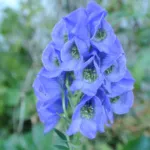 Azure Monkshood (Aconitum carmichaelii) care guideAconitum carmichaelii
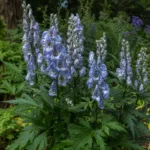 Monkshood (Aconitum ‘Stainless Steel’)Aconitum 'Stainless Steel'
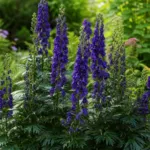 Monkshood (Aconitum ‘Bressingham Spire’)Aconitum 'Bressingham Spire'
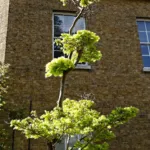 Golden full moon maple (Acer shirasawanum ‘Aureum’)Acer shirasawanum 'Aureum'
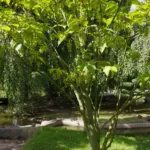
 Globosum (Acer platanoides ‘Globosum’)Acer platanoides 'Globosum'
 Striped maple (Acer pensylvanicum) care guideAcer pensylvanicum