
 Source:
Broadleaf lady palm or bamboo palm (Rhapis excelsa) short overview
Rhapis excelsa, commonly called broadleaf lady palm or bamboo palm, is a slow-growing evergreen palm from southern China to northern Vietnam. It forms dense clumps of slender, fiber-covered stems topped with glossy, fan-shaped leaves divided into blunt segments. In the United States it is especially useful as a low-light houseplant, shaded patio container, or warm-climate landscape accent, hedge, or understory planting.
Taxonomic classification
Broadleaf lady palm or bamboo palm (Rhapis excelsa) care guide
Light and placement
Place indoors near an east- or north-facing window, or several feet back from a bright south- or west-facing window behind a sheer curtain. Outdoors, use filtered light, open shade, or morning sun with afternoon shade. Too much direct sun can bleach or scorch fronds; too little light produces slower growth, sparse clumps, and weaker stems.
Watering and humidity
Water thoroughly when the top inch or two of mix begins to dry, then let excess drain fully. Keep the root zone lightly and consistently moist during active growth, but never leave the pot standing in water. Reduce frequency in winter when growth and evaporation slow. Humidity is helpful, especially indoors, but it cannot compensate for poor drainage.
Soil and growing medium
Use a loose, organic, well-drained potting mix or garden soil that retains some moisture without becoming saturated. A loam-based mix amended with compost or fine bark works well. Slightly acidic to neutral conditions are preferred; avoid chronically alkaline, compacted, or waterlogged soil, especially in containers.
Feeding
Feed during active spring and summer growth with a balanced palm or houseplant fertilizer at half strength, or use a controlled-release product according to its label. Water the plant first if the mix is dry. Reduce or stop feeding in winter and after repotting until new roots resume. Excess fertilizer can cause browned tips and salt buildup.
Growth and habit
This slow-growing palm develops new stems from underground rhizomes, gradually becoming a dense multi-stemmed clump. Established plants can spread beyond their intended footprint, so remove unwanted suckers while young. Container specimens remain manageable for years but eventually become crowded and may need division or selective thinning.
Planting and repotting
Plant outdoors in spring after frost risk has passed, or during the warm season in USDA Zones 9–11. Set the root ball at its original soil level and water thoroughly while roots establish. For a mass planting, allow about 3–4 feet between plants; use wider spacing when a looser clump is desired. Container plants should have drainage holes and protection from harsh afternoon sun.
Repot in spring only when roots have filled the container or drainage has declined. Move up one pot size at most, use a porous mix, and avoid burying the clustered stems deeper than before. Rhapis excelsa tolerates being somewhat root-bound, so frequent repotting is unnecessary. In landscape clumps, remove selected suckers rather than disturbing the whole root system.
Propagation and pruning
Propagation
Propagate by division of established clumps or by seed. Divide rhizomatous offsets in warm weather, retaining roots and several stems per section, then keep evenly moist while recovering. Seed propagation is slower and requires fresh viable seed; male and female plants are needed for seed production because the species is generally dioecious.
Pruning
Remove only dead, yellowed, or badly damaged fronds by cutting the stalk close to its base without injuring nearby stems. Do not top the palm or cut healthy leaf tips for appearance. Thin overcrowded stems or remove unwanted rhizomatous suckers when the plant is actively growing, using clean tools.
Overwintering
Bring container plants indoors before temperatures approach 50°F, especially when cold, wet weather is forecast. Keep them in bright filtered light, away from heat vents and cold drafts, and water less often while growth slows. In warm-climate landscapes, protect from freezes with frost cloth and mulch over the root zone; foliage and stems may be damaged near the lower 20s°F.
Uses
Commonly grown as a low-light houseplant, office or commercial interiorscape specimen, shaded patio container, foundation accent, understory planting, screen, or informal hedge in warm regions. It is valued primarily for foliage and structure rather than showy flowers. Do not treat it as a food or medicinal plant.
Appearance
The plant forms a dense clump of slender, upright, bamboo-like stems covered in coarse brown fiber from old leaf bases. Each stem carries several glossy, dark green, palmate leaves divided into blunt, often ragged-looking segments. The combination of fan foliage, fibrous canes, and rhizomatous clustering distinguishes it from single-trunked indoor palms.
Flowering
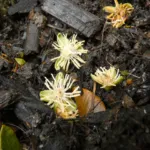
Small cream to yellowish flowers are borne on branched inflorescences emerging from the leaf sheaths. The flowers are inconspicuous compared with the foliage, and indoor plants rarely bloom. The species is generally dioecious, with male and female flowers on separate plants, so fruit and seed production requires compatible plants of both sexes.
Pollination and visitors
The flowers are structurally compatible with insect pollination, but reliable species-specific documentation of the principal visitor group was not found. Because the plant is generally dioecious, compatible male and female plants are required for seed production. Pollinator attraction is therefore recorded as unknown rather than inferred.
Rhapis excelsa photos
Click any photo for a larger view. Source, author and license are shown separately.
Diseases and pests
Diseases
Usually durable, but leaf-spot diseases may appear when foliage stays wet, air circulation is poor, or plants are stressed. Root rot is associated with saturated or poorly drained soil. Remove badly affected leaves, improve spacing and ventilation, water at the soil surface, and correct drainage before using any fungicide.
Pests
Scale, mealybugs, and mites are the main pests, especially on indoor plants or specimens stressed by dry air. Inspect leaf bases, petioles, and undersides regularly. Wipe small infestations away, isolate affected containers, improve air movement, and use horticultural oil or insecticidal soap only as directed and after testing a small area.
Toxicity and pollen
Rhapis excelsa is generally regarded as non-toxic to dogs and cats in commonly used companion-animal plant-safety references. This does not make plant material edible: chewing any fibrous plant can still cause temporary stomach upset or mechanical irritation. Keep unfamiliar plant material away from children and seek medical or veterinary advice if symptoms occur after ingestion.
- Typical season
- Spring flowering period in warm US climates; indoor flowering is uncommon
- Pollination / pollen
- Heavy, insect-associated pollen; not typically wind-dispersed
This is an insect-pollinated palm with inconspicuous flowers, and no strong evidence was found that it is a significant source of airborne pollen allergy in the United States. Pollen exposure is expected to be much lower than from wind-pollinated trees and grasses, but individual sensitivity cannot be ruled out.
Native habitat
Native from southern China through northern Vietnam, where it grows in warm, humid tropical environments, often in forest or woodland settings. It favors sheltered conditions, organic soils, and filtered light. In cultivation it tolerates lower light and somewhat drier conditions than many tropical palms, but saturated soil and severe cold remain damaging.
Interesting fact
The species spreads through underground rhizomes and can form dense clumps or thickets. Its stems resemble bamboo and are wrapped in coarse dark fibers from old leaf sheaths. Rhapis excelsa is one of the most shade-tolerant palms used in interiorscapes. The species is generally dioecious, so male and female plants are needed for seed production.
Frequently asked questions (FAQ)
The most relevant questions about this plant, with short and direct answers.
🌱Quick care
How do you care for a broadleaf lady palm or bamboo palm, Rhapis excelsa?⌄
Give Rhapis excelsa bright filtered light to shade, moderate consistent moisture, and a well-drained organic soil mix. Protect it from harsh direct sun, standing water, and freezing temperatures.
Is Rhapis excelsa a good indoor plant?⌄
Yes, Rhapis excelsa is a durable indoor palm that tolerates lower light better than many palms. Place it near bright filtered light and use a container with drainage.
How fast does Rhapis excelsa grow?⌄
Rhapis excelsa grows slowly, especially indoors or in low light. Consistent moisture, suitable warmth, and brighter filtered light support steadier growth.
🌤️Environment and placement
How much light does Rhapis excelsa need indoors?⌄
Provide bright filtered or indirect light, although Rhapis excelsa can tolerate shade and lower indoor light. Avoid strong unfiltered afternoon sun, which can bleach or scorch the foliage.
Can Rhapis excelsa grow in low light?⌄
Yes, Rhapis excelsa tolerates low light better than many palms, but growth will be slower. Very dim conditions may produce sparse growth and increase watering-related problems.
Can Rhapis excelsa grow outdoors in the United States?⌄
Rhapis excelsa can grow outdoors in warm, sheltered parts of the United States, especially USDA Zones 9 through 11. In colder areas, grow it in a container and move it indoors before freezing weather.
What temperature is too cold for Rhapis excelsa?⌄
Protect Rhapis excelsa from frost and prolonged cold; brief temperatures near 20°F may damage its foliage and stems. Move container plants indoors before temperatures approach freezing.
Can Rhapis excelsa tolerate direct sun?⌄
Rhapis excelsa can tolerate some gentle morning sun after gradual acclimation, but it generally prefers filtered light or shade. Intense midday or afternoon sun may scorch leaves and cause yellow-green foliage.
💧Care and problems
How often should you water Rhapis excelsa?⌄
Water Rhapis excelsa when the upper part of the potting mix begins to dry, then soak the root ball thoroughly and let excess water drain. Do not keep the soil constantly soggy or allow the plant to dry out severely.
Why are the leaves of my Rhapis excelsa turning brown?⌄
Brown leaves or tips commonly result from inconsistent watering, dry air, intense sun, cold drafts, salt buildup, or mineral-sensitive water. Correct the underlying stress, but already brown tissue will not turn green again.
Why does Rhapis excelsa have brown leaf tips?⌄
Brown tips are often caused by dry soil, low humidity, hard or treated water, fertilizer salts, or cold drafts. Water consistently, flush accumulated salts occasionally, and trim only the dead tissue for appearance.
Why are my Rhapis excelsa leaves turning yellow?⌄
Yellowing can result from overwatering, poor drainage, nutrient stress, aging leaves, or excessive sun. If several leaves yellow at once, check whether the mix stays wet and inspect the roots for damage.
Why is my Rhapis excelsa drooping?⌄
Drooping usually indicates water stress, root damage, temperature stress, or insufficient light. Check the soil moisture and drainage first, then move the palm away from hot sun, drafts, or cold exposure.
How do you treat spider mites on Rhapis excelsa?⌄
Rinse the fronds and undersides thoroughly, isolate the plant, and use an appropriate insecticidal soap or miticide according to its label. Repeat treatment as directed because spider mite eggs may survive the first application.
Should you mist Rhapis excelsa?⌄
Misting is optional and is not a reliable substitute for proper watering or humidity control. Good air circulation, consistent root moisture, and rinsing the foliage are generally more useful.
How often should you fertilize Rhapis excelsa?⌄
Fertilize lightly during active growth with a balanced palm or houseplant fertilizer, following the product label at a reduced rate if needed. Avoid heavy feeding because excess salts can burn the leaf tips and roots.
🪴Planting and repotting
What soil is best for Rhapis excelsa?⌄
Use a well-drained, organic loam or porous container mix that retains some moisture without becoming waterlogged. A mix containing organic matter and drainage material is suitable for containers.
Does Rhapis excelsa need a pot with drainage holes?⌄
Yes, Rhapis excelsa should be planted in a container with drainage holes. A cachepot may be used, but empty standing water after irrigation so the roots do not remain saturated.
When should you repot Rhapis excelsa?⌄
Repot Rhapis excelsa when roots fill the container, drainage becomes poor, or growth declines despite proper care. Because it grows slowly and tolerates being slightly root-bound, frequent repotting is unnecessary.
How do you plant Rhapis excelsa in the ground?⌄
Plant Rhapis excelsa in well-drained organic soil in filtered light or shade, keeping the root ball at the same level as it was growing. Choose a sheltered site protected from frost, strong wind, and hot afternoon sun.
✂️Propagation and pruning
How do you propagate Rhapis excelsa?⌄
The most practical method is dividing the clump or separating rooted offshoots from the parent plant. Seed propagation is also possible but is slower and requires suitable fresh seed and warm conditions.
Can you grow Rhapis excelsa from cuttings?⌄
Rhapis excelsa is not normally propagated from ordinary stem or leaf cuttings. Divide rooted clumps or offshoots instead, or grow it from seed when suitable seed is available.
How do you divide a Rhapis excelsa palm?⌄
Remove the plant from its container, separate a rooted offshoot or section of the clump with clean tools, and pot it in a well-drained mix. Keep the division evenly moist in bright filtered light while it re-establishes.
Can you grow Rhapis excelsa from seed?⌄
Yes, Rhapis excelsa can be grown from seed, but germination and seedling development are relatively slow. Use fresh seed, warm conditions, and a clean, well-drained medium.
How do you prune Rhapis excelsa?⌄
Remove fully brown, yellow, or damaged fronds at their base with clean, sharp pruners. Do not remove healthy green fronds unnecessarily because the palm grows slowly and needs its foliage for energy.
⚠️Toxicity and safety
Is Rhapis excelsa toxic to dogs?⌄
Rhapis excelsa is generally considered non-toxic to dogs. Even non-toxic plants may cause mild stomach upset if eaten, and fertilizers or pesticides can be hazardous.
Is Rhapis excelsa toxic to cats?⌄
Rhapis excelsa is generally considered non-toxic to cats. Prevent access to treated soil, fertilizers, and pesticides, and contact a veterinarian if a pet develops symptoms after chewing the plant.
🌸Flowering and special interest
Does Rhapis excelsa flower indoors?⌄
Rhapis excelsa can flower indoors, but flowering is uncommon and more likely in mature, vigorous plants with suitable light and warmth. Its small yellow flowers appear in clusters among the leaves.
What do Rhapis excelsa flowers look like?⌄
Rhapis excelsa produces small yellow flowers in branched clusters among the foliage. Female plants may develop small fruits if pollination occurs, although indoor fruiting is uncommon.
Similar plants
 Oenocarpus bacaba care guideOenocarpus bacaba
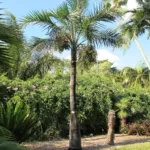 He Florida cherry palm or buccaneer palm (Pseudophoenix sargentii) care guidePseudophoenix sargentii
 Miniature date palm (Phoenix roebelenii) care guidePhoenix roebelenii
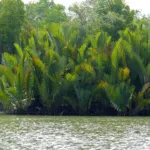 Nipa Palm (Nypa fruticans) care guideNypa fruticans
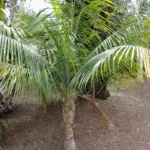 Ravenea glauca care guideRavenea glauca
 Normanbya normanbyi care guideNormanbya normanbyi