
 Source:
Pachycereus weberi short overview
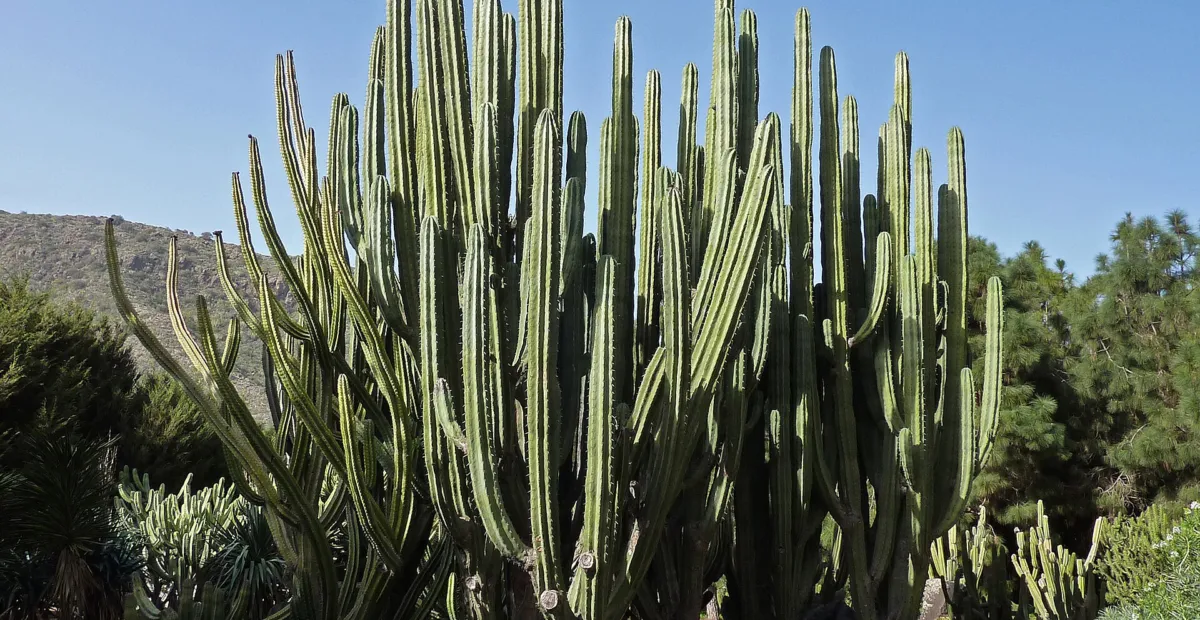
Pachycereus weberi is a giant, tree-form columnar cactus from seasonally dry regions of Mexico. Its ribbed blue-green stems become strongly branched with age and carry conspicuous areoles and spines. In U.S. gardens it is best treated as a frost-tender specimen for full sun, sharply drained soil and restrained watering. Give it substantial room outdoors, or grow young plants in containers that can be protected during cold, wet weather.
Taxonomic classification
Pachycereus weberi care guide
Light and placement
Provide full sun, ideally with unobstructed southern or western exposure and excellent airflow. Acclimate greenhouse-grown plants gradually to intense outdoor light to prevent scorching. Stretching, pale green growth and weak spines suggest insufficient light; bleached patches or tan scorch on newly exposed tissue indicate excessive light without acclimation or heat stress.
Watering and humidity
Water deeply only after the mix has dried completely, allowing excess water to drain away. During warm active growth, the interval may be roughly every 2–4 weeks depending on pot size, heat and rainfall; water much less in cool or dark conditions. Keep the root zone nearly dry in winter, especially below 50°F, and never leave the pot standing in water.
Soil and growing medium
Use a very porous cactus substrate with substantial mineral content, such as pumice, coarse grit, lava rock or perlite blended with a modest amount of potting soil. Drainage is more important than fertility. A mildly acidic to neutral substrate is suitable; avoid heavy, water-retentive garden soil and poorly drained clay.
Feeding
Feed only during active warm-season growth, using cactus fertilizer at half strength or a low-nitrogen formulation. One or two applications in spring and summer are usually sufficient in containers. Do not fertilize a recently repotted, dormant, chilled or visibly stressed plant, and avoid rich nitrogen feeding that encourages weak, soft growth.
Growth and habit
This cactus begins as an upright column and can become strongly tree-like with age, eventually producing multiple substantial branches. Growth is fastest with heat, intense light, a long growing season and dry-root conditions between waterings. Young container plants may remain narrow for years, so use a stable pot and plan for increasing weight and height.
Planting and repotting
Plant outdoors only where freezes are rare and drainage is excellent. Set the root ball at the same depth as it grew in its container; do not bury the stem. Establish with occasional deep watering, then lengthen the interval as roots spread. Leave generous clearance from paths because of the spines and eventual tree-like branching.
Repot container plants in spring when growth is resuming, using a pot with a drainage hole and only one size larger than the root system. Handle the stems with thick gloves, cardboard protection or sturdy tongs. Allow damaged roots to dry briefly before watering after repotting.
Propagation and pruning
Propagation
Propagate from fresh seed or healthy stem cuttings. For cuttings, make a clean cut during warm active growth, allow the base to callus fully, then root it in a mostly mineral, barely moist medium. Seed-grown plants are slower but preserve greater genetic variation. Avoid watering heavily before roots form.
Pruning
Pruning is rarely needed. Remove damaged, diseased or dangerously placed stems with a clean saw, wearing puncture-resistant gloves and eye protection. Make cuts during warm, dry weather and keep wounds dry. Avoid routine topping or unnecessary removal of healthy branches because wounds can become entry points for rot.
Overwintering
Protect from freezing temperatures and cold, wet conditions. Move container plants indoors, into a bright heated greenhouse or under a rain shelter before frost. Keep them in the brightest available light, provide ventilation and reduce watering sharply. Do not return plants outdoors abruptly after winter; reacclimate them to direct sun.
Uses
Primarily an architectural ornamental for frost-free landscapes, xeric collections, conservatories and large containers. Its mature scale suits botanical gardens and spacious dry gardens rather than ordinary indoor windowsills. Do not make culinary or medicinal claims without identification and preparation evidence specific to this species.
Appearance
A large, upright, columnar cactus with ribbed blue-green stems, conspicuous areoles and stout spines. Leaves are absent, with photosynthesis carried out by the green stems. With age it can develop a pronounced tree-like branching framework, making mature plants visually distinct from smaller nursery specimens.
Flowering
A mature, well-established specimen can produce large nocturnal flowers from specialized upper stem regions, but flowering is uncommon on small container plants. Exact United States flowering months and flower structure were not sufficiently cross-checked in authoritative sources for a confident seasonal code.
Pollination and visitors
Species-specific pollinator records were not located in sufficiently authoritative sources. Mature nocturnal flowers are consistent with animal visitation, but the responsible visitor group and strength of attraction remain uncertain.
Pachycereus weberi photos
Click any photo for a larger view. Source, author and license are shown separately.
Diseases and pests
Diseases
The main preventable problem is rot caused by persistently wet roots or stem tissue. Use a porous medium, a drainage hole and careful winter watering. Soft, dark or collapsing tissue should be isolated promptly; remove only sound tissue with sterilized tools and keep the wound dry while it calluses.
Pests
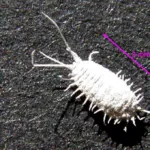
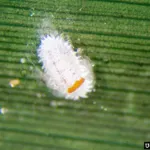
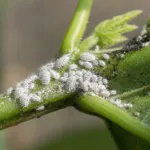
Watch for scale insects, mealybugs and spider mites, especially on stressed or overwintered container plants. Inspect areoles and stem folds regularly. Treat early infestations with a targeted horticultural oil or insecticidal soap when temperatures are moderate, testing a small area first and avoiding treatment during intense heat.
Related diseases and pests
Only Plant Doctor profiles whose host data indicate this plant may be affected are shown here.


Toxicity and pollen
No authoritative, species-specific evidence establishing poisonous tissues was located. The principal documented practical hazard is mechanical injury from spines and glochidia-like surface structures should they detach. Do not treat the plant as edible, and prevent contact with eyes, skin and mouths; seek medical advice for embedded spines or significant injury.
- Pollination / pollen
- Flower pollen; airborne relevance not established
This is a flowering cactus, so pollen is produced when flowers are open, but reliable species-specific airborne-allergy information was not located. Avoid presenting insect pollination as proof of zero allergy risk. People with strong pollen sensitivity should limit exposure to flowering plants and use normal outdoor precautions.
Native habitat
Pachycereus weberi is native to Mexico and is associated with seasonally dry tropical environments. It grows in warm regions with a pronounced dry period, where mineral soils and rapid drainage reduce root saturation. Its massive columnar form is adapted to storing water and enduring extended seasonal dryness.
Interesting fact
Kew treats Pachycereus weberi as an accepted species rather than merely a horticultural form. It is native to several regions of Mexico and belongs to a genus known for large columnar cacti. Mature plants develop a distinctly tree-like architecture, while young specimens may remain largely unbranched.
Frequently asked questions (FAQ)
The most relevant questions about this plant, with short and direct answers.
🌱Quick care
How do you care for Pachycereus weberi?⌄
Grow Pachycereus weberi in full sun, porous mineral soil, and water sparingly but deeply during active growth. Keep it nearly dry in winter, and protect it from freezing temperatures and prolonged cold, wet conditions.
Is Pachycereus weberi a good cactus for beginners?⌄
Pachycereus weberi can be manageable for beginners if they can provide intense light, excellent drainage, and frost protection. Its main challenges are its eventual size, sharp spines, and susceptibility to rot when cold soil stays wet.
How fast does Pachycereus weberi grow?⌄
Pachycereus weberi is generally a vigorous columnar cactus under warm, bright conditions, but growth speed varies with light, temperature, water, and plant age. Seed-grown plants may take many years to develop the large, branching form seen in habitat.
🌤️Environment and placement
How much sun does Pachycereus weberi need?⌄
Pachycereus weberi needs full sun for strong, compact growth and healthy spines. Acclimate a plant gradually when moving it outdoors or into intense summer sun to reduce the risk of sunburn.
Can Pachycereus weberi grow indoors?⌄
Pachycereus weberi can survive indoors only in a very bright, spacious location, preferably beside a sunny south- or west-facing window or under a strong grow light. Poor indoor light commonly produces weak, elongated growth and increases overwatering risk.
What USDA hardiness zone is suitable for Pachycereus weberi?⌄
Pachycereus weberi is best suited to frost-free USDA Zones 10b–11, although established specimens may tolerate a brief light frost. In colder parts of the United States, grow it in a container or provide a protected, heated winter location.
What temperatures are too cold for Pachycereus weberi?⌄
Keep Pachycereus weberi above about 35–40°F whenever possible, especially when the soil is damp. Brief exposure near 30°F may be tolerated by a mature plant, but frost can scar or damage the stems, particularly on young specimens.
Can Pachycereus weberi tolerate humidity?⌄
Pachycereus weberi can tolerate seasonal humidity if air circulation is good and the soil drains rapidly. High humidity combined with cool temperatures, shade, or frequent watering substantially raises the risk of fungal problems and root rot.
How large does Pachycereus weberi get?⌄
Pachycereus weberi is a tree-like cactus that can eventually reach roughly 30–50 feet in habitat, with multiple upright branches. Container plants usually remain much smaller, but they still need substantial vertical and horizontal space as they mature.
💧Care and problems
How often should you water Pachycereus weberi?⌄
Water Pachycereus weberi thoroughly only after the potting mix has dried completely, then let excess water drain away. During hot, active growth it may need more frequent watering, while winter watering should be minimal and carefully timed.
How should you water Pachycereus weberi in winter?⌄
Keep Pachycereus weberi almost completely dry during winter, especially if temperatures are cool or light levels are low. A small drink may be needed if the plant is indoors in a warm, bright location and begins to show genuine dehydration.
Why is Pachycereus weberi turning soft or dark?⌄
Soft, dark, or rapidly discolored tissue on Pachycereus weberi commonly indicates rot, often caused by excess moisture, poor drainage, or cold wet conditions. Isolate the plant, stop watering, and inspect the tissue and roots before deciding whether healthy material can be cut and rerooted.
Why is Pachycereus weberi becoming pale or elongated?⌄
Pale, thin, or stretched growth usually means Pachycereus weberi is not receiving enough light. Move it gradually toward stronger sun or supplement with a suitable grow light, while avoiding a sudden shift from shade to intense sunlight.
Does Pachycereus weberi need fertilizer?⌄
Pachycereus weberi usually needs little fertilizer when growing in fresh, nutrient-containing cactus mix. If feeding is necessary, use a dilute cactus fertilizer during warm active growth only, and stop by early fall so soft new growth is not encouraged before winter.
What pests affect Pachycereus weberi?⌄
Common cactus pests such as scale, mealybugs, and spider mites may affect Pachycereus weberi, particularly on stressed or indoor plants. Inspect areoles and new growth regularly, and treat infestations promptly with a method labeled for cacti.
🪴Planting and repotting
What soil is best for Pachycereus weberi?⌄
Use a very porous, fast-draining mineral cactus mix for Pachycereus weberi, with substantial grit, pumice, lava rock, or coarse sand. Avoid dense garden soil and moisture-retentive potting mixes, which can keep the roots wet too long.
What type of pot does Pachycereus weberi need?⌄
Plant Pachycereus weberi in a sturdy pot with a drainage hole and enough weight to prevent the tall plant from tipping. Unglazed terracotta can help the mix dry faster, while large specimens may require a heavy, stable container.
When should you repot Pachycereus weberi?⌄
Repot Pachycereus weberi during warm active growth, preferably in spring or early summer. Move it into only a slightly larger container, remove loose old soil carefully, and wait several days before watering so disturbed roots can dry and heal.
Can Pachycereus weberi be planted in the ground?⌄
Pachycereus weberi can be planted outdoors in the ground in frost-free regions with sharply draining soil and full sun. Choose a location with ample room for its future height and branches, and avoid low spots where rainwater collects.
✂️Propagation and pruning
How do you propagate Pachycereus weberi from seed?⌄
Sow fresh Pachycereus weberi seed on a sterile, well-draining cactus medium and keep it lightly moist, warm, and bright until germination. Once seedlings are established, increase drying between waterings and protect them from harsh midday sun and cold.
Can Pachycereus weberi be grown from cuttings?⌄
Pachycereus weberi can be propagated from healthy stem cuttings, although large cuttings require careful handling and support. Let the cut surface callus fully in a dry, shaded place before setting it in barely moist, gritty medium.
How long should a Pachycereus weberi cutting callus?⌄
Allow a Pachycereus weberi cutting to callus until the cut end is dry and sealed, which may take several days to a few weeks depending on diameter and conditions. Do not place an uncallused cutting into damp soil because it may rot.
Can you prune Pachycereus weberi?⌄
You can prune Pachycereus weberi to remove damaged growth, manage branching, or control its shape, but pruning is rarely needed for health. Use clean tools, wear heavy protective gloves, and allow cuts to dry before exposing the plant to rain or irrigation.
⚠️Toxicity and safety
Is Pachycereus weberi poisonous to people or pets?⌄
No species-specific toxicity classification is established for Pachycereus weberi, but that should not be interpreted as proof that it is safe to eat. The clearly established hazard is mechanical injury from its long, rigid spines and bristly fruit.
Are Pachycereus weberi spines dangerous?⌄
Yes, Pachycereus weberi has numerous sharp spines, including a prominent dark central spine that may reach several inches long. Place it away from walkways, children, and pets, and use sturdy gloves, tongs, or protective clothing when handling it.
Can Pachycereus weberi fruit be eaten?⌄
The ripe fruit of Pachycereus weberi is reported as edible in its native range, with reddish-purple pulp, but the fruit bears detachable yellowish bristles. Do not harvest or consume cultivated fruit unless the plant identity, ripeness, and safe removal of the bristles are certain.
🌸Flowering and special interest
Does Pachycereus weberi flower?⌄
Yes, mature Pachycereus weberi produces large, pale yellow to yellowish-white, funnel-shaped flowers near the upper sides of its stems. Flowering is more likely when the plant receives strong sun, warm growth-season conditions, and a cooler, drier winter rest.
When does Pachycereus weberi bloom?⌄
Pachycereus weberi is associated with winter to early-spring flowering in central Mexico, although cultivated plants may bloom at different times. The plant must first reach sufficient maturity, and young container specimens may not flower for many years.
Do Pachycereus weberi flowers open at night?⌄
Yes, Pachycereus weberi flowers open at night and are long, pale, tubular blooms produced near the ends of branches. In habitat, the flowers are associated with nocturnal pollinators, and the species is reported to be self-incompatible.
Why is my Pachycereus weberi not flowering?⌄
A young age, insufficient sunlight, excessive winter warmth or moisture, and limited root or plant development can all prevent Pachycereus weberi from flowering. Provide strong light, a dry winter rest, and patience rather than increasing fertilizer or water.
Similar plants
 Yellow lantern chili (Capsicum chinense) care guideCapsicum chinense
 Capsicum baccatum care guideCapsicum baccatum
 Serrano (Capsicum annuum ‘Serrano’)Capsicum annuum 'Serrano'
 Purple Beauty (Capsicum annuum ‘Purple Beauty’)Capsicum annuum 'Purple Beauty'
 Numex Twilight (Capsicum annuum ‘Numex Twilight’)Capsicum annuum 'Numex Twilight'
 Explosive Ember Chili Pepper (Capsicum annuum ‘Explosive Ember’)Capsicum annuum 'Explosive Ember'