
 Source:
Opuntia ‘Microdasys’ short overview
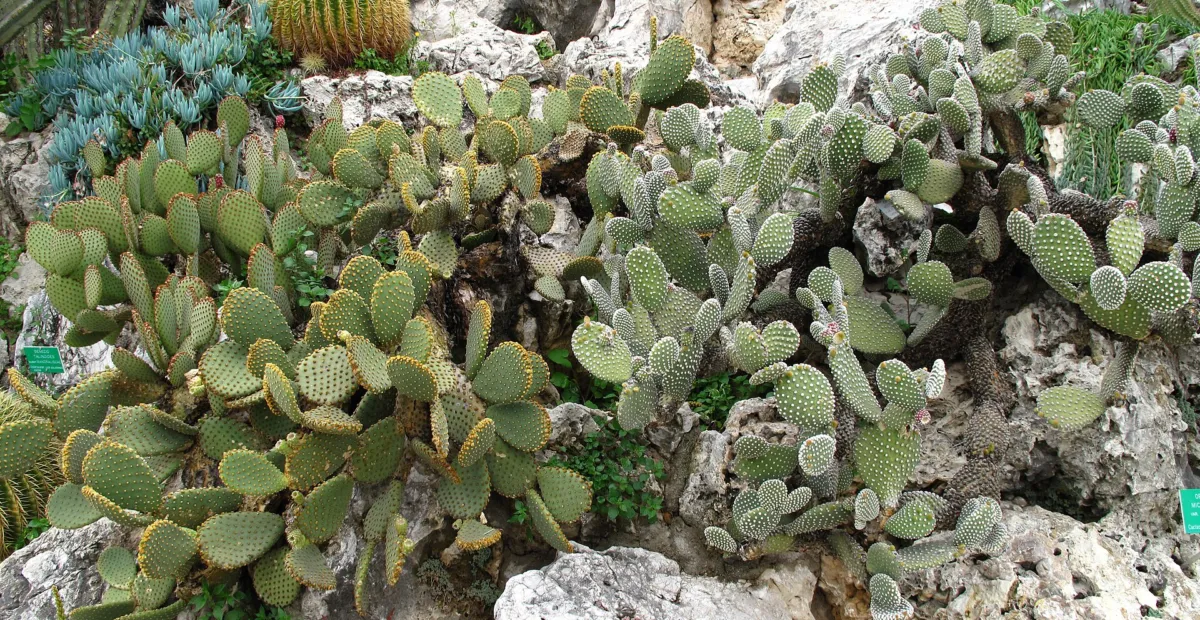
Opuntia 'Microdasys' is a compact, highly distinctive prickly-pear cactus grown for its flat green pads and polka-dot pattern of pale glochids. The pads are usually spineless in appearance, but the tiny barbed bristles detach readily and can irritate skin, so handle it with care. Give this perennial succulent intense light, a fast-draining cactus mix, sparse watering, and frost protection in most of the United States.
Taxonomic classification
Opuntia ‘Microdasys’ care guide
Light and placement
Give the plant at least 6 hours of direct sun when possible, ideally in a south- or west-facing window or an unobstructed outdoor position. Acclimate gradually after moving from low light to strong sun to prevent scorch. Too little light causes elongated, weak new pads and poor flowering; excessive abrupt sun can bleach or brown exposed surfaces.
Watering and humidity
Water thoroughly only when the mix has dried completely, then let excess drain away. During spring and summer, this may mean watering every 2–4 weeks indoors, depending on light, pot size, and heat; reduce sharply in winter and keep the plant nearly dry in cool conditions. Low humidity is beneficial, and misting is unnecessary.
Soil and growing medium
Use a gritty cactus or succulent mix with excellent drainage, ideally amended with pumice, perlite, or coarse mineral grit. A neutral to slightly alkaline reaction is suitable. Avoid dense, water-retentive soil and containers without drainage holes, because saturated roots are prone to rot.
Feeding
Feed only during active spring and summer growth. Use a balanced cactus fertilizer diluted to half the label strength once every 4–6 weeks, or use a low-nitrogen succulent fertilizer. Do not feed in winter, immediately after repotting, or while the plant is stressed, cold, or waterlogged.
Growth and habit
This perennial Opuntia develops branching, segmented pads and can form a low, spreading clump. Growth is slow in containers but may become more vigorous outdoors in heat and strong light. Limit unwanted spread by growing it in a container or removing pads with protected tools.
Planting and repotting
Plant outdoors after the danger of frost has passed, once nighttime temperatures are reliably mild. Set the root ball at its original depth; do not bury the lower pads. Space plants about 3 to 4 feet apart where a spreading clump is wanted, and water lightly only after the surrounding soil has dried.
Repot in spring only when the root system has filled the container or the mix has degraded. Wear thick gloves and use folded cardboard, tongs, or several layers of newspaper rather than handling pads directly. Move to a pot only slightly larger than the previous one and keep the plant dry for several days after repotting.
Propagation and pruning
Propagation
Propagate readily from individual pads in spring or early summer. Let a detached pad callus for several days, then place the cut end on or just barely into dry, gritty mix. Begin light watering only after roots begin to form. Seed propagation is possible but slower and less uniform.
Pruning
Pruning is rarely necessary. Remove damaged, diseased, or unwanted pads at a joint using sanitized long-handled pruners or tongs. Allow cut surfaces to dry before watering. Never handle pads bare-handed, and dispose of removed pieces where they cannot root unintentionally.
Overwintering
Bring containers indoors before frost. Keep the plant in the brightest cool location available, ideally around 50–65°F, and water very sparingly. Avoid placing it beside cold drafts or heaters. Outdoor plants in borderline climates need a rain shelter and excellent drainage, but this species should not be exposed to hard freezes.
Uses
Useful as a specimen or accent plant in containers, sunny windows, rock gardens, xeric beds, and sheltered patio displays. It can serve as a drought-tolerant ornamental and its flowers may provide resources for visiting insects. Although species-level references report edible pads and fruit, this quoted identity should be treated primarily as ornamental and all glochids must be removed before any food use.
Appearance
The plant has flattened, fleshy, oval to rounded pads joined in branching segments. Areoles form a regular spotted pattern and carry white, yellow, or reddish-brown glochids that resemble tiny tufts of fur. True spines may be absent or inconspicuous, but the glochids are extremely fine, barbed, and easily detached.
Flowering
True flowers are produced on mature, well-lit plants, most often in spring. They are solitary, bowl- to cup-shaped, creamy yellow to yellow, and followed by small red to reddish-purple fruits when pollination and growing conditions permit. Plants kept indoors commonly flower rarely or not at all.
Pollination and visitors
Opuntia flowers are consistent with insect visitation, and bees are the best-supported visitor group at the genus level. Evidence specifically documenting pollinators for the quoted identity is limited, so attraction is rated low rather than high.
Opuntia 'Microdasys' photos
Click any photo for a larger view. Source, author and license are shown separately.
Diseases and pests
Diseases
Root and stem rot are the principal disease problems and usually follow overwatering, poor drainage, or cool wet conditions. Remove affected tissue with a sterile blade, discard badly rotted plants, and correct the substrate and watering routine. Keep good air movement around the plant.
Pests
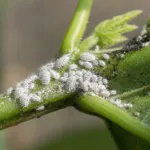
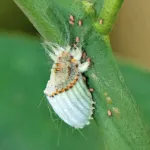
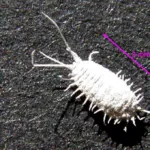
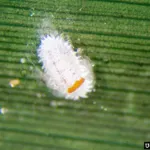
Inspect areoles and joints for mealybugs and scale. Remove small infestations with a cotton swab and 70% isopropyl alcohol, avoiding prolonged wetting of the pads. For larger infestations, isolate the plant and use a labeled cactus-safe treatment according to its instructions.
Related diseases and pests
Only Plant Doctor profiles whose host data indicate this plant may be affected are shown here.

Toxicity and pollen
The main documented exposure hazard is mechanical injury and contact irritation from detachable barbed glochids, not poisoning. Wear gloves and eye protection when handling, keep fallen bristles away from children and pets, and remove embedded glochids carefully. Ripe fruit and pads are reported edible only after all glochids are removed.
- Typical season
- Spring flowering period
- Pollination / pollen
- Flower pollen, mainly insect-transferred
This is an insect-pollinated cactus with pollen presented within conspicuous flowers rather than a wind-dispersed pollen system. General airborne allergy risk appears low, but absence of strong allergy reports should not be interpreted as proof of zero risk for sensitive individuals.
Native habitat
The species is native to dry regions of Mexico, including northeastern, northwestern, southwestern, and Gulf areas. It is associated with desert and dry shrubland conditions, mineral soils, intense sun, seasonal rainfall, and rapid drainage. Cold, persistently wet soils are unfavorable.
Interesting fact
The epithet microdasys refers to very small, shaggy hairs. Its areoles look soft and cottony, but the glochids are barbed and detach with minimal contact. New pads often appear in paired projections that create the familiar bunny-ears silhouette.
Frequently asked questions (FAQ)
The most relevant questions about this plant, with short and direct answers.
🌱Quick care
How do you care for Opuntia 'Microdasys' indoors?⌄
Give Opuntia 'Microdasys' several hours of direct sun, use a gritty cactus mix, and water only after the soil has dried completely. Reduce watering in winter and keep the plant away from frost and prolonged humidity.
How often should you water Opuntia 'Microdasys'?⌄
Water Opuntia 'Microdasys' thoroughly only when its soil is completely dry, then let excess water drain away. The interval may range from weekly in bright summer conditions to several weeks in winter, depending on temperature, pot size, and airflow.
How much light does Opuntia 'Microdasys' need?⌄
Opuntia 'Microdasys' grows best in full sun, although it can tolerate partial shade. Indoors, place it near a bright south- or west-facing window and acclimate it gradually to strong direct sun to reduce sunburn risk.
🌤️Environment and placement
Can Opuntia 'Microdasys' grow outdoors in the United States?⌄
Opuntia 'Microdasys' can grow outdoors year-round in warm, frost-free parts of the United States, especially USDA Zones 9–11. In colder areas, grow it in a container and bring it indoors before freezing weather.
Is Opuntia 'Microdasys' frost hardy?⌄
No, Opuntia 'Microdasys' is frost tender and should be protected from freezing temperatures. Move container plants indoors before frost and keep them in a bright, cool, dry location during winter.
What temperatures are best for Opuntia 'Microdasys'?⌄
Opuntia 'Microdasys' prefers warm growing conditions and a cooler, drier winter rest. Protect it from freezing temperatures, cold damp soil, and sudden temperature changes near windows or exterior doors.
Can Opuntia 'Microdasys' tolerate humidity?⌄
Opuntia 'Microdasys' prefers dry air and good ventilation rather than consistently humid conditions. Avoid steamy bathrooms, wet foliage, and tightly enclosed spaces where poor airflow can encourage rot.
Can Opuntia 'Microdasys' live in low light?⌄
Opuntia 'Microdasys' may survive in lower light but will usually grow weakly, stretch, or produce unusually narrow pads. Move it gradually toward stronger light and avoid increasing watering while it is light-starved.
💧Care and problems
Why is my Opuntia 'Microdasys' turning tall and thin?⌄
Tall, thin, or widely spaced growth usually indicates insufficient light, a condition called etiolation. Move the plant gradually into brighter light, but do not expect stretched pads to regain their original shape.
Why is my Opuntia 'Microdasys' turning yellow?⌄
Yellowing pads can result from overwatering, poor drainage, root damage, or inadequate light. Check that the soil dries fully, inspect the roots for rot, and correct the growing conditions before watering again.
Why is my Opuntia 'Microdasys' becoming soft or mushy?⌄
Soft, translucent, or mushy pads most often indicate overwatering or rot. Stop watering, remove the plant from wet soil, cut away damaged tissue if necessary, and allow healthy sections to dry before replanting in dry, sharply drained mix.
Why are the pads of my Opuntia 'Microdasys' wrinkled?⌄
Wrinkled pads usually mean the plant is using stored water, although severe root damage can cause a similar appearance. If the soil is dry and the roots are healthy, water thoroughly once and then return to a dry-out cycle.
What soil is best for Opuntia 'Microdasys'?⌄
Use a gritty, sharply drained cactus or succulent mix amended with mineral material such as pumice, perlite, or coarse sand. The container must have a drainage hole so water cannot remain around the roots.
What pests affect Opuntia 'Microdasys'?⌄
Mealybugs and scale insects are the main pests reported on Opuntia 'Microdasys'. Inspect joints and areoles regularly, isolate affected plants, and remove pests with a suitable treatment while avoiding unnecessary moisture.
🪴Planting and repotting
What type of pot is best for Opuntia 'Microdasys'?⌄
Choose a pot with a drainage hole that is only slightly larger than the root ball. Unglazed clay can help the mix dry faster, but any well-draining container is suitable if watering is controlled.
When should you repot Opuntia 'Microdasys'?⌄
Repot Opuntia 'Microdasys' in spring or early summer when active growth is beginning, usually every one to two years or when roots fill the container. Handle it with folded newspaper, thick gloves, or tongs because the glochids detach easily.
Can Opuntia 'Microdasys' be planted in the ground?⌄
Yes, it can be planted in the ground in warm, frost-free regions with full sun and very sharply drained soil. In regions with freezing winters or heavy rainfall, container culture is safer.
✂️Propagation and pruning
How do you propagate Opuntia 'Microdasys' from a pad?⌄
Separate a healthy pad, allow the cut end to callus for several days, and place it upright or shallowly in dry, well-drained cactus mix. Wait before watering, then provide bright light and only minimal moisture until roots form.
Can Opuntia 'Microdasys' grow from seed?⌄
Yes, Opuntia 'Microdasys' can be propagated from seed, although seed-grown plants develop slowly. Sow in a sterile, well-drained medium, provide warmth and light, and keep moisture controlled to prevent damping off.
Can you cut or prune Opuntia 'Microdasys'?⌄
Routine pruning is not required, but you can remove damaged, diseased, or unwanted pads with a clean tool. Wear protective gloves and eye protection, and let cut surfaces dry before replanting removed sections.
⚠️Toxicity and safety
Are the glochids on Opuntia 'Microdasys' dangerous?⌄
Yes, its tiny barbed glochids detach easily and can lodge in skin, eyes, clothing, and pet fur, causing significant irritation. Handle the plant with tools and protective gloves, and keep it away from children and animals.
Is Opuntia 'Microdasys' poisonous to cats and dogs?⌄
Opuntia 'Microdasys' is generally considered a low-toxicity plant, but its glochids create a more important injury risk than ingestion. Keep it inaccessible to pets because contact can irritate the mouth, skin, eyes, or digestive tract.
What should you do if Opuntia 'Microdasys' glochids get in your skin?⌄
Avoid rubbing the area, use adhesive tape or tweezers to lift out visible glochids, and wash gently afterward. Seek medical care for persistent pain, eye exposure, extensive embedded bristles, or signs of an allergic reaction.
Can you touch Opuntia 'Microdasys' with bare hands?⌄
You should not handle Opuntia 'Microdasys' with bare hands because its glochids are easy to miss and detach with slight contact. Use thick gloves, folded newspaper, cardboard, or long-handled tools instead.
🌸Flowering and special interest
Does Opuntia 'Microdasys' flower indoors?⌄
Opuntia 'Microdasys' can flower indoors, but it rarely does under typical houseplant conditions. Strong light, maturity, a cool dry winter rest, and vigorous seasonal growth improve the chance of flowering.
What color are the flowers of Opuntia 'Microdasys'?⌄
The flowers are generally creamy yellow to yellow and bowl-shaped. They typically appear on mature pads during spring or summer when the plant receives strong light and suitable seasonal conditions.
Why is my Opuntia 'Microdasys' not blooming?⌄
A lack of maturity, insufficient sunlight, excessive winter watering, or the absence of a cool dry rest can prevent blooming. Give the plant brighter light, excellent drainage, and reduced winter watering, while recognizing that indoor flowering is uncommon.
Does Opuntia 'Microdasys' produce fruit?⌄
Mature Opuntia 'Microdasys' may produce small red to reddish-purple fruit after flowering, particularly outdoors in favorable conditions. Handle fruit cautiously because its surface can carry the same irritating glochids as the pads.
Similar plants
 Yellow lantern chili (Capsicum chinense) care guideCapsicum chinense
 Capsicum baccatum care guideCapsicum baccatum
 Serrano (Capsicum annuum ‘Serrano’)Capsicum annuum 'Serrano'
 Purple Beauty (Capsicum annuum ‘Purple Beauty’)Capsicum annuum 'Purple Beauty'
 Numex Twilight (Capsicum annuum ‘Numex Twilight’)Capsicum annuum 'Numex Twilight'
 Explosive Ember Chili Pepper (Capsicum annuum ‘Explosive Ember’)Capsicum annuum 'Explosive Ember'