
 Source:
Neon (Epipremnum aureum ‘Neon’) short overview
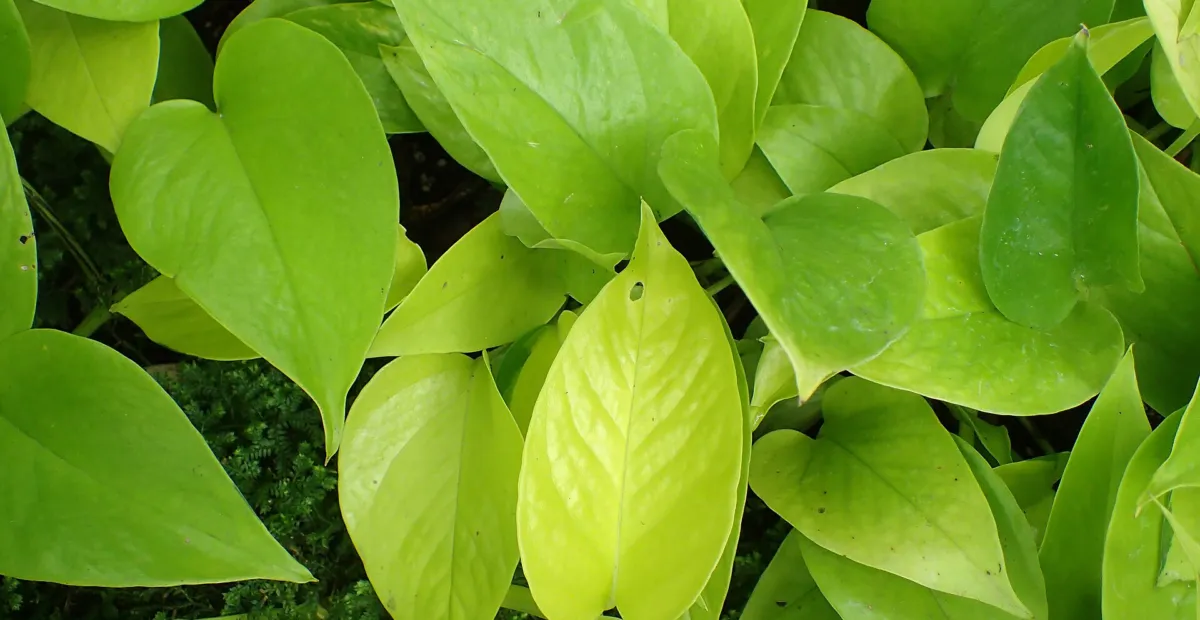
Epipremnum aureum 'Neon' is a vivid pothos cultivar with glossy, heart-shaped leaves in chartreuse to neon yellow-green. It is grown primarily as an indoor foliage plant, either trailing from a hanging basket or climbing a support. Bright, filtered light produces the strongest color, although the plant tolerates lower light. Water when the upper layer of potting mix has dried, and keep it warm and protected from frost.
Taxonomic classification
Neon (Epipremnum aureum ‘Neon’) care guide
Light and placement
Give bright, filtered light for the strongest neon color, such as near an east- or west-facing window or several feet from a bright south-facing window. It tolerates shade and low light, but growth becomes slower and stems may stretch. Harsh direct sun can bleach or scorch leaves; insufficient light can reduce vigor and intensify legginess.
Watering and humidity
Water thoroughly when the top 1–2 inches of mix feel dry, then let excess drain completely. Reduce frequency in winter or in dim conditions, and never leave the pot standing in water. Average indoor humidity is acceptable; extra humidity is useful mainly in very dry heated rooms.
Soil and growing medium
Use a loose, humus-rich houseplant mix with dependable drainage. A blend based on peat or coco coir with perlite and fine bark works well. Keep the medium moisture-retentive but never stagnant. The species tolerates a broad pH range; slightly acidic to neutral conditions are a practical target.
Feeding
Feed during spring and summer when new growth is active with a balanced liquid houseplant fertilizer diluted to half the label rate, usually every 4–8 weeks. Do not fertilize dry, freshly repotted, diseased, or dormant plants; water first if the mix is dry.
Growth and habit
This is a vigorous, evergreen vine that may trail from a container or climb when given a textured support. Regular tip pruning encourages branching and keeps foliage distributed along the plant. Unsupported stems commonly become longer and sparser over time, especially in very low light.
Planting and repotting
Plant or pot during the active growing season, setting the rooted cutting or nursery plant at its original depth. Leave space for trailing stems, or install a support at planting. Water thoroughly after potting and allow excess water to drain freely.
Repot in spring or when roots circle the container, drainage slows, or the plant dries unusually quickly. Move up only one pot size and keep the crown at the same depth. Refreshing part of the mix without a large container increase is suitable for established plants.
Propagation and pruning
Propagation
Propagate from stem cuttings containing at least one node. Root cuttings in water or a moist, airy medium during active growth; keep the node in contact with moisture but keep leaves above it. Layering is also practical for long vines. Rooted cuttings can be potted once a small root system develops.
Pruning
Tip-prune long or bare stems just above a node to encourage branching. Remove yellowing or damaged leaves with clean tools. Pruned sections can be reused as propagation material; avoid removing too much foliage at once.
Overwintering
Keep indoors year-round where frost occurs. Protect from temperatures below about 60°F, cold windows, and drafts. In winter, place it in the brightest available filtered light, water less often as growth slows, and stop feeding if it is not actively growing.
Uses
Used as an ornamental indoor foliage plant in hanging baskets, containers, shelves, and trained vertical displays. It is suitable for offices and low-light interiors, but it is not edible and should not be selected for culinary or medicinal use.
Appearance
Leaves are glossy, simple, and heart-shaped to oval with a vivid chartreuse to neon yellow-green color. Stems are slender and green, with nodes capable of producing aerial roots. The cultivar is distinguished mainly by its bright, relatively uniform foliage rather than by patterned variegation.
Flowering
Like the species, this cultivar can produce a small arum inflorescence consisting of a spadix enclosed by a spathe, but flowering is rare in ordinary indoor cultivation and is not the principal ornamental feature.
Pollination and visitors
Ordinary indoor plants rarely flower, and no reliable cultivar-specific pollinator association was identified. The inconspicuous arum inflorescence is therefore not treated as a documented pollinator resource for this cultivar in typical US cultivation.
Epipremnum aureum 'Neon' photos
Click any photo for a larger view. Source, author and license are shown separately.
Diseases and pests
Diseases
The main disease risk is root rot from saturated media, often followed by yellowing, wilting, or blackened roots. Use a draining container, empty saucers, and allow the mix to partially dry. Remove badly rotted roots when repotting. Improve airflow and avoid wetting foliage repeatedly.
Pests
Check leaf axils and stems for mealybugs, scale, and spider mites. Isolate affected plants, wipe or wash foliage, and repeat a labeled insecticidal soap or horticultural oil treatment as directed. Avoid drought stress and excessive nitrogen, which can worsen pest problems.
Toxicity and pollen
The plant contains insoluble calcium oxalate crystals. Chewing or swallowing leaves, stems, roots, or other tissues can cause immediate mouth and throat irritation, drooling, swelling, vomiting, and difficulty swallowing; sap may irritate skin and eyes. Keep it away from children and pets, and wear gloves when handling damaged tissue.
- Pollination / pollen
- Not meaningfully documented in ordinary indoor cultivation
This cultivar rarely flowers indoors, so routine airborne pollen exposure is expected to be minimal. Available horticultural references emphasize its foliage and do not establish a meaningful cultivar-specific airborne pollen risk; people with significant plant allergies should still avoid contact with sap and flowering material if symptoms occur.
Native habitat
The species is native to tropical Pacific island environments and naturally uses climbing growth in warm, humid vegetation. Container-grown plants remain juvenile and usually retain simple, heart-shaped leaves rather than developing the larger mature foliage associated with established climbing growth.
Interesting fact
The cultivar is prized for foliage that stays strongly chartreuse rather than showing the gold-and-green pattern typical of standard golden pothos. Long stems can climb using aerial roots. Mature climbing growth may develop larger leaves than an unsupported trailing plant.
Frequently asked questions (FAQ)
The most relevant questions about this plant, with short and direct answers.
🌱Quick care
What light does Epipremnum aureum 'Neon' need indoors?⌄
Give Epipremnum aureum 'Neon' bright, filtered or indirect light for the strongest growth and brightest chartreuse foliage. It tolerates lower light, but the color may become less vivid and growth may slow.
How often should I water Epipremnum aureum 'Neon'?⌄
Water when the surface of the potting mix has dried, then water thoroughly and let excess drain. Frequency varies with light, temperature, pot size, and season, so avoid following a fixed calendar.
Is Epipremnum aureum 'Neon' easy to grow?⌄
Yes, Epipremnum aureum 'Neon' is generally an easy-care houseplant when grown in bright filtered light and well-drained soil. Its main risks are chronically wet soil, harsh direct sun, and cold exposure.
🌤️Environment and placement
Can Epipremnum aureum 'Neon' grow in low light?⌄
It can survive in low light, but it usually grows more slowly and may lose some of its vivid neon color. Move it closer to a bright window with filtered light if new growth becomes weak or dull.
Can Epipremnum aureum 'Neon' tolerate direct sunlight?⌄
It can tolerate gentle morning sun, but strong afternoon sun may scorch or fade its leaves. Use a sheer curtain or place it a few feet from a bright south- or west-facing window.
Where should I place Epipremnum aureum 'Neon' in my home?⌄
Place it near an east- or north-facing window, or several feet from a brighter south- or west-facing window with filtered light. Keep it away from cold drafts, heating vents, and freezing temperatures.
Does Epipremnum aureum 'Neon' need high humidity?⌄
Average indoor humidity is usually adequate, although moderate humidity can support better leaf condition. Extra humidity is most useful when indoor air is very dry during winter heating.
What temperature is best for Epipremnum aureum 'Neon'?⌄
Keep it in a warm indoor range and protect it from frost and cold drafts. Bring it indoors before temperatures approach 50°F, because this tropical plant is frost-tender.
💧Care and problems
Why are the leaves on my Epipremnum aureum 'Neon' turning yellow?⌄
Yellow leaves most often indicate overly wet soil, poor drainage, or watering before the surface has dried. An occasional older yellow leaf can be normal, but repeated yellowing warrants checking the roots and moisture level.
Why are Epipremnum aureum 'Neon' leaves turning brown?⌄
Brown tips or patches can result from underwatering, very dry air, salt buildup, or direct sun. Check the soil before watering, flush accumulated fertilizer salts occasionally, and move the plant out of harsh sunlight.
Why is my Epipremnum aureum 'Neon' drooping?⌄
Drooping usually means the plant is either too dry or has damaged roots from staying too wet. Check the soil and roots rather than watering automatically; water if dry, but improve drainage if the mix remains soggy.
Why is my Epipremnum aureum 'Neon' losing its bright color?⌄
Insufficient light is the most common reason the foliage becomes less vivid. Move it gradually to brighter filtered light, while avoiding intense direct afternoon sun that can scorch the leaves.
How do I make Epipremnum aureum 'Neon' grow fuller?⌄
Prune or pinch long stems just above a leaf node to encourage branching, then provide bright filtered light. Rooted cuttings can also be planted back into the pot to create a fuller appearance.
What pests attack Epipremnum aureum 'Neon'?⌄
Common pests include mealybugs, scale insects, and spider mites. Inspect leaf undersides and stem joints regularly, isolate affected plants, and treat promptly with a houseplant-labeled control.
Should I fertilize Epipremnum aureum 'Neon'?⌄
Yes, feed lightly during active growth with a balanced houseplant fertilizer according to the label. Avoid heavy feeding in winter or when the plant is stressed, and do not fertilize very dry soil.
🪴Planting and repotting
What soil is best for Epipremnum aureum 'Neon'?⌄
Use a loose, humus-rich, well-drained houseplant mix that holds some moisture without staying soggy. A standard indoor potting mix amended with materials such as perlite or orchid bark can improve aeration.
Does Epipremnum aureum 'Neon' need a pot with drainage holes?⌄
Yes, use a container with drainage holes to let excess water escape. Decorative cachepots without drainage should hold a separate nursery pot rather than replacing it.
When should I repot Epipremnum aureum 'Neon'?⌄
Repot when roots circle the pot, emerge from drainage holes, or the mix dries unusually fast. Move it into a container only slightly larger than the current one and refresh the well-drained mix.
Can Epipremnum aureum 'Neon' grow on a moss pole?⌄
Yes, it can trail or climb a moss pole, stake, or trellis using its aerial roots. With strong light and support, mature growth may produce larger leaves than a freely trailing plant.
✂️Propagation and pruning
How do I propagate Epipremnum aureum 'Neon' in water?⌄
Take a stem cutting with at least one healthy node, remove the lowest leaf, and place the node in water while keeping the leaf above the surface. Move it into potting mix after roots have developed and handle the transition carefully.
Can I propagate Epipremnum aureum 'Neon' from a leaf?⌄
A leaf without a stem node usually cannot produce a new plant. Use a section of stem containing at least one node, because the node is where new roots and shoots develop.
What is the best time to propagate Epipremnum aureum 'Neon'?⌄
Spring and summer are generally the easiest times to propagate it because warmth and active growth support faster rooting. Cuttings can root at other times indoors, but progress may be slower.
How do I prune long or bare stems on Epipremnum aureum 'Neon'?⌄
Cut the stem just above a healthy node to encourage new shoots, and use suitable cut sections for propagation. Remove severely damaged or leafless sections if they no longer have viable nodes.
⚠️Toxicity and safety
Is Epipremnum aureum 'Neon' toxic to cats and dogs?⌄
Yes, it is toxic if chewed because it contains insoluble calcium oxalate crystals that can irritate the mouth and digestive tract. Keep it away from pets and contact a veterinarian if a pet chews or swallows it.
Is Epipremnum aureum 'Neon' poisonous to people?⌄
It can cause mouth, throat, skin, or stomach irritation if chewed or swallowed. Keep cuttings and fallen leaves away from children, and seek medical advice or contact Poison Control after ingestion.
Should I wear gloves when pruning Epipremnum aureum 'Neon'?⌄
Gloves are a sensible precaution because the sap and plant tissue may irritate sensitive skin. Wash your hands after pruning and keep cuttings away from children and pets.
🌸Flowering and special interest
Does Epipremnum aureum 'Neon' flower indoors?⌄
It rarely flowers in ordinary indoor cultivation, where it is usually maintained in a juvenile growth form. A healthy plant can still thrive as a foliage houseplant without producing flowers.
Why is my Epipremnum aureum 'Neon' producing small leaves?⌄
Small leaves commonly result from insufficient light, limited climbing support, pruning, or juvenile growth. Provide brighter filtered light and a moss pole or trellis if you want to encourage larger mature foliage.
Similar plants
 Exotica (Epipremnum aureum ‘Exotica’)Epipremnum aureum 'Exotica'
 Manjula (Epipremnum aureum ‘Manjula’)Epipremnum aureum 'Manjula'
 Jade Satin (Epipremnum aureum ‘Jade Satin’)Epipremnum aureum 'Jade Satin'
 Glacier (Epipremnum aureum ‘Glacier’)Epipremnum aureum 'Glacier'
 Jade pothos (Epipremnum aureum ‘Jade’)Epipremnum aureum 'Jade'
 Golden pothos (Epipremnum aureum ‘Golden’)Epipremnum aureum 'Golden'