Cold nights are hardest on small birds when wind, ice and snow make food and water difficult to find. You can help by offering dependable high-energy food, clean water, sheltered roosting places, winter-friendly plants and a safer, well-maintained feeding area. These simple changes support the birds already using your yard without trying to turn your garden into a wildlife hospital.
Birds have impressive ways to cope with winter. Their feathers trap warm air, their bodies add seasonal fat reserves and many species fluff up to create an insulating layer. Some tuck into dense evergreens, brush piles or tree cavities, while others gather in sheltered groups. Your garden can make those natural strategies easier by providing the right resources close together.
1. Offer energy-rich food when natural supplies are scarce
Short winter days leave birds less time to forage, and snow or ice can cover seeds, berries and insects. A dependable feeder is especially useful during prolonged cold snaps, heavy snow and freezing rain. It does not need to replace natural habitat, but it can bridge the gap when wild food becomes temporarily inaccessible.
Choose foods that provide useful calories
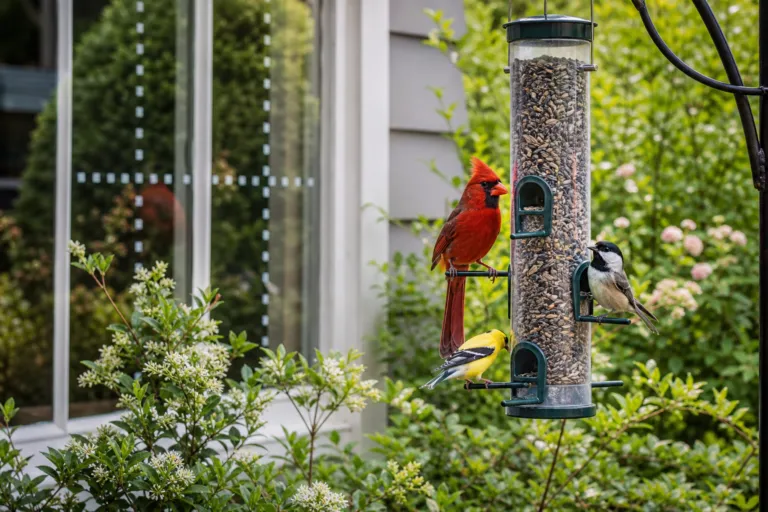
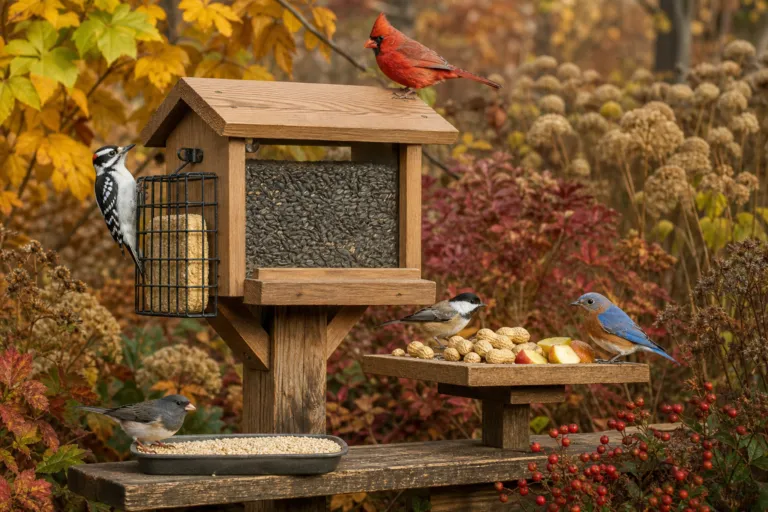
- Black-oil sunflower seeds attract a wide range of common backyard birds, including chickadees, cardinals, finches and nuthatches.
- Unsalted peanuts provide concentrated energy for chickadees, titmice, nuthatches, jays and woodpeckers. Offer them in a mesh or specialized peanut feeder.
- Suet is a practical cold-weather choice for woodpeckers and other birds that naturally eat insects. Choose a quality product intended for wild birds and follow the label directions.
- Safflower seed can be useful if you want to favor cardinals, doves and finches while making your feeding station less attractive to some larger, more aggressive visitors.
Avoid relying on cheap mixes filled with ingredients birds routinely leave behind. The discarded seed can accumulate beneath the feeder, become damp and spoil, or attract rodents. It is often more economical in the long run to buy a smaller quantity of a food birds actually eat.
Keep the feeder stocked during a severe weather event if you have chosen to maintain one. Birds quickly learn where reliable food is available, and an empty feeder during a storm can waste valuable foraging time. At the same time, remember that feeders are only one part of a healthy habitat. Native plants, leaf litter, seed heads and naturally occurring insects provide a more varied, year-round food supply.
2. Keep drinking water available through freezing weather
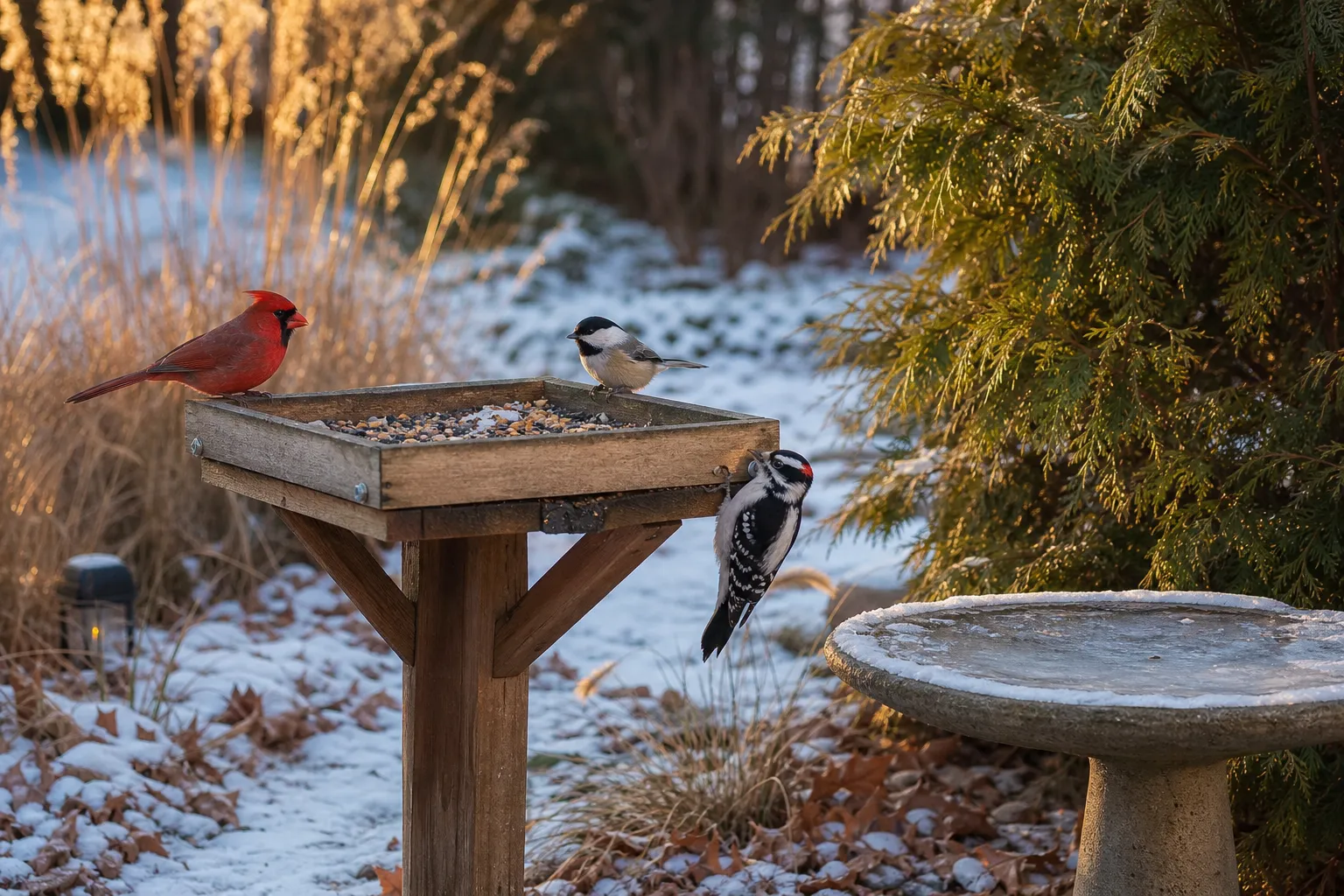
Birds need water in winter, even when they are not bathing. Many natural puddles and shallow streams freeze, and snow is not always an easy or efficient substitute. A clean birdbath can therefore be one of the most useful additions to a winter garden.
Make the bath shallow, visible and easy to clean
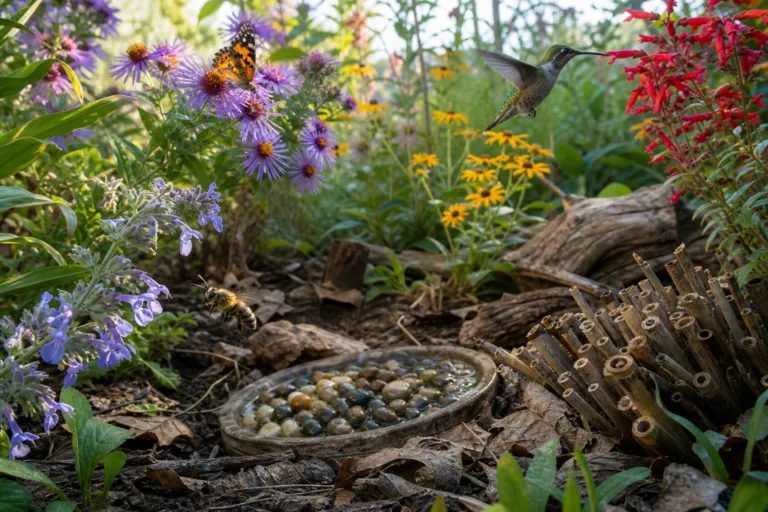
Choose a basin with a gently sloping edge and a shallow center. About 1 to 2 inches of water works well for many backyard birds, although smaller species may prefer the shallowest area. Add a few large stones or pieces of slate so birds can stand securely and choose their preferred depth.
Place the bath where birds can see it clearly, ideally near protective shrubs but not directly beneath a feeder. A location with some winter sun may slow icing and improve visibility. Do not place it so close to dense cover that a cat can hide beside it and ambush visiting birds.
In areas with regular freezes, consider a thermostatically controlled heated birdbath or a properly rated de-icer designed for birdbaths. Never improvise with household heating equipment, exposed electrical cords or chemicals intended to prevent ice. Refresh the water frequently, scrub the basin regularly and rinse it thoroughly before refilling.
Clean water matters more than a decorative design. If you notice algae, droppings, slimy surfaces or a sick-looking bird visiting the area, empty and clean the bath promptly. During unusual disease advisories, check guidance from your state wildlife agency about whether feeders and baths should temporarily be taken down.
3. Create sheltered places for overnight roosting
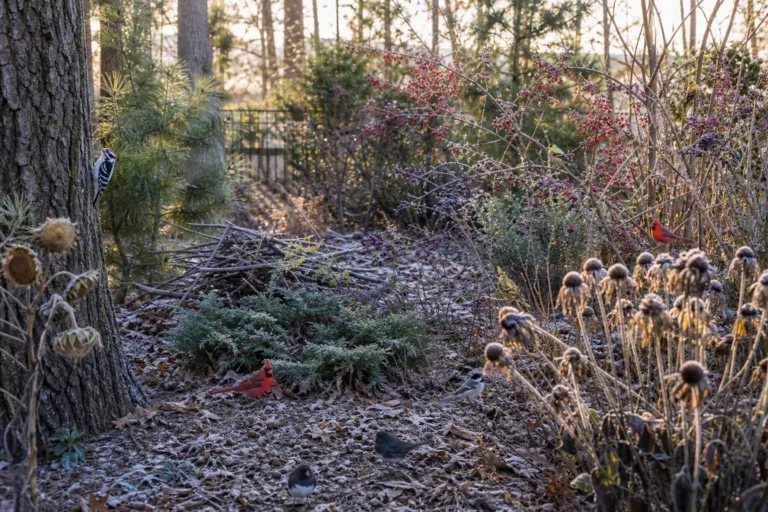
Birds do not usually sleep in their summer nests. Instead, they choose protected roosting spots that block wind, rain and snow. Dense evergreen branches, thick hedges, vine-covered fences, brush piles and tree cavities can all provide valuable cover on a long winter night.
Build shelter with what your garden already has
- Leave healthy evergreen trees and shrubs untrimmed through the coldest part of the season.
- Keep a small brush pile in a quiet corner, using sturdy branches arranged loosely enough for birds to enter.
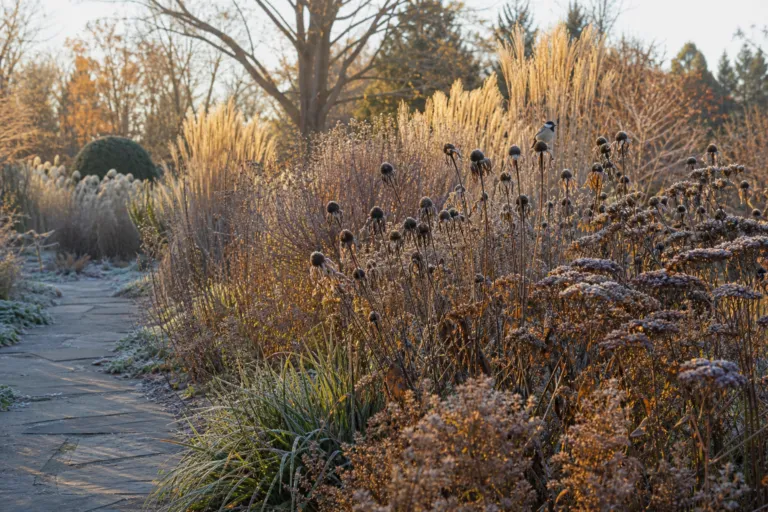
- Allow some native grasses and perennial stems to remain standing until spring.
- Leave suitable dead trees or snags in place when they are safe to retain; cavity-nesting birds may use them for shelter.
- Install a properly designed roosting box if your yard lacks natural cavities.
Roosting boxes are not the same as nesting boxes. A winter roosting box generally has fewer entrance holes, ventilation appropriate to its design and interior perches or textured surfaces that help birds shelter together. Buy or build one using a plan from a reputable wildlife organization, and position it away from prevailing winter winds.
Resist the urge to tidy every corner of the yard in autumn. Fallen leaves protect insects and soften the ground beneath shrubs, while old seed heads can feed finches and sparrows. A slightly untidy garden often offers more winter value than a perfectly bare one.
4. Plant a winter food-and-shelter network
The most lasting way to help birds is to grow a layered habitat that supplies food and cover throughout the year. Native trees, shrubs, grasses and perennials can provide berries, nuts, seeds and insects, while their branches also create protected resting places.
Think in layers, not isolated plants
Combine tall trees, medium-sized shrubs, low plants and ground cover. A mixed planting gives birds several options: a cardinal may feed in a shrub, a chickadee may search bark for insects and a sparrow may forage beneath fallen leaves.
- Evergreens offer year-round wind protection and dense roosting cover.
- Native berrying shrubs can supply fruit in fall and winter, depending on the species and local climate.
- Native grasses and seed-bearing perennials provide standing seed and places to hide.
- Oaks and other nut-producing trees support birds that feed on acorns and other mast.
- Flowering native plants support insects, which remain an important food source for many birds even outside the breeding season.
Choose plants suited to your region rather than selecting only for attractive berries. A plant that thrives in your soil and climate will produce better cover with less irrigation and maintenance. Your local extension service, native plant society or reputable nursery can help you compare options for your USDA hardiness zone.
Pay attention to sun, drainage and watering
Winter habitat plants still need appropriate growing conditions. Match sun-loving shrubs and grasses with open locations, and reserve shade-tolerant plants for the protected side of a building or beneath established trees. Good drainage is particularly important in winter, when cold, saturated soil can damage roots.
Do not assume that more water is always better. Overwatering can deprive roots of oxygen and create weak, unhealthy growth that offers less food and shelter. Before watering a newly planted shrub, check the soil several inches below the surface. If it feels cool and moist, wait; if it feels dry, water slowly and deeply when the ground is not frozen.
In my own winter planting trials, the most useful combination was not a single “bird plant” but a small layered group: an evergreen for cover, a berrying shrub for fruit and a native grass left standing for seed. The evergreen attracted birds during windy weather, while the grass continued to provide low shelter after snow had flattened many leaves.
5. Make feeding stations safer for birds
Food and water help only when birds can reach them without unnecessary hazards. Feeders concentrate wildlife, so thoughtful placement and regular cleaning are essential.
Reduce disease and spoilage
Clean seed feeders regularly with soap and water, rinse them well and allow them to dry completely before refilling. Increase the cleaning schedule during wet weather or whenever food becomes damp. Remove moldy seed and sweep up large accumulations beneath the feeder.
Use several feeding points if many birds gather. Spreading stations apart can reduce crowding and give shy species a chance to feed. If you see multiple sick or dead birds near the feeding area, stop offering food and water temporarily, clean the equipment and contact your state wildlife agency or a local wildlife rehabilitator for current advice.
Prevent window collisions and predator problems
Place feeders either very close to a window – within about 3 feet – or much farther away, ideally more than 30 feet. Birds launching from an intermediate distance can build enough speed to suffer serious injuries if they strike reflective glass. Window decals, exterior screens and patterned films can make glass easier for birds to see.
Keep cats indoors or use a secure outdoor enclosure. Position feeders so birds have nearby escape cover, but avoid placing them directly beside dense shrubs where a hidden cat could pounce. Hawks are natural predators, so their occasional visits are not automatically a sign that your feeding station is unsafe. If a predator repeatedly prevents birds from feeding, pause feeding for several days and reassess the layout.
What changes from one bird species to another?
There is no single winter setup that suits every bird. Cardinals and jays often prefer platforms or hopper feeders, while finches may favor tube feeders. Woodpeckers commonly use suet, and ground-feeding birds may be more comfortable searching beneath shrubs than perching at a hanging feeder.
Regional differences matter too. A Black-capped Chickadee may remain in a northern yard all winter, while a hummingbird’s winter needs depend strongly on the species and location. In parts of the South and West, some hummingbirds remain through winter; in colder regions, nectar feeders may freeze and require close monitoring. If you offer nectar, use the established plain sugar-water recipe for hummingbirds, keep the feeder exceptionally clean and never add dyes, honey or other ingredients.
Observe before you buy. Spend a few mornings noting which birds visit, where they already seek shelter and whether the garden stays wet, windy or exposed. Then make one change at a time. This approach saves money and helps you create a habitat that fits your local birds rather than an idealized backyard from a catalog.
A warmer welcome for the coldest nights
You do not need a large property or expensive equipment to help winter birds. A clean, shallow water source, a reliable supply of appropriate food, a dense shrub or evergreen and a little patience can make a meaningful difference during harsh weather.
Start with the resource your yard lacks most. Add shelter if the garden is exposed, water if every puddle freezes, or native plants if the landscape has little natural food. Keep everything clean, avoid overwatering your plantings and adapt your choices to the species and climate around you.
By spring, you may notice more than full feeders. You may see birds using the same evergreen at dusk, searching beneath last year’s leaves or returning to a shrub that carried fruit through February. Those quiet signs mean your garden is doing what good wildlife habitat should do: offering food, shelter and safer choices through every season.