
 Source:
 Vesalea floribunda short overview
Vesalea floribunda is a rarely grown Mexican shrub formerly treated under Abelia. It develops glossy ovate leaves, reddish young shoots and exceptionally showy, pendant tubular flowers in cerise to red-purple tones. In its native mountain habitat it grows in pine-oak forest and on rocky sites at high elevation. In the United States it is best suited to sheltered gardens in mild climates, with protection from hard freezes and consistently wet winter soil.
Taxonomic classification
Vesalea floribunda care guide
Light and placement
Grow in full sun to partial shade, preferably with morning or filtered afternoon light in hot inland locations. A south- or west-facing wall can provide useful warmth, while shelter from drying winds reduces leaf loss. Sparse, weak growth may indicate insufficient light; scorched leaves or rapid wilting can indicate excessive reflected heat or drought.
Watering and humidity
Water deeply when the upper few inches of soil begin to dry, then allow excess moisture to drain fully. Keep newly planted shrubs evenly moist during establishment; mature plants can tolerate short dry periods but should not be repeatedly stressed during active growth. Reduce watering in cool weather, especially where winter rain is frequent, and avoid waterlogged roots.
Soil and growing medium
Use a fertile but sharply drained soil or a loam-based container mix. Rocky, well-drained ground is suitable, while saturated clay and stagnant winter moisture can damage the roots. A slightly acidic to neutral reaction is a reasonable target, but a precise species-specific pH range is not well documented.
Feeding
Apply a balanced, slow-release fertilizer or a modest layer of compost in spring as new growth begins. Avoid heavy nitrogen feeding, which can produce soft shoots and reduce flowering quality. Do not fertilize drought-stressed, newly transplanted or dormant plants until they have resumed active growth.
Growth and habit
This is a much-branched shrub that can be evergreen in wet, mild conditions but may shed leaves during seasonal drought or colder stress. Young shoots can be reddish-brown and stiffly hairy. Maintain a balanced framework by removing weak or crossing stems after flowering or during the dormant period in climates where it rests.
Planting and repotting
Plant in spring after the danger of hard frost has passed, or in fall where winters are reliably mild. Set the root ball level with the surrounding soil, water deeply, and mulch lightly without covering the stem base. Allow ample room for branching and protect young plants from drying winds.
Repot container plants in spring, moving up only one pot size. Refresh part of the mix while disturbing the root ball as little as practical. Ensure the new container has generous drainage holes and do not leave the pot standing in water.
Propagation and pruning
Propagation
Use semi-ripe cuttings in summer, ideally with bottom heat and a free-draining propagation medium. Seed propagation is possible but less predictable and may require fresh, carefully handled seed. Rooting success and seed-treatment requirements are not well documented for this species, so expect moderate difficulty.
Pruning
Prune lightly after a main flush of flowering to shape the shrub and remove dead, weak or crossing branches. Avoid severe shearing, which can remove flowering wood and spoil the naturally branched structure. In frost-affected areas, wait until live growth is clear before cutting damaged stems.
Overwintering
In USDA Zone 8, place it in a protected microclimate and apply an insulating mulch over the root zone before hard freezes. Shield young plants from cold, drying wind with frost cloth when needed. Container specimens can be moved into an unheated but bright, frost-free space; avoid warm, dark rooms that encourage weak growth.
Uses
Primarily an ornamental shrub for warm borders, sheltered courtyards, conservatories and large containers. Its hanging tubular flowers provide visual interest and may offer nectar to local flower visitors, but species-specific pollinator evidence is insufficient for a stronger ecological claim. No culinary or medicinal use should be assumed.
Appearance
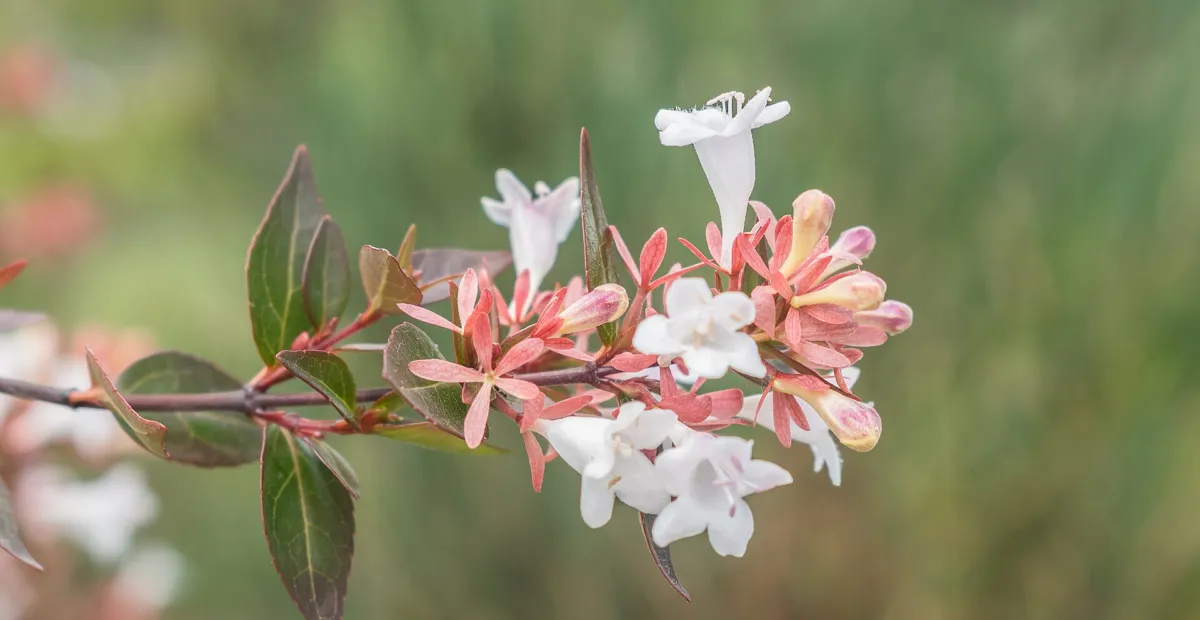
The shrub has glossy ovate, elliptic or oblong leaves with mostly entire to softly crenate margins. Young shoots are often reddish-brown and stiffly hairy, while older bark becomes grayish white. The hanging red-purple tubular corollas are unusually long and showy, with contrasting pale, yellow and orange markings toward the mouth.
Flowering
The flowers are pendant, tubular and borne singly or in compact few-flowered racemes near the ends of shoots or in leaf axils. Wild plants are reported to flower through much of the year outside the spring period, but the exact display in the United States depends strongly on winter temperatures, rainfall and cultivation.
Pollination and visitors
The tubular, nectar-bearing flower shape suggests animal visitation, but reliable species-specific records identifying the principal pollinators were not located. Local visitors may vary with elevation, climate and nearby flowering resources.
Vesalea floribunda photos
Click any photo for a larger view. Source, author and license are shown separately.
Diseases and pests
Diseases
No species-specific disease profile was located. Reduce risk by providing air circulation, avoiding chronically wet soil, watering at the root zone and removing damaged tissue. Investigate wilt, stem dieback or leaf spotting promptly, since symptoms may reflect root stress rather than a named disease.
Pests
Watch for aphids, scale insects and spider mites, especially on stressed container plants. Inspect new growth and leaf undersides regularly. Improve irrigation and airflow first; use a targeted horticultural oil or insecticidal soap only when the pest is confirmed and label directions allow.
Related diseases and pests
Only Plant Doctor profiles whose host data indicate this plant may be affected are shown here.

Toxicity and pollen
A reliable authoritative toxicity assessment for Vesalea floribunda was not located. Do not assume that the plant is edible or harmless solely because toxicity is undocumented. Keep plant material away from children and pets, and seek medical or veterinary advice after ingestion or an unusual reaction.
- Pollination / pollen
- Pollen produced in insect-associated flowers; airborne relevance undocumented
The plant is an angiosperm and produces pollen, but no dependable US airborne-pollen or allergy assessment specific to Vesalea floribunda was found. Its insect-associated floral structure may reduce widespread airborne dispersal compared with wind-pollinated plants, but allergy risk cannot be rated confidently from morphology alone.
Native habitat
Native to mountainous Mexico from central Veracruz through northern Oaxaca and into southeastern Chiapas. It is associated with subtropical pine-oak forests and rocky outcrops at roughly 6,600–9,800 ft elevation, indicating a preference for cool highland conditions, seasonal moisture and excellent drainage.
Interesting fact
The species was originally described in Vesalea and later transferred to Abelia before Vesalea was reinstated in modern taxonomic treatments. It has some of the largest and showiest flowers among the Mexican species formerly included in Abelia. Two accepted infraspecific taxa are recognized. Wild populations occur in high-elevation pine-oak landscapes.
Frequently asked questions (FAQ)
The most relevant questions about this plant, with short and direct answers.
🌱Quick care
What is Vesalea floribunda?⌄
Vesalea floribunda is a flowering shrub in the Caprifoliaceae family, native to mountainous areas of Mexico. It is also found in older references under the synonym Abelia floribunda.
What is Vesalea floribunda commonly called?⌄
No consistently documented US common name was verified for Vesalea floribunda. Some botanical references call it Mexican abelia, but the scientific name is the safest name to use.
How big does Vesalea floribunda get?⌄
Vesalea floribunda commonly grows as a multistemmed shrub about 6 to 10 feet tall, although size varies with climate and cultivation. In favorable warm climates, it may become larger.
Is Vesalea floribunda evergreen?⌄
Vesalea floribunda is semi-evergreen to evergreen in mild, moist climates. It may lose some or all leaves during a dry season or after cold exposure.
Is Vesalea floribunda the same plant as Abelia floribunda?⌄
Yes, Vesalea floribunda is the currently accepted name, while Abelia floribunda is a documented synonym. Plants sold under the older Abelia name should be checked carefully because common abelia cultivars are different plants.
🌤️Environment and placement
What USDA hardiness zones are suitable for Vesalea floribunda?⌄
Vesalea floribunda is generally best suited to USDA Zones 8 and 9, with protection in colder parts of that range. Hard freezes and cold, drying winds can damage or kill it.
Does Vesalea floribunda grow in full sun or shade?⌄
Vesalea floribunda grows in full sun to partial shade. In hot regions, afternoon shade can reduce stress, while a bright, sheltered site supports stronger flowering.
Where should I plant Vesalea floribunda?⌄
Plant Vesalea floribunda in a sheltered location with good air movement, protection from cold winds, and well-drained soil. A warm wall or protected courtyard can improve winter survival in borderline climates.
What type of soil does Vesalea floribunda need?⌄
Vesalea floribunda prefers fertile, well-drained loam or rocky soil that does not remain waterlogged. Slightly acidic to neutral conditions are a practical choice, and heavy clay should be amended for drainage.
Can Vesalea floribunda grow in a container?⌄
Vesalea floribunda can be grown in a large container where winters are too cold for outdoor planting. Use a well-draining potting mix, provide strong light, and move the plant to a protected location before hard freezes.
💧Care and problems
How often should I water Vesalea floribunda?⌄
Water Vesalea floribunda moderately, allowing the top inch of soil to begin drying before watering again. Increase watering during hot, dry weather, but avoid constantly saturated roots.
Does Vesalea floribunda need fertilizer?⌄
Vesalea floribunda benefits from light fertilization during active spring and summer growth. Use a balanced slow-release fertilizer according to its label, and avoid heavy feeding late in the season.
How do I protect Vesalea floribunda from winter cold?⌄
Protect Vesalea floribunda from hard freezes with a sheltered planting site, a thick layer of root-zone mulch, and frost cloth during severe cold. Container plants should be moved under cover before freezing temperatures arrive.
What problems commonly affect Vesalea floribunda?⌄
Vesalea floribunda is generally described as relatively free of serious pests and diseases. Poor drainage, drought, cold injury, and exposure to drying winds are more likely problems than a specific recurring disease.
🪴Planting and repotting
When is the best time to plant Vesalea floribunda?⌄
Plant Vesalea floribunda in spring after the danger of hard frost has passed, or in fall where winters are mild. Spring planting is safer in USDA Zone 8 areas because it allows roots to establish before winter.
How should I plant Vesalea floribunda in the ground?⌄
Set Vesalea floribunda at the same depth it was growing in its nursery container and backfill with well-drained soil. Water thoroughly after planting, then apply mulch while keeping it away from the stems.
Should Vesalea floribunda be repotted?⌄
Repot Vesalea floribunda when roots fill the container or water runs quickly through the root ball. Move it into a pot only one size larger and use a fresh, sharply draining mix.
✂️Propagation and pruning
How can I propagate Vesalea floribunda?⌄
Vesalea floribunda is commonly propagated from greenwood cuttings in early summer or semi-ripe cuttings in late summer. Use clean tools, a moist but well-drained rooting medium, and bright indirect light.
Can Vesalea floribunda be grown from seed?⌄
Vesalea floribunda can produce seed, but reliable home-growing instructions and seed availability are limited. Cuttings are the better-documented propagation method for maintaining the parent plant's characteristics.
When should I prune Vesalea floribunda?⌄
Prune Vesalea floribunda after its main flowering period or in late winter before strong new growth begins. Because flowers are produced on shoots associated with previous-season growth, avoid unnecessary hard pruning.
How do I prune Vesalea floribunda?⌄
Remove dead, damaged, weak, or crossing branches first, then lightly shorten overlong shoots to maintain shape. Avoid cutting the shrub back severely unless cold damage requires restorative pruning.
⚠️Toxicity and safety
Is Vesalea floribunda toxic to people or pets?⌄
No reliable toxicity classification was found for Vesalea floribunda for people or pets. Do not allow children or animals to chew the plant, and seek professional medical or veterinary advice if ingestion occurs.
Is Vesalea floribunda safe to plant around dogs and cats?⌄
Its safety around dogs and cats has not been reliably established. Because toxicity data are limited, place it where pets are unlikely to eat the leaves, stems, flowers, or fruit.
🌸Flowering and special interest
When does Vesalea floribunda bloom?⌄
Vesalea floribunda can flower for much of the year in suitable mild climates, with flowering often reduced during spring dry periods. In cooler US gardens, the main display may occur from summer into fall.
What do Vesalea floribunda flowers look like?⌄
Vesalea floribunda produces showy, pendulous tubular flowers in deep pink, red, or reddish-purple shades. The flowers can reach roughly 1 to 2 inches long and are typically not fragrant.
Why is my Vesalea floribunda not flowering?⌄
Poor flowering is often caused by insufficient light, cold damage, drought stress, or pruning at the wrong time. Give the plant bright light, consistent moderate moisture, winter protection, and only light pruning.
Does Vesalea floribunda attract pollinators?⌄
Its tubular, nectar-producing flowers are likely useful to suitable pollinators, especially long-tongued insects and hummingbirds where those animals occur. Direct, plant-specific pollinator observations are limited, so the attraction should be considered probable rather than fully documented.
Similar plants
 Yellow lantern chili (Capsicum chinense) care guideCapsicum chinense
 Capsicum baccatum care guideCapsicum baccatum
 Serrano (Capsicum annuum ‘Serrano’)Capsicum annuum 'Serrano'
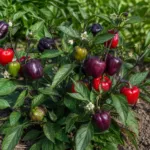 Purple Beauty (Capsicum annuum ‘Purple Beauty’)Capsicum annuum 'Purple Beauty'
 Numex Twilight (Capsicum annuum ‘Numex Twilight’)Capsicum annuum 'Numex Twilight'
 Explosive Ember Chili Pepper (Capsicum annuum ‘Explosive Ember’)Capsicum annuum 'Explosive Ember'