Skirret (Sium sisarum) short overview
Skirret is a hardy perennial root vegetable in the carrot family, grown for clusters of slender, sweet white roots harvested from fall through early spring. It forms a leafy clump and produces small white umbels in summer. Give it full sun, deep fertile soil, and consistent moisture for the best roots. Although once widely grown in Europe, skirret remains an uncommon specialty crop in United States gardens.
Taxonomic classification
Skirret (Sium sisarum) care guide
Light and placement
Plant skirret in full sun, ideally with a south-, east-, or west-facing exposure and at least 6 hours of direct light. Morning or afternoon sun is useful where summer heat is intense. Sparse, weak growth may indicate inadequate light; excessive leaf scorch or rapid wilting usually points to heat or drought rather than excessive light alone.
Watering and humidity
Keep the root zone evenly moist, especially during establishment and dry summer weather. Water deeply when the upper 1 inch of soil begins to dry, then allow excess water to drain. Reduce watering after the tops die back, but do not let overwintering roots become completely desiccated. Average outdoor humidity is normally sufficient.
Soil and growing medium
Use deep, fertile soil that holds moisture without remaining waterlogged. Loam amended with compost is suitable; heavy clay should be opened with organic matter and, where necessary, improved drainage. Sandy soil needs added compost or other moisture-holding organic matter. The plant tolerates a broad pH range, so adjustment is usually unnecessary unless soil is extremely acidic or alkaline.
Feeding
Incorporate finished compost before planting. If growth is pale or weak, apply a modest, balanced vegetable fertilizer in spring at label rate. Avoid heavy nitrogen feeding, which can produce lush tops at the expense of useful roots. Do not fertilize dormant plants or feed dry, drought-stressed soil until it has been watered.
Growth and habit
Skirret develops a perennial crown with several fleshy roots rather than one large taproot. The clump becomes more productive as it matures and can be divided while dormant. Consistent moisture and loose soil make the roots easier to clean and harvest; crowded crowns may be divided to maintain vigor.
Planting and repotting
Sow seed shallowly in early spring and keep the seedbed evenly moist until emergence. Plant divisions or crowns with the crown level with the soil surface and roots spread downward. Space plants about 12–18 inches apart in deep, weed-free soil. Mulch lightly after planting, keeping mulch away from the crown.
Container culture is possible in a deep, wide pot. Transplant or divide while dormant, using fresh fertile mix and a container deep enough for clustered roots. Avoid frequent disturbance during active root development.
Propagation and pruning
Propagation
Propagate by seed or by dividing dormant crowns. Sow fresh seed in early spring; divide established clumps from late fall through early spring and replant divisions promptly.
Pruning
Cut back stems after flowering or before lifting roots for harvest. Remove dead tops in late fall or early spring, taking care not to damage the crown.
Overwintering
The crown is cold-hardy in suitable climates. Leave dormant roots in the ground and apply a light mulch after the tops die back, particularly in exposed sites or areas with repeated freeze-thaw cycles. Ensure winter drainage is good.
Uses
Skirret is chiefly grown as an edible heritage root crop. The sweet, carrot-parsnip-like roots can be cooked, roasted, or added to soups after peeling and cleaning. It also has ornamental value from its leafy clump and white umbels and can fit into a cottage, kitchen, or perennial vegetable garden. Use only correctly identified cultivated material when eating any Apiaceae.
Appearance
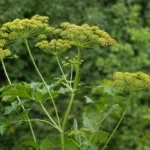
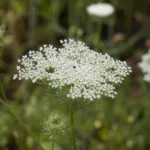
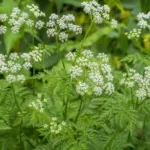
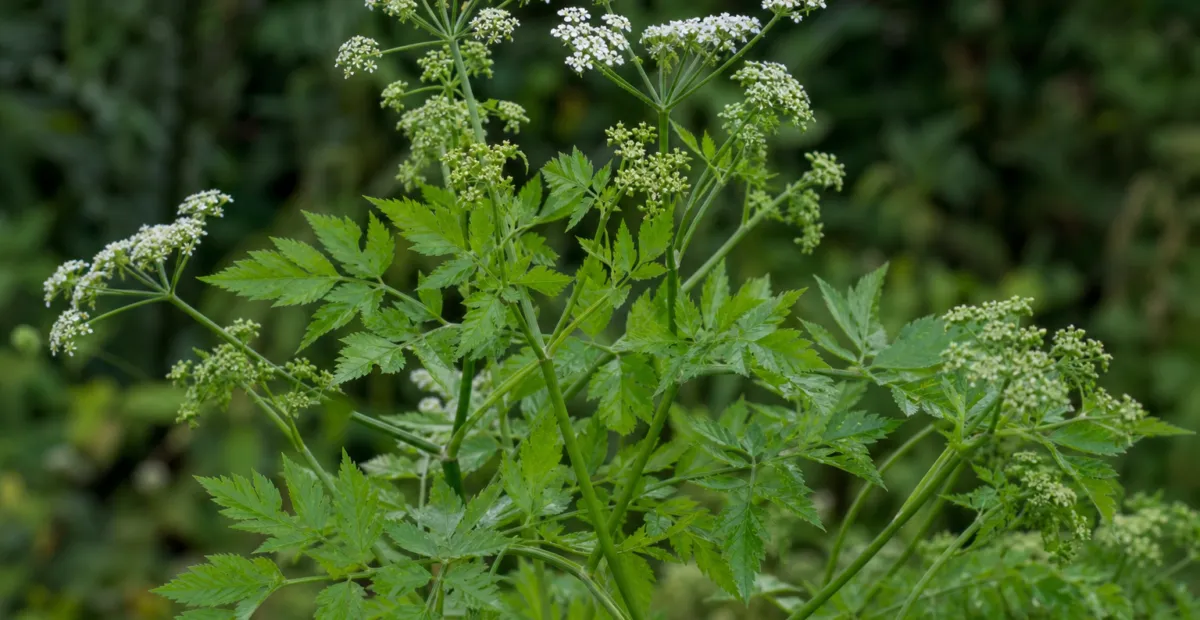
The plant has upright, branching stems and finely divided, carrot-family foliage forming a green clump. Small white flowers are arranged in flat-topped compound umbels. The most distinctive edible feature is the cluster of slender, cream-white roots arising from the crown.
Flowering
Skirret flowers in summer, producing small white flowers in compound umbels typical of Apiaceae. Flowering generally follows the main vegetative growth period. Plants grown primarily for roots may be allowed to flower, but maintaining vigorous foliage and undisturbed roots is more important for production.
Pollination and visitors
The small white umbels provide accessible nectar and pollen typical of many Apiaceae flowers and may be visited by a range of small insects. Species-specific visitor records for Sium sisarum are limited, so a precise primary pollinator cannot be assigned confidently.
Sium sisarum photos
Click any photo for a larger view. Source, author and license are shown separately.
Diseases and pests
Diseases
Skirret is generally considered low-maintenance and relatively disease-free. Prevent problems with clean planting material, crop rotation, good airflow, and soil that drains excess water. Remove badly affected foliage rather than applying broad-spectrum treatments unnecessarily.
Pests
Voles may eat the roots, and stem or bulb eelworms are reported pests. Use physical exclusion or protected beds for vole pressure, remove badly infested plants, and avoid moving contaminated soil or planting stock to new areas.
Toxicity and pollen
Skirret is historically cultivated as an edible root vegetable, but reliable species-specific pet and child toxicity data are limited. Eat only correctly identified Sium sisarum from clean cultivation, wash and prepare roots properly, and avoid confusing it with other Apiaceae, some of which are seriously poisonous. Seek professional advice after an unexpected ingestion or reaction.
- Typical season
- Usually summer during flowering
- Pollination / pollen
- Insect-dispersed pollen
Skirret releases pollen from small insect-pollinated flowers, but species-specific airborne pollen and allergy data are scarce. Insect pollination does not prove zero allergy risk. People with known Apiaceae pollen or plant sensitivities should avoid handling flowering material if it causes symptoms.
Native habitat
In its native range, skirret is associated with temperate climates of eastern and southeastern Europe and parts of Central and western Asia. It is a tuberous geophyte or helophyte and performs best in fertile, moisture-retentive ground rather than dry, impoverished sites.
Interesting fact
Skirret was once a valued European root vegetable before potatoes became dominant. Its edible roots form in clusters, unlike the single enlarged taproot of a typical carrot. The species is accepted botanically under Sium sisarum, although older literature contains several synonyms.
Frequently asked questions (FAQ)
The most relevant questions about this plant, with short and direct answers.
🌱Quick care
What is Skirret (Sium sisarum)?⌄
Skirret is a cold-hardy perennial root vegetable in the Apiaceae family, related to carrots and parsnips. It produces clusters of sweet, white storage roots and dies back above ground each year.
Is Skirret perennial or annual?⌄
Skirret is a perennial plant that can produce roots for several years from the same crown. You can harvest part of the root cluster and replant divisions to maintain the patch.
How much sun does Skirret need?⌄
Skirret grows best in full sun, meaning at least 6 hours of direct sunlight daily. In hot, dry parts of the United States, light afternoon shade can help reduce moisture stress.
How often should I water Skirret?⌄
Water Skirret whenever the soil begins to dry, keeping it consistently moist but never waterlogged. Regular moisture is especially important while the storage roots are developing.
How tall does Skirret grow?⌄
Skirret commonly grows about 3 to 5 feet tall when flowering. Its upright stems and white flower umbels make it suitable for an edible border or informal perennial garden.
🌤️Environment and placement
What soil is best for Skirret?⌄
Plant Skirret in deep, fertile, moisture-retentive but well-drained loam. Loose soil helps the roots develop and makes them easier to lift without breakage.
Can Skirret grow in clay soil?⌄
Skirret can grow in clay soil if it is improved with organic matter and drains adequately. Heavy, compacted clay can produce smaller, forked, or difficult-to-harvest roots.
Can Skirret grow in a container?⌄
Skirret can be grown in a large, deep container with fertile, moisture-retentive potting mix. Choose a container at least 12 inches deep and wide enough for the clump to expand.
What USDA hardiness zones can grow Skirret?⌄
Skirret is a cold-hardy perennial that suits many temperate parts of the United States, although exact performance depends on moisture and summer heat. Protect container-grown plants more carefully because their roots are exposed to colder temperatures.
Can Skirret tolerate drought?⌄
Skirret does not perform well under prolonged drought because dry conditions can make its roots smaller or more fibrous. Mulch the soil and irrigate during extended dry spells.
💧Care and problems
How do you care for Skirret?⌄
Give Skirret full sun, deep fertile soil, steady moisture, and a weed-free growing area. Mulching helps conserve water and keeps the shallow crown from competing with weeds.
Why are my Skirret roots thin or fibrous?⌄
Thin or fibrous Skirret roots commonly result from drought, poor fertility, shallow soil, or harvesting after the plant has resumed strong spring growth. Maintain even moisture and loosen the soil deeply before planting.
What pests attack Skirret?⌄
Skirret is generally low-maintenance but may be affected by voles, slugs, stem or bulb eelworms, and other root-feeding pests. Inspect the foliage and roots regularly, especially in persistently wet or neglected beds.
Does Skirret have many diseases?⌄
Skirret is generally considered relatively disease-free when grown in well-drained soil. Remove damaged plant material and avoid consistently waterlogged conditions to reduce problems.
Should I mulch Skirret?⌄
Yes, mulch Skirret with a layer of compost, chopped leaves, or another organic mulch. Keep mulch slightly away from the crown to prevent excessive dampness and rot.
🪴Planting and repotting
When should I plant Skirret in the United States?⌄
Plant Skirret in early spring after the soil can be worked, or in fall in areas with mild winters. For spring planting, starting seed indoors about 8 weeks before the last frost can help produce stronger plants.
How deep should Skirret seeds be planted?⌄
Sow Skirret seeds about 1/2 inch deep in finely prepared soil. Keep the seedbed evenly moist because germination can be slow and uneven.
How long does Skirret take to mature?⌄
Skirret usually needs one to two growing seasons to develop a worthwhile harvest of storage roots. Plants may produce usable roots sooner, but clumps generally become more productive as they mature.
How far apart should Skirret plants be spaced?⌄
Space Skirret plants about 12 to 18 inches apart to allow the crowns and root clusters to expand. Wider spacing is useful if you plan to leave the plants undisturbed for several years.
Can Skirret be planted with carrots and parsnips?⌄
Skirret can share a bed with carrots and parsnips when all plants have deep, fertile, well-drained soil. Rotate the bed when practical because these crops can share some root pests.
✂️Propagation and pruning
How do you propagate Skirret?⌄
Propagate Skirret from seed or by dividing established crowns and rooted side shoots. Division is usually faster and produces plants genetically identical to the parent.
Can you grow Skirret from root divisions?⌄
Yes, Skirret can be propagated from crown divisions or rooted offsets. Divide dormant clumps in late fall through early spring, ensuring each division has roots and a viable growing point.
When should Skirret be divided?⌄
Divide Skirret while it is dormant, generally from late fall through early spring before vigorous new growth begins. Replant divisions promptly, or pot small pieces until they are established.
Are Skirret seeds difficult to germinate?⌄
Skirret seeds can germinate slowly and unevenly, so patience and consistent moisture are important. Indoor sowing before the last frost or direct sowing in early spring can improve establishment.
Should I cut back Skirret after flowering?⌄
Cut Skirret stems back in late fall or early spring, or before lifting the roots for harvest. Leave the flower heads if you want to collect seed or provide seasonal interest.
⚠️Toxicity and safety
Are Skirret roots edible?⌄
Yes, the cultivated roots of Skirret are traditionally eaten as a vegetable and can be cooked like carrots or parsnips. Wash and trim them thoroughly before cooking, and discard any root that looks diseased or spoiled.
Are Skirret leaves and flowers edible?⌄
The roots are the best-documented edible part of Skirret, while claims about eating leaves, flowers, or seed pods are less consistently documented. Use those parts only when you have confirmed the plant’s identity and a reliable culinary source.
Is Skirret poisonous to people or pets?⌄
Species-specific toxicity information for Skirret is not well established, so it should not be treated as automatically safe for people or pets beyond the traditionally used roots. Never eat an unidentified Apiaceae plant because some relatives are highly toxic.
How can I tell Skirret apart from poisonous Apiaceae plants?⌄
Do not identify Skirret by appearance alone because several Apiaceae species have similar foliage and white flower clusters. Confirm the scientific identity through a reputable botanical reference or experienced local expert before eating any part.
🌸Flowering and special interest
When does Skirret flower?⌄
Skirret typically flowers in summer, producing small white flowers in umbrella-shaped clusters. The flowers are characteristic of the Apiaceae family and may be followed by seed.
Does flowering reduce Skirret root production?⌄
Flowering may divert some energy from storage-root growth, although the effect can vary with plant age and growing conditions. Remove flower stems if root production is your priority, but leave them if you want seed.
Can I save seeds from Skirret?⌄
Yes, you can save Skirret seed from mature, dried seed heads. Collect the seed when it changes from green to brown and store it in a cool, dry place.