
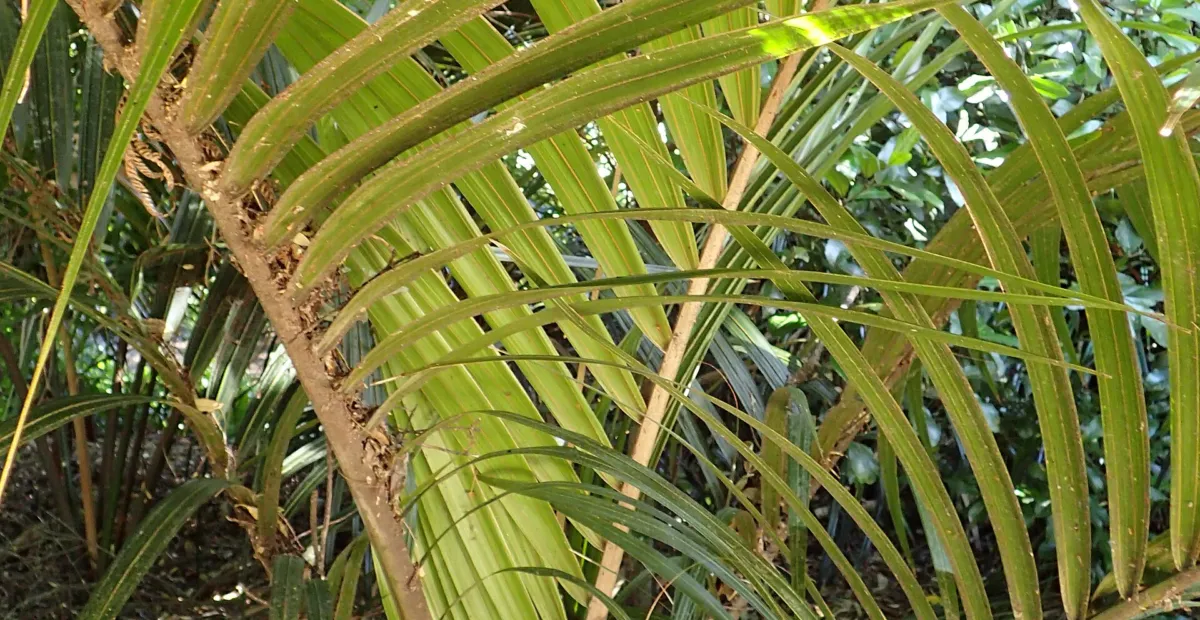
 Source:
Nikau (Rhopalostylis sapida) short overview
Nikau is New Zealand’s only native palm and one of the world’s southernmost palms. This slow-growing evergreen forms a slender, ringed trunk topped by a smooth green crownshaft and an upright crown of finely divided fronds. Mature plants produce clusters of lilac-pink flowers followed by red fruits. In the United States, grow it outdoors only in mild, sheltered, frost-free climates; elsewhere it is best suited to a cool conservatory or bright container culture.
Taxonomic classification
Nikau (Rhopalostylis sapida) care guide
Light and placement
Provide bright filtered light or partial shade, with protection from harsh afternoon sun, reflected heat, and drying wind. An east- or north-facing position in the Northern Hemisphere is usually suitable; a lightly shaded west exposure can work in cool, humid climates. Pale, scorched fronds indicate excessive sun or dryness, while stretched growth and weak, dark foliage suggest insufficient light.
Watering and humidity
Water thoroughly when the upper inch of the medium begins to dry, then allow excess water to drain completely. Keep the root zone evenly moist during spring and summer, reducing frequency in cool winter conditions without allowing the plant to become bone dry. High humidity helps prevent browning, especially indoors, but does not compensate for poor drainage.
Soil and growing medium
Use a rich, moisture-retentive but freely draining soil with substantial organic matter. Loam or sandy loam is suitable. A mildly acidic to neutral mix is ideal, although the species tolerates a broader pH range if drainage and nutrition are good. Avoid stagnant, waterlogged soil.
Feeding
Feed in spring and summer with a complete palm fertilizer containing nitrogen, potassium, magnesium, and micronutrients. Apply at label strength to already-moist soil and stop or greatly reduce feeding in winter. Do not fertilize drought-stressed, recently repotted, or cold-damaged plants.
Growth and habit
A solitary, slow-growing palm with a columnar trunk and a compact crown. It eventually becomes a substantial specimen, but young plants remain trunkless for years. Protect the root zone from drying and avoid unnecessary disturbance because recovery from transplanting can be slow.
Planting and repotting
Plant in spring after cold weather has passed. Set the root ball at the same depth as it was growing, never burying the crownshaft or trunk base. Allow approximately 6–10 feet between plants where a full crown and trunk are desired. Water deeply during establishment and shelter from drying winds.
Repot container plants only when roots have substantially filled the pot, preferably in spring. Move up one pot size, disturb the root ball as little as possible, and use a stable, free-draining palm mix. Large specimens are better top-dressed than repeatedly shifted.
Propagation and pruning
Propagation
Propagate from fresh seed. Clean the fruit, sow promptly in a warm, airy, moisture-retentive medium, and keep evenly moist. Germination commonly takes several weeks to a few months, and seedlings develop slowly. Division and cuttings are not practical methods for this solitary-trunked palm.
Pruning
Little or no routine pruning is needed. Remove only completely dead or badly damaged fronds, cutting close to the base without injuring the crownshaft. Never cut the growing point, and avoid stripping green fronds to expose the trunk.
Overwintering
Protect from frost, freezing winds, and cold wet soil. Move container plants into a cool, bright greenhouse or conservatory before temperatures approach freezing. Water less in winter and avoid feeding during cold, low-light periods. Do not place overwintered plants beside hot dry heating vents.
Uses
Used primarily as an architectural ornamental for sheltered gardens, courtyards, conservatories, and large containers. Its evergreen form suits woodland-style and subtropical plantings. It is not recommended as a food crop in ordinary home cultivation because preparation and cultural context for edible growing points are specialized.
Appearance
The palm has a slender, ringed trunk with prominent gray-green leaf scars and a smooth, glossy, swollen green crownshaft. Long feather-like fronds form an upright shuttlecock-shaped crown, with closely spaced narrow leaflets that may arch or droop with age. Red oblong fruits follow the flower clusters.
Flowering
Separate male and female flowers are densely arranged on branched inflorescences beneath the crownshaft. Flowers are typically lilac to pink or lilac-cream, and red oblong fruits develop afterward, often taking many months to mature.
Pollination and visitors
The flowers provide resources for native bird visitors and other small flower-visiting insects in New Zealand. Available sources do not establish one consistently documented pollinating insect species for the accepted taxon, so no species-level pollinator is assigned.
Rhopalostylis sapida photos
Click any photo for a larger view. Source, author and license are shown separately.
Diseases and pests
Diseases
Generally trouble-free when grown with good airflow and drainage. Root problems are most likely in persistently waterlogged soil. Remove badly damaged tissue with clean tools and correct drainage or watering issues rather than applying routine fungicides.
Pests
Scale insects, mealybugs, and glasshouse red spider mites may occur, especially on stressed container plants. Inspect leaf bases and undersides regularly, isolate infested plants, improve airflow, and use a proportionate horticultural oil or insecticidal soap treatment according to the product label.
Toxicity and pollen
No reliable authoritative evidence was found identifying Rhopalostylis sapida as toxic to people or domestic animals. Do not confuse it with cycads such as sago palm, which are highly toxic. Avoid consuming ornamental plant material unless identity and preparation are independently verified.
- Typical season
- Spring to summer in the United States when cultivated outdoors
- Pollination / pollen
- Heavy insect-associated pollen; limited airborne dispersal
This is an insect-associated flowering palm rather than a strongly wind-pollinated plant, so airborne pollen exposure is expected to be limited compared with wind-pollinated trees and grasses. Sensitive individuals should still avoid direct contact with flowering material and monitor their own symptoms.
Native habitat
Native to lowland and coastal forests of northern and central New Zealand, extending southward and occurring on the Chatham Islands. It favors humid, mild climates, fertile soils, sheltered forest margins, and sites with reliable moisture but good drainage.
Interesting fact
Nikau is New Zealand’s only native palm and grows farther south than any other naturally occurring palm species. Its trunk is marked by regular leaf scars and its crownshaft is characteristically swollen and smooth. The species is associated with lowland forest and coastal habitats.
Frequently asked questions (FAQ)
The most relevant questions about this plant, with short and direct answers.
🌱Quick care
What is Nikau (Rhopalostylis sapida)?⌄
Nikau is a slow-growing evergreen palm native to New Zealand and the only palm species native to mainland New Zealand. It develops a ringed trunk, a smooth crownshaft, and upright, feather-like fronds.
How much light does Nikau need?⌄
Nikau grows best in bright filtered light to partial shade. Protect it from intense afternoon sun, especially when young or grown in a container.
How often should I water Nikau?⌄
Water Nikau whenever the soil surface begins to dry, keeping the root zone evenly moist but never waterlogged. Reduce watering during cool, low-light periods, but do not allow the plant to dry out completely.
Is Nikau easy to grow in the United States?⌄
Nikau can be grown outdoors in mild, humid, frost-free areas of the United States and in containers elsewhere. In colder regions, it needs protected cultivation such as a cool greenhouse or bright indoor space.
🌤️Environment and placement
Can Nikau grow indoors?⌄
Nikau can grow indoors when provided with bright indirect light, consistent moisture, good humidity, and adequate ventilation. Its slow growth and eventual size make it more practical as a young container plant than as a permanent houseplant.
Can Nikau grow in full sun?⌄
Established Nikau may tolerate brighter conditions, but partial shade or filtered light is the safer choice. Increase sun exposure gradually to reduce leaf scorch, particularly in hot or dry climates.
What USDA hardiness zones are suitable for Nikau?⌄
Nikau is best suited to frost-free or nearly frost-free locations and should not be treated as reliably hardy in freezing climates. Because local exposure and winter lows vary, container culture is safer in most areas that experience regular freezes.
How cold can Nikau tolerate?⌄
Nikau is frost tender and may tolerate only brief, light frost with limited damage in a sheltered location. Freezing temperatures, sudden cold drops, and prolonged exposure can severely injure or kill the palm.
Where should I place Nikau outdoors?⌄
Place Nikau in a sheltered spot with bright filtered light or partial shade, protection from drying winds, and rich, moist, well-drained soil. A humid coastal or woodland-style setting is particularly suitable.
Can Nikau tolerate wind?⌄
Nikau handles some exposure once established, but strong or drying winds can shred fronds and increase moisture stress. Shelter young palms and container plants from persistent wind.
💧Care and problems
What type of soil does Nikau need?⌄
Nikau prefers rich, moist, well-drained loam or sandy loam. The soil should retain moisture while allowing excess water to drain freely, since constantly saturated roots can decline.
Why are Nikau leaves turning brown?⌄
Brown leaf tips or margins usually indicate drought stress, dry air, wind exposure, salt buildup, or excessive direct sun. Check soil moisture and drainage first, then move the palm to a more sheltered, filtered-light position if needed.
Why are Nikau leaves turning yellow?⌄
Yellowing leaves can result from overwatering, poor drainage, inadequate light, nutrient deficiency, or normal aging of older fronds. If the soil stays wet, improve drainage and allow the surface to dry slightly between waterings.
Does Nikau need high humidity?⌄
Nikau performs best in moderate to high humidity, especially indoors or in dry climates. Grouping plants, using a humidifier, or placing the container in a sheltered outdoor location can reduce dry-air stress.
What pests affect Nikau?⌄
Nikau may be affected by scale insects, mealybugs, and occasionally spider mites, particularly under glass or in dry indoor conditions. Inspect fronds and the crown regularly and treat infestations promptly with an appropriate labeled product.
Does Nikau need fertilizer?⌄
Nikau benefits from light feeding during active growth with a balanced palm fertilizer or controlled-release fertilizer. Avoid heavy applications, especially in poorly drained soil or during cool winter conditions.
🪴Planting and repotting
Can Nikau be grown in a container?⌄
Nikau grows well in a container when the pot has drainage holes and the growing medium remains moist but well drained. Use a sturdy pot and repot only when the roots have substantially filled the existing container.
When should I repot Nikau?⌄
Repot Nikau in spring or early summer when active root growth can help it recover. Move it into only one pot size larger, because an oversized container can retain excess moisture around the roots.
Can I transplant an established Nikau?⌄
Established Nikau can be difficult to transplant because its roots recover slowly, so moving it carries a significant risk of setback. Transplant only when necessary, preserve as much of the root ball as possible, and provide careful moisture management afterward.
How do I protect Nikau from frost?⌄
Protect Nikau before freezing weather by moving container plants indoors or under cover and wrapping or sheltering outdoor specimens. Keep the crown dry and insulated during cold snaps, but avoid sealing the plant in stagnant, wet conditions.
✂️Propagation and pruning
How do you propagate Nikau?⌄
Nikau is propagated from fresh seed rather than cuttings. Press whole fruit into a seed-starting mix, cover it lightly, keep it warm and shaded, and maintain steady moisture.
How long do Nikau seeds take to germinate?⌄
Fresh Nikau seeds commonly germinate within about two to three months, but some seedlings may take longer. The emerging seed can remain attached to the root and shoot for a year or more, so avoid disturbing it prematurely.
Can Nikau be grown from store-bought palm seeds?⌄
Nikau is most reliably grown from fresh, correctly identified seed because viability declines with age. Dried or misidentified palm seeds may germinate poorly or produce a different species.
Does Nikau need pruning?⌄
Nikau generally does not need routine pruning. Remove only completely dead or damaged fronds with clean tools, and do not cut the central growing point or healthy green leaves.
⚠️Toxicity and safety
Is Nikau toxic to cats, dogs, or people?⌄
No documented toxicity for Nikau was located in the available research, but this should not be treated as proof that every plant part is safe to eat. Prevent pets and children from chewing the plant, and contact a poison-control or veterinary service if ingestion causes symptoms.
🌸Flowering and special interest
When does Nikau flower?⌄
Nikau produces scented pink to lilac flowers intermittently, commonly during spring through fall in suitable climates. Flowering is more likely on mature plants and may be irregular from year to year.
Does Nikau produce fruit?⌄
Yes, Nikau produces rounded or oblong red fruits after flowering. The fruits can take approximately a year to ripen and contain seeds used for propagation.
How old does Nikau need to be before flowering?⌄
Nikau usually needs many years to reach flowering maturity, and the exact age varies with climate, plant size, and growing conditions. Young container specimens may remain vegetative for a long time.
Why is my Nikau not flowering?⌄
A Nikau may not flower because it is still immature, growing slowly in a container, receiving insufficient light, or experiencing cold or other environmental stress. Flowering is naturally intermittent, so a healthy plant may skip seasons.
Similar plants
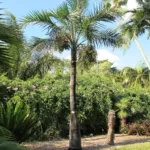 He Florida cherry palm or buccaneer palm (Pseudophoenix sargentii) care guidePseudophoenix sargentii
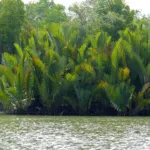 Nipa Palm (Nypa fruticans) care guideNypa fruticans
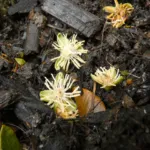 Normanbya normanbyi care guideNormanbya normanbyi
 Pelagodoxa henryana care guidePelagodoxa henryana
 Ravenea glauca care guideRavenea glauca
 Pritchardia pacifica care guidePritchardia pacifica