
 Source:
 Aubrieta ‘Royal Blue’ short overview
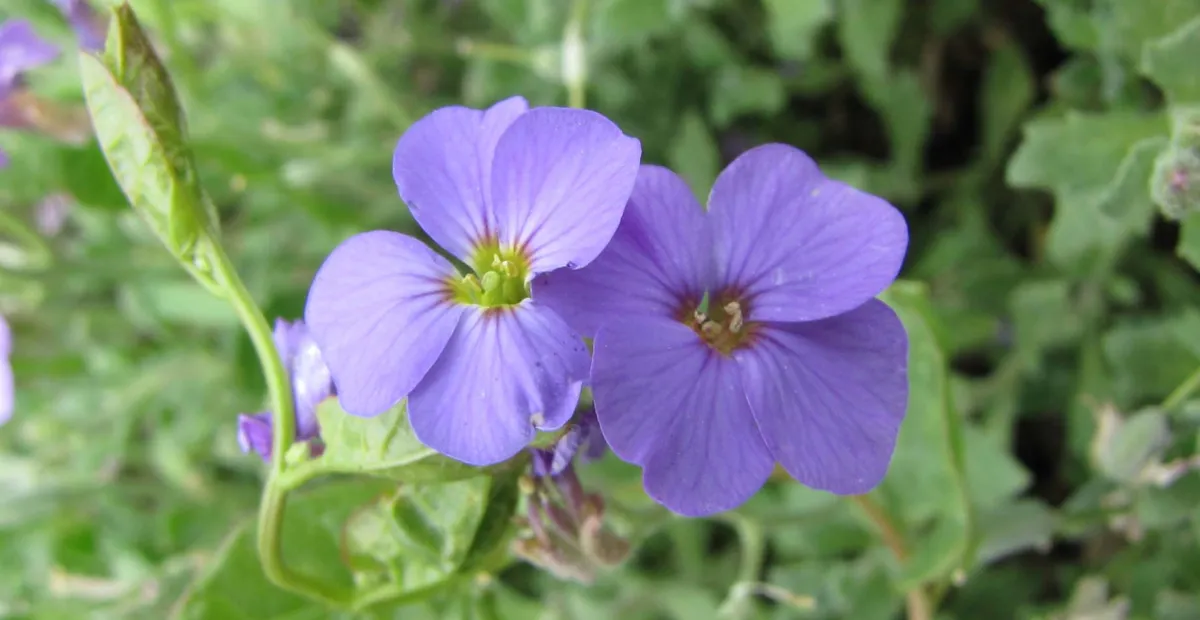
Aubrieta 'Royal Blue' is a compact, evergreen perennial that spreads into a low mat of small grey-green leaves. In spring, it becomes covered with rich blue to violet-blue, four-petalled flowers. Give it full sun, excellent drainage and neutral to alkaline soil. It is especially useful for rock gardens, wall crevices, gravel beds, sunny slopes, edging and containers, where light trimming after flowering helps maintain a dense habit.
Taxonomic classification
Aubrieta ‘Royal Blue’ care guide
Light and placement
Provide at least 6 hours of direct sun, ideally in a south- or west-facing bed, wall top or rock garden. Light afternoon shade can help in very hot regions, but dense shade causes sparse flowering and looser growth. Pale, stretched stems suggest insufficient light; scorched foliage or rapid drying suggests excessive heat combined with drought.
Watering and humidity
Water deeply when the top 1–2 inches of soil dries during establishment, then allow the planting to dry moderately between waterings. Reduce irrigation in cool or rainy weather and avoid wet crowns through winter. Container plants need more frequent checks, but drainage is more important than high humidity.
Soil and growing medium
Use a gritty, sharply drained soil or potting mix with added gravel or coarse sand. Aubrieta tolerates chalky and calcareous conditions and generally performs best in neutral to alkaline soil. Avoid heavy, water-retentive beds and winter-wet clay; in containers, use a porous mix with a drainage hole.
Feeding
Feed sparingly. Apply a thin layer of compost in spring or use a balanced, slow-release fertilizer at the low end of the label rate as growth begins. Avoid repeated high-nitrogen feeding, which can produce soft foliage and fewer flowers. Do not fertilize drought-stressed, newly divided or waterlogged plants.
Growth and habit
This cultivar forms a low, spreading to creeping mat rather than an upright clump. Stems can trail over stones and wall edges. Trim lightly after flowering to prevent a loose, woody center and to encourage fresh branching; avoid severe autumn cutting, which can reduce the following spring display.
Planting and repotting
Plant in spring or early fall when the soil is workable. Set the crown at soil level rather than burying it. Space plants about 12–18 inches apart, allowing room for the mat to spread. Water regularly during the first growing season, then reduce irrigation once roots are established.
Repot container plants in early spring just before strong growth begins, or after flowering. Move only one pot size larger and disturb the shallow root system as little as possible. Replace compacted mix with a gritty, fast-draining perennial mix; do not leave the crown buried beneath wet compost.
Propagation and pruning
Propagation
Propagate from seed, softwood or semi-hardwood cuttings, or division. Sow seed in a cold frame in fall or spring and barely cover it. Take softwood cuttings in late spring or semi-hardwood cuttings in late summer. Division is practical in spring or immediately after flowering, but small divisions establish more reliably with careful watering.
Pruning
After flowering, shear or pinch back lightly to remove spent stems and keep the mat compact. Avoid cutting deeply into old, bare woody growth, and avoid heavy autumn pruning because winter foliage helps protect the crown and supports spring regrowth.
Overwintering
Aubrieta is generally hardy outdoors in USDA Zones 4–9 when planted in well-drained soil. In cold regions, protect container roots with an insulated location or move pots against a sheltered wall. Do not cover the crown with wet mulch; use a thin, breathable mulch only where winter heaving is a problem.
Uses
Use as a flowering ground cover, rock-garden plant, wall or crevice plant, edging, sunny slope cover, alpine-trough specimen or container spiller. Its evergreen foliage provides structure outside the bloom period. It is ornamental only; no culinary or medicinal use is established for this cultivar.
Appearance
Small ovate leaves are grey-green, slightly hairy and sometimes shallowly toothed. Short, branching stems form a dense evergreen cushion, with flowering stems rising only slightly above the foliage. The plant is recognized by its compact mat, persistent foliage and abundant blue-violet spring flowers.
Flowering
Flowers are borne in short racemes and appear in a concentrated spring display, usually from April into May in much of the United States. The individual blooms are small and four-petalled, and flowering is strongest after a cool winter followed by bright weather. Light trimming after bloom can encourage a denser, tidier mound.
Pollination and visitors
The open, nectar- and pollen-bearing flowers are visited by bees, bumblebees and some butterflies. Evidence is stronger for Aubrieta cultivars and hybrids as a group than for 'Royal Blue' alone; no specific pollinator species is sufficiently documented here to name.
Aubrieta 'Royal Blue' photos
Click any photo for a larger view. Source, author and license are shown separately.
Diseases and pests
Diseases
White blister and root problems may occur, especially where foliage or crowns stay wet. Improve air movement, avoid overhead irrigation, remove badly affected material and maintain sharp drainage. Do not compost diseased debris. Healthy plants in open, sunny sites usually have few serious disease problems.
Pests
Aphids, flea beetles and occasionally leaf or bud eelworms may affect plants. Check new growth and undersides of leaves, use a strong water spray for minor aphid infestations, and protect young plants from flea beetle feeding with row cover. Avoid stressed, overcrowded growth and remove heavily damaged foliage.
Toxicity and pollen
No established toxicity was identified for this exact cultivar in the horticultural references consulted, and several nursery records describe Aubrieta 'Royal Blue' as non-toxic. Formal plant-poisoning evidence specific to the cultivar is limited, so avoid treating the plant as edible and prevent ingestion of large amounts by children or pets.
- Typical season
- Spring flowering season, chiefly April–May in much of the United States
- Pollination / pollen
- Insect-released pollen from open mustard-family flowers
Aubrieta is insect-pollinated, but its flowers still produce pollen. The cultivar is not documented as a major US airborne-allergen source, so concern is assessed as low rather than absent. People with strong pollen sensitivity should avoid handling flowering plants closely and monitor personal symptoms.
Native habitat
Aubrieta species are associated with rocky, sunny habitats of southeastern Europe and western Asia, including limestone slopes, cliffs and crevices. In cultivation, the plants reproduce that ecology best in lean, mineral, fast-draining soil with strong light and limited winter moisture.
Interesting fact
The genus Aubrieta is named after French botanical illustrator Claude Aubriet. Aubrieta flowers have the typical four-petalled structure of the mustard family. The cultivar is valued for covering wall tops and rock surfaces with spring color while retaining evergreen foliage.
Frequently asked questions (FAQ)
The most relevant questions about this plant, with short and direct answers.
🌱Quick care
What is Aubrieta 'Royal Blue' like?⌄
Aubrieta 'Royal Blue' is a low-growing, mat-forming evergreen perennial with gray-green foliage and rich blue to violet-blue flowers. It typically reaches about 4–6 inches tall and can spread roughly 12–23 inches in suitable conditions. ([rhs.org.uk](https://www.rhs.org.uk/plants/46419/aubrieta-royal-blue-royal-series/details?utm_source=openai))
Is Aubrieta 'Royal Blue' easy to grow?⌄
Yes, Aubrieta 'Royal Blue' is generally easy to grow when planted in full sun and sharply drained soil. The main risk is prolonged wetness around the roots, especially in heavy or poorly drained ground. ([perennials.com](https://www.perennials.com/plants/aubrieta-royal-blue.html?utm_source=openai))
🌤️Environment and placement
How much sun does Aubrieta 'Royal Blue' need?⌄
Give Aubrieta 'Royal Blue' full sun for the strongest growth and heaviest flowering, ideally at least 6 hours of direct light daily. It can tolerate light or partial shade, but shade may reduce flowering and make the plant less compact. ([rhs.org.uk](https://www.rhs.org.uk/plants/46419/aubrieta-royal-blue-royal-series/details?utm_source=openai))
Can Aubrieta 'Royal Blue' grow in partial shade?⌄
Aubrieta 'Royal Blue' can grow in light or partial shade, particularly where summers are hot, but it flowers best in full sun. Avoid dense shade, which commonly produces weaker growth and fewer blooms. ([rhs.org.uk](https://www.rhs.org.uk/plants/46419/aubrieta-royal-blue-royal-series/details?utm_source=openai))
What soil is best for Aubrieta 'Royal Blue'?⌄
Plant Aubrieta 'Royal Blue' in gritty, sharply drained soil that is neutral to alkaline, including sandy, gravelly, chalky, or rocky soil. Avoid sites that stay saturated after rain. ([rhs.org.uk](https://www.rhs.org.uk/plants/46419/aubrieta-royal-blue-royal-series/details?utm_source=openai))
Does Aubrieta 'Royal Blue' need alkaline soil?⌄
Aubrieta 'Royal Blue' prefers neutral to alkaline soil and is well suited to rocky or chalky conditions. It may tolerate mildly acidic soil, but consistently wet or strongly acidic ground is less suitable. ([rhs.org.uk](https://www.rhs.org.uk/plants/46419/aubrieta-royal-blue-royal-series/details?utm_source=openai))
Where should I plant Aubrieta 'Royal Blue'?⌄
Use Aubrieta 'Royal Blue' in rock gardens, gravel beds, wall crevices, alpine troughs, slopes, edging, or the front of a sunny border. Its trailing, mat-forming habit also works well where it can spill over a low wall or container edge. ([rhs.org.uk](https://www.rhs.org.uk/plants/46419/aubrieta-royal-blue-royal-series/details?utm_source=openai))
Is Aubrieta 'Royal Blue' suitable for containers?⌄
Yes, Aubrieta 'Royal Blue' grows well in containers, alpine troughs, and other small planters when the pot has excellent drainage. Use a gritty mix and make sure the container does not remain waterlogged after watering. ([rhs.org.uk](https://www.rhs.org.uk/plants/46419/aubrieta-royal-blue-royal-series/details?utm_source=openai))
Is Aubrieta 'Royal Blue' drought tolerant?⌄
Aubrieta 'Royal Blue' has relatively low water needs once established and can handle short dry periods. Water it during prolonged heat or drought, but do not keep the soil continuously wet. ([perennials.com](https://www.perennials.com/plants/aubrieta-royal-blue.html?utm_source=openai))
What USDA hardiness zones suit Aubrieta 'Royal Blue'?⌄
Aubrieta 'Royal Blue' is commonly listed for USDA Zones 4–9, although winter survival can vary with drainage, snow cover, and local exposure. In warmer regions, afternoon shade and careful watering may help during summer heat. ([perennials.com](https://www.perennials.com/plants/aubrieta-royal-blue.html?utm_source=openai))
💧Care and problems
How often should I water Aubrieta 'Royal Blue'?⌄
Water Aubrieta 'Royal Blue' when the soil has begun to dry, then allow excess water to drain away. Established plants usually need only occasional supplemental watering, while newly planted specimens need more regular moisture until rooted. ([perennials.com](https://www.perennials.com/plants/aubrieta-royal-blue.html?utm_source=openai))
Why is my Aubrieta 'Royal Blue' turning yellow?⌄
Yellowing foliage is often associated with excessive moisture, poor drainage, or root stress. Check that the plant is not sitting in water and reduce irrigation; persistent yellowing can also result from aging foliage or other site-related stress. ([rhs.org.uk](https://www.rhs.org.uk/plants/46419/aubrieta-royal-blue-royal-series/details?utm_source=openai))
Why is Aubrieta 'Royal Blue' not flowering?⌄
The most common reasons are insufficient sunlight, excessive nitrogen, crowding, or overly wet soil. Move or thin the plant if necessary, improve drainage, and avoid heavy fertilization that promotes foliage instead of flowers. ([rhs.org.uk](https://www.rhs.org.uk/plants/46419/aubrieta-royal-blue-royal-series/details?utm_source=openai))
Does Aubrieta 'Royal Blue' need fertilizer?⌄
Aubrieta 'Royal Blue' usually needs little fertilizer when grown in reasonably fertile soil. If growth is weak, apply a light, balanced fertilizer in spring, but avoid heavy feeding because overly lush growth can reduce compactness and flowering. ([kernock.co.uk](https://www.kernock.co.uk/acatalog/info_U117.html?utm_source=openai))
What pests affect Aubrieta 'Royal Blue'?⌄
Aubrieta 'Royal Blue' may be affected by aphids and flea beetles, and some references also list leaf or bud eelworms. Inspect new growth regularly and address infestations early with a suitable non-destructive garden treatment. ([rhs.org.uk](https://www.rhs.org.uk/plants/46419/aubrieta-royal-blue-royal-series/details?utm_source=openai))
What diseases affect Aubrieta 'Royal Blue'?⌄
White blister is a documented disease concern for Aubrieta, while prolonged wetness can contribute to general root problems. Good air circulation, sharp drainage, and avoiding overhead watering can reduce disease pressure. ([rhs.org.uk](https://www.rhs.org.uk/plants/46419/aubrieta-royal-blue-royal-series/details?utm_source=openai))
🪴Planting and repotting
When should I plant Aubrieta 'Royal Blue' in the United States?⌄
Plant Aubrieta 'Royal Blue' in spring after the ground can be worked or in early fall, allowing roots to establish before extreme weather. In regions with mild winters, fall planting is often practical; in colder areas, spring may be safer for small plants. ([proctorsnursery.co.uk](https://proctorsnursery.co.uk/product/aubrieta-royal-blue/?utm_source=openai))
How far apart should Aubrieta 'Royal Blue' be planted?⌄
Space Aubrieta 'Royal Blue' about 12 inches apart for a spreading groundcover effect, adjusting slightly according to the plant’s starting size and the desired coverage speed. Provide enough room for air movement rather than planting tightly against neighboring plants. ([perennials.com](https://www.perennials.com/plants/aubrieta-royal-blue.html?utm_source=openai))
How do I plant Aubrieta 'Royal Blue' in a rock garden?⌄
Set Aubrieta 'Royal Blue' where its crown is level with the surrounding soil and surround the root zone with gritty, fast-draining material. Plant it near rocks, along a slope, or at the edge of a wall so water can drain freely and the stems can spread. ([rhs.org.uk](https://www.rhs.org.uk/plants/46419/aubrieta-royal-blue-royal-series/details?utm_source=openai))
Can Aubrieta 'Royal Blue' be grown between rocks or in wall crevices?⌄
Yes, Aubrieta 'Royal Blue' is well suited to rock crevices, dry-stone walls, and similar sites with limited but well-drained soil. Choose a crevice that receives good light and does not collect runoff or standing water. ([rhs.org.uk](https://www.rhs.org.uk/plants/46419/aubrieta-royal-blue-royal-series/details?utm_source=openai))
How do I grow Aubrieta 'Royal Blue' in a pot?⌄
Use a container with drainage holes and a gritty, well-drained potting mix, then place it in full sun or light shade. Water when the mix begins to dry and avoid leaving the pot in a saucer of standing water. ([rhs.org.uk](https://www.rhs.org.uk/plants/46419/aubrieta-royal-blue-royal-series/details?utm_source=openai))
✂️Propagation and pruning
How can I propagate Aubrieta 'Royal Blue'?⌄
Aubrieta 'Royal Blue' can be propagated by seed, softwood or semi-hardwood cuttings, and division. Cuttings or division are preferable when you want plants that retain the parent’s exact cultivar characteristics. ([rhs.org.uk](https://www.rhs.org.uk/plants/46419/aubrieta-royal-blue-royal-series/details?utm_source=openai))
Can Aubrieta 'Royal Blue' be grown from seed?⌄
Yes, it can be grown from seed, but seedlings may not reproduce the parent plant’s exact flower color or form. Sow the seeds shallowly or barely cover them, keep the medium evenly moist but not wet, and provide cool-season or protected conditions as directed by the seed source. ([rhs.org.uk](https://www.rhs.org.uk/plants/46419/aubrieta-royal-blue-royal-series/details?utm_source=openai))
When should I take cuttings from Aubrieta 'Royal Blue'?⌄
Take softwood cuttings during active growth and semi-hardwood cuttings later in the growing season. Use healthy, non-flowering shoots in a clean, sharply drained rooting medium and keep them lightly moist until roots develop. ([rhs.org.uk](https://www.rhs.org.uk/plants/46419/aubrieta-royal-blue-royal-series/details?utm_source=openai))
Can I divide Aubrieta 'Royal Blue'?⌄
Yes, established Aubrieta 'Royal Blue' can be divided, although small mat-forming plants may be easier to renew from cuttings. Divide during a cool period, replant the sections promptly, and keep them lightly watered while they re-establish. ([shootgardening.com](https://www.shootgardening.com/plants/aubrieta-royal-blue?utm_source=openai))
Should I prune Aubrieta 'Royal Blue' after flowering?⌄
Yes, trim Aubrieta 'Royal Blue' lightly after flowering to keep the mat dense and compact. Remove spent flower stems and avoid cutting deeply into old, bare woody growth, which may regrow slowly. ([rhs.org.uk](https://www.rhs.org.uk/plants/46419/aubrieta-royal-blue-royal-series/details?utm_source=openai))
⚠️Toxicity and safety
Is Aubrieta 'Royal Blue' toxic to dogs, cats, or people?⌄
No established toxicity is documented for Aubrieta 'Royal Blue', but it should still not be eaten by people or pets. Plant identity can be misread, and any suspected ingestion or adverse reaction should be discussed with a medical professional or veterinarian. ([shootgardening.com](https://www.shootgardening.com/plants/aubrieta-royal-blue?utm_source=openai))
🌸Flowering and special interest
When does Aubrieta 'Royal Blue' bloom?⌄
Aubrieta 'Royal Blue' generally blooms in mid- to late spring, with flowering sometimes extending into early summer. Bloom timing varies by local climate, winter conditions, and the amount of sunlight the plant receives. ([rhs.org.uk](https://www.rhs.org.uk/plants/46419/aubrieta-royal-blue-royal-series/details?utm_source=openai))
What color are Aubrieta 'Royal Blue' flowers?⌄
The flowers are typically rich blue, violet-blue, or blue-purple, with the exact impression varying among plants and growing conditions. They appear in dense clusters above gray-green foliage. ([rhs.org.uk](https://www.rhs.org.uk/plants/46419/aubrieta-royal-blue-royal-series/details?utm_source=openai))
Will Aubrieta 'Royal Blue' rebloom after trimming?⌄
A light trim after the main flowering period encourages denser growth and may support additional scattered flowers, but Aubrieta 'Royal Blue' should not be expected to rebloom as heavily as it does in spring. ([rhs.org.uk](https://www.rhs.org.uk/plants/46419/aubrieta-royal-blue-royal-series/details?utm_source=openai))
Is Aubrieta 'Royal Blue' evergreen?⌄
Yes, Aubrieta 'Royal Blue' is generally evergreen or semi-evergreen, retaining its low gray-green foliage through much of the year in suitable climates. Severe cold, heat, drought, or poor drainage can temporarily damage the foliage. ([rhs.org.uk](https://www.rhs.org.uk/plants/46419/aubrieta-royal-blue-royal-series/details?utm_source=openai))
Does Aubrieta 'Royal Blue' attract pollinators?⌄
Its spring flowers can provide an early nectar source for bees and may attract other small pollinators. Planting it in a sunny, pesticide-free location can improve its value to visiting insects. ([shootgardening.com](https://www.shootgardening.com/plants/aubrieta-royal-blue?utm_source=openai))
Similar plants
 Azure Monkshood (Aconitum carmichaelii) care guideAconitum carmichaelii
 Monkshood (Aconitum ‘Stainless Steel’)Aconitum 'Stainless Steel'
 Monkshood (Aconitum ‘Bressingham Spire’)Aconitum 'Bressingham Spire'
 Golden full moon maple (Acer shirasawanum ‘Aureum’)Acer shirasawanum 'Aureum'
 Globosum (Acer platanoides ‘Globosum’)Acer platanoides 'Globosum'
 Striped maple (Acer pensylvanicum) care guideAcer pensylvanicum