
 AI-generated illustration
 Splendida (Agave lophantha ‘Splendida’) short overview
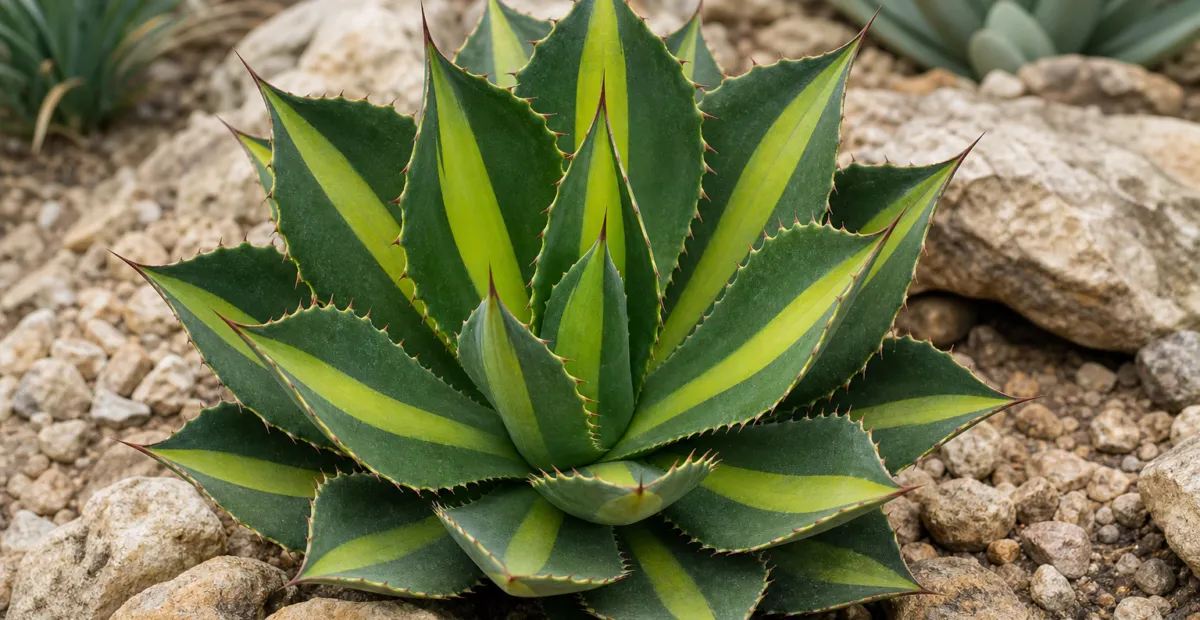
Agave lophantha 'Splendida' is a compact, clumping century plant selected for its dark green, succulent leaves marked by a bright greenish-yellow stripe along the center. Its stiff rosettes carry sharp marginal teeth and terminal spines, giving the plant a strong architectural character. Mature plants may produce a tall, branching-free flower stalk with greenish-yellow blooms, but this event is rare and the flowering rosette dies afterward.
Taxonomic classification
Splendida (Agave lophantha ‘Splendida’) care guide
Light and placement
Give this cultivar full sun, ideally with a south- or west-facing exposure and several hours of direct light. In hot climates, light afternoon shade can prevent scorch, especially after moving a container outdoors. Too little light produces looser, greener growth and weakens the central stripe; excessive reflected heat combined with drought may bleach or scorch leaf tissue.
Watering and humidity
Water deeply, then wait until the mix is completely dry before watering again. During active warm-season growth, containers may need water every 2–3 weeks depending on heat and pot size; reduce sharply in fall and winter. Keep water out of the rosette and never leave the root zone wet, because prolonged moisture encourages rot.
Soil and growing medium
Use a porous cactus or succulent mix amended with pumice, coarse perlite, grit or gravel. In the ground, raised beds or sandy, rocky soil are preferable to heavy clay. Drainage is more important than fertility. A slightly acidic to slightly alkaline reaction is tolerated, but compacted soil and standing winter moisture should be avoided.
Feeding
Fertilizer is optional. If growth is weak, apply a balanced slow-release fertilizer formulated for succulents in spring, using the label rate or less. Container plants can receive a diluted, low-nitrogen feed once in late spring. Do not fertilize during cold dormancy, after serious root damage or when the plant is dry and heat-stressed.
Growth and habit
This cultivar forms offsets close to the mother rosette and can gradually develop a dense clump. It is generally slow to moderate in growth, with faster offset production in warm, bright conditions. Because the leaves are sharply armed, place it where expanding offsets will not obstruct paths or handling areas.
Planting and repotting
Plant in spring in a sunny, raised or naturally fast-draining site. Set the crown level with the surrounding soil and keep the base dry. Water once after planting, then allow the soil to dry before repeating. Gravel mulch can reduce splash and improve surface drainage, but leave the crown uncovered.
Repot container plants in spring only when roots fill the pot or drainage declines. Use a heavy, stable container with generous drainage holes and a porous cactus mix. Wear thick gloves and use padding or tongs to avoid the spines. Keep the crown at its original depth and wait several days before watering.
Propagation and pruning
Propagation
Propagation is easiest from offsets produced around the mother rosette. Separate a rooted offset in spring or early summer, allow damaged surfaces to dry briefly, then pot it in a gritty, barely moist mix. Seed propagation is possible but slower and may not reproduce the cultivar’s exact striping.
Pruning
No shaping is needed. Remove fully dead or badly damaged leaves with clean, long-handled tools, working carefully around the spines. Cut the spent flowering stalk after it dries, and remove the dead mother rosette only when it can be handled safely without disturbing offsets.
Overwintering
In USDA Zones 8–10, keep the plant outdoors in a rain-protected, sharply drained position during cold weather. In colder regions, move containers indoors before hard freezes and provide very bright light with minimal winter watering. Protect outdoor specimens from prolonged wet soil as well as from temperatures below their proven tolerance.
Uses
Useful as a sharply architectural accent in rock gardens, xeriscapes, dry borders and containers. It can contribute nectar to hummingbird-friendly plantings when mature, but its spines make it unsuitable beside walkways, play areas or frequently handled spaces.
Appearance
The compact rosette has thick, dark green, slightly convex leaves with a vivid greenish-yellow stripe running lengthwise through the center. Leaves are shorter and narrower than those of the species, with curved marginal teeth and a sharp terminal spine. The overall effect is architectural, colorful and distinctly spiny.
Flowering
Flowering occurs only after the rosette reaches maturity and is uncommon in cultivation. The greenish-yellow flowers are borne along a tall, unbranched stalk. Like many agaves, the flowering rosette is monocarpic and dies after blooming, while offsets around the base continue growing.
Pollination and visitors
The cultivar is documented as attracting hummingbirds when it flowers. Broader agave literature also records bees and other visitors on related species, but cultivar-specific evidence for additional visitor groups is limited, so they are not assigned here.
Diseases and pests
Diseases
Root rot is the main disease risk and is usually linked to poor drainage or frequent watering. Use a porous substrate, water only after complete drying and avoid wet winter conditions. Remove rotted tissue, discard saturated soil and repot healthy material into a clean, dry, gritty mix.
Pests
Agave snout weevil is a serious potential pest of agaves, although cultivar-specific incidence is uncertain. Inspect the crown for soft tissue, wilting or unexplained collapse. Slugs and snails may chew leaves, while scale, mealybugs and aphids can occur occasionally. Improve sanitation and drainage, and use targeted controls only when pests are confirmed.
Toxicity and pollen
UF/IFAS identifies low toxic characteristics in some agaves and notes that leaf sap can cause dermatitis, with calcium oxalate crystals implicated. The principal practical hazards for this cultivar are irritating sap and sharp spines. Wear gloves and eye protection when cutting or dividing, wash exposed skin promptly and keep plant debris away from children and pets.
- Pollination / pollen
- Heavy pollen produced within insect- and bird-visited flowers; airborne exposure is not well characterized.
This is an insect- and bird-visited flowering plant, but reliable cultivar-specific data on airborne pollen exposure and human allergy symptoms were not found. Avoid handling flowers or pollen directly if sensitive, and use gloves when removing spent blooms. No pollen claim should be inferred from the plant’s low watering or succulent habit.
Native habitat
The parent species comes from low-elevation dry shrubland and desert-edge habitats in southern Texas and northeastern to north-central Mexico. It is associated with hot climates, strong sunlight, seasonal dryness and mineral soils that drain rapidly after rain.
Interesting fact
The cultivar was selected for a smaller rosette and strong central striping. Its individual leaves may reach about 7 inches long. Mature plants can produce a flower stalk many times taller than the rosette. Offsets preserve the clump after the flowering rosette dies.
Frequently asked questions (FAQ)
The most relevant questions about this plant, with short and direct answers.
🌱Quick care
What is Agave lophantha 'Splendida'?⌄
Agave lophantha 'Splendida' is a compact, clumping agave with dark green leaves marked by a bright greenish-yellow center stripe. It is grown primarily for its architectural foliage and low-maintenance habit.
How big does Agave lophantha 'Splendida' get?⌄
Agave lophantha 'Splendida' typically grows about 12 to 18 inches tall and 18 to 36 inches wide, depending on growing conditions. It gradually forms a wider colony as offsets develop.
Is Agave lophantha 'Splendida' easy to grow?⌄
Yes, Agave lophantha 'Splendida' is generally easy to grow when given bright light, sharply drained soil, and infrequent watering. Its main care risk is root rot from consistently wet conditions.
🌤️Environment and placement
How much sun does Agave lophantha 'Splendida' need?⌄
Agave lophantha 'Splendida' grows best in full sun but also tolerates partial shade. Stronger light usually helps maintain its compact shape and bright central leaf stripe.
Can Agave lophantha 'Splendida' grow in partial shade?⌄
Yes, Agave lophantha 'Splendida' can grow in partial shade, especially bright or dappled shade. In deeper shade, growth may become looser and the foliage color may be less vivid.
What USDA hardiness zone is Agave lophantha 'Splendida' suited to?⌄
Agave lophantha 'Splendida' is commonly listed for USDA Zones 7 through 10, although hardiness varies with drainage, winter moisture, and local exposure. Protect it during severe cold or wet freezes.
Can Agave lophantha 'Splendida' survive winter outdoors?⌄
It can survive winter outdoors in mild climates and well-drained sites, but protection is advisable in colder areas. Keep the crown as dry as possible during cold weather because wet soil increases the risk of rot.
Is Agave lophantha 'Splendida' drought tolerant?⌄
Yes, Agave lophantha 'Splendida' is highly drought tolerant once established. Provide occasional deep watering during prolonged summer drought, then allow the soil to dry completely.
Where should I plant Agave lophantha 'Splendida'?⌄
Plant Agave lophantha 'Splendida' in a sunny rock garden, dry border, raised bed, or container with excellent drainage. Keep it away from sidewalks, paths, and play areas because the leaf tips and margins are sharply spined.
💧Care and problems
How often should I water Agave lophantha 'Splendida'?⌄
Water Agave lophantha 'Splendida' thoroughly, then wait until the soil is completely dry before watering again. Reduce watering substantially in winter, particularly when temperatures are low.
Why is my Agave lophantha 'Splendida' turning mushy?⌄
Mushy leaves or a soft crown usually indicate overwatering, poor drainage, or cold, wet conditions. Remove the plant from saturated soil, inspect the roots, and replant only healthy tissue in a dry, gritty mix.
What soil is best for Agave lophantha 'Splendida'?⌄
Use sandy or gritty cactus soil that drains sharply and contains limited organic matter. Heavy clay or moisture-retentive potting soil should be amended substantially or avoided.
Does Agave lophantha 'Splendida' need fertilizer?⌄
No, Agave lophantha 'Splendida' generally grows well without fertilizer. If growth is weak, use a small amount of slow-release fertilizer during the active growing season rather than frequent liquid feeding.
What problems commonly affect Agave lophantha 'Splendida'?⌄
Root rot from wet soil is the most important problem for Agave lophantha 'Splendida'; slugs and snails may occasionally damage the leaves. There are no consistently reported serious pest or disease problems when drainage is good.
Why are the leaves of my Agave lophantha 'Splendida' pale or stretched?⌄
Pale, elongated, or widely spaced leaves usually indicate insufficient light. Move the plant gradually toward brighter light to reduce the risk of sunburn.
Can Agave lophantha 'Splendida' grow indoors?⌄
Agave lophantha 'Splendida' can be grown indoors temporarily or year-round near a very bright, sunny window. Use a pot with drainage, keep air circulation good, and water only after the soil has dried completely.
🪴Planting and repotting
Can Agave lophantha 'Splendida' grow in a container?⌄
Yes, Agave lophantha 'Splendida' performs well in containers with drainage holes and a gritty cactus mix. Choose a heavy pot to help support the rosette and reduce tipping as the plant grows.
When should I plant Agave lophantha 'Splendida' outdoors?⌄
Plant Agave lophantha 'Splendida' in spring after the threat of severe frost has passed. Spring planting gives the roots time to establish before winter, especially in areas near the cooler edge of its hardiness range.
How do I plant Agave lophantha 'Splendida' in the ground?⌄
Plant the rosette at the same depth it was growing in its container, keeping the crown and leaf bases above the soil line. Backfill with sharply drained soil and avoid heavy watering until the roots have begun to establish.
How far apart should Agave lophantha 'Splendida' plants be spaced?⌄
Space Agave lophantha 'Splendida' about 18 to 36 inches apart, depending on whether you want individual rosettes or a dense colony. Allow extra clearance from paths because the plant has sharp spines.
Does Agave lophantha 'Splendida' need a drainage layer in its pot?⌄
A drainage layer is not a substitute for drainage holes and a porous potting mix. Use a container with open drainage and fill it with gritty cactus soil that allows excess water to escape freely.
✂️Propagation and pruning
How does Agave lophantha 'Splendida' reproduce?⌄
Agave lophantha 'Splendida' mainly reproduces by producing offsets, or pups, around the base of the parent rosette. These offsets can be separated and replanted once they are sufficiently developed.
How do I propagate Agave lophantha 'Splendida' from pups?⌄
Separate a rooted pup with a clean knife or spade, allow any cut surface to dry briefly, and plant it in dry, sharply drained soil. Wait several days before watering, then water sparingly until roots establish.
Can Agave lophantha 'Splendida' be grown from seed?⌄
It can be grown from seed, but offsets are usually the faster and more reliable method for preserving the cultivar’s characteristic striped foliage. Seed-grown plants may not reproduce the exact appearance of 'Splendida'.
When can I remove pups from Agave lophantha 'Splendida'?⌄
Remove pups when they have their own roots or are large enough to establish independently. Separating them during the active growing season generally gives them the best chance of rooting quickly.
Does Agave lophantha 'Splendida' need pruning?⌄
Agave lophantha 'Splendida' needs little pruning beyond removing dead, damaged, or diseased leaves. Wear thick gloves and use a clean, sharp tool because the leaves have sharp spines and irritating sap.
⚠️Toxicity and safety
Is Agave lophantha 'Splendida' poisonous?⌄
Agave lophantha 'Splendida' has a low toxicity concern, but its sap can irritate skin and eyes. Keep children and pets away from the sap and seek medical advice if irritation is severe or ingestion causes symptoms.
Are Agave lophantha 'Splendida' spines dangerous?⌄
Yes, the leaf margins and terminal tips have sharp spines that can puncture skin. Plant it away from walkways and wear gloves, long sleeves, and eye protection when handling or dividing it.
How should I handle Agave lophantha 'Splendida' safely?⌄
Handle Agave lophantha 'Splendida' with thick gloves and avoid touching your face after working with it. Wash exposed skin and tools after pruning or dividing the plant to remove irritating sap.
🌸Flowering and special interest
Does Agave lophantha 'Splendida' flower?⌄
Yes, mature Agave lophantha 'Splendida' can produce greenish-yellow flowers on a tall stalk. Flowering is uncommon in cultivation and may take several years.
How tall is the flower stalk of Agave lophantha 'Splendida'?⌄
The flower stalk can reach approximately 12 feet tall, rising far above the compact rosette. Provide clearance from overhead structures before allowing a mature plant to flower.
Does Agave lophantha 'Splendida' die after flowering?⌄
Yes, the flowering rosette normally declines and dies after blooming because it is monocarpic. The plant commonly produces pups around its base, allowing the clump to continue.
What color are Agave lophantha 'Splendida' flowers?⌄
The flowers are generally described as greenish yellow to pale yellow-green. They appear on a tall, unbranched flowering stalk and may attract hummingbirds.
Similar plants
 Twin-flowered Agave (Agave geminiflora) care guideAgave geminiflora
 Marginata (Agave americana ‘Marginata’)Agave americana 'Marginata'
 Swan’s neck agave (Agave attenuata) care guideAgave attenuata
 Century plant (Agave) care guideAgave
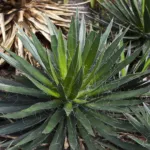 Agave filifera care guideAgave filifera
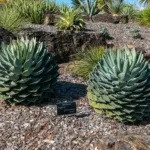 Agave parrasana care guideAgave parrasana