
 Source:
He scrub palmetto is a species of palm (Sabal etonia) short overview
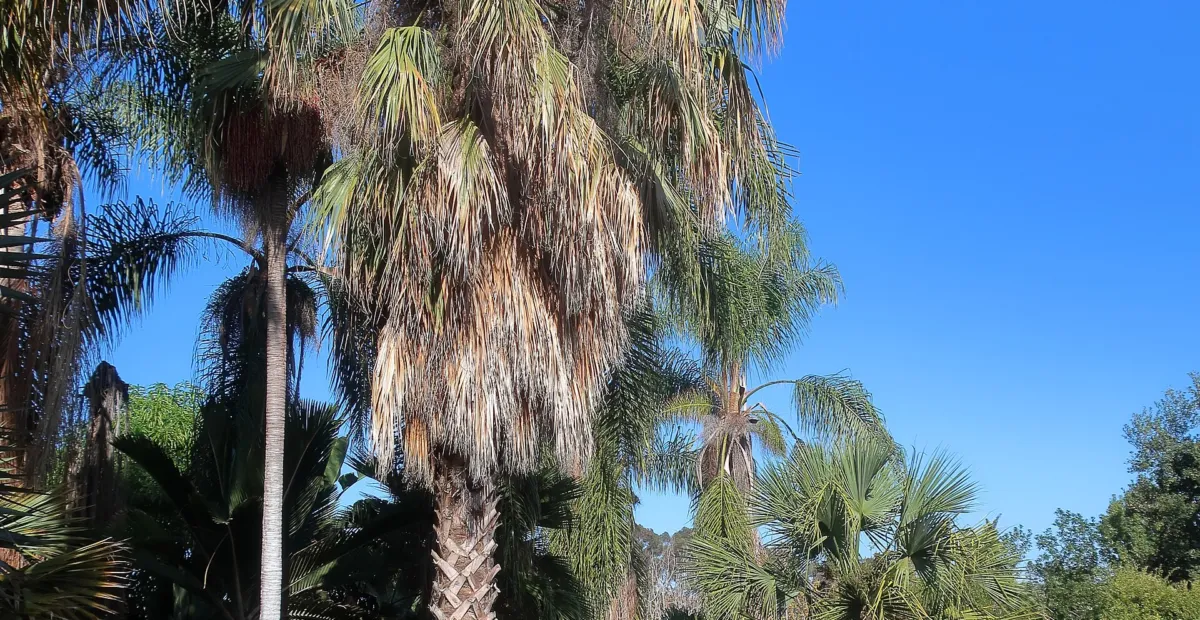
he scrub palmetto is a species of palm, Sabal etonia, is a Florida-endemic fan palm adapted to hot, dry sand scrub. Its mostly underground stem supports a compact crown of stiff, yellow-green, strongly costapalmate leaves edged with fibers. White flowers appear from spring into summer, followed by dark fruits. Give it full sun, very sharp drainage, and protection from hard freezes outside warm parts of the Southeast.
Taxonomic classification
He scrub palmetto is a species of palm (Sabal etonia) care guide
Light and placement
Provide full sun, ideally in an open south- or west-facing position with unobstructed light. Strong light supports a compact crown and sturdy leaf color. Excess shade can produce weaker, more open growth; intense reflected heat is generally tolerated if the root zone drains rapidly. In containers, avoid dim indoor placement except for short-term winter protection.
Watering and humidity
Water deeply when the upper several inches of soil dry during establishment, then extend the interval as roots develop. Mature plants are adapted to seasonal drought but perform poorly in constantly wet soil. Reduce irrigation in cool weather and never leave container roots standing in water. Humidity is secondary to drainage.
Soil and growing medium
Use very sharply drained, sandy soil resembling Florida scrub. Sand-based soils are strongly associated with this species and are usually acidic. Avoid heavy clay, persistently wet beds, and rich compacted soil. In containers, use a porous palm mix amended with coarse mineral material.
Feeding
Feed established landscape plants lightly in spring and again in early summer with a controlled-release palm fertilizer containing potassium and magnesium, following the label. Do not fertilize drought-stressed, newly transplanted, or cold-damaged plants until they resume active growth. Avoid heavy nitrogen applications that encourage weak, lush growth.
Growth and habit
This is a slow-growing, solitary palm with a mostly subterranean, sometimes contorted stem. The growing point remains close to or below ground for much of the plant’s life, so the crown can stay low even as the leaves become broad and rigid. Avoid unnecessary relocation once established.
Planting and repotting
Plant in spring or during warm weather when the soil is workable. Set the root flare at the soil surface and do not bury the crown bud. Space about 4–6 feet apart for individual landscape specimens, allowing room for the mature fan crown. Water regularly during establishment, then reduce irrigation as roots settle.
Repot container plants only when roots fill the pot, preferably in spring or early summer. Handle the root ball carefully and disturb roots as little as possible. Choose a deep, stable container with excellent drainage; repeated transplanting is undesirable because established plants can be difficult to move.
Propagation and pruning
Propagation
Propagate from fresh seed after removing fruit pulp. Sow in a warm, porous medium and keep evenly moist but not waterlogged. Germination and establishment are slow, and young seedlings should be protected from drying out. Vegetative propagation is not a standard method for this solitary palm.
Pruning
Remove only completely dead or damaged leaves, cutting cleanly near the base of the petiole without injuring the crown. Do not strip green leaves or cut into the central bud. Clean tools between plants, and avoid climbing or damaging the growing point.
Overwintering
In USDA Zone 8 sites or during unusual freezes, protect the crown with breathable frost cloth and insulate the root zone with mulch kept away from the bud. Container plants can be moved into a bright, cool, frost-free space. Keep winter watering sparse but do not allow containers to become bone dry for long periods.
Uses
Use as a distinctive accent in xeric native gardens, sandy beds, scrub restorations, and warm-climate containers. Its compact, architectural crown suits small landscapes better than tall trunk-forming palms. It is also a native wildlife plant whose flowers support documented bee visitors and whose fruits are eaten by birds and other animals.
Appearance
The plant has a solitary, usually stemless appearance because its contorted stem is commonly underground. Leaves are stiff, fan-shaped, strongly costapalmate, and yellow-green, with deep segments, bifid tips, a prominent midrib, and threadlike fibers along the margins. Petioles are unarmed.
Flowering
Small white flowers are produced on branched inflorescences that are usually shorter than or about as long as the leaves. Flowering is reported from spring into summer, and mature flowers are followed by dark brown to black, rounded or ovoid drupes.
Pollination and visitors
Flowers are documented as attracting bees, including honey bees and several native solitary bees, as well as bumblebees. The dark fruits are eaten by birds and other animals, which may contribute to seed movement.
Sabal etonia photos
Click any photo for a larger view. Source, author and license are shown separately.
Diseases and pests
Diseases
Avoid chronic wetness and trunk or crown injury. Monitor stressed plants for palm root or crown rots and remove badly affected material. Good drainage, clean pruning tools, and avoiding wounds near the growing point are the main preventive measures. Species-specific disease data are limited.
Pests
Inspect for scale insects, mealybugs, palm mites, and chewing damage, especially on container plants. Improve light and airflow, avoid excess nitrogen, and use water sprays or horticultural oil only when the label permits and weather conditions are suitable. Severe or persistent infestations may need local extension diagnosis.
Toxicity and pollen
No authoritative source reviewed here establishes a specific toxic compound or confirmed poisoning syndrome for Sabal etonia. Avoid eating ornamental plant material unless independently verified, and keep children and pets from chewing unfamiliar fruits or leaves. Seek poison-control or veterinary advice after a significant ingestion.
- Typical season
- Spring to summer
- Pollination / pollen
- Flower pollen; primarily insect-associated
Sabal etonia produces pollen during flowering, but reliable species-specific airborne allergy data were not located. Because it is primarily insect-visited, pollen exposure may be lower than for strongly wind-pollinated plants, but it should not be assumed to be allergen-free.
Native habitat
Native to central and southeastern Florida, especially xeric sand scrub, scrubby flatwoods, and high-pine communities. It grows in deep, nutrient-poor, rapidly drained sands and is adapted to heat, seasonal drought, and open sunny conditions. Habitat loss from development and agriculture affects parts of its range.
Interesting fact
This Florida endemic is associated with ancient and modern dunes and scrub.
Its stem is commonly contorted and remains below ground.
The leaf crown often has only a few large fan leaves.
Its inflorescences are usually shorter than the leaves.
Dark fruits are eaten by birds and other animals.
Frequently asked questions (FAQ)
The most relevant questions about this plant, with short and direct answers.
🌱Quick care
What is Sabal etonia?⌄
Sabal etonia, documented locally as “he scrub palmetto is a species of palm,” is a small, trunkless Florida-native fan palm. It is also commonly identified in horticultural references as scrub palmetto.
How much sunlight does Sabal etonia need?⌄
Sabal etonia grows best in full sun. Strong light helps maintain its compact form and yellow-green fan leaves.
How often should I water Sabal etonia?⌄
Water Sabal etonia regularly while it is establishing, then reduce irrigation because mature plants tolerate long dry periods. Avoid keeping the soil constantly wet.
Is Sabal etonia evergreen?⌄
Yes, Sabal etonia is an evergreen perennial palm. It normally retains its fan-shaped leaves year-round in suitable climates.
How large does Sabal etonia get?⌄
Sabal etonia typically reaches about 3 to 6 feet tall and 3 to 5 feet wide. It usually remains trunkless or develops only a very short stem.
🌤️Environment and placement
Where is Sabal etonia native?⌄
Sabal etonia is endemic to Florida, especially the central ridge and southeastern coastal ridge. It naturally occurs in xeric scrub, sand-pine scrub, high pine, and scrubby flatwoods.
What USDA hardiness zones are suitable for Sabal etonia?⌄
Sabal etonia is generally listed for USDA Zones 8A through 9B by Florida native-plant references, while some horticultural references rate it more conservatively for Zones 9 through 11. Protect it from severe or prolonged frost.
Can Sabal etonia grow in sandy soil?⌄
Yes, sandy soil is ideal for Sabal etonia. The soil should drain sharply and preferably be acidic, with no prolonged standing water.
Can Sabal etonia grow in clay soil?⌄
Sabal etonia may struggle in heavy clay because poor drainage can cause root problems. If clay is unavoidable, improve drainage substantially or grow the palm in a raised, sandy planting area.
Is Sabal etonia salt tolerant?⌄
No, Sabal etonia has low tolerance for salt spray, salty soil, and saltwater flooding. It is better suited to inland or protected sites than exposed coastal locations.
Can Sabal etonia grow in a container?⌄
Yes, Sabal etonia can be grown in a container when provided with a fast-draining sandy mix and a pot with drainage holes. Container plants dry out faster and need protection from hard freezes.
💧Care and problems
Does Sabal etonia need fertilizer?⌄
Sabal etonia generally needs little fertilizer when planted in suitable sandy soil. If growth is weak or leaves show nutrient symptoms, use a palm fertilizer according to the label rather than applying heavy doses.
Why are Sabal etonia leaves turning yellow?⌄
Yellow leaves on Sabal etonia can result from natural aging, poor drainage, drought stress, or nutrient deficiency. Check soil moisture and drainage first, because this species is adapted to lean, sharply drained soils.
How do I prevent root rot in Sabal etonia?⌄
Prevent root rot by planting Sabal etonia in sharply drained soil and allowing the surface to dry between thorough waterings. Do not place it in low spots where irrigation or rainwater collects.
Does Sabal etonia have spines?⌄
Sabal etonia is not known for the prominent spines found on some other palms, but its stiff leaf segments and fibrous leaf bases can still be abrasive. Wear gloves when handling or pruning it.
🪴Planting and repotting
When is the best time to plant Sabal etonia?⌄
In USDA Zones 9 and warmer, Sabal etonia can generally be planted year-round when irrigation is available. Planting during mild spring or fall weather reduces establishment stress.
How should I plant Sabal etonia?⌄
Plant Sabal etonia at the same depth it was growing in its container, in full sun and sharply drained sandy soil. Water deeply after planting, then gradually reduce irrigation as the root system establishes.
How far apart should Sabal etonia be planted?⌄
Space Sabal etonia about 4 to 6 feet apart for a mass planting, adjusting the distance for the desired mature spread. Allow extra room near paths because the fan leaves can extend several feet.
Can Sabal etonia be transplanted?⌄
Sabal etonia can be transplanted, but established palms may recover slowly after root disturbance. Move smaller container-grown plants when possible, keep the root ball intact, and provide careful aftercare.
✂️Propagation and pruning
How is Sabal etonia propagated?⌄
Sabal etonia is primarily propagated from seed. Clean fresh fruit, sow the seed in a warm, well-drained medium, and keep it evenly moist until germination.
How long does Sabal etonia seed take to germinate?⌄
Sabal etonia seed may germinate unevenly, and the timing depends on seed freshness, temperature, and moisture. Warm conditions and fresh, properly cleaned seed generally give the best results.
Can Sabal etonia be propagated from cuttings?⌄
No practical cutting method is established for Sabal etonia. Propagation from seed is the standard approach.
Should I prune Sabal etonia?⌄
Prune Sabal etonia only to remove completely dead, damaged, or hazardous leaves. Avoid cutting green fronds or removing the growing point, because palms cannot replace a destroyed central bud.
⚠️Toxicity and safety
Is Sabal etonia toxic to dogs or cats?⌄
Specific toxicity for Sabal etonia has not been established in the reviewed sources. Because plant reactions can vary and the species may be confused with other palms, contact a veterinarian or poison-control service if a pet eats significant amounts.
Is Sabal etonia safe to plant around children?⌄
Sabal etonia is not specifically documented as toxic, but its stiff, pointed fan-leaf segments can cause scratches or eye injuries. Place it away from play areas and narrow walkways.
Is Sabal etonia the same as saw palmetto?⌄
No, Sabal etonia is not saw palmetto. Sabal etonia is a distinct species from Serenoa repens, although both are native Florida palms that can occur in dry habitats.
🌸Flowering and special interest
When does Sabal etonia flower?⌄
Sabal etonia generally flowers in spring, producing small white flowers on branched inflorescences. Flowering may vary with plant age, climate, and growing conditions.
What color are Sabal etonia flowers?⌄
Sabal etonia has white flowers. The flowers can attract bees and other pollinators when the plant is growing in a sunny, suitable site.
Does Sabal etonia produce fruit?⌄
Yes, Sabal etonia produces small round fruits that mature from blue to black. Birds and other wildlife may eat the fruit.
Is Sabal etonia good for wildlife?⌄
Yes, Sabal etonia supports wildlife by providing flowers for pollinators and fruit for birds and other animals. It is especially appropriate for Florida-native and scrub-inspired landscapes.
Similar plants
 Miniature date palm (Phoenix roebelenii) care guidePhoenix roebelenii
 Loulu (Pritchardia glabrata) care guidePritchardia glabrata
 East Indian wine palm (Phoenix rupicola) care guidePhoenix rupicola
 Pritchardia thurstonii care guidePritchardia thurstonii
 Rio Grande palmetto (Sabal mexicana) care guideSabal mexicana
 He royal palm (Roystonea regia) care guideRoystonea regia